Understanding Steel Grate Flooring: A Global Perspective
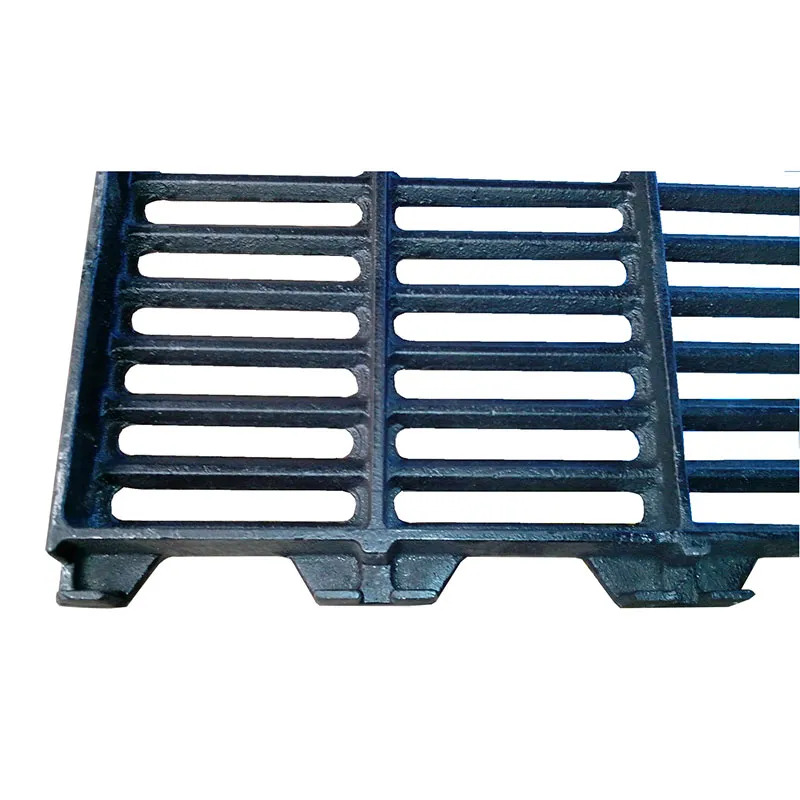
Steel grate flooring might not be the star of the show in most industrial conversations, but its role behind the scenes is undeniable. In essence, it’s a form of robust, open-grid platform made primarily of steel, designed to provide strength, drainage, ventilation, and safety underfoot. Why does it matter globally? Well, from massive manufacturing plants in Asia to humanitarian relief projects in Africa, steel grate flooring offers solutions where durability and functionality matter the most.
The global steel industry, according to the World Steel Association, produces roughly 1.8 billion metric tons annually, with a substantial chunk allocated to construction and infrastructure. Within this, steel grating acts as a silent workhorse—supporting everything from walkways and platforms to drainage covers and industrial flooring. Its design cleverly balances strength with permeability, making it essential where safety and sustainability must coexist.
Mini takeaway: Steel grate flooring’s broad utility bridges diverse sectors worldwide, delivering safety, longevity, and practicality that matter more than they seem at first glance.
Why Steel Grate Flooring Stands Out in Modern Industry
Let’s break it down. Steel grate flooring is essentially an open mesh of steel bars welded or mechanically joined to form a forgiving but sturdy walking surface. It’s widely favored in industries where drainage,-slip resistance, and structural strength collide. Think chemical plants expelling corrosive liquids, food processing zones needing hygiene, or even humanitarian setups requiring fast, durable groundwork under tents.
Its global importance ties in with industrial safety standards like those from the International Organization for Standardization (ISO) and environmental guidelines dictating runoff management, fire safety, and workplace ergonomics. Without practical flooring solutions like steel grates, managing these complex demands becomes slow or just plain dangerous.
Steel Grate Flooring Explained: What Is It Exactly?
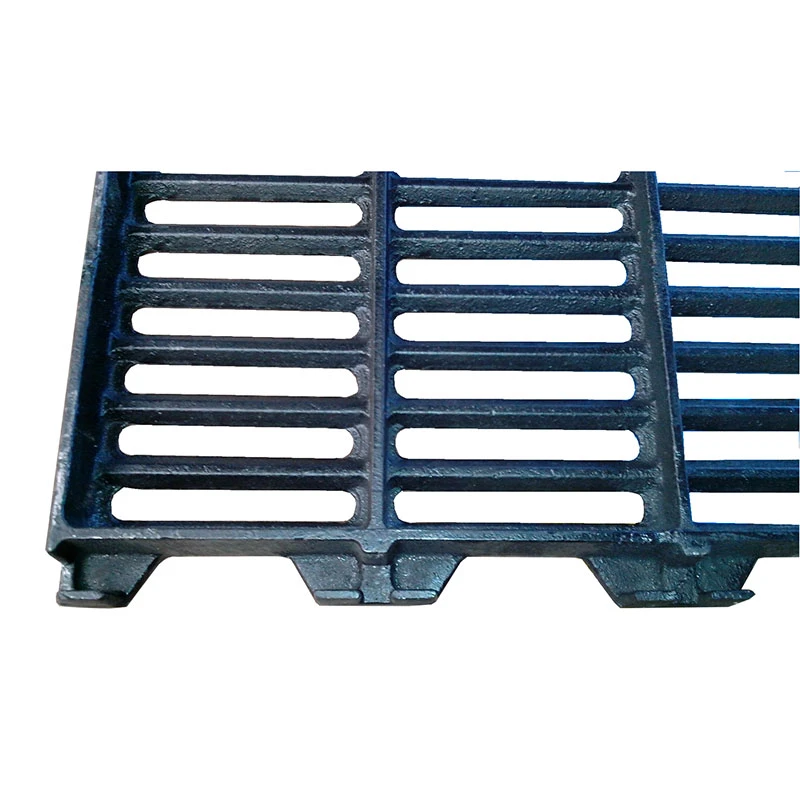
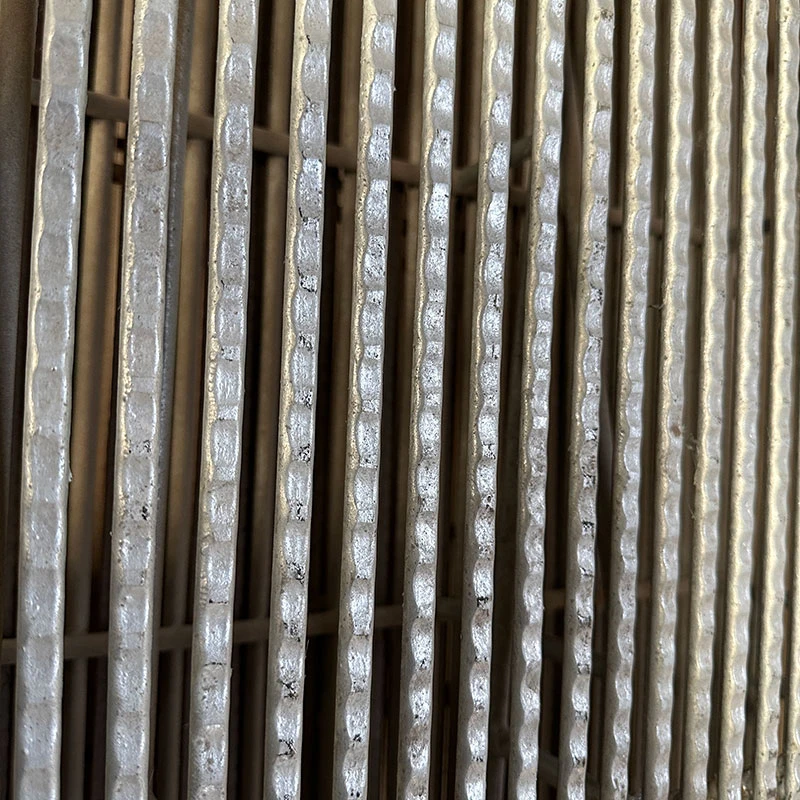
In simple terms: it’s a flooring system made from steel bars arranged in flat, grid-like patterns. The open spaces allow liquids, light debris, or air to pass through easily, which substantially reduces slip hazards and prevents pooling. It’s not just a "floor" but a multifaceted structural component that supports walking, working, and weathering tough environments.
The connection to humanitarian or industrial needs is pretty clear — imagine deploying temporary or permanent platforms in disaster zones where muddy ground or quick drainage is critical. Or consider factories in harsh chemical atmospheres where conventional floors would corrode too fast.
Core Components and Critical Factors Behind Steel Grate Flooring
Durability and Strength
The steel used is often galvanized or stainless, resisting rust and wear over long periods of exposure. Durability doesn’t just mean staying intact — it also means maintaining safety integrity in slippery or wet conditions.
Slip Resistance and Safety
The textured surface of steel grates provides excellent traction, critical in industrial or outdoor environments. Slip-related injuries are a costly challenge in workplaces, and grate flooring helps lower those risks substantially.
Drainage and Ventilation
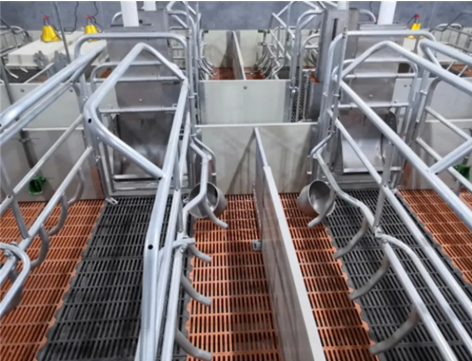
The open grid allows water and debris to fall away, maintaining a dry and clean walking surface. This reduces maintenance costs and improves safety.
Cost Efficiency and Maintenance
While the upfront cost might be higher than concrete, the longevity and reduced corrosion mean long-term savings on repair and replacement.
Customization and Scalability
Often available in customizable sizes and load ratings, whether you need something small for a confined area or a modular, scalable solution for large warehouses.
Environmental Considerations
Steel grate flooring can be recycled almost entirely, supporting circular economy ideals in construction and manufacturing.
Mini takeaway: The marriage of strength, safety, and sustainability makes steel grate flooring a very smart choice for modern operations.
Global Applications and Real-World Use Cases
Steel grate flooring finds its way into numerous applications worldwide. In Southeast Asia’s growing petrochemical sector, it lines platforms exposed to corrosive environments. Around northern Europe, industrial plants use it extensively for drainage-friendly walkways. And in emergency relief, organizations deploy steel grates to quickly build safe, stable flooring in camps flooded by rain or mud.
For example, the UN’s disaster response teams often specify prefabricated steel grate modules to rapidly create safe ground surfaces. In remote mining operations in South America, steel grating reduces equipment maintenance downtime by enabling better water runoff and debris clearance.
The growing demand in construction—particularly in green buildings following ISO 14000 environmental management standards—also involves steel grates for terraces, stairways, and balconies, combining aesthetic openness with utility.
Product Specification Table: Typical Steel Grate Flooring
| Specification | Value / Description |
|---|---|
| Material | Galvanized Steel or Stainless Steel |
| Bar Size | 25mm x 5mm (Bearing Bars) |
| Open Area | 40%-60% for Drainage |
| Load Capacity | Up to 40 kN/m² dependent on design |
| Finish | Hot-dip Galvanized / Self-colored Stainless |
| Standard Sizes | 2m x 1m / customizable |
Comparing Leading Steel Grate Flooring Vendors
| Vendor | Material Options | Customization Level | Lead Time | Price Range |
|---|---|---|---|---|
| GratePro Inc. | Galvanized, Stainless | High | 2-3 weeks | $$$ |
| SteelGrid Solutions | Stainless, Weathering Steel | Medium | 3-4 weeks | $$ |
| EcoMesh Flooring | Recycled Steel, Galvanized | Custom Only | 4-6 weeks | $$ |
Why Choose Steel Grate Flooring? Exploring Long-Term Value
We’re not just talking about a floor that can withstand foot traffic. Steel grate flooring brings cost savings over the long haul by resisting corrosion and easing cleaning efforts. Sustainability-wise, recycled steel options reduce environmental impact—a key consideration for modern companies trying to curb their carbon footprint.
On the safety front, workers gain peace of mind knowing their walkway won't become an unseen hazard. And oddly enough, there’s also a dignity factor — steel grate flooring used in refugee camps or temp shelters signals care and investment in safe, secure living spaces.
What’s Next? Trends and Innovations in Steel Grate Flooring
The industry is quietly evolving. New coating technologies, like polymer-enhanced galvanizing, promise even longer life spans. Sensors embedded in steel grating to monitor structural health are no longer science fiction, especially as IoT technologies become affordable.
Sustainability remains a prime driver. Designs that better facilitate rainwater harvesting or enhanced solar reflectivity may redefine how steel grate flooring integrates with its environment. It’s interesting how a traditional product can find new life with digital and green twists.
Challenges and Practical Solutions
No product is perfect, right? Common challenges with steel grate flooring include the potential for noise (footsteps can sound hollow) and the risk of debris clogging the grates in dusty conditions. Plus, improper installation might decrease load-bearing safety.
Experts recommend routine maintenance inspections and pairing grate flooring with underlying mesh layers to prevent small objects dropping through. Better sound-dampening materials are also being tested. Frankly, staying ahead just requires a bit of planning plus choosing trusted vendors.
FAQ: Your Steel Grate Flooring Questions Answered
- Q: How durable is steel grate flooring in corrosive environments?
A: When properly galvanized or made from stainless steel, steel grate flooring can last over 20 years even in corrosive conditions such as chemical plants or coastal areas. - Q: Can steel grate flooring be customized to fit unusual spaces?
A: Absolutely. Vendors typically offer customizable panel sizes, load ratings, and finishes tailored to specific project needs. - Q: Is steel grate flooring suitable for outdoor walkways in heavy rainfall zones?
A: Yes, its open grid design allows efficient water drainage, helping to prevent ponding and slippery surfaces. - Q: How does steel grate flooring impact sustainability efforts?
A: It supports sustainability by being largely recyclable and durable, reducing material waste and replacement frequency. - Q: Can NGOs deploy steel grate flooring quickly in emergency relief operations?
A: Definitely. Modular, prefabricated steel grate systems are favored by many humanitarian organizations for rapid, durable flooring solutions.
Conclusion: The Steady Strength Beneath Your Steps
In the grand scheme of infrastructure and human safety, steel grate flooring quietly holds up more than just feet. It offers a durable, adaptable, and eco-friendly platform that supports industries, communities, and relief efforts across the globe — a bit like the unsung hero in a complicated play.
If you’re interested in upgrading your site’s flooring solutions or exploring options for industrial or humanitarian projects, be sure to check out steel grate flooring offerings tailored for your needs.
References:
1. World Steel Association – worldsteel.org
2. International Organization for Standardization (ISO) – iso.org
3. United Nations Disaster Relief Reports – unocha.org
Post time: Dec . 02, 2025