Steel Floor Grates for Sale: A Global Industrial Backbone
If you've ever walked over those sturdy metal surfaces in factories, public walkways, or industrial sites, you've likely encountered steel floor grates. They're often overlooked yet serve a critical role around the world—ensuring safety, durability, and functionality in heavy-use environments. Steel floor grates for sale fulfill a growing need globally, reflecting industries' push towards safer, more sustainable infrastructure. Understanding what these grates offer can give engineers, architects, and facility managers an edge in making smarter choices—plus they’re surprisingly versatile.
The Global Context: Why Steel Floor Grates Matter Now More Than Ever
Globally, the industrial and construction sectors are booming. According to the International Organization for Standardization (ISO), sustainable infrastructure investment is on the rise, with steel components playing a pivotal role (ISO, 2022). Steel floor grates fall neatly into this trend—durable, recyclable, and adaptable. Statistically, industries cite slips and falls as a top workplace hazard, making steel floor grates essential safety tools. Surprisingly, demand for these products is not confined to developed markets; emerging economies in Asia and Africa are increasingly adopting steel grates for urban development projects and humanitarian applications.
One notable challenge they address is drainage and airflow in industrial flooring without compromising durability. Imagine flood-prone zones or areas needing quick drying times—steel floor grates provide an elegant yet robust solution.
Mini takeaway:
- Steel floor grates are globally significant for safety and infrastructure resilience.
- Industrial growth and sustainable standards drive uptick in their use worldwide.
What Are Steel Floor Grates? A Simple Explanation
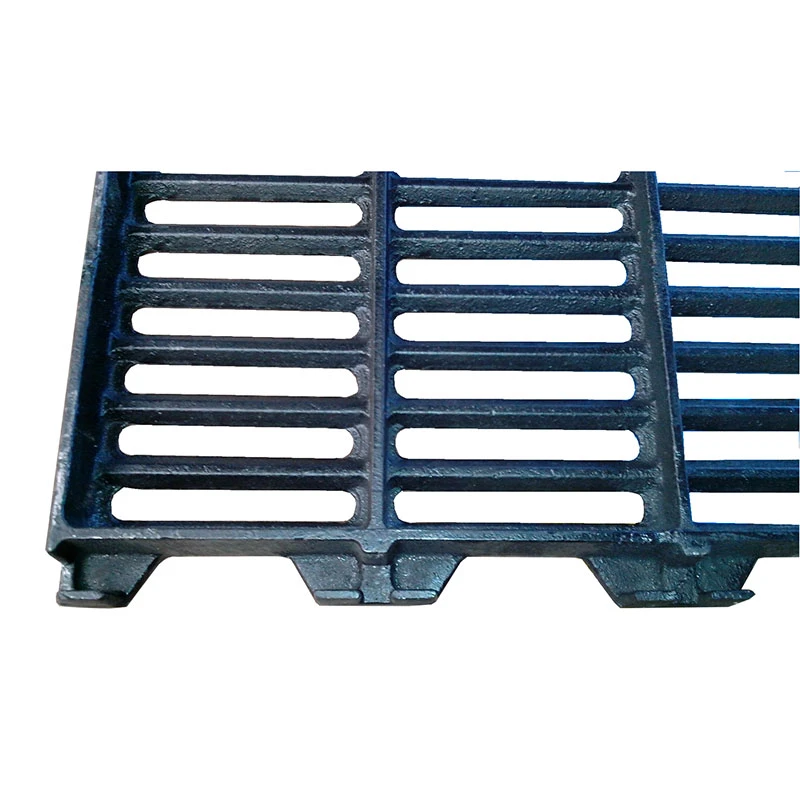
To put it plainly, steel floor grates are open-lattice metal panels designed to cover floor openings while providing a solid surface to walk or drive on. Usually made from carbon or stainless steel, these grates allow liquids, air, and debris to pass through while supporting heavy loads on top.
They serve modern industry in everything from factories, chemical plants, to even humanitarian relief—think temporary walkways or drainage covers in emergency shelters. Their inherent toughness combined with permeability lets them balance safety with essential environmental controls like ventilation and drainage.
Core Components of Steel Floor Grates
1. Durability and Load Capacity
Steel's natural strength ensures these grates endure heavy foot traffic, machinery, or even forklifts without warping or cracking. You’ll often see grates rated by load classes—from pedestrian traffic only to heavy vehicle use. Depending on design, they can handle anywhere from a few hundred kilograms to several tons.
2. Corrosion Resistance
Steel floor grates often face harsh environments—chemicals, water, or outdoor exposure. Many suppliers offer galvanized, stainless, or epoxy-coated finishes to fight rust and wear. Even in marine or industrial chemical plants, these coatings extend the life span dramatically.
3. Safety Features
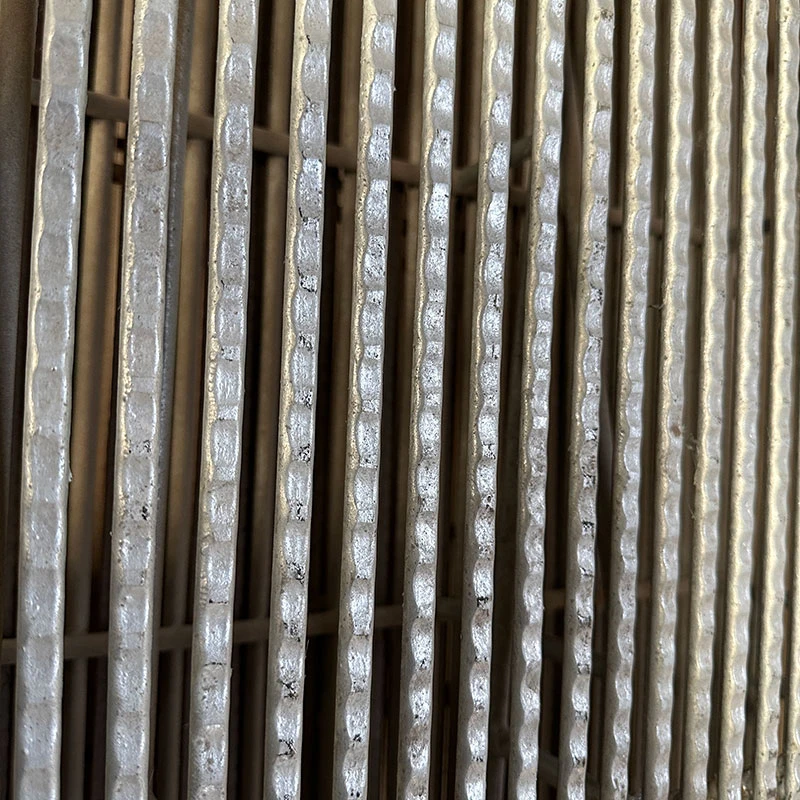
Slip resistance is key. Grates often include serrated edges or raised patterns to enhance grip. Openings are sized to avoid trapping heels or small items, conforming to safety regulations such as OSHA standards (Occupational Safety and Health Administration).
4. Customization & Scalability
You can get these grates in varying sizes, thicknesses, and designs—from standard bar grates to non-slip mesh or perforated plates. This flexibility allows designers to scale solutions from small walkways to massive industrial platforms.
5. Cost Efficiency
While initial costs may be higher than concrete or plastic alternatives, steel grates usually win in the total cost of ownership battle. Their longevity reduces replacement and maintenance expenses, making them a smart investment long-term.
Mini takeaway:
- The balance of strength, safety, and corrosion resistance drives their widespread use.
- Customization means they fit virtually any industrial or infrastructural need.
Real-World Applications of Steel Floor Grates
Steel floor grates for sale aren’t just part of factory floors. Around the world, they pop up in diverse places:
- Post-disaster relief: After floods or earthquakes, temporary steel grating walkways help maintain safe access over muddy or unstable ground.
- Industrial zones: Chemical plants, oil refineries, and manufacturing hubs use steel grates to improve drainage and safety in heavy-use areas.
- Urban infrastructure: Public pedestrian bridges, drainage covers, and subway platforms rely heavily on steel grates for durability and safety.
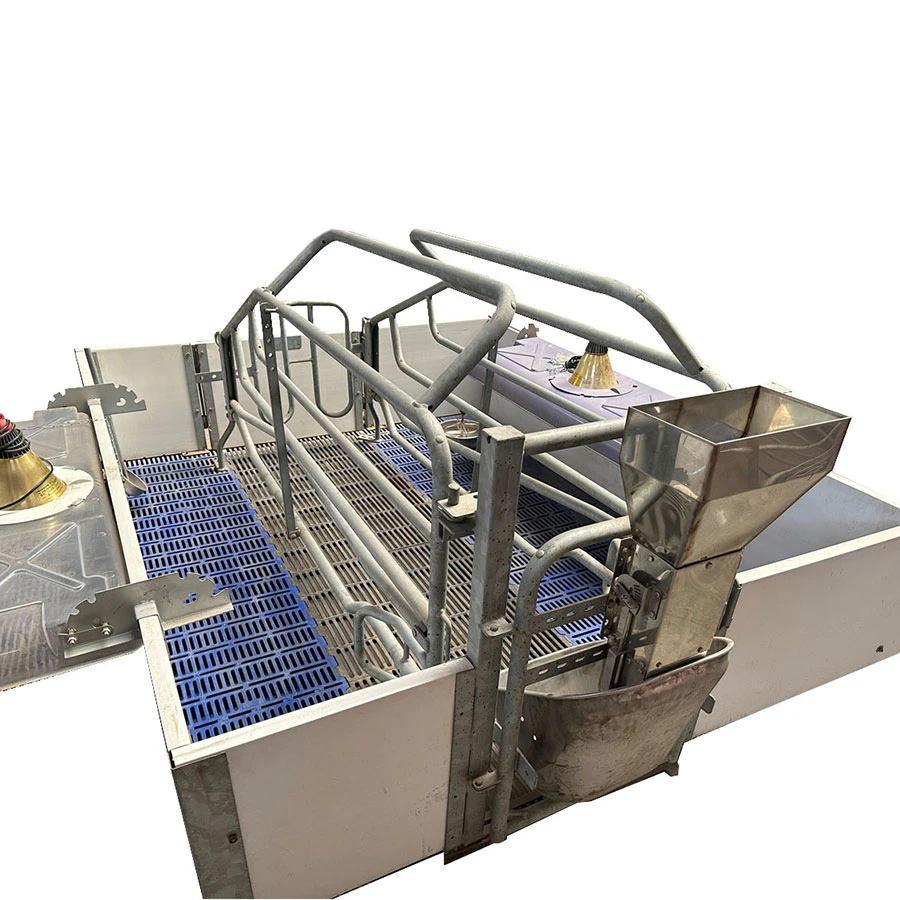
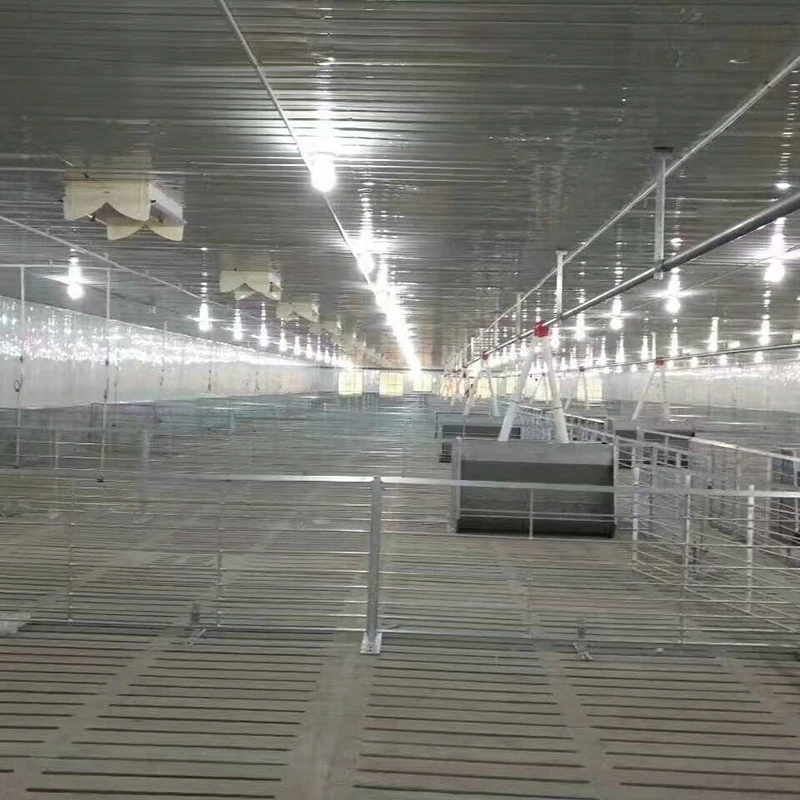
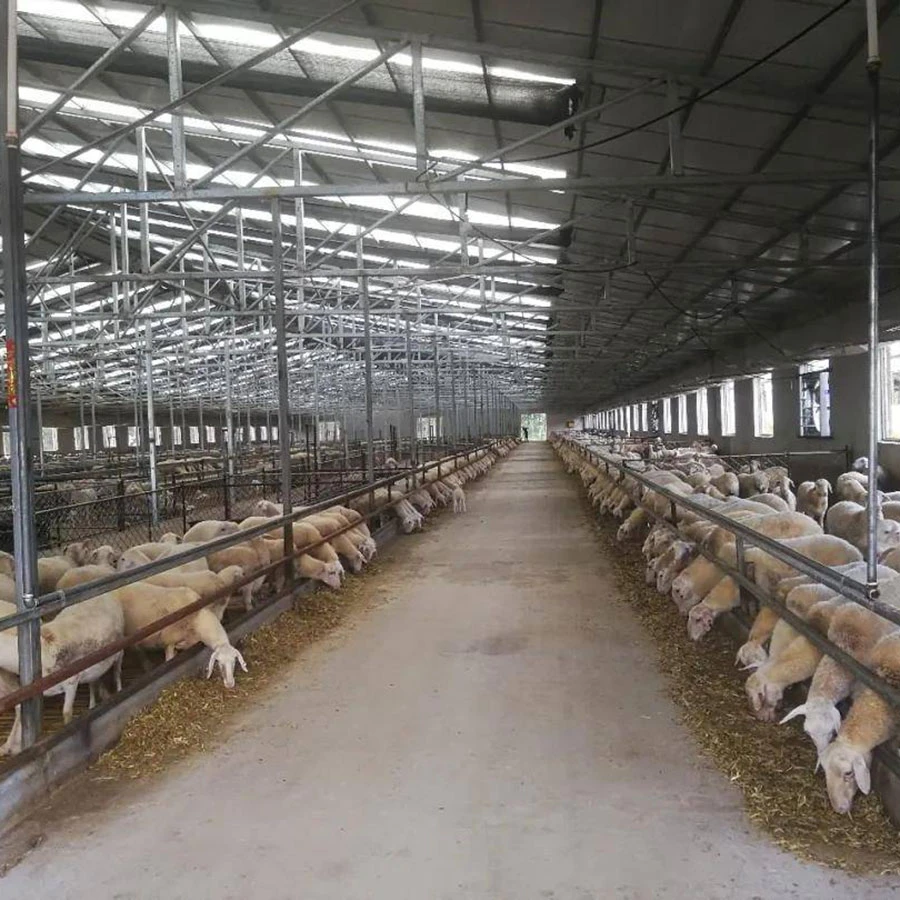
- Agriculture: Feedlots and livestock handling facilities adopt steel flooring for easy cleaning and long-term wear.
For example, micro-industrial parks in Southeast Asia have boosted productivity by upgrading walkways and drainage systems with customized steel grates, improving worker safety and environmental resilience.
Steel Floor Grates: A Blend of Advantages and Long-Term Value
Frankly, it’s hard to beat steel’s combination of cost-effectiveness, eco-friendliness, and reliability. They reduce slip hazards, drain water effectively, and withstand decades of use—key benefits particularly vital in industries that prize safety and uptime.
On a more personal note, many facility managers I've spoken with stress how the peace of mind from steel grates’ durability allows them to focus on other crucial tasks, rather than constantly worrying about flooring failure. Plus, steel is highly recyclable, aligning with global sustainability goals (UN Environmental Programme, 2023).
- Cost savings: Low maintenance & replacement frequency
- Sustainability: Recyclable steel and longer lifespan
- Safety: Enhanced slip resistance and structural integrity
- Social impact: Better infrastructure supports community resilience
Product Specification Table
| Specification | Details |
|---|---|
| Material | Carbon Steel, Stainless Steel (304/316) |
| Load Capacity | Class A (Pedestrian) to Class E (Heavy Vehicle) |
| Finish | Hot-Dip Galvanized, Powder-Coated, Epoxy Coated |
| Grate Style | Welded Bar, Press-Locked, Mesh, Perforated |
| Common Dimensions | From 24”x24” to 48”x96” Panels |
| Standard Compliance | OSHA, EN ISO 14122 |
Comparing Top Vendors of Steel Floor Grates for Sale
| Vendor | Product Range | Customization | Average Lead Time | Price Range |
|---|---|---|---|---|
| SteelMate Inc. | Bar Grates, Mesh Grates | High | 4 weeks | $$$ |
| EcoGrate Solutions | Galvanized and Stainless | Medium | 3 weeks | $$ |
| SafeStep Ltd. | Press-Locked, Serrated Surfaces | Low | 2 weeks | $ |
Emerging Trends & Innovations in Steel Floor Grates
Green steel production, digital manufacturing, and automation come together to reshape how steel floor grates are designed and delivered. For example, new eco-friendly steel alloys reduce carbon footprints in production. Additive manufacturing techniques allow rapid prototyping of specialized grates, while IoT integration with sensors is slowly creeping in to monitor wear and structural integrity in real-time.
In the next decade, expect more corrosion-resistant coatings, AI-driven customization, and even smart safety grates that detect slips or hazardous substances. The drive for sustainability under UN initiatives also pushes vendors towards circular economy models.
Challenges and Practical Solutions
That said, it’s not all smooth sailing. Steel grates can be heavy, making transportation and installation cumbersome. Corrosion can still be an issue if maintenance lapses or coatings fail. I’ve heard operators grumble about noise from foot traffic on serrated grates too.
To counter these, modular lightweight alternatives using hybrid materials are in R&D, and more rigorous quality control on coatings improves lifespan. Training maintenance teams on inspection schedules helps limit risks. Bottom line: no product is 100% perfect, but steady refinements keep the industry moving.
Frequently Asked Questions About Steel Floor Grates for Sale
Q1: How do I choose the right steel floor grate for my facility?
A: Consider the load requirements, environmental conditions, and safety needs first. Then, evaluate material type—galvanized for general outdoor use, stainless for corrosive environments. Don’t forget to check compliance with local safety standards and consult suppliers for customization options.
Q2: Can steel floor grates be recycled?
A: Absolutely. Steel is one of the most recycled materials globally. After end-of-life use, grates can be melted down and reused with minimal environmental impact, supporting circular economy goals.
Q3: Are steel floor grates slippery when wet?
A: Standard grates often feature serrated or patterned surfaces to improve slip resistance. However, additional coatings or rubber mats can be applied in environments with heightened slip risk.
Q4: What’s a typical lead time for ordering custom steel grates?
A: Lead times vary but generally range between 2 to 6 weeks depending on complexity and coating requirements. Planning ahead is crucial for large-scale projects.
Q5: Where can I find reliable suppliers offering steel floor grates for sale?
A: It’s best to look for vendors with ISO certifications, proven product ranges, and good customer feedback. For a starting point, check suppliers like SteelMate Inc. or regional providers listed on industry portals and specialized sites. For a curated selection, visit steel floor grates for sale.
Conclusion: Why Investing in Steel Floor Grates Makes Sense
In real terms, steel floor grates for sale represent a fusion of safety, durability, and sustainability that few alternatives can match. They address practical problems from industrial drainage to workplace safety while supporting environmentally sound infrastructure development. Whether you’re upgrading a factory floor, outfitting a public walkway, or supporting emergency relief efforts, they offer long-term value and peace of mind.
Curious? Explore more about steel floor grates and find your ideal supplier by visiting our website: steel floor grates for sale.
References
- International Organization for Standardization (ISO), “Sustainable Infrastructure Trends,” 2022.
- United Nations Environmental Programme (UNEP), “Steel Recycling and Sustainability,” 2023.
- Occupational Safety and Health Administration (OSHA), “Walking-Working Surfaces Standards,” 2021.
Post time: Dec . 02, 2025