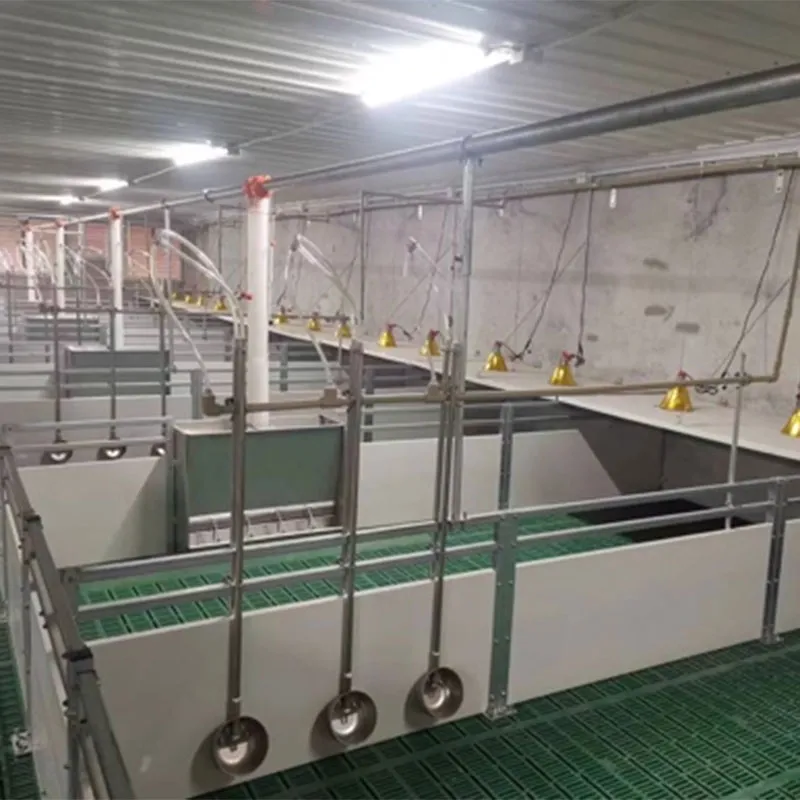
Steel Cattle Troughs: Why They Matter More Than You’d Think
You might not give much thought to a simple cattle trough — a vessel holding water or feed — but globally, the steel cattle trough plays an outsized role. It’s more than just a farm fixture; it’s a cornerstone of livestock welfare, water management, and agricultural efficiency. Understanding these troughs means appreciating a small but critical part of the global food supply chain, especially as industries grapple with sustainability and durability under tough conditions.
Global Context: The Growing Need for Robust Feeding Solutions
Cattle farming feeds billions and fuels economies worldwide, especially in countries like Brazil, India, and the United States. According to the Food and Agriculture Organization (FAO), livestock provides livelihoods for roughly 1.3 billion people. Yet, feeding and hydrating cattle efficiently is often overlooked—until a water source fails or troughs rust away mid-season.
Enter the steel cattle trough: a solution designed to withstand harsh environments, reduce contamination, and lower replacement frequency. With global climate shifts and rising droughts reported by the Intergovernmental Panel on Climate Change (IPCC), water conservation and animal welfare are urgent. Rust-resistant steel troughs help minimize water loss and keep nourishment uncontaminated—crucial for animal health and productivity.
Still, many farms struggle with troughs that crack, leak, or degrade. Robust steel models cut down maintenance hassles and improve animal growth — pretty critical if you're running a serious operation. You can find all kinds of materials out there, but steel’s properties often give it the edge.
What Exactly is a Steel Cattle Trough?
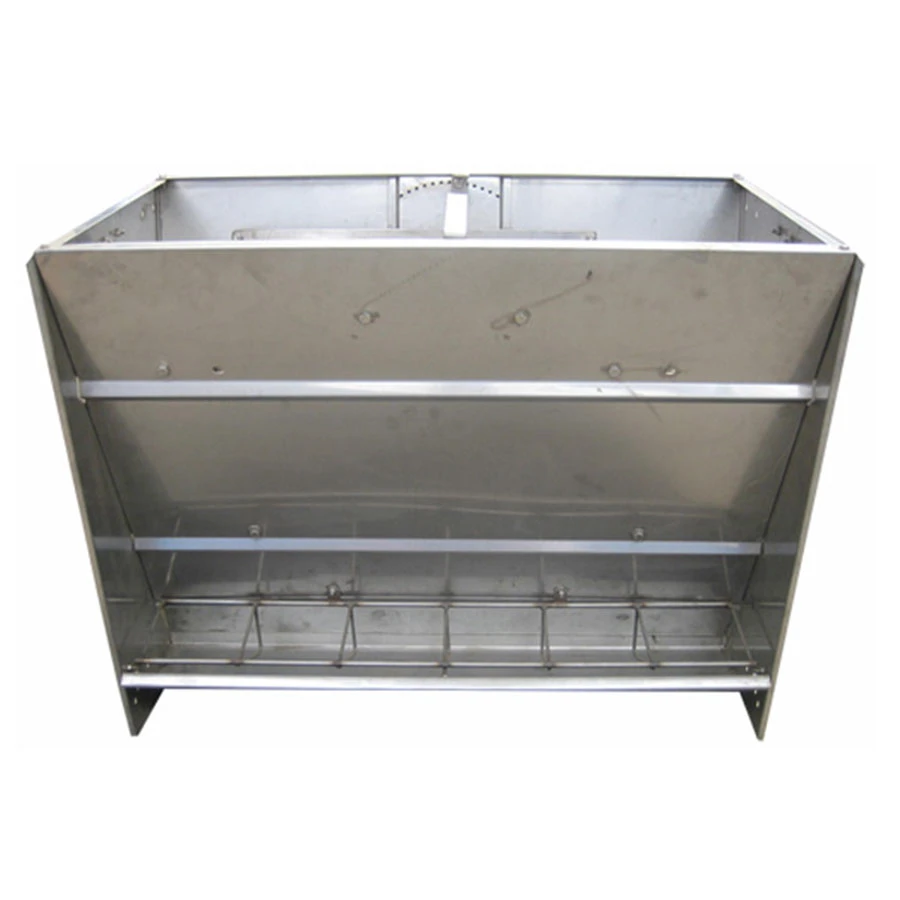
In the simplest terms, a steel cattle trough is a durable container, usually rectangular or oval, made from galvanized or stainless steel, designed to hold water or feed for cattle. These troughs may be freestanding or integrated into feeding stations. Think of them as the livestock’s “water fountain” — but built to endure outdoor abuse without short-circuiting when summer suns beat down or winter snows freeze the surface.
Modern steel troughs serve the dual purpose of providing a hygienic feeding solution and reducing disease spread among animals. The choice of steel over, say, wood or plastic often ties into longevity, ease of cleaning, and the environmental sustainability of reuse and recyclability.
Core Components Making Steel Cattle Troughs Essential
1. Durability
Steel naturally resists cracking and warping common in plastic or timber alternatives. Galvanized coatings defend against rust even when exposed to moisture, manure, or fertilizers. So farms don’t need to replace troughs every year — a cost and hassle saver.
2. Hygiene and Animal Health
Steel surfaces are easier to sanitize. Disease-causing bacteria don’t tend to harbor there as much, helping reduce livestock illnesses that hit productivity. Plus, steel edges can be smoothened to prevent injury, unlike rough wooden troughs.
3. Scalability and Customization
Manufacturers offer varied trough sizes and shapes to suit different herd scales — from a handful of cattle to enterprise feedlots. Some troughs come with modular add-ons like automated water feeders or insulation covers, which can boost water conservation.
4. Cost Efficiency Over Time
Initial investment in steel troughs tends to be higher than cheap plastic bins, yet their longer lifespan and reduced maintenance make them financially savvy choices in the long run.
5. Environmental Sustainability
Steel’s recyclability and resistance to degradation mean fewer replacements cluttering landfills; plus, it often uses fewer resources than wood trucks or single-use plastics.
Steel Cattle Trough in Action: Real Life Applications
Across continents, steel cattle troughs are a quiet backbone. In Australia’s vast beef pastures, tough steel troughs endure scorching heat and long droughts, helping ranchers maintain hydration schedules. Meanwhile, in smallholder farms in East Africa, NGOs like the FAO promote steel troughs for drought resilience programs—cutting livestock losses during dry spells.
Oddly enough, even in industrial zones like Alberta, Canada, where cattle feedlots are dense, operators rely on steel troughs integrated with automatic refill systems to save labor and boost water efficiency. Some innovative farms in Europe pair these troughs with solar-powered sensors for remote water-level monitoring—kind of a neat blend of traditional farming and tech.
For post-disaster relief too, mobile cattle units use steel troughs for temporary livestock shelters, facilitating quick setup and reliable animal care in fragile circumstances. That’s a crossover many don’t immediately consider.
Mini takeaway:
- Steel cattle troughs combine resilience and hygiene for livestock industries worldwide.
- They support water conservation amid climate challenges.
- Practical applications range from massive ranches to humanitarian relief.
The Long-Term Upside: Why Investing in Steel Pays Off
Beyond mere functionality, steel cattle troughs provide tangible advantages:
- Cost Savings: Less frequent replacements and repairs — good for budgets.
- Sustainability: Durable, recyclable materials reduce waste impact.
- Health and Safety: Reduced bacterial growth means healthier herds.
- Operational Efficiency: Modular, scalable designs adapt to farming needs.
- Animal Welfare: Reliable access to clean water safeguards growth and dignity.
Emotionally, ranchers often speak of peace of mind — knowing their herds won’t suffer dehydration or illness due to equipment failure. The connection between good livestock care tools and a farm’s reputation is stronger than you might think.
What’s on the Horizon? Innovations in Steel Cattle Troughs
The future of steel cattle troughs is leaning into sustainability and smart farming:
- Recycled and Eco-Steel: Some manufacturers now use higher percentages of recycled steel, reducing carbon footprints.
- Automated Water Monitoring: IoT-enabled troughs alert managers when water levels dip, cutting waste and labor.
- Solar-Powered Heating: Prevent water freezing in colder climates, aiding year-round usage.
- Design Innovations: New shapes improve accessibility for different cattle breeds and sizes.
Digital transformation isn’t just buzzwords here — it genuinely changes how farmers engage with livestock care.
Challenges and How to Overcome Them
Despite the many positives, steel troughs aren’t without hurdles:
- Initial Cost: Higher upfront investment can deter smaller farms.
- Weight and Portability: Steel troughs can be heavy, complicating transport.
- Corrosion Risk Without Proper Maintenance: Even galvanized steel needs regular care in salty or acidic environments.
Solutions? Leasing programs can ease financial burdens, and modular, lightweight designs are emerging for ease of handling. Protective coatings and regular inspections extend life. Knowledge sharing among farmers also spreads best maintenance practices.
FAQs About Steel Cattle Troughs
- Q1: How long does a typical steel cattle trough last?
- A1: With proper maintenance, galvanized steel troughs can last 10–20 years, far exceeding plastic alternatives. Regular cleaning and timely rust treatment maximize lifespan.
- Q2: Are steel cattle troughs suitable for all climates?
- A2: Yes, though in freezing climates, additional features like water heaters or insulation may be needed. Galvanized steel withstands diverse weather, from intense sun in Australia to cold Canadian winters.
- Q3: Can steel cattle troughs be customized?
- A3: Absolutely. Sizes, shapes, and add-ons (like automatic refill valves or sensor integration) can be tailored to herd size and farm conditions.
- Q4: Is maintenance complicated?
- A4: Not really. Regular washing and checking for rust spots are usually sufficient. Compared to wood, steel is less prone to cracks and pests.
Quick Look: Product Specification Table
| Feature | Specification | Notes |
|---|---|---|
| Material | Galvanized Steel or Stainless Steel | Corrosion resistant |
| Capacity | 100 - 1500 liters | Various sizes available |
| Dimensions | 1.2m x 0.6m x 0.4m (typical medium model) | Custom sizes upon order |
| Weight | 50 - 250 kg | Heavier than plastics |
| Lifespan | 10 to 20+ years | Depends on maintenance |
Comparing Leading Steel Cattle Trough Vendors
| Vendor | Material Type | Customization | Pricing | Geographic Reach |
|---|---|---|---|---|
| AquaTrough Inc. | Galvanized Steel | Full-size & add-ons | Mid-high | N. America, Australia |
| Steel Farm Supplies | Stainless Steel | Custom builds | High | Europe, Asia |
| RanchEquip Ltd. | Galvanized Steel | Standard sizes only | Budget | S. America, Africa |
Final Thoughts: Why You Should Care About Your Cattle’s Trough
Sure, it's easy to overlook something as basic as the container your cattle drink from, but the steel cattle trough quietly supports agricultural success and sustainability worldwide. It’s a small piece with a big role—helping farmers save money, improve animal health, and meet environmental goals.
If you’re exploring options for your farm or operation, consider how investing in quality steel troughs now can pay dividends later. For an expert selection of steel cattle trough solutions, and more information on specifications, durability, and modular features, you’ll want to visit the specialists. Because often, the right trough means the difference between mediocre herd health and thriving stock.
References:
Post time: Dec . 02, 2025