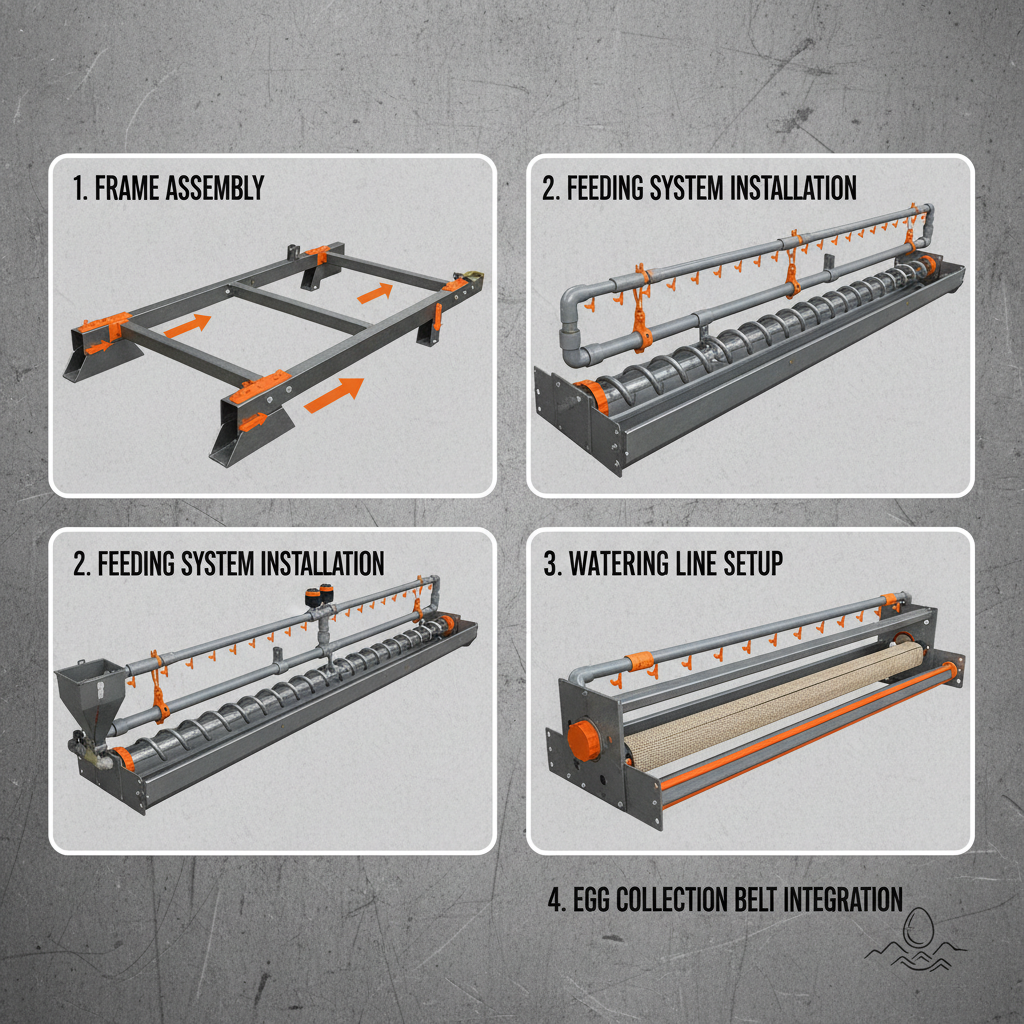
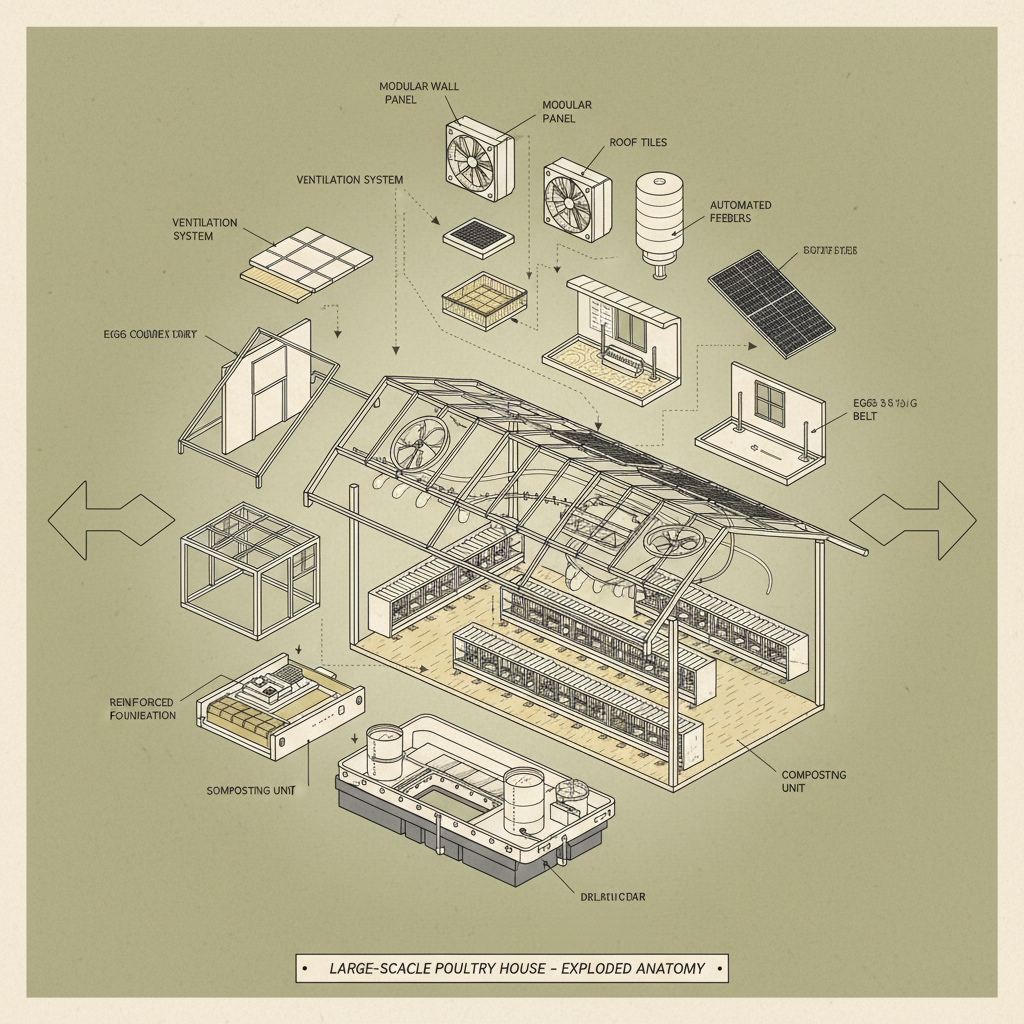
Establishing a successful livestock operation begins with a strategic investment in the right infrastructure. For those venturing into ovine husbandry, identifying the essential equipment needed for sheep farming is not merely about purchasing tools, but about creating an ecosystem that promotes animal welfare, optimizes growth rates, and reduces labor intensity. From precision feeding systems to hygienic flooring, the quality of your equipment directly correlates with the health of your flock and the profitability of your farm.
Globally, the demand for high-quality mutton and wool has pushed the industry toward intensification. This shift necessitates a move away from rudimentary shelters toward engineered solutions. Modern equipment needed for sheep farming now integrates materials like galvanized steel and reinforced polymers to withstand the corrosive nature of livestock waste while ensuring the structural integrity of the penning systems.
Understanding the synergy between different components—such as how an automatic feeding system works in tandem with a specialized flooring layout—allows farmers to scale their operations efficiently. By focusing on ergonomic design and sustainable materials, producers can mitigate the risks of disease outbreaks and improve the overall quality of life for their livestock, ensuring long-term viability in a competitive global market.
Global Relevance of Equipment Needed for Sheep Farming
The global livestock sector is currently facing an unprecedented challenge: meeting the rising protein demand of a growing population while adhering to stricter animal welfare standards. According to data trends from the FAO and World Bank, the efficiency of meat production is heavily dependent on the adoption of standardized technology. The specialized equipment needed for sheep farming plays a pivotal role in this transition, enabling farmers to move from extensive grazing to semi-intensive or intensive systems that maximize yield per acre.
In regions like Oceania, Central Asia, and parts of Africa, the lack of professional-grade penning and feeding systems often leads to high lamb mortality and inefficient feed conversion. By implementing industrial-grade solutions, such as automatic feeding systems and hygienic flooring, producers can significantly reduce the incidence of hoof rot and respiratory infections, which are common in poorly equipped facilities.
Defining Modern Infrastructure for Ovine Husbandry
When we discuss the equipment needed for sheep farming, we are referring to a comprehensive suite of hardware designed to manage the lifecycle of the sheep—from lambing and weaning to fattening and shearing. This includes everything from the structural boundaries of the Pen and Stall systems to the precision delivery mechanisms of Feed Silos and Automatic Feeding Systems.
Modern sheep farming equipment is no longer just about "keeping animals contained." It is about environmental control and health management. For instance, the integration of Steel Grating Floors or PVC Flooring is designed to facilitate waste removal, keeping the animals dry and reducing the pathogen load in the environment, which is a critical requirement for modern biosecurity.
Ultimately, this infrastructure serves a humanitarian and economic purpose: ensuring food security through sustainable agriculture. By utilizing professional livestock breeding water bowls and specialized feeding troughs, farmers ensure that every animal has equitable access to nutrition, thereby reducing competition-induced stress and improving the overall quality of the livestock.
Core Components of High-Efficiency Sheep Gear
Durability is the cornerstone of any investment in equipment needed for sheep farming. Given the acidic nature of livestock waste and the physical wear and tear from animals, the use of hot-dipped galvanized steel and high-density polymers is essential. This ensures that the pens and feeding systems do not corrode over time, reducing the frequency of costly replacements.
Scalability allows a farming operation to grow without requiring a complete overhaul of its existing setup. Modular equipment needed for sheep farming, such as expandable Crate and Stall units and interconnecting feed lines, enables producers to increase their flock size incrementally, ensuring that capital expenditure remains aligned with revenue growth.
Cost efficiency is achieved not through the cheapest initial purchase, but through the lowest total cost of ownership. Precision equipment, such as Dry and Wet Feeders, minimizes feed wastage—which can account for a significant percentage of operational losses—and reduces the man-hours required for manual feeding, thereby optimizing the labor-to-livestock ratio.
Practical Applications in Diverse Climates
The implementation of equipment needed for sheep farming varies significantly based on geographical constraints. In arid regions of the Middle East or Australia, the focus is often on water conservation and heat stress management, where automatic water bowls and ventilated housing are prioritized to maintain hydration and prevent heatstroke.
Conversely, in the colder climates of Northern Europe or Canada, the priority shifts to insulation and moisture control. Here, the use of specialized flooring like Steel Grating is crucial to prevent the accumulation of damp bedding, which can lead to pneumonia in lambs. These systems allow waste to fall through, keeping the livestock on a dry surface even during heavy winter feeding periods.
Performance Rating of Various Equipment Needed for Sheep Farming
Tangible Advantages and Long-Term Value
Investing in professional-grade equipment needed for sheep farming delivers immediate tangible benefits in terms of labor reduction. Automation in feeding and watering means that a single operator can manage a significantly larger flock without compromising on individual animal care. This operational efficiency directly boosts the bottom line by lowering the overhead costs per head of livestock.
Beyond the numbers, there is a profound emotional and ethical value in providing a safe, clean, and stress-free environment for animals. High-quality penning and flooring systems prevent injuries and reduce the stress associated with overcrowding. This not only aligns with global animal welfare certifications but also results in a higher quality of meat and wool, as stressed animals typically produce lower-grade yields.
Future Trends in Livestock Automation
The future of equipment needed for sheep farming is leaning heavily toward the "Smart Farm" concept. We are seeing the integration of IoT (Internet of Things) sensors within feeding troughs and water bowls to monitor consumption patterns in real-time. This allows farmers to detect illness in a specific animal days before physical symptoms appear, based solely on a drop in feed or water intake.
Sustainability is also driving innovation in material science. The next generation of flooring and penning is moving toward fully recyclable composites that offer the same durability as galvanized steel but with a lower carbon footprint during production. These green materials are becoming a requirement for farms seeking organic or sustainable certifications.
Furthermore, the rise of precision nutrition is transforming the Feed System. Automated dispensers can now deliver customized nutrient mixes based on the growth stage of the sheep, ensuring that lambs get the protein they need for growth while fattening sheep receive the caloric intake necessary for optimal marbling, all while minimizing nutrient runoff into the environment.
Overcoming Common Operational Challenges
One of the most persistent challenges in sheep farming is the management of foot health and parasite loads. Traditional earthen floors often harbor bacteria and moisture, leading to foot rot. The expert solution is the implementation of specialized equipment needed for sheep farming such as plastic or steel slatted flooring, which separates the animals from their waste and keeps the hoofs dry.
Another common bottleneck is the inefficiency of manual feed distribution, which often leads to feed segregation where dominant animals overeat and weaker ones are malnourished. By adopting automated feed systems and specifically designed feeding troughs, farmers can ensure a uniform distribution of feed, promoting a more consistent growth rate across the entire flock.
Lastly, the initial capital investment can be a barrier for small-scale farmers. The solution lies in a modular approach—starting with essential water and feeding components and gradually expanding into full penning systems as the business scales. This phased investment strategy allows the farm's own growth to fund its technological upgrades.
Core Technical Analysis of Sheep Farming Equipment Categories
| Equipment Category |
Primary Function |
Durability Score (1-10) |
Maintenance Need |
| Automatic Feeding System |
Precision nutrition delivery |
8 |
Moderate |
| Steel Grating Floor |
Waste drainage & hygiene |
10 |
Low |
| Feed Silo |
Bulk storage & protection |
9 |
Low |
| Water Bowls |
Constant hydration access |
7 |
High (Cleaning) |
| Pen and Stall Units |
Animal containment & safety |
9 |
Low |
| PVC Flooring |
Comfort & easy cleaning |
7 |
Moderate |
FAQS
For beginners, the priority should be a combination of secure penning (Pen and Stall) and a reliable watering system (Livestock Breeding Water Bowls). These ensure basic safety and health. Once the basic containment is established, investing in a quality feeding trough or a small-scale automatic feeder is the next step to ensure consistent growth and reduce daily labor.
It depends on the goal. Steel grating is superior for waste drainage and preventing hoof rot because it keeps the animals completely separated from excrement. PVC flooring is often better for lambing areas or nurseries where comfort and warmth are higher priorities than maximum drainage. Most professional farms use a hybrid approach depending on the age of the sheep.
Automatic systems reduce costs in two ways: labor and waste. By automating the delivery of feed, you eliminate hours of manual hauling. More importantly, these systems prevent "feed sorting" and spillage, ensuring that expensive nutrients are actually consumed by the animals rather than ending up on the floor, significantly improving the feed conversion ratio (FCR).
While some general items like large feed silos might work, most cattle equipment is too large and heavy for sheep. Sheep require specific dimensions for their crates and stalls to prevent them from getting stuck or injured. It is highly recommended to use dedicated sheep farming equipment to ensure the animals' safety and the efficiency of the feeding mechanisms.
High-quality hot-dipped galvanized steel is designed to last 15-25 years depending on the environment. In highly corrosive environments (like coastal areas or high-ammonia pens), regular cleaning and occasional touch-ups of the zinc coating can extend this lifespan. It is a far more sustainable investment than timber or low-grade plastics.
Look for silos that offer airtight seals to prevent moisture ingress and mold growth. Additionally, ensure the silo is compatible with your delivery system (gravity-fed or auger-fed). A silo with a clear sight-gauge for monitoring feed levels is also a huge operational advantage, preventing unexpected stock-outs.
Conclusion
Integrating professional equipment needed for sheep farming is the most effective way to transition from a subsistence-based operation to a commercially viable enterprise. By focusing on the synergy between hygienic flooring, precision feeding systems, and durable penning, farmers can drastically reduce animal mortality, optimize growth cycles, and lower their daily operational stress. The investment in high-quality materials like galvanized steel and automated technology pays for itself through improved yields and reduced labor costs.
As the industry moves toward a future of smart farming and sustainable agriculture, the adoption of modular and automated systems will become the standard for competitiveness. We encourage producers to assess their current bottlenecks—whether it be feed waste or hoof health—and implement targeted equipment upgrades. For a comprehensive range of professional livestock solutions, visit our website: www.cxlivestock.com