What’s a Metal Hog Feeder and Why Should You Care?
If you’re into livestock management or even just curious about how modern farming and feeding systems work, you’ve probably stumbled upon the term metal hog feeder. At first glance, it sounds like a niche product—but, honestly, it represents an essential piece in the global agricultural puzzle. Why? Because effective hog feeding solutions impact food security, animal welfare, and the economics of swine production worldwide. The right feeder can mean healthier pigs, less waste, and ultimately a better return on investment for farmers. Globally, pork is one of the most widely consumed meats. The UN’s Food and Agriculture Organization (FAO) notes pigs represent over a third of global meat consumption. That’s a lot of hogs needing quality feeders. Metal hog feeders, in particular, are becoming go-to tools thanks to durability and effectiveness in diverse farming contexts, from small family farms in Southeast Asia to large-scale operations in Europe. In a nutshell: understanding metal hog feeders is more than just a farming curiosity. It’s about grasping a small but important cog in the massive global food machine. And the better you understand these feeders, the better prepared you are to handle challenges like feed wastage, contamination, and animal stress that seriously hinder farming profits. ---The Big Picture: How Metal Hog Feeders Matter Globally
You might wonder, “Is a metal hog feeder really that important globally?” Well, it turns out yes. Farming systems worldwide face mounting pressure—growing populations demand more meat, but there’s also a stronger call for sustainability and better animal welfare standards. The World Bank estimates the global pork market to reach $315 billion by 2025, so optimizing feeding technology plays a major role. However, many regions struggle with inefficient feeders that cause feed wastage, uneven nutrition, and contamination risks—resulting in lower growth rates and profitability. Metal hog feeders help address these problems by offering robustness and hygiene, which ultimately improves feed conversion ratios (how efficiently pigs turn feed into body mass). In poorer or more remote farming communities, having feeders that last through tough weather and rough handling means less downtime and fewer costs repairing equipment or throwing away spoiled feed. Organizations like the International Livestock Research Institute have championed such durable tools to uplift livelihoods. So, on a global scale, metal hog feeders help farmers navigate the tightrope between feeding millions effectively without breaking the planet or their budgets. ---What Exactly Is a Metal Hog Feeder?
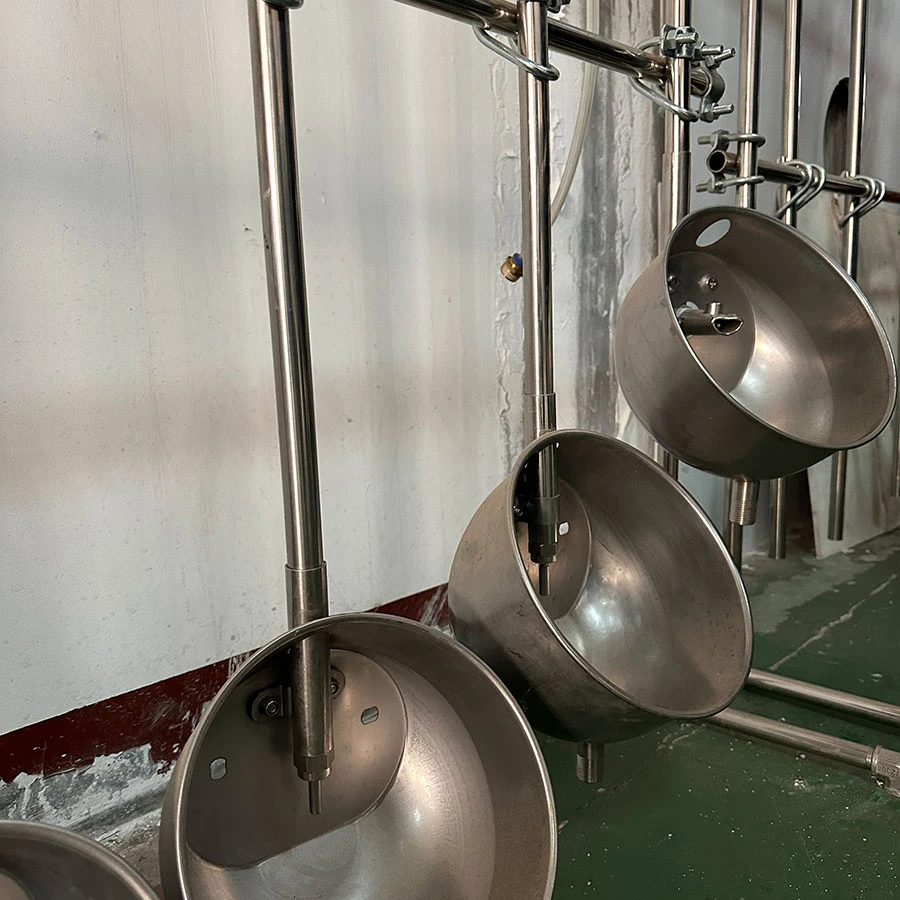
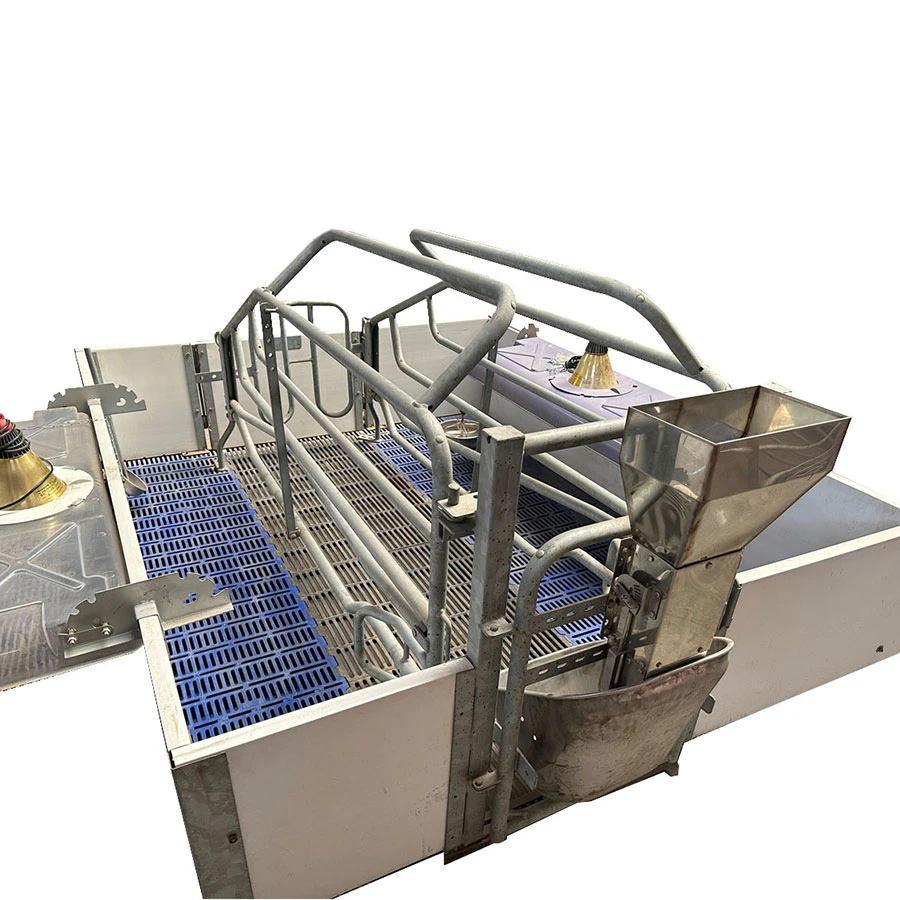
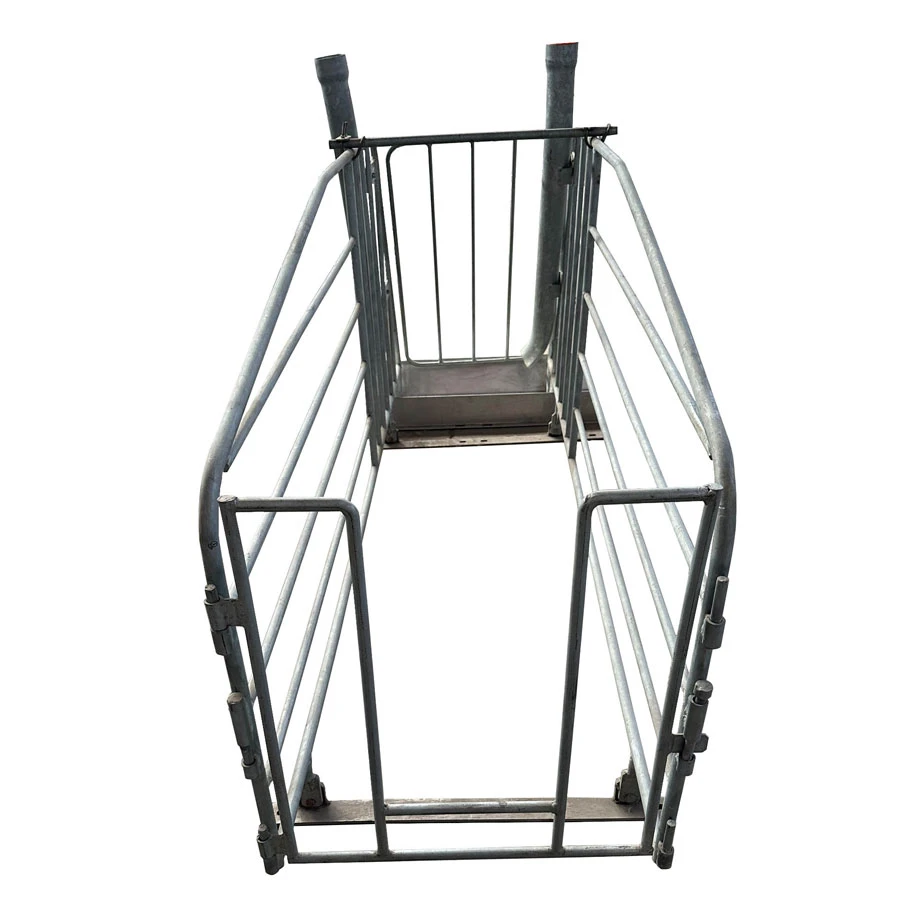
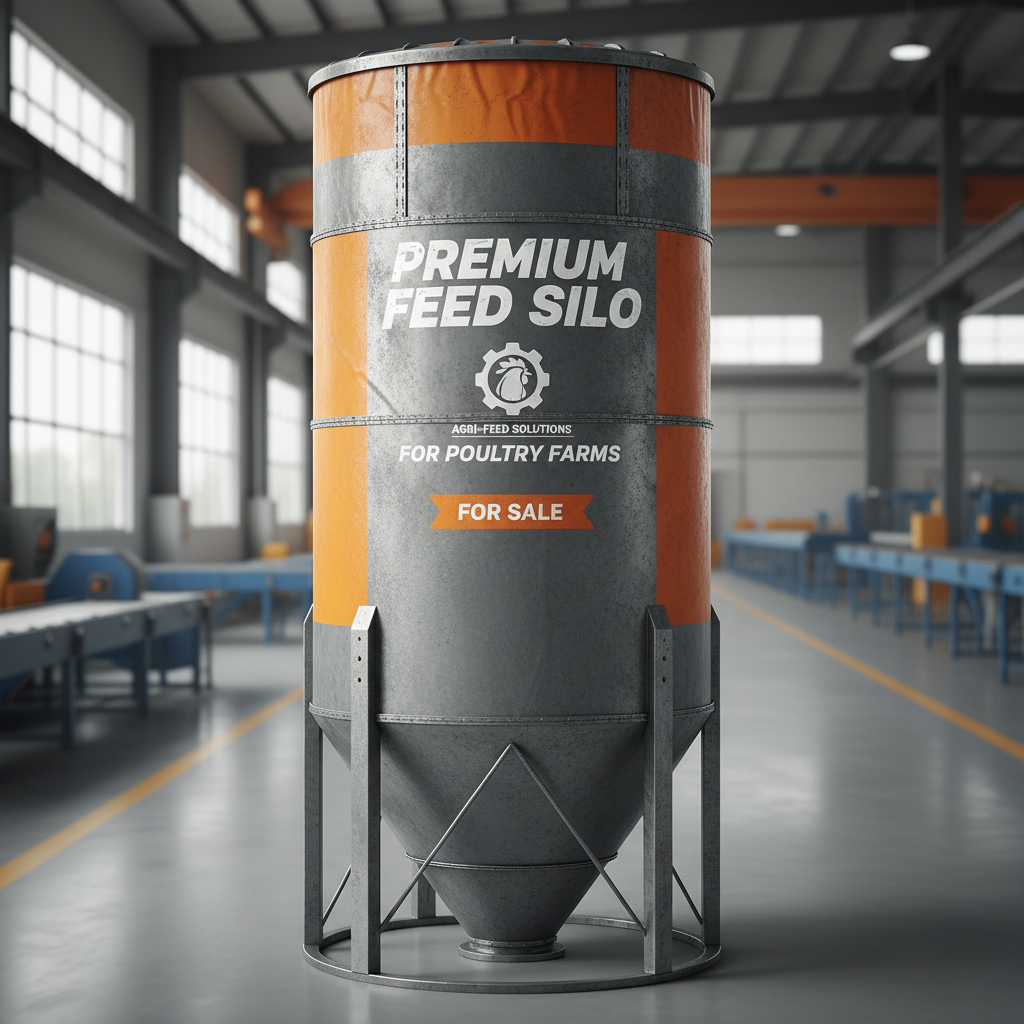
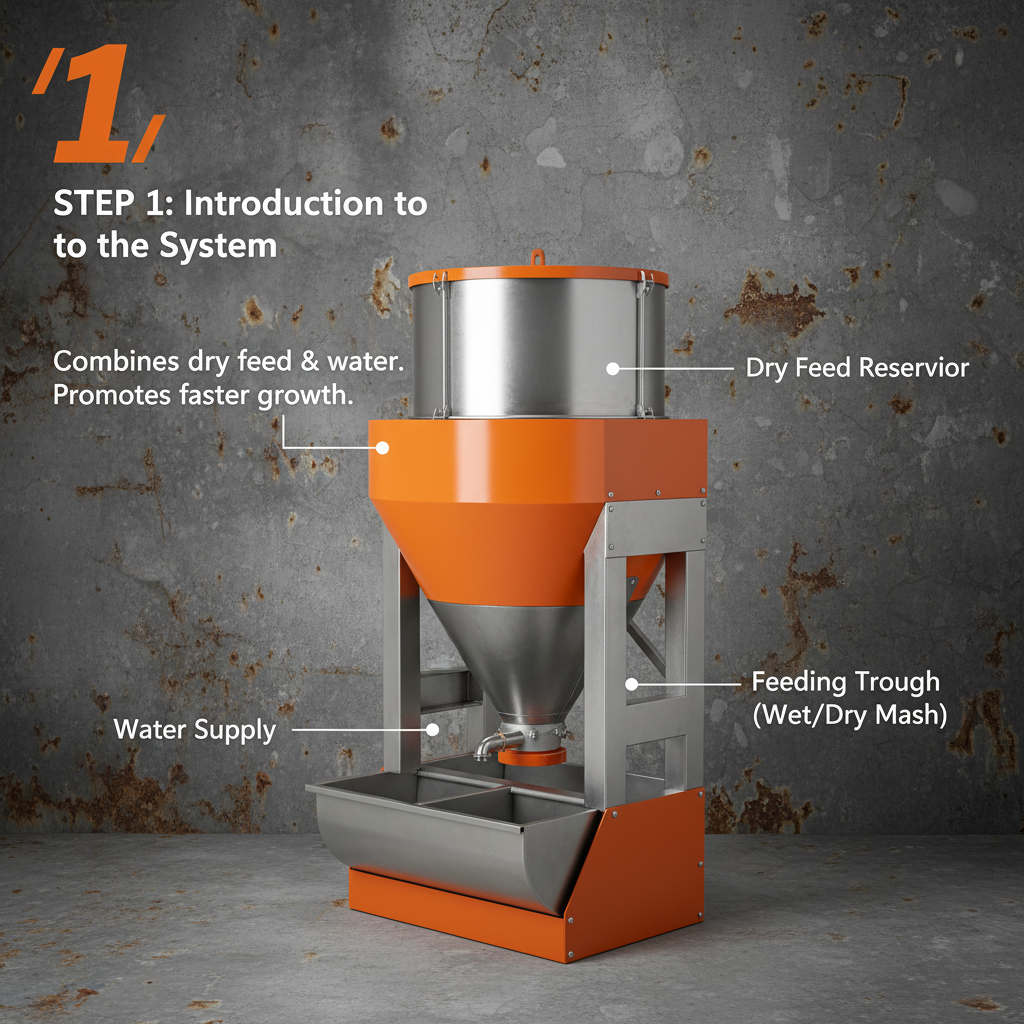
Let’s strip it down to fundamentals. A metal hog feeder is exactly what it sounds like: a feeding trough, bin, or dispenser built mainly from durable metals (usually galvanized steel or aluminum) designed specifically for swine. Unlike plastic or wood options, these metal feeders resist corrosion, are easy to sanitize, and can withstand heavy use. Typically, they consist of:- A feed hopper or bin that holds dry feed
- A feeding trough accessible by pigs
- Optional features like adjustable gates to control feeding portions or prevent pig fighting
Key Features That Make Metal Hog Feeders Tick
Durability
These feeders are built to last. Metals such as galvanized steel resist rust and rot, standing up to tough outdoor conditions better than wood or plastic. Many farmers remark that their metal hog feeders last 5–10 years with minimal maintenance, which feels like a solid investment.Hygiene
Disease management is critical in hog operations. Metal surfaces are non-porous and easy to clean or disinfect, reducing pathogen build-up. This characteristic directly improves herd health and productivity.Feed Efficiency
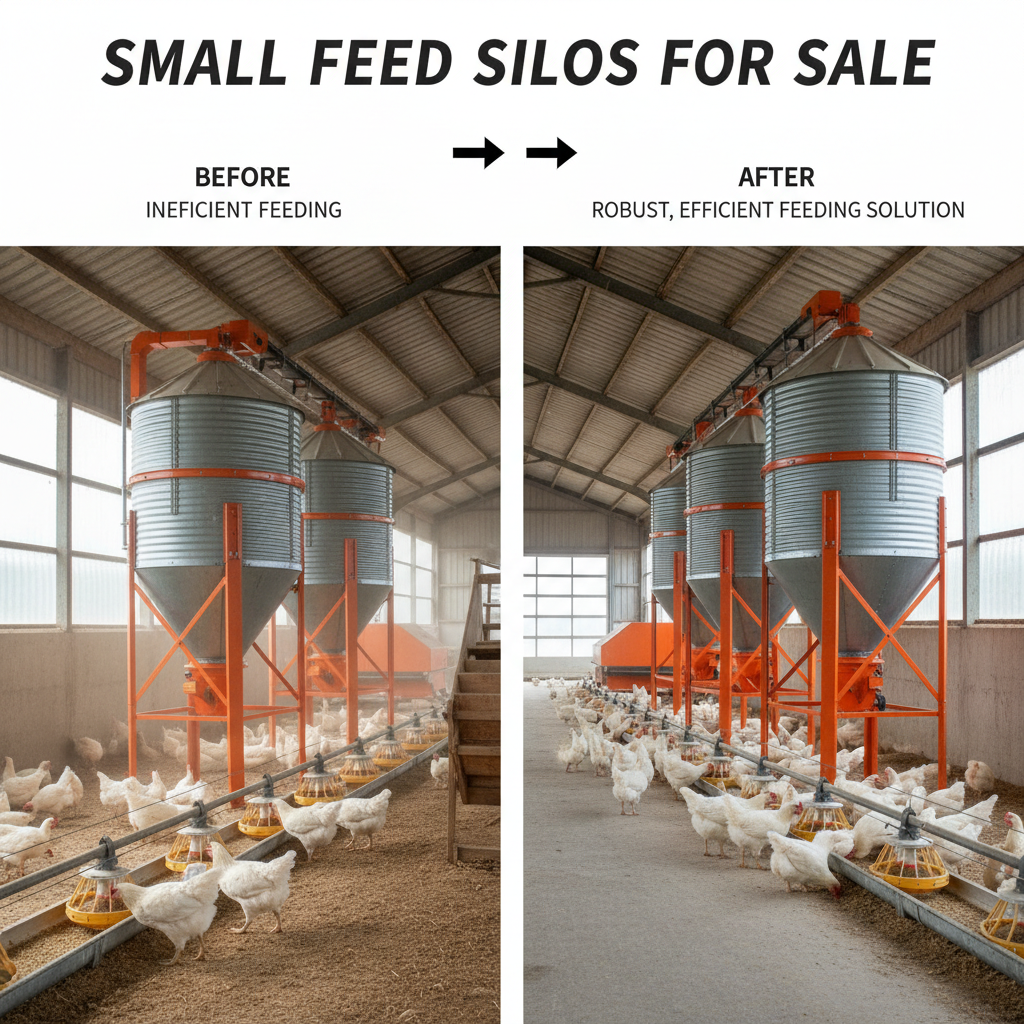
Well-designed metal feeders minimize feed spillage, which might seem trivial but costs real money. By reducing feed wastage, farmers get better feed conversion ratios — meaning they feed fewer kilos for every kilo of weight gain.Scalability & Adaptability
Available in multiple sizes and shapes, metal feeders work in everything from backyards to industrial farms. Plus, many models support adding features like electronic feed dispensing or weatherproof covers.Cost Effectiveness
While upfront costs might be higher than plastic or wooden feeders, the long-term durability and efficiency often save money. Maintenance requirements are low, and fewer feed losses add up. ---Metal Hog Feeder Uses: From Local Farms to Global Relief Efforts
The versatility of metal hog feeders means they’re found all over the world, in various avatars and settings:- Smallholder farms: In Southeast Asia, metal feeders allow family-run pig farms to raise healthier hogs efficiently while coping with humid, harsh weather.
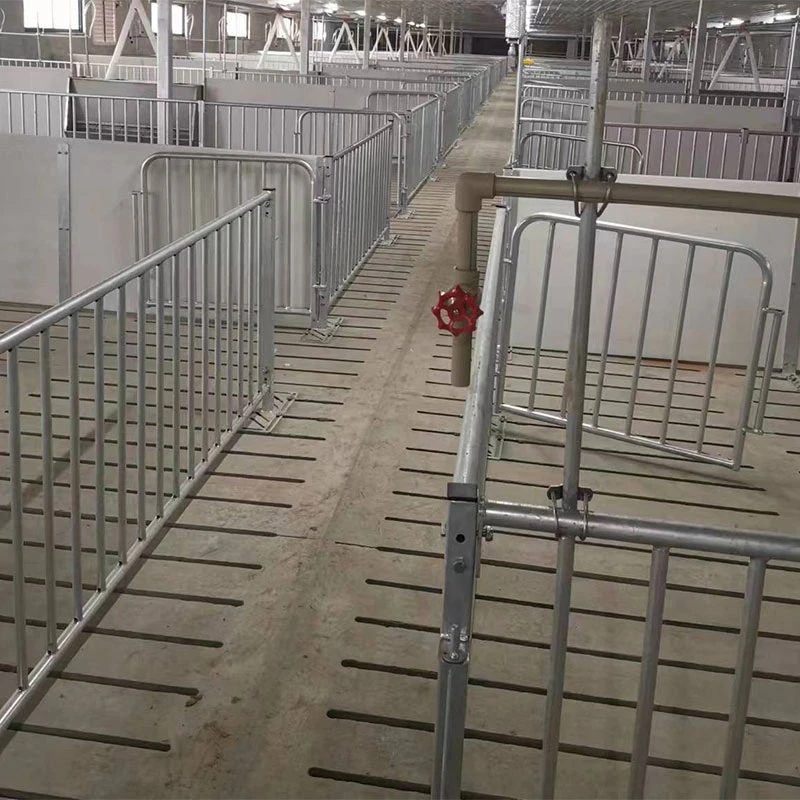
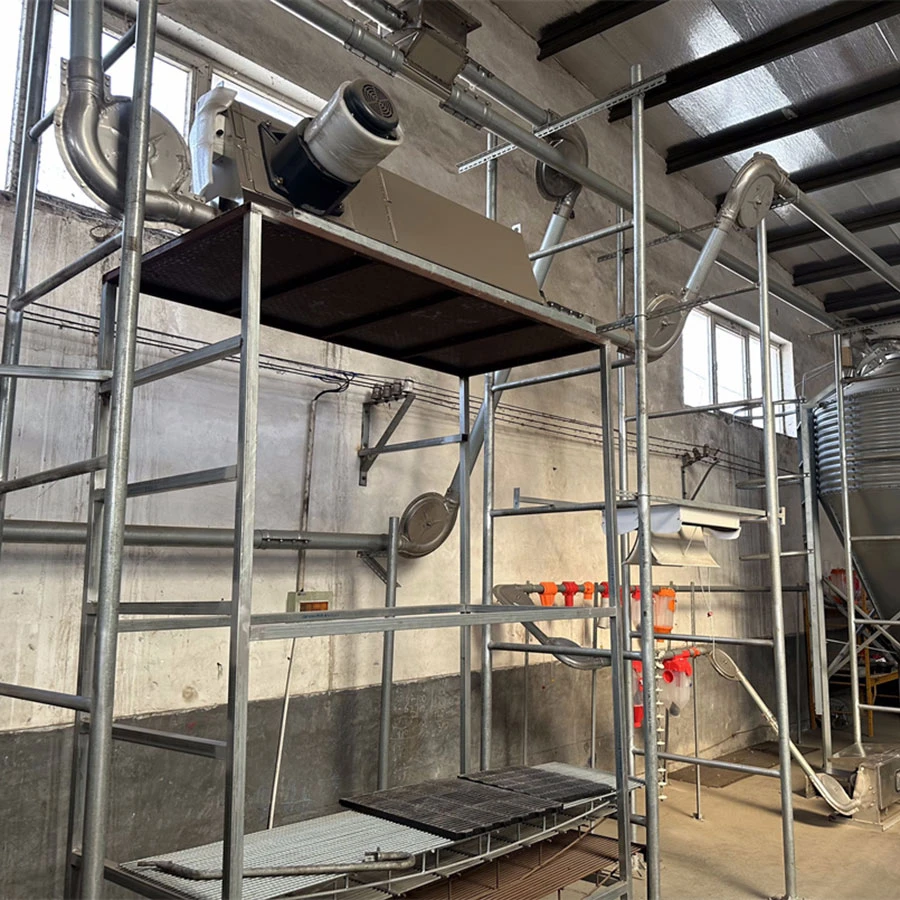
- Commercial pig production: Europe's industrial farms use automated metal feeders integrated with precision farming systems for bulk feed delivery and monitoring.
- Emergency aid: In disaster zones where farming systems are disrupted, NGOs deploy portable metal feeders to help displaced farmers get back on their feet with secure animal nutrition.
- Research & innovation centers: Agricultural universities and livestock centers test various metal feeder designs for improved behavior management—say, reducing aggressive feeding competition amongst hogs.
Why Metal Hog Feeders Are Often the Best Long-Term Bet
I’ll admit, sometimes shiny new tech grabs headlines, but in pig farming, you want reliability more than the next big thing. Metal hog feeders check many boxes:- Save money: Less feed waste and fewer feeder replacements.
- Enhance animal welfare: Cleaner feed reduces illness and stress.
- Support sustainability: Durable products mean less waste, fewer plastics.
- Build trust: Farmers feel more secure knowing feeders won’t fail mid-cycle or rust away.
- Innovate safely: Stay open to upgrades (automation, IoT monitoring).
Looking Ahead: Innovations Shaping Metal Hog Feeders
The future feels exciting. Imagine feeders equipped with sensors that track feed consumption patterns or alert farmers when refilling is needed. Solar-powered lighting or automated gates are gaining traction too. Plus, new eco-friendly metal coatings promise improved corrosion resistance without harmful chemicals. In the spirit of sustainability, some vendors experiment with lighter alloys or hybrid materials that keep durability without the weight or cost penalty. There’s also talk about “smart” feeders connected to farm management apps that blend animal husbandry with digital agriculture. Clearly, metal hog feeders aren’t stuck in the past—they’re evolving alongside industry digitization and the green energy push. ---Common Challenges and How to Tackle Them
Of course, no system is perfect. Some common issues with metal hog feeders include:- Initial cost: Higher upfront investment might discourage smallholders.
- Weight and portability: Metal feeders can be heavy and harder to move frequently.
- Corrosion concerns: If coatings fail, rust can develop, requiring maintenance.
- Pig aggression at feeding stations: Some designs don’t prevent hogs from bullying each other.
Product Specifications — Example Metal Hog Feeder Model
| Specification | Details |
|---|---|
| Material | Galvanized Steel with Powder Coating |
| Capacity | 120 kg feed hopper |
| Dimensions | 120 cm (L) x 60 cm (W) x 90 cm (H) |
| Weight | 30 kg |
| Feeding Slots | 6 adjustable openings |
| Additional Features | Feed level indicator, anti-waste lip |
Vendor Comparison: Top Metal Hog Feeder Models
| Brand | Material Quality | Capacity | Price Range | Best Use |
|---|---|---|---|---|
| FarmStrong™ Pro | Galvanized Steel + Powder | 100-150 kg | $$$ | Commercial Farms |
| HogEase Basic | Aluminum Alloy | 80-120 kg | $$ | Small to Mid-Size Farms |
| RoughTough XL | Heavy-Gauge Steel | 150-200 kg | $$$$ | Large Industrial Operations |
| EcoFeed Modular | Recycled Steel Composite | 60-100 kg | $$ | Eco-Friendly Small Farms |
FAQs About Metal Hog Feeders
Q1: How do metal hog feeders reduce feed wastage compared to plastic ones?
Metal feeders are typically heavier and designed with anti-waste lips and adjustable feeding slots, which prevent pigs from scattering feed. Their sturdiness also avoids tipping or damage that can occur with lighter plastic units, thus significantly reducing waste.
Q2: Are metal hog feeders suitable for outdoor use in humid or rainy climates?
Yes, feeders made of galvanized or powder-coated steel resist rust and corrosion. Proper maintenance, such as regular cleaning and inspection, further extends their life, making them ideal for harsh outdoor environments.
Q3: Can metal hog feeders be integrated with automated feeding systems?
Many modern metal feeders come with options to attach sensors or timed release mechanisms, allowing automation. This can help optimize feeding schedules, reduce labor, and improve feeding consistency.
Q4: What maintenance does a metal hog feeder require?
Routine cleaning to prevent feed residue buildup, checking for rust spots, and ensuring moving parts (if any) function smoothly are the basics. With sturdy construction, maintenance tends to be minimal compared to alternatives.
Q5: Are metal hog feeders environmentally friendly?
Indeed, their long lifespan reduces waste, and using recyclable metals decreases environmental impact. Some models also employ eco-friendly coatings, supporting sustainable farming practices.
---Wrapping Up: Why a Metal Hog Feeder Deserves Your Attention
So here’s the takeaway, in case you’re skimming—or just want to know what really matters: investing in high-quality metal hog feeders is a practical, cost-effective, and sustainable choice for pig farmers worldwide. It boosts animal health, reduces feed losses, and supports growing demands in a way that feels sort of essential as the world pushes toward smarter, greener agriculture. Want to dive deeper or explore options? Check out our range of metal hog feeder products designed for every kind of operation—from the homestead to the high-tech commercial farm. ---References
Post time: Dec . 02, 2025