Understanding Metal Feed Troughs for Cattle: Why They Matter
Metal feed troughs for cattle might sound like an unassuming topic, but in the grand scheme of global agriculture and livestock management, they’re actually pretty crucial. Essentially, these troughs serve as the direct interface where animals get their nutrition, which makes their design, durability, and availability a big deal worldwide. When you think about feeding millions of cattle efficiently, safely, and sustainably, these metal troughs suddenly look like unsung heroes of food production systems.
Why the fuss? Because efficient feeding directly affects growth rates, health, and ultimately, the economic outcomes of farming and ranching—two pillars that support livelihoods around the world. According to FAO, global cattle production is expected to keep rising for decades, especially in emerging markets. So understanding the benefits and best uses of metal feed troughs for cattle is no longer a local issue — it’s global.
The Global Context: Feeding Millions With Metal Feed Troughs
Livestock farming accounts for a significant slice of the global agricultural GDP — estimates from the World Bank show it’s roughly 40% in many developing countries. Managing feed efficiently is a big challenge here. Traditional wooden or earthen troughs often suffer from weather damage, pest infestation, and rapid wear, which leads to food waste and poor hygiene.
Metal feed troughs for cattle, in contrast, offer better durability and can be molded or customized for specific needs, which solves a huge aspect of this problem. This means less feed is wasted, cleaner feeding conditions prevail, and cattle gain weight and stay healthy more consistently — all of which feed into bigger economic and environmental benefits.
What Exactly Are Metal Feed Troughs for Cattle?
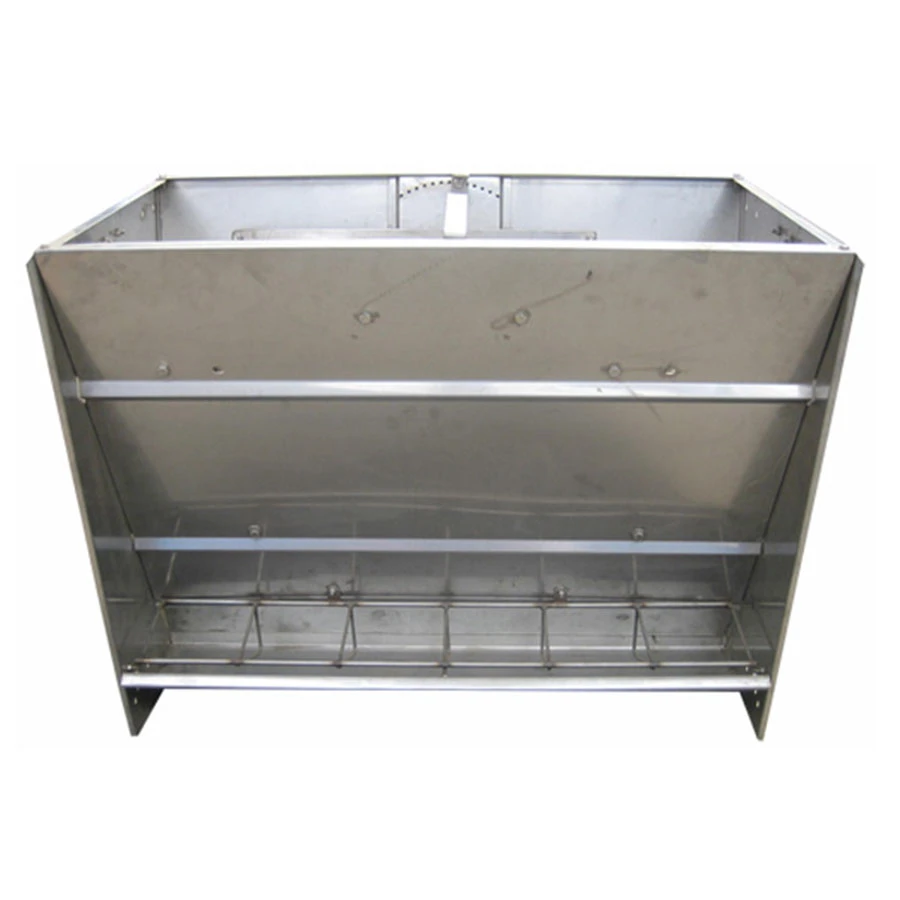
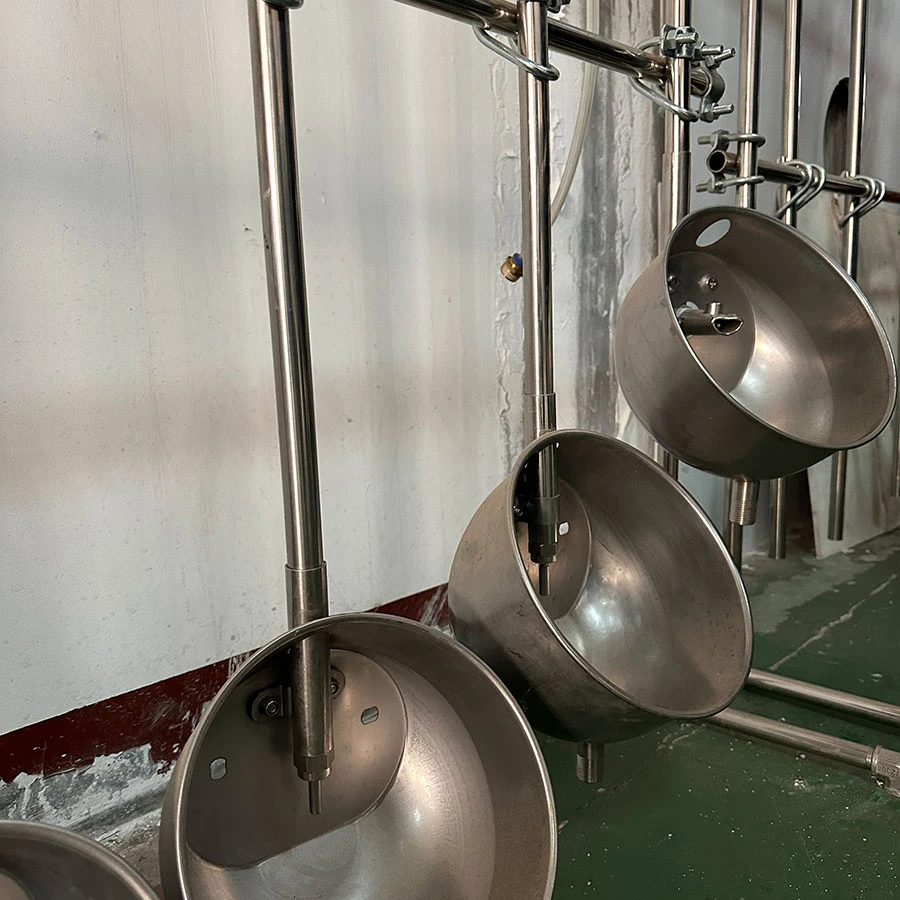
At heart, these feed troughs are durable containers made mainly from steel or aluminum alloys designed to hold and dispense food to cattle. They vary widely: some are simple rectangular or oval basins, while others have compartments or drainage features. They’re part of the broader infrastructure for modern livestock care — bridging the gap between supply chain logistics and on-farm feed delivery.
You could say they represent a small but vital cog in the massive machine of global food security. Whether it’s a family farm in Kansas or a commercial ranch in Brazil, these metal troughs help ensure animals get consistent, clean access to nutrition.
Core Components: What Makes a Good Metal Feed Trough for Cattle?
Durability
One of the standout features is of course durability. Metal troughs resist chewing, rough weather conditions, and corrosion, especially when galvanized or powder-coated. It’s no surprise that many engineers insist on corrosion-resistant coatings—because a rusted trough in the middle of a muddy field is a lose-lose.
Maintenance & Hygiene
Hygiene matters, seriously. Metal surfaces don’t absorb moisture or harbor bacteria as much as wood, plus they’re generally easier to clean. This reduces infection risk for cattle — which means improved longevity and better returns for farmers.
Scalability & Customization
From a smallholding needing just one trough, to an industrial operation requiring hundreds, metal feed troughs can be custom-sized and designed. Features like modular sections or feed guards adapt them to specific breeds or feeding regimes.
Cost Efficiency
While metal troughs might cost more than cheaper plastic or wood initially, their lifespan and reduced waste basically pay off in the long run. Imagine fewer trips replacing broken troughs and less wasted feed piling up on the dirt.
Mini Takeaway:
Choosing the right metal feed trough balances strength, hygiene, and cost in a way that can directly influence cattle health and farm profitability.
Where Are Metal Feed Troughs for Cattle Making the Biggest Impact?
Reading the headlines, one might think these troughs belong mostly in industrial-scale operations — but their use actually spans the globe. In sub-Saharan Africa, NGOs implement metal feed trough projects as part of livestock rehabilitation programs after droughts. On the other hand, in Australia’s remote ranches, rugged metal troughs are critical for surviving harsh outback conditions.
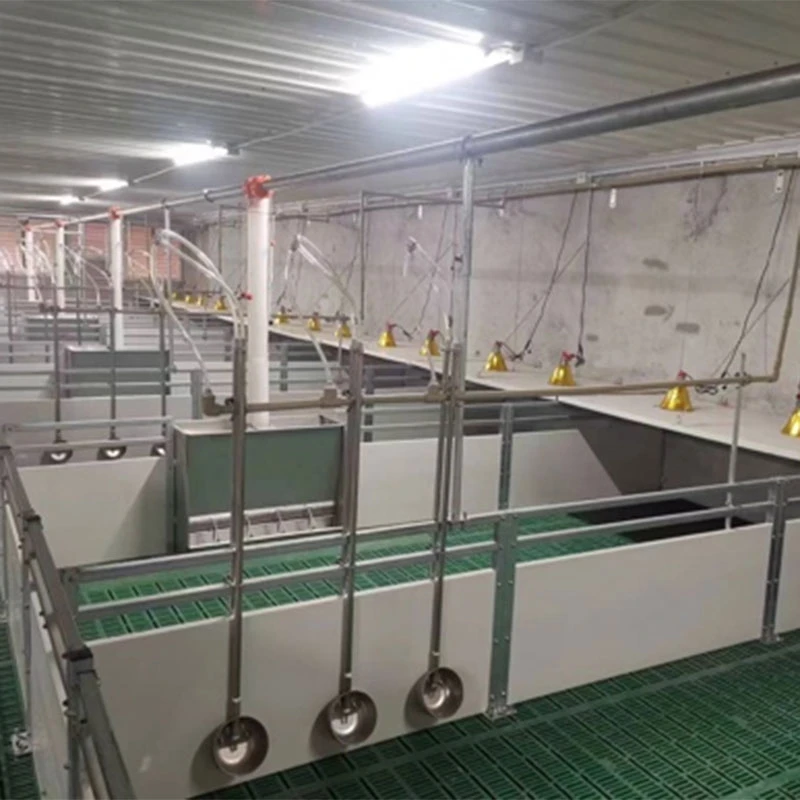
Large meat producers in North America and Europe are investing in automated feeding systems where metal troughs are integrated with sensor tech to monitor feed levels and cattle health remotely. Essentially, metal troughs are bridging the gap between low-tech traditional methods and the digital future of farming.
Product Specification Table: Typical Metal Feed Troughs for Cattle
| Feature | Specification |
|---|---|
| Material | Galvanized steel / Aluminum alloy |
| Dimensions (typical) | 100 cm × 50 cm × 40 cm (L×W×H) |
| Weight | 15 - 20 kg, depending on size |
| Coating | Powder coating or hot-dip galvanizing |
| Feeding Type | Dry feed, silage, mixed rations |
| Additional Features | Drainage holes, anti-waste feed edges |
Comparing Top Vendors of Metal Feed Troughs
| Vendor | Material Quality | Customization Options | Price Range (USD) | Warranty |
|---|---|---|---|---|
| AgriMetals Inc. | High-grade galvanized steel | Full size/custom shape | $150 - $300 | 5 years |
| RanchMate Solutions | Aluminum alloy, powder coated | Modular units, multi-compartment | $180 - $350 | 3 years |
| Livestock Essentials | Hot-dip galvanized steel | Standard sizes only | $120 - $220 | 2 years |
Why Are Metal Feed Troughs Worth It? The Long-Term Advantages
Investing in these troughs means less downtime and fewer replacements. That alone boosts productivity. Plus, because they're easier to sanitize, cattle stay healthier, meaning fewer disease outbreaks — a big plus emotionally, especially for farmers who feel deeply responsible for their herds. There's also a sustainability angle: less wasted feed and longer-lasting products means lower environmental footprints.
I find it interesting how trust in feed delivery infrastructure indirectly cultivates trust between farmer and consumer — quality control starts right here.
Looking Ahead: Innovations in Metal Feed Troughs for Cattle
No surprise that modern tech is creeping in. Some manufacturers now integrate sensors to track feed levels and alert if cattle aren’t eating well — a subtle nudge that revolutionizes animal welfare monitoring. There’s also a push for greener materials and coatings that are less harmful to the environment or easier to recycle.
Automation, like motorized feed dispensers linked to metal troughs, isn’t just sci-fi anymore — it’s edging into mainstream farming, especially on large-scale operations.
Challenges and Clever Solutions
Problems? Of course there are. Weight and transport can be issues with steel troughs in remote areas. Plus, initial costs might scare some smallholders off. But clever interventions, like collapsible designs or shared trough programs via NGOs, help bridge those gaps.
And then, for those worried about heat conduction or cold in extreme climates, newer insulated coatings are addressing that too.
Frequently Asked Questions About Metal Feed Troughs for Cattle
1. How do metal feed troughs compare to plastic ones in terms of durability?
Metal feed troughs generally outperform plastics when it comes to durability, especially outdoors. They resist cracking and UV damage better and can withstand the chewing and scratching of cattle over many years. However, metals require corrosion protection to avoid rust.
2. Can metal troughs be customized for different cattle breeds and feeding practices?
Absolutely. Many vendors offer customization options such as size adjustments, compartmentalization for varied feed types, and added features like anti-waste edges. Custom fit troughs can better suit specific breeds or farm layouts.
3. What maintenance is required to keep metal feed troughs sanitary?
Regular cleaning with water and mild detergents is recommended. Because metal doesn’t absorb moisture, it’s quicker to dry and less hospitable to bacteria. Ensuring drainage openings are clear also helps.
4. Are metal feed troughs eco-friendly?
When using recycled steel or aluminum and sustainable coatings, metal troughs can be quite eco-friendly given their long lifespan and recyclability. They tend to have a smaller environmental footprint over time than plastics, especially when reused or recycled.
5. How do I choose the right size metal trough for a herd?
Consider the number of cattle and their feeding behavior. For example, larger herds will need longer troughs or multiple units to avoid overcrowding. Vendors often provide sizing guidelines based on herd size and feed type.
Conclusion: A Small Investment with Big Returns
Metal feed troughs for cattle might not be the flashiest piece of farm equipment, but their impact is sort of foundational. They contribute quietly and efficiently to animal health, farm productivity, and broader food system sustainability. If you’re involved with livestock management — whether in a small rural setting or huge ranch — they deserve a close look.
Interested in exploring durable and customizable metal feed troughs for cattle? Visit our website for full specs and expert advice.
References & Further Reading
Post time: Dec . 02, 2025