Understanding Stainless Steel Cattle Troughs: A Global Livestock Essential
If you’re involved in livestock management, especially cattle farming, the term stainless steel cattle trough has probably come up at least once. But what exactly makes these troughs so important worldwide? In simple terms, we're looking at a durable, hygienic, and efficient way to feed and water cattle—key factors for animal welfare, farm productivity, and environmental sustainability. Given global challenges in agriculture such as water scarcity, disease control, and cost efficiency, investing in quality feeding infrastructure is more than just a practical choice—it’s a global necessity.
Many farms, cooperatives, and even humanitarian aid efforts lean on these troughs to ensure livestock remain healthy and productive. Understanding their design, use, and future potential reveals why they're popping up from rural Australia to remote African regions impacted by climate change.
Why Stainless Steel Cattle Troughs Matter Around the World
Livestock farming accounts for roughly 40% of global agricultural GDP and supports over 1 billion livelihoods, according to the FAO. Yet, ensuring that cattle have constant access to clean water and feed remains a persistent problem, especially as droughts intensify and supply chains become strained.
Enter stainless steel cattle troughs. These robust containers help eliminate rust and bacterial buildup that commonly plague cheaper plastic or concrete options. In drought-prone regions such as parts of Sub-Saharan Africa and Australia, the durability of stainless steel means cattle can have reliable access to clean water—critical to maintaining herd health, preventing disease, and, frankly, reducing farmer headaches.
And it’s not just about droughts. Global livestock trade and intensive farming increasingly demand hygienic, efficient feeding solutions. Stainless steel’s non-corrosive properties can reduce water contamination risks, which aligns with ISO standards on livestock hygiene and welfare.
Mini takeaway:
- Globally, stainless steel troughs respond directly to water hygiene and durability challenges.
- They support farmer livelihoods against climatic and economic pressures.
What Exactly Is a Stainless Steel Cattle Trough?
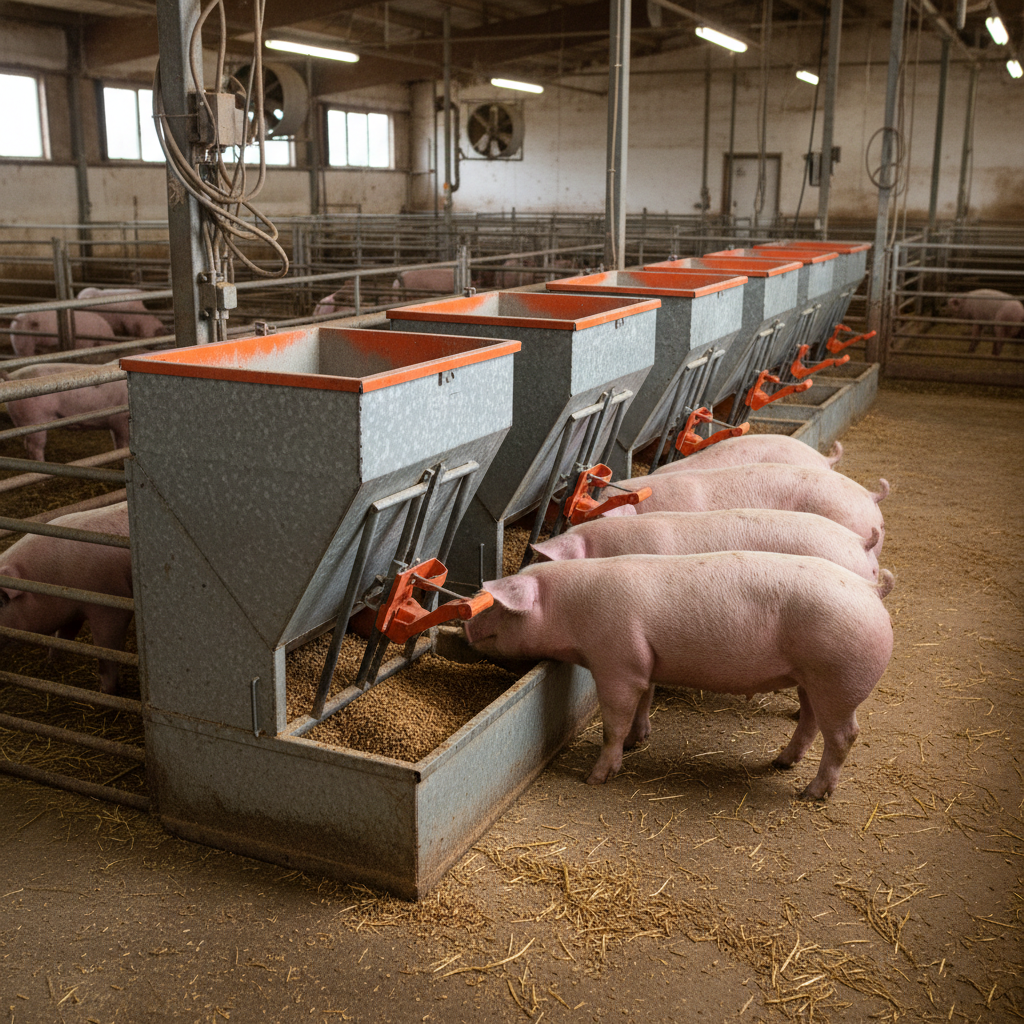
At its core, a stainless steel cattle trough is a feeding or watering container made primarily from stainless steel alloys. It’s designed to hold water or feed, resisting corrosion, rust, and bacterial growth over years of use. These troughs come in various shapes and sizes—from simple rectangular tanks to more sophisticated, modular designs with sensors that measure water consumption.
This simple yet smart tool is a great example of how agricultural innovation blends material science with animal nutrition needs. It directly connects to modern farming’s emphasis on hygiene, productivity, and sustainability. In many ways, stainless steel cattle troughs are small but vital cogs in global food security efforts.
Key Factors That Make Stainless Steel Cattle Troughs Stand Out
1. Durability and Corrosion Resistance
Stainless steel’s unique chromium content forms a protective layer that prevents rust—something concrete or plastic troughs struggle with, especially in harsh environments. This means fewer replacements and less environmental waste. I noticed on a farm visit that these troughs often last 5–10 times longer than traditional concrete ones.
2. Hygiene and Animal Health
The non-porous surface of stainless steel inhibits bacterial and algae growth. Cattle aren’t just picky; they need clean water to avoid infections that can halt growth or worse. Many vets recommend stainless steel to reduce disease transmission risks.
3. Cost Efficiency Over Time
While the initial investment in stainless steel troughs might be higher, their longevity and minimal maintenance often bring down total lifetime costs. Plus, they can save money on veterinary bills and wasted feed.
4. Scalability and Customization
Whether you operate a small family ranch or manage a commercial feedlot, stainless steel troughs come in modular designs that fit your operation. Some models even integrate with automated watering systems—kind of cool if you enjoy tech on the farm.
5. Environmental Impact
Stainless steel is 100% recyclable. When it finally reaches end-of-life, it can be melted and reused without quality loss—a big plus as agricultural tools face pressure to become ‘greener’.
Mini takeaway:
- Longevity and hygiene are the core strengths.
- Investment pays off with lower maintenance and healthier cattle.
- Environmentally friendly and adaptable to various farm sizes.
Global Applications & Real-World Use Cases
In drought-hit Australia, many cattle stations have switched to stainless steel troughs paired with solar-powered water pumps to ensure steady hydration despite unreliable electricity. In East Africa, NGOs working with pastoral communities use these troughs to improve water access while preventing contamination during seasonal migrations.
Industrial farms in the U.S. and Europe are also adopting stainless steel feeding equipment to meet strict hygiene certifications (e.g., HACCP standards). Interestingly, some remote mining camps integrate these troughs for their onsite livestock, blending rugged industrial design with farming needs.
Lastly, humanitarian groups responding to disaster zones increasingly consider stainless steel options. These troughs’ durability and ease of sanitation support quick rebuilding of local livestock economies, which can mean the difference between survival and catastrophe.
Advantages & Long-Term Value of Stainless Steel Cattle Troughs
- Cost-effectiveness: Save on replacement and vet expenses.
- Animal welfare: Cleaner water improves cattle health and productivity.
- Trust and Safety: Farmers gain peace of mind from durable, hygienic equipment.
- Sustainability: A recyclable, long-lasting solution for environmentally conscious farms.
- Innovation: Modular and automated designs pave the way for smart farming.
There's an emotional aspect here, too. Good water means dignity for the cattle and pride for the farmer—less worry that feed is being wasted or illness is creeping in. This is the kind of quiet reliability that makes farming life a bit easier.
Product Specification Table: Typical Stainless Steel Cattle Trough Models
| Model | Dimensions (L×W×H) | Capacity (Liters) | Material Grade | Weight (kg) | Additional Features |
|---|---|---|---|---|---|
| SS-TT-500 | 150×60×50 cm | 500 | 304 Stainless | 20 | Drain Valve, Rounded Edges |
| SS-TT-1000 | 200×75×60 cm | 1000 | 316L Stainless | 35 | Solar-ready Sensor Mounts |
| SS-MT-250 Modular | Customizable | Variable | 304 Stainless | Variable | Modular Sections, Automation-Ready |
Comparing Top Vendors of Stainless Steel Cattle Troughs
| Vendor | Product Range | Warranty | Delivery Options | Customization | Price Range (USD) |
|---|---|---|---|---|---|
| AgroTroughs Inc. | Basic to advanced modular | 5 years | Worldwide shipping | High | $200 - $1500 |
| SteelFarm Solutions | Premium stainless steel troughs | 7 years | Selective international | Medium | $350 - $2000 |
| Livestock Equip Co. | Standard models only | 3 years | Domestic only | Low | $150 - $800 |
Future Trends & Innovations in Stainless Steel Cattle Troughs
As farming embraces the digital age, stainless steel cattle troughs are no exception to transformation. Imagine troughs equipped with IoT (Internet of Things) devices that monitor water levels and quality, sending data to your phone. Solar-powered water dispensing units linked to these troughs reduce dependence on unreliable power grids, especially in remote farms. There’s also ongoing experimentation with anti-microbial stainless coatings to further reduce bacterial buildup without chemicals.
The push for sustainability drives manufacturers toward alloys that use less nickel (to lower environmental mining impacts) or integrate recycled steel. Policy-wise, stricter regulations on livestock welfare will likely standardize stainless steel usage globally, benefiting both animals and farmers.
Common Challenges and How the Industry is Tackling Them
One common hurdle is the upfront cost, which can seem steep to small-scale farmers. But innovative financing schemes, leasing, and community bulk purchases are helping push adoption. Transporting heavy stainless steel troughs to remote locations can also be tricky. Modular designs that assemble on-site offer a neat solution.
Also, there’s the nuance of choosing the right grade of stainless steel to balance cost and durability. Some vendors offer mixed-material solutions to bring prices down while keeping benefits.
FAQ: Practical Questions About Stainless Steel Cattle Troughs
- Q1: How long do stainless steel cattle troughs typically last on a farm?
- A1: With proper care, these troughs can last 10–20 years or more. The corrosion resistance and sturdy build drastically reduce wear compared to concrete or plastic, making them a long-term investment.
- Q2: Are stainless steel troughs safe for all types of cattle, including calves?
- A2: Yes, stainless steel troughs have smooth, rounded edges and no toxic coatings, making them safe for calves and adult cattle alike. Many designs include anti-slip feet to ensure stability during feeding.
- Q3: Can stainless steel cattle troughs be customized for different farm sizes?
- A3: Absolutely. Modular and customizable designs allow farmers to choose capacity and features suited to everything from small family farms to large commercial feedlots.
- Q4: How easy is it to clean stainless steel cattle troughs?
- A4: Cleaning is straightforward because the surface resists bacterial and algae growth. A simple scrub with farm-safe detergents and rinsing is usually enough to keep it hygienic.
- Q5: Are these troughs environmentally friendly?
- A5: Yes, stainless steel is fully recyclable and often contains recycled content. Its longevity also reduces waste and environmental impact compared to frequent replacements.
Wrapping It Up: The Long-Term Value of Stainless Steel Cattle Troughs
So, why should you consider upgrading to a stainless steel cattle trough? It boils down to durability, animal health, lower costs over time, and environmental responsibility. For anyone managing cattle—whether as a smallholder or an industrial farmer—this investment touches daily productivity and future sustainability.
If you want reliable equipment that pays dividends in better feed efficiency, fewer sick days, and peace of mind, exploring stainless steel feeding solutions feels rather essential. Especially in a world where resource efficiency and sustainability aren’t just buzzwords—they’re survival factors.
For more cutting-edge livestock equipment and consulting, visit https://www.cxlivestock.com.
References
Post time: Dec . 02, 2025