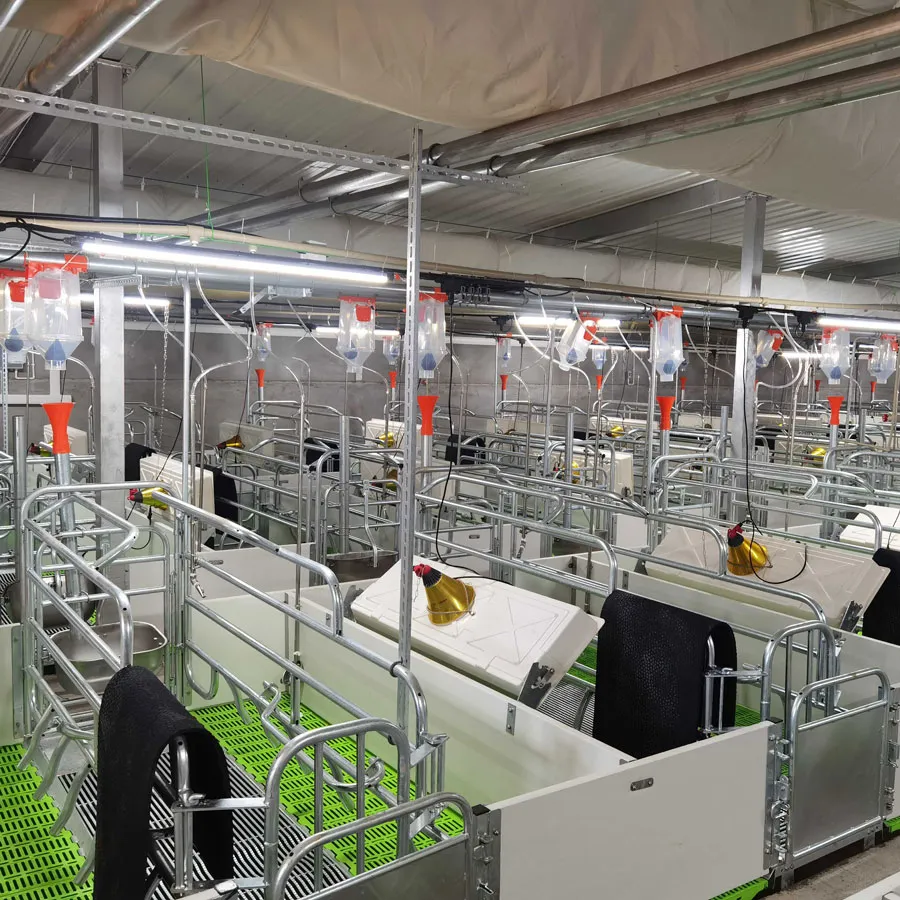
Choosing the Right hog feed bin: Insights from the Industrial Equipment Trenches
Having spent a fair share of years knee-deep in the industrial equipment sector—mostly around agricultural setups—I’ve developed a certain appreciation for different types of feed storage, especially when it comes to hog feed bins. These bins aren’t just big containers; they’re a cornerstone in efficient livestock feeding systems. Frankly, overlooking their design or build quality can create headaches down the line.
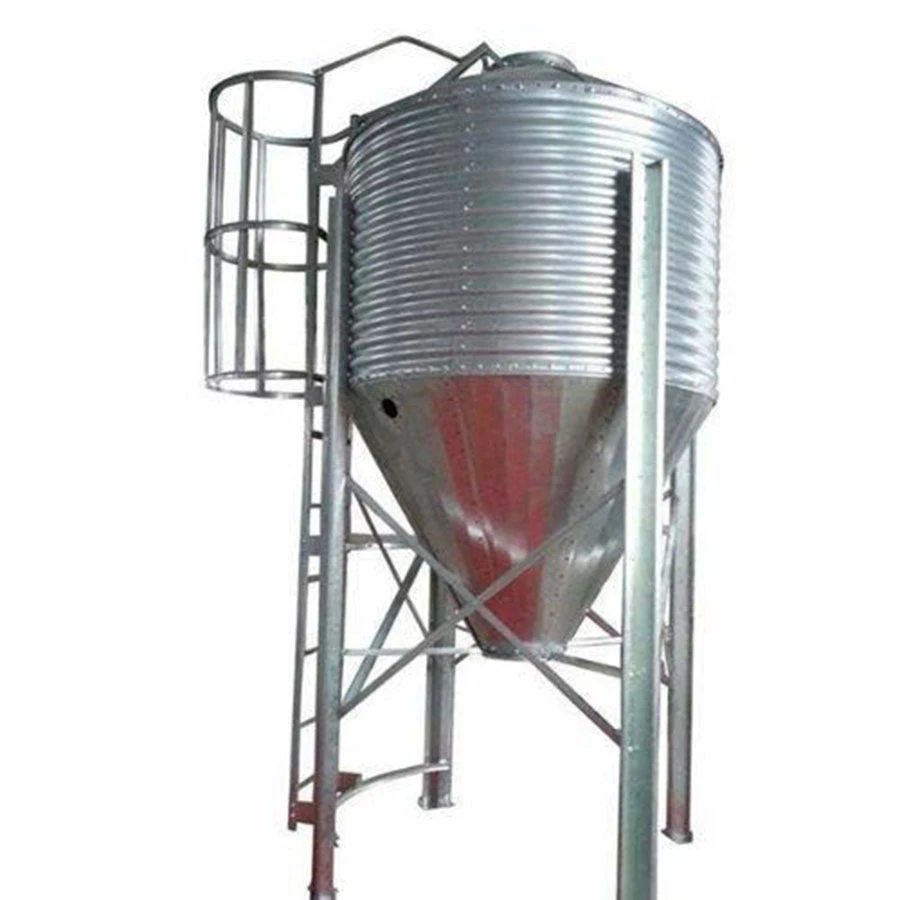
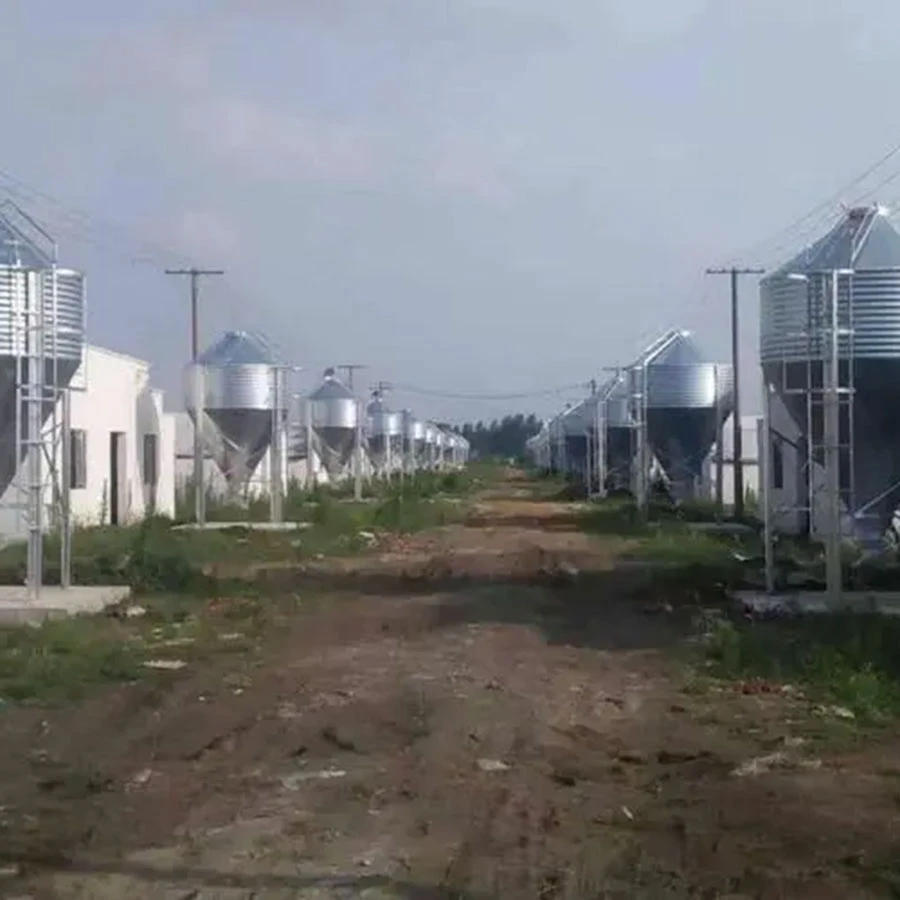
In real terms, a hog feed bin is meant to securely store large quantities of feed while protecting it from moisture, pests, and spoilage. It sounds straightforward, but oddly enough, the nuances in materials, shape, and even accessibility features can make a striking difference. I once visited a hog farm where the owner had swapped out old wooden bins for galvanized steel ones and said it was the best upgrade to reduce feed waste he'd made in years. This isn’t just hearsay—steel bins often endure harsher conditions and still maintain their integrity over time.
Many engineers I’ve worked alongside highlight two major trends shaping modern hog feed bins: modular design and weather resilience. Modular units make it simpler to expand capacity as the farm grows, without a costly overhaul. Meanwhile, weather-resistant materials, like powder-coated steel or UV-stabilized plastics, fend off the elements better than traditional builds. Combine that with an airtight sealing system, and you’re looking at maintaining feed quality far longer.
Product Specifications at a Glance
| Specification | Typical Values |
|---|---|
| Material | Galvanized steel, powder-coated |
| Capacity | 1,000 – 5,000 lbs |
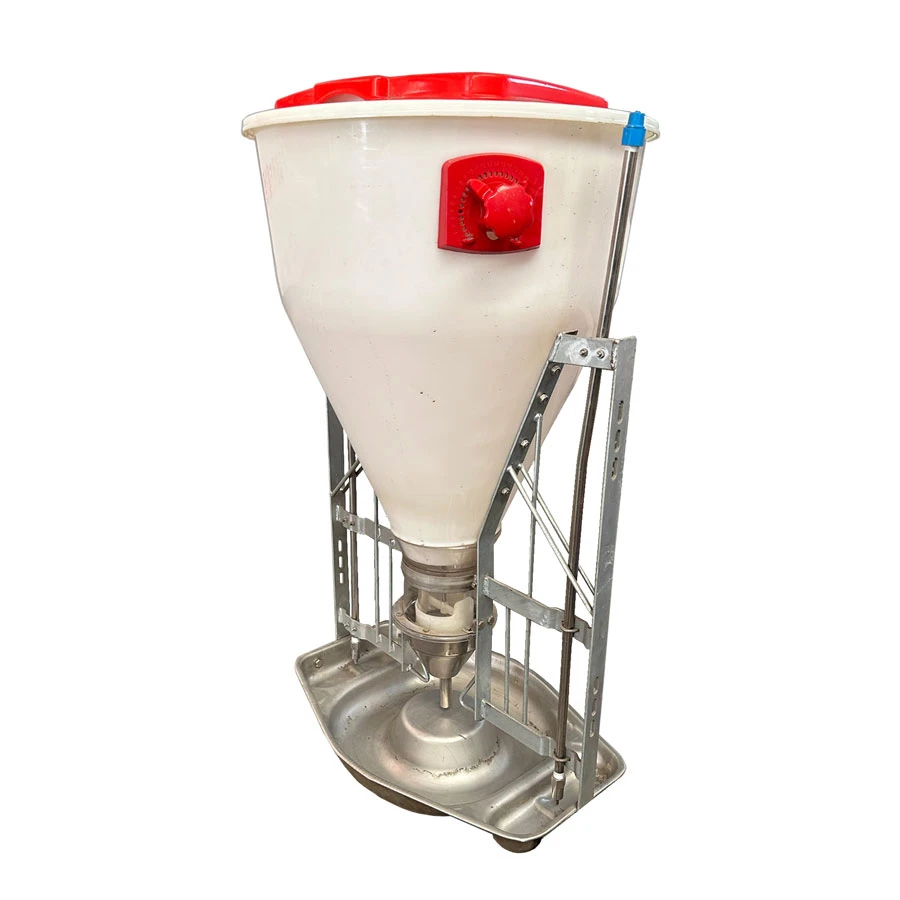
| Feed Access | Bottom discharge chute with slide gate |
| Weather Resistance | UV & rust resistant coatings |
| Additional Features | Hopper bottom, modular stacking, insect sealing gaskets |
Customization is another aspect that deserves a quick shout-out. Many manufacturers offer varied hopper sizes, loading options, and even sensor add-ons to monitor feed levels remotely—which, frankly, feels like the future creeping into traditional agriculture. Though, from my experience, smaller farms often prefer simpler options, whereas large operations can justify the tech expense.
Vendor Comparison: What to Expect
| Feature | Vendor A | Vendor B | Vendor C |
|---|---|---|---|
| Capacity Range | 1,000–3,000 lbs | 2,000–5,000 lbs | 1,500–4,000 lbs |
| Material Quality | Powder-coated galvanized steel | Galvanized steel, weatherproof paint | UV-stabilized plastic composite |
| Customization Options | Modular stacking, adjustable chute | Hopper size, sensor add-ons | Color, mounting kits |
| Warranty | 5 years | 3 years | 2 years |
| Price Range | $$$ | $$$$ | $$ |
There’s no one-size-fits-all answer to what makes the perfect hog feed bin. But in my years around farms and manufacturers, what always rings true is the importance of durability and ease of access. Trying to free-feed pigs means you don’t want to be fiddling with equipment that’s sticky or unreliable. A smooth bottom discharge chute can save hours/month.
Speaking of customers, a midwest hog farmer once told me his biggest “Aha!” moment was realizing how much feed he was losing in bins with poor seals—he switched to a better-sealed bin recommended through industry forums and instantly noticed less spoilage. It goes to show, sometimes the simplest improvements pack the biggest punch.
So if you’re on the hunt for a reliable hog feed bin, don’t just glance at specs. Take a minute to consider the material quality, weatherproofing, and how easy it is to manage the feed flow daily. And yes, when possible, lean toward trusted vendors that back their product with solid warranties and customization options.
And of course, if you’re curious to see reliable products up close and read more detailed specs, the folks at cxlivestock.com have a pretty solid catalog that’s worth exploring.
In the end, it feels like investing in a good hog feed bin is one of those quiet efficiencies that quietly pays for itself over time. No one likes feed waste, right?
References:
- Industry interviews with agricultural equipment engineers, 2019–2023
- Field reports from hog farm operators in North America, 2021
- Technical specs from leading agricultural feed bin manufacturers, updated 2024
Post time: Dec . 03, 2025