Galvanized Cattle Troughs: Essential Tools for Sustainable Livestock Management
At first glance, a galvanized cattle trough might not seem like the flashiest piece of farming equipment, but its impact is surprisingly global and significant. With millions of cattle farmed worldwide—over 1.5 billion globally according to the FAO—providing safe, reliable water access for livestock is no small feat. Galvanized steel troughs have emerged as a durable, low-maintenance solution that helps farmers keep their herds hydrated while protecting infrastructure investment.
Understanding these simple yet vital tools is important not just for ranchers, but also for organizations involved in food security, livestock welfare, and rural development. After all, failing to provide consistent water can impact not only animal health, but the livelihoods of those relying on them.
The Global Importance of Galvanized Cattle Troughs
When we zoom out and consider global agriculture, water provision systems such as galvanized cattle troughs play a crucial role in sustainable farming practices. The World Bank estimates that livestock contribute to roughly 40% of global agricultural GDP. With intensified efforts towards climate resilience and food production, reliable livestock watering solutions matter more than ever.
Yet challenges remain. Many rural farmers across Africa, Asia, and South America struggle with equipment prone to rust, corrosion, or quick wear. Enter galvanized cattle troughs—coated in protective zinc layers, these troughs ward off rust, extending their lifespan in harsh environments. This benefit is huge where replacement costs and downtime are major concerns.
Mini takeaway: These troughs are a small but crucial piece of the complex puzzle of global food production, livestock health, and rural economics.
What Exactly is a Galvanized Cattle Trough?
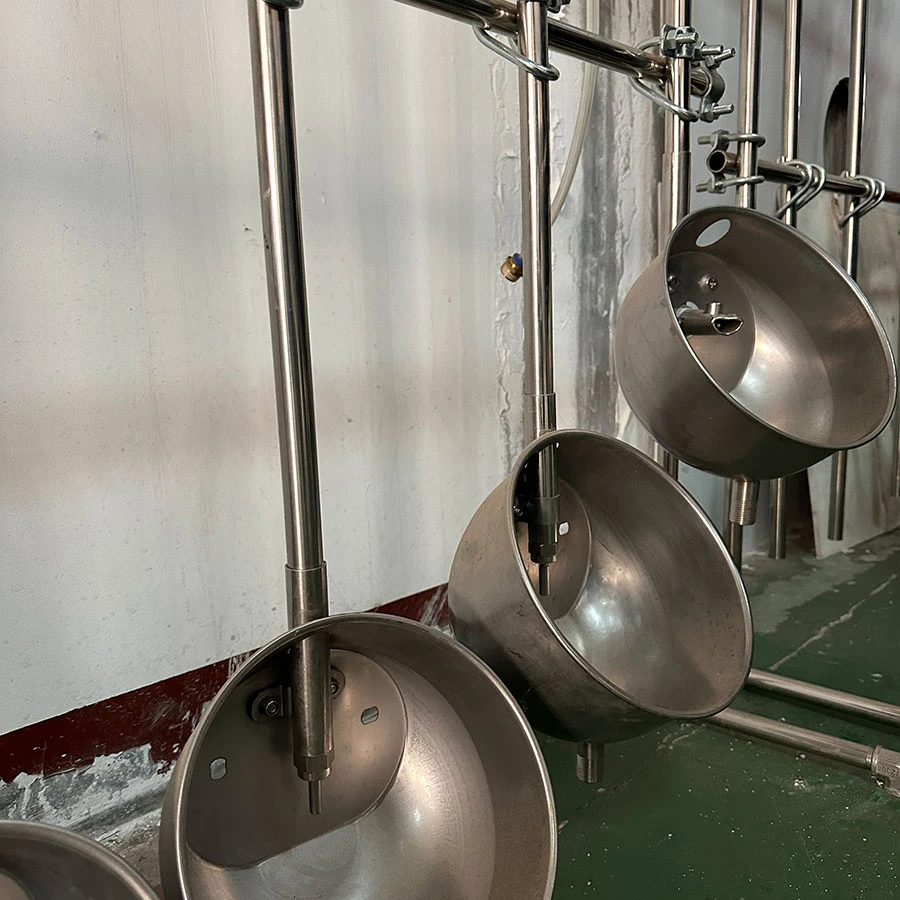
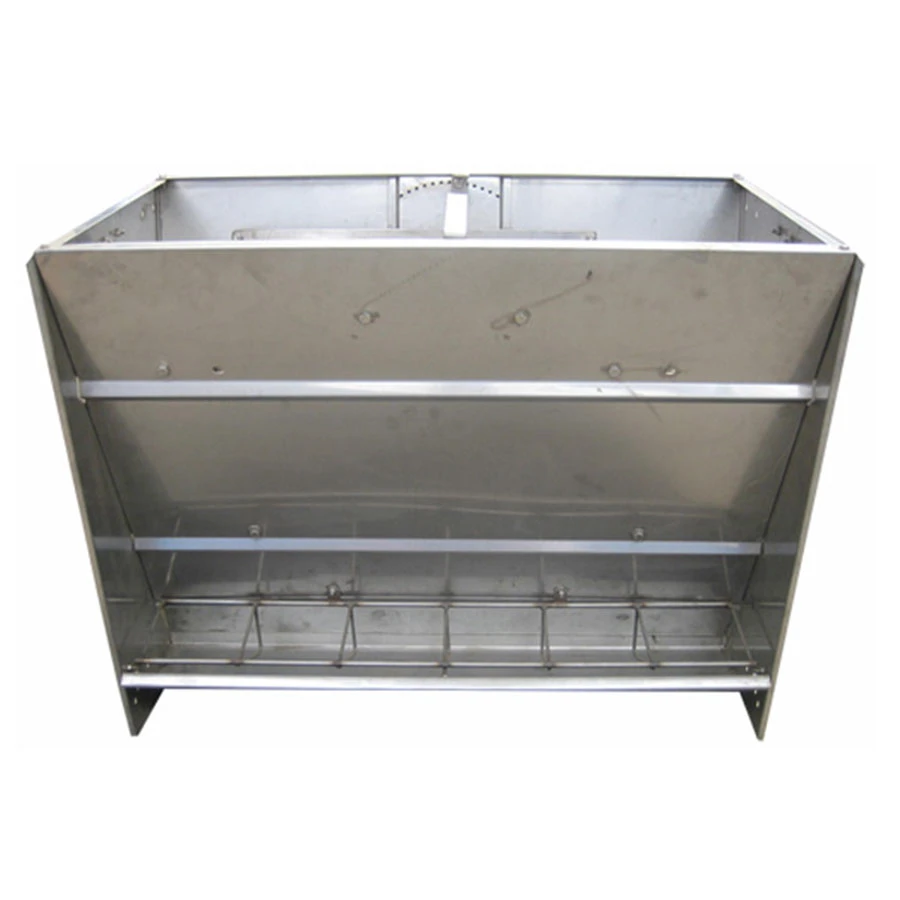
Simply put, a galvanized cattle trough is a water container designed for livestock, made from steel coated in zinc to prevent rust through a process called galvanization. The zinc coating protects the steel surface by acting as a barrier and offering sacrificial protection against corrosion.
This technology might sound simple, but it’s revolutionary in extending the life of agricultural equipment exposed to harsh elements — rain, mud, animal interaction, you name it. These troughs hold considerable amounts of water and often come in various shapes and sizes suitable for everything from beef cattle to dairy cows and even smaller ruminants.
More than just farm gear, they also tie into humanitarian efforts, where NGOs use galvanized cattle troughs in livestock programs to support food security and income stability in vulnerable communities.
Key Features Defining Galvanized Cattle Troughs
Durability
Arguably the most prized quality. Galvanization protects the steel from rust for years—sometimes decades—with minimal maintenance, even under heavy water exposure and constant animal use.
Capacity & Sizes
They often range from small 50-liter troughs for calves up to several hundred liters for larger herds. This flexibility allows farmers to pick models that best fit their herd’s size and water needs.
Portability & Installation
Some troughs are lightweight enough for easy relocation, while others are designed for permanent fixtures. Many feature pre-drilled holes for quick bolting or mounting.
Cost Efficiency
Though upfront costs might be higher than plastic or concrete alternatives, their longevity and lower maintenance often translate to savings over time.
Safety & Hygiene
Galvanized surfaces do not degrade into harmful particles and are easier to clean versus wood or concrete, reducing disease risk among animals.
Environmental Impact
Recyclable steel and long lifespan help reduce resource use and waste compared to disposable plastic troughs.
Mini takeaway: These features combine to create a product that is resilient, practical, and economically sensible for long-term livestock management.
Where and How Are Galvanized Cattle Troughs Used Globally?
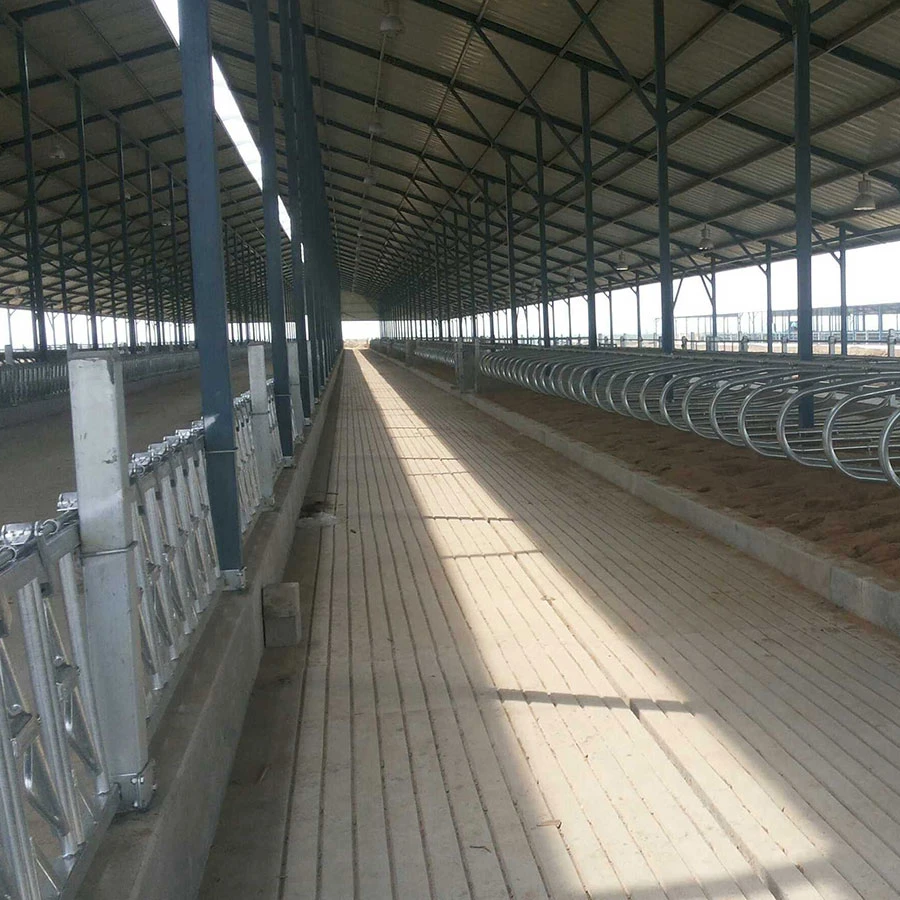
Farmers and ranchers across continents harness galvanized troughs in all sorts of environments—from the arid Australian outback to the rainswept grasslands of Ireland. They play a fundamental part in:
- Commercial livestock farms: Large-scale operations rely on durable, easy-to-clean troughs that handle heavy use.
- Smallholder rural farms: Affordable troughs support household herds essential for food and income.
- Emergency and development projects: NGOs use these troughs in drought relief programs or rebuilding herds after disasters.
For instance, in East Africa, NGOs incorporate galvanized troughs into livestock resilience initiatives to help pastoralists safeguard their herds during dry seasons. In Australian cattle stations, they reduce maintenance trips and improve water accessibility in remote zones.
Advantages and Long-Term Value of Galvanized Cattle Troughs
Cost savings come first to mind—less frequent replacements and lower repair bills add up. But there's more:
- Animal welfare: Constant access to clean water boosts health and productivity.
- Reduced disease risks: Easy cleaning prevents contaminants that cause infections.
- Environmental sustainability: Reduced plastic waste and durable materials contribute to greener farming.
- Peace of mind: Knowing equipment won’t fail reduces stress, especially during critical dry seasons.
Many ranchers say switching to galvanized troughs "feels like an investment in peace of mind," which aligns closely with economic sense.
Technological Trends and Innovations Influencing Galvanized Troughs
The future holds exciting possibilities. For example:
- Enhanced coatings: Advances in zinc alloys and cold galvanization are improving corrosion resistance further.
- Smart water solutions: Sensors integrated into troughs monitor water levels remotely, reducing guesswork and wastage.
- Solar automation: Solar-powered pumps paired with galvanized troughs enable remote watering systems in off-grid areas.
- Sustainability certifications: Encouraging suppliers to meet ISO environmental standards to boost responsible manufacturing.
Oddly enough, it feels like even something as simple as a cattle trough is becoming part of the digital farm revolution.
Addressing Common Challenges
While galvanized troughs are robust, no system is perfect:
- Initial cost: Some smallholders hesitate due to upfront prices; microfinance or subsidies can help bridge this.
- Weight: Steel troughs can be heavy; newer lighter alloys and modular designs are being explored.
- Surface wear: Over years, zinc might wear off in high-abrasion zones; regular inspections and touch-ups recommended.
Many experts advocate combining high-quality galvanization with regular maintenance schedules to maximize lifespan — and it pays off.
Product Specifications of a Typical Galvanized Cattle Trough
| Specification | Details |
|---|---|
| Material | Hot-dip galvanized steel sheet |
| Coating Thickness | 85–110 microns (Zn coating) |
| Capacity | 100 to 500 liters (varies by model) |
| Dimensions | 1200 x 600 x 300 mm (typical) |
| Weight | 45–90 kg |
| Warranty | 5 years (against corrosion) |
Vendor Comparison: Leading Galvanized Cattle Trough Manufacturers
| Vendor | Product Range | Avg. Price (USD) | Special Features | Warranty |
|---|---|---|---|---|
| SteelTrough Inc. | Small to large capacity | $150–350 | Extra thick zinc plating, UV resistant | 7 years |
| AgroEquip Solutions | Modular and fixed | $120–280 | Lightweight alloys, custom sizing | 5 years |
| FarmX Innovations | Standard sizes | $130–300 | Corrosion-resistant lining option | 6 years |
Frequently Asked Questions About Galvanized Cattle Troughs
Q1: How long does a galvanized cattle trough typically last on a farm?
A1: With proper care, a galvanized cattle trough can last anywhere from 10 to 20 years. The zinc coating prevents rusting, which is the main cause of steel degradation. Regular cleaning and avoiding direct chemical exposure can help extend its lifespan.
Q2: Are galvanized cattle troughs safe for drinking water?
A2: Absolutely. The zinc coating is non-toxic and prevents rust particles from contaminating the water. This is especially important to maintain livestock health and prevent diseases.
Q3: Can galvanized cattle troughs be used in extreme weather conditions?
A3: Yes, they perform well under various climates—including harsh sun, heavy rain, and freezing winters—mainly because galvanization protects the steel from corrosion and structural damage.
Q4: How do galvanized cattle troughs compare in price to plastic alternatives?
A4: Plastic troughs usually have a lower upfront cost but tend to degrade faster and require more frequent replacement. Galvanized steel troughs cost more initially but often prove more economical in the long run due to their longevity.
Q5: Is it possible to customize galvanized cattle trough sizes?
A5: Many manufacturers offer customization options to fit your herd’s specific needs, from small portable troughs to large stationary models.
Conclusion: Why Investing in Galvanized Cattle Troughs Makes Sense Today
Galvanized cattle troughs embody a blend of practicality, longevity, and sustainable design that can’t be ignored by modern livestock operations. They protect your investment by standing up to nature’s pounding, ensuring your animals stay hydrated with clean water, enhancing herd health and productivity. They are an often-overlooked foundation upon which better, more resilient farming is built.
For anyone serious about improving their livestock watering systems, these troughs are a smart starting point. If you want to explore more about high-quality and dependable options, visit galvanized cattle trough suppliers and discover solutions tailored to your needs.
In the end, simple things like galvanized cattle troughs remind us that sometimes, the best innovations are quietly working under the surface — doing their job so you don’t have to worry.
References
Post time: Dec . 02, 2025