What Is Cattle Trough Metal and Why Does It Matter?
Cattle trough metal might sound like a mundane topic at first, but when you think about it, it’s a small yet essential piece in the vast puzzle of global agriculture and livestock management. These metal feeding and watering containers play a surprisingly huge role in ensuring cattle remain healthy, hydrated, and productive—especially in large-scale farming operations, remote rural areas, and relief zones worldwide.
Globally, livestock farming supports the livelihood of nearly 1 billion people according to the Food and Agriculture Organization (FAO). Efficient and durable feeding solutions like cattle trough metal are crucial for maintaining animal welfare and ensuring sustainable agricultural yields. Understanding the materials, designs, and practical implications of these troughs helps farmers, suppliers, and humanitarian agencies optimize operations, reduce waste, and improve livestock conditions.
Global Importance of Cattle Trough Metal in Today's Agriculture
The global market for livestock equipment is expanding steadily. ISO standards, for example, increasingly reflect the need for robust, corrosion-resistant agricultural tools, including metal cattle troughs. Roughly 70% of all available farmland supports grazing or feedlots, making the quality of troughs a literal backbone of industry.
Yet, many regions still struggle with inadequate feeding infrastructure—frequently caused by unreliable trough materials that rust, leak, or degrade. This inefficiency leads not only to water wastage but also health risks like contamination and malnutrition among cattle. The cattle trough metal sector steps in to solve this, providing solutions durable enough to withstand harsh weather, rugged handling, and contamination.
Simple Definition and Broader Meaning of Cattle Trough Metal
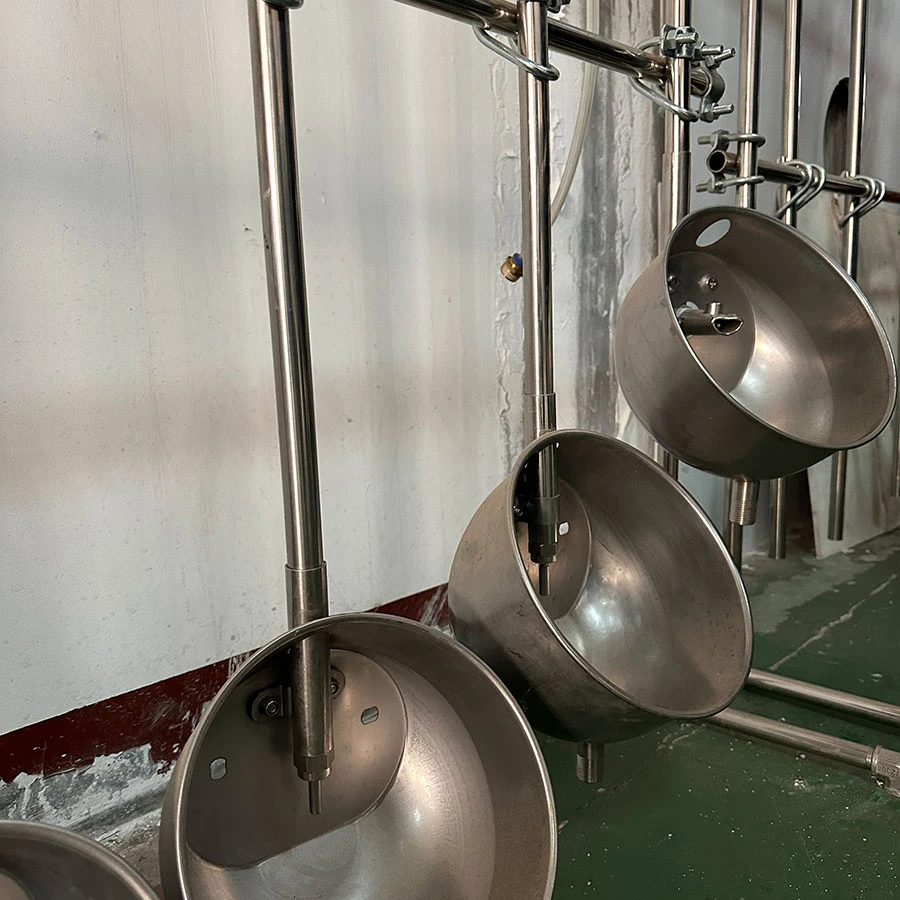
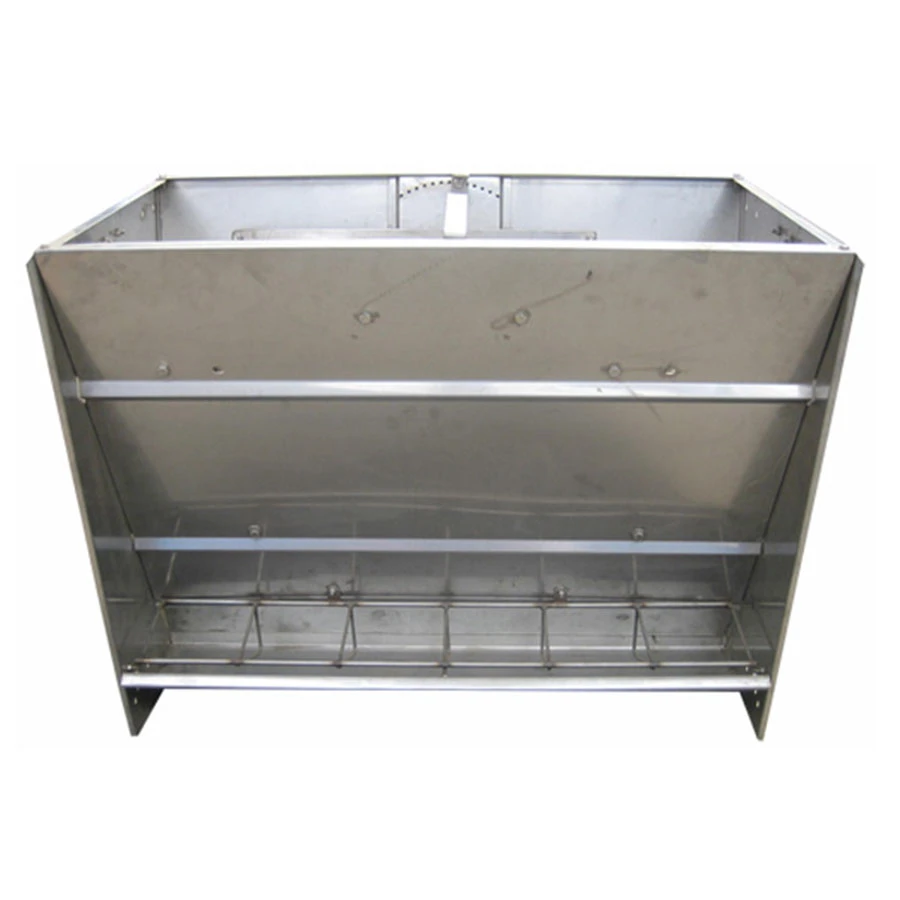
So, what exactly is cattle trough metal? In straightforward terms: it's the sheet or molded metal used to manufacture large containers designed specifically to hold feed or water for cattle. These troughs are designed with durability, hygiene, and ease-of-use in mind and are essential components of modern livestock management.
Beyond the farming fields, the quality of these metals connects to humanitarian efforts, where the rapid deployment of livestock feeding stations can be critical post-disaster or in refugee camps dependent on livestock for food security. So the material choice often reflects a balance between robustness and transportability, sometimes even modular designs.
Core Components That Make Good Cattle Trough Metal
Durability
The metal used should resist corrosion, especially from water and feed acids. Galvanized steel and stainless steel are favorites due to their long lifespan — farmers often say a good trough lasts a decade or more without rusting through.
Cost Efficiency
While stainless steel is pricier, its resilience means it often pays off over time. Meanwhile, galvanized options offer a sweet spot for budget-conscious operators who still want durability but at less upfront cost.
Ease of Cleaning
Hygiene is critical to prevent disease. Smooth metal surfaces without sharp corners make cleaning faster and more effective—something many livestock managers swear by.
Scalability and Size Options
Depending on herd size, troughs come in various volumes. Modularity is increasingly appreciated, especially when farmers want to add or reconfigure troughs quickly.
Weight and Transportability
Heavy machinery moves many troughs these days, but in rougher terrains or relief zones, lighter metal alloys make installations less of a hassle.
Environmental Considerations
Some new options use recycled metals or coatings free of harmful chemicals, fitting into the global push towards greener agriculture.
Mini takeaway: When picking a cattle trough metal, balancing cost, longevity, and hygiene factors matter most—especially in regions where regular replacement isn't an option.
Real-World Applications of Cattle Trough Metal Across Regions
From the sprawling ranches of Texas to the mountainous farms across the highlands of Ethiopia, durable cattle trough metals find practical homes. In sub-Saharan Africa, NGOs frequently install galvanized steel troughs as part of drought resilience programs, helping livestock survive lean seasons. Meanwhile, in Australia’s vast outback, stainless steel varieties endure extreme heat and exposure.
Industrial feedlots in the Americas and Europe benefit from modular, standardized metal troughs that integrate seamlessly with automated feeding systems. Oddly enough, even in developed nations, the call for improved materials keeps growing—especially with rising animal welfare regulations that emphasize cleanliness and safety.
| Specification | Galvanized Steel Trough | Stainless Steel Trough | Aluminum Alloy Trough |
|---|---|---|---|
| Weight | 15-30 kg | 25-40 kg | 10-20 kg |
| Corrosion Resistance | Moderate | High | Moderate |
| Cleaning Ease | Good | Excellent | Good |
| Cost | Low | High | Medium |
| Typical Lifespan | 5-8 years | 10-15 years | 7-10 years |
Mini takeaway: Matching metal type to local needs and budget is key—there’s no one-size-fits-all, but some metals really shine in harsh environments.
Why Choosing the Right Cattle Trough Metal Pays Off Long-Term
Obviously, the right metal means fewer replacements and repairs. That alone lowers operational headaches. But beyond economics, there’s the animal welfare piece—clean, sturdy troughs reduce contamination and injury risks.
It also matters on a social level: farming communities often feel a dignity boost when their livestock look healthy and well cared for. Plus, the sturdy equipment signals trustworthiness to buyers and partners. Many large-scale producers have noted that investing in quality cattle trough metals often leads to smoother audits and certifications as well.
Looking Ahead: Innovations in Cattle Trough Metal
The industry isn’t standing still. Research on lightweight, recycled alloys promises reduced environmental footprints. Meanwhile, some manufacturers experiment with smart metal surfaces embedded with sensors to track water levels or contamination — automation meets tradition, quite literally.
Policies, particularly in the EU and parts of North America, push sustainability harder, meaning metals need to meet stricter environmental standards. Oddly, this challenge often sparks the best innovations. Plus, 3D printed molds for custom troughs are gaining traction, offering faster turnaround times and niche customization.
Challenges in Current Cattle Trough Metal Use and How Experts Solve Them
Durability is a frequent headache in humid, coastal, or flood-prone zones—where even galvanized surfaces corrode faster. Experts often recommend thicker coatings, routine maintenance, or hybrid materials combining steel with polymer linings.
Another practical challenge is transport to remote areas—heavy steel troughs can be costly and cumbersome to ship. Here, some NGOs prefer collapsible aluminum models or flat-pack designs to ease logistics.
FAQ: Your Top Questions About Cattle Trough Metal
- 1. How long does a typical galvanized steel cattle trough last?
- On average, galvanized steel troughs last about 5 to 8 years under normal farm conditions. This lifespan depends heavily on climate, maintenance, and usage intensity. Rust is the main limiting factor, especially in wetter environments.
- 2. Can cattle trough metals cause health issues to livestock?
- Generally, metals like stainless steel and properly galvanized steel are safe. However, poor maintenance can lead to rust flakes or residues contaminating water or feed. Regular cleaning mitigates these risks.
- 3. Are aluminum cattle troughs a good option in hot climates?
- Yes, aluminum is lightweight and resists heat transfer better than steel, helping keep water cooler. However, pure aluminum isn't as corrosion-resistant unless specially treated.
- 4. What’s the easiest way to clean metal cattle troughs?
- Use a high-pressure water hose combined with mild detergents designed for agricultural equipment. Avoid abrasive cleaning tools that can scratch protective metal coatings.
- 5. Can I customize metal cattle trough sizes to suit my herd?
- Absolutely. Many manufacturers offer modular or custom-sized troughs. You can often order tailored lengths, depths, and water/feed capacities to match your specific herd requirements.
Comparing Leading Vendors of Cattle Trough Metal Products
| Vendor | Material Focus | Customization | Price Range | Global Presence |
|---|---|---|---|---|
| AgriMetal Solutions | Galvanized & Stainless Steel | High | $$ - $$$ | North America, Europe |
| Livestock Equip Co. | Aluminum & Steel | Medium | $ - $$ | Africa, Asia |
| GreenTrough Industries | Recycled Metal Alloys | High | $$$ | Europe, Australia |
Wrapping Up: Why Investing in Quality Cattle Trough Metal Is Worth It
To put it simply: the right cattle trough metal makes a huge difference in farm productivity, animal health, and operational cost. It's one of those behind-the-scenes parts of agriculture that doesn’t get enough credit until something breaks. That’s when you notice how crucial it really is.
Whether you’re a seasoned farmer, an NGO worker in rural areas, or a livestock equipment supplier, knowing your metals and materials means better decisions and longer-lasting outcomes. If you want to explore a range of options and sustainable designs, don’t hesitate to visit our website — it’s packed with resources, specs, and expertise.
Catch you next time for more in-depth looks at the unsung heroes of farming tech...
References & Further Reading
Post time: Dec . 02, 2025