What Is Cast Iron Flooring for Piggery and Why It Still Matters Worldwide?
Cast iron flooring for piggery might sound like an industrial mouthful, but it plays a surprisingly big role in the global livestock industry. This flooring type is more than just a surface – it’s about animal welfare, farm hygiene, and sustainable pig farming methods that ripple into food security and rural economies worldwide. While it may seem niche, its impact trickles down from massive farms in Europe, to smallholder farms in Asia and Africa, making it crucial for anyone interested in modern livestock production.
In essence, knowing how cast iron flooring changes piggery operations is like unlocking a small but vital piece of the global food puzzle.
Global Context: Why Cast Iron Flooring for Piggery Is so Relevant Today
According to the Food and Agriculture Organization of the UN, pigs are central to feeding billions globally, with pork being one of the top consumed meats. But producing pork sustainably is complicated — animal welfare standards, biosecurity, slurry management, and worker safety all hinge on piggery design. Flooring is surprisingly foundational here.
World Bank data shows that pig farming represents a major economic activity in Asia and Eastern Europe, regions where diseases and poor infrastructure impact pig welfare and productivity. Cast iron flooring enters as a solution for tough, hygienic, and durable flooring that supports automated cleaning and drainage, helping farms meet stricter hygiene regulations.
Yet, many farms still wrestle with flooring that cracks, traps waste, or harms pigs’ feet — costing them productivity and money.
Defining Cast Iron Flooring for Piggery
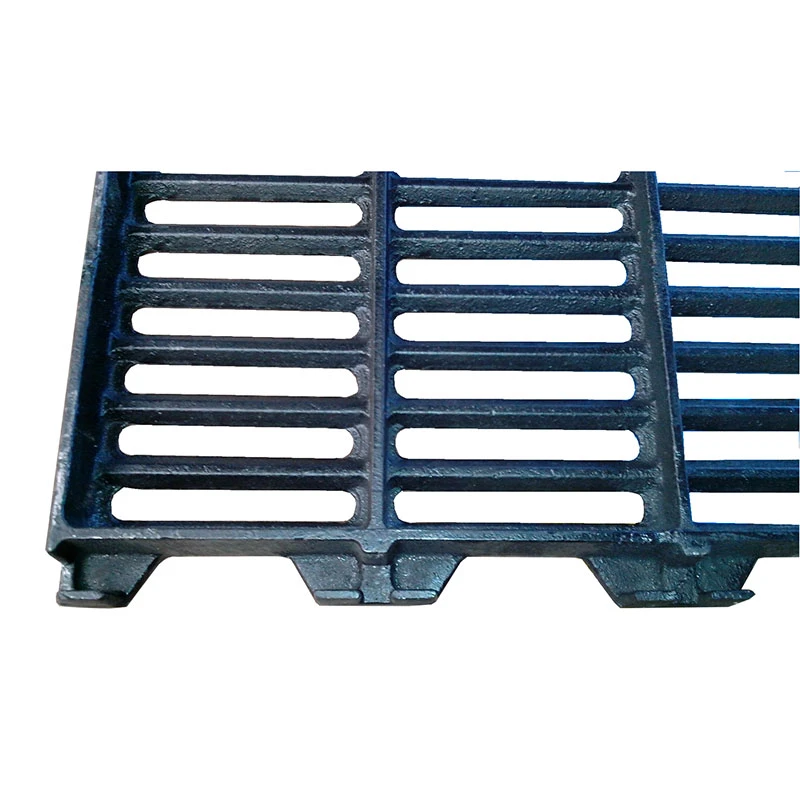
Simply put, cast iron flooring for piggery means flooring systems crafted predominantly from cast iron materials designed specifically for pig enclosures. It combines the metal’s natural strength and durability with design features like slatted gaps for drainage.
Unlike concrete or wooden floors, cast iron floors offer a seamless, corrosion-resistant base that tolerates heavy traffic and aggressive waste environments. This means farms can avoid common issues such as cracking, biofilm buildup, and uneven surfaces that stress pigs’ feet or increase disease risk.
The use of cast iron floors is a measured response to modern farming’s need for sanitary, sustainable, and long-lasting infrastructure — which links directly to ensuring food safety and animal dignity.
Core Components of Cast Iron Flooring for Piggery
Durability
Cast iron resists wear from thousands of pig hooves daily plus aggressive cleaning regimens. Its longevity reduces costly repairs or replacements, helping keep farms operational with minimal downtime.
Hygienic Slatted Design
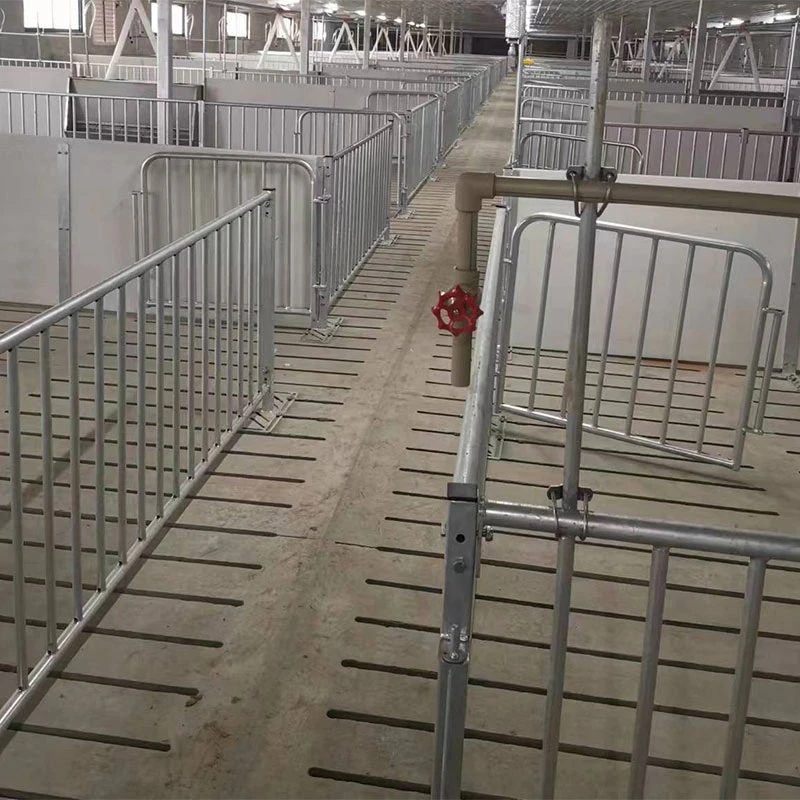
Most cast iron floors come as slatted panels that promote quick drainage of pig waste, reducing ammonia buildup and disease spread. This design keeps pens cleaner and air quality higher — both vital parameters for animal health.
Weight and Support
Clocking heavy because of the metal but designed to distribute weight evenly, cast iron floors support heavy pigs and equipment without bowing. This balance stops structural failures common with cheaper materials.
Anti-Corrosion Coating
Since manure is acidic and can corrode steel, many manufacturers add special coatings to extend floor life and maintain slip-resistance, crucial for animal safety.
Easy Installation & Maintenance
Cast iron slats often come modularly, fitting various piggery sizes and allowing faster installation or repairs, saving farms time and labor.
Product Specification Table: Typical Cast Iron Flooring for Piggery
| Feature | Specification | Notes |
|---|---|---|
| Material | Grey cast iron (EN-GJL-250) | Good wear resistance |
| Panel size | 2.0 m × 0.6 m | Standard modular dimension |
| Slot width | 25 mm | Optimized for waste drainage |
| Load capacity | Up to 5000 kg/m² | Supports mature sows and equipment |
| Coating | Polymer anti-corrosion & anti-slip | Extends lifespan, improves safety |
| Weight per panel | Approx. 150 kg | Requires mechanical assistance for install |
Where Is Cast Iron Flooring for Pig Production Used Globally?
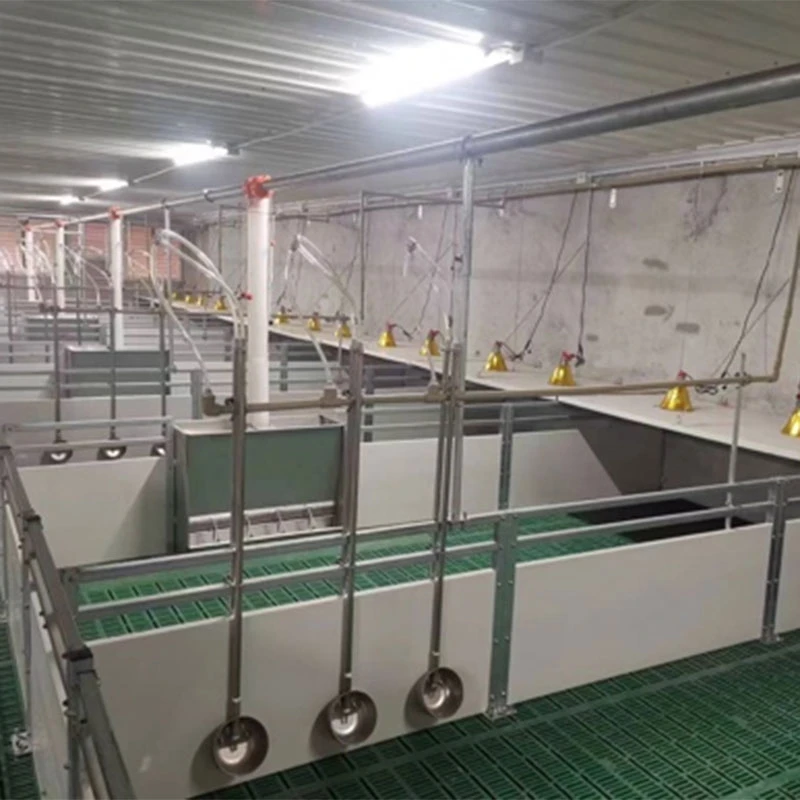
Major commercial pig producers, especially in Europe (Germany, Denmark), Asia (China, Vietnam), and parts of North America, increasingly invest in cast iron flooring due to strict welfare standards and high-tech farm automation.
In developing regions, organizations like the International Livestock Research Institute promote durable flooring to improve small-scale piggery hygiene — a key factor in reducing zoonotic disease risk.
For example, in post-disaster relief zones, modular cast iron floors can be quickly installed to restore pig shelters, improving food security for communities dependent on livestock.
Oddly enough, some remote industrial pig farms use cast iron floors precisely because they’re so low maintenance—it’s critical where skilled labor is scarce.
Comparing Top Vendors of Cast Iron Flooring for Piggery
| Vendor | Product Range | Lead Times | Typical Installation Support | Price Range (per panel) |
|---|---|---|---|---|
| IronFarm Solutions | Standard/Mixed sizes, anti-slip panels | 4-6 weeks | Onsite & remote guidance | $250 - $320 |
| SolidCast Industry | Custom sizes, special coatings | 6-8 weeks | Comprehensive installation teams | $300 - $400 |
| PiggeryFloors Co. | Modular slatted panels, quick-lock design | 3-5 weeks | DIY kits & tutorials | $210 - $280 |
Advantages and Long-Term Value of Cast Iron Flooring in Piggeries
- Sustainability: Reduced need for repairs and longevity means less waste over years.
- Cost Effectiveness: Though initial outlay is higher than simple concrete, long-term savings win out.
- Animal Welfare: Better foot health translates to more comfortable pigs and improved growth rates.
- Hygiene: Efficient waste drainage lowers disease risks, reducing antibiotic reliance.
- Trust & Innovation: Using proven materials builds consumer trust in farm practices.
Frankly, it’s not just about ticking regulatory boxes but about building a more dignified environment for animals and workers alike — something many farms only appreciate after they’ve upgraded.
Future Trends and Innovations in Cast Iron Flooring
The piggery flooring market isn’t standing still. New eco-friendly coatings and smart sensors embedded in floors promise real-time monitoring of animal weight, activity, and waste levels. Automation integration means pig farmers can optimize cleaning cycles and improve animal care remotely.
Green energy practices are influencing manufacture, with some companies powering foundries with renewables, lowering the carbon footprint of floor production.
Oddly enough, 3D printing trials of metal components hint at a future where custom cast iron floor parts can be made onsite, cutting lead times dramatically.
Challenges and How to Overcome Them
Common obstacles with cast iron flooring include weight making installation tricky without proper equipment, upfront costs putting off smallholders, and occasional corrosion if coatings fail.
Innovative approaches include modular panels designed for easy lifting, leasing or financing models making installation affordable, and improved polymer coatings extending lifespan even under harsh conditions.
Expert consultants also recommend pairing floors with well-designed waste management systems to get the full hygiene benefit.
FAQ: Frequently Asked Questions About Cast Iron Flooring for Piggery
- What are the maintenance needs of cast iron piggery floors?
- Maintenance is generally low. Regular cleaning with mild detergents and checks for coating damage suffice. Repairs mostly involve surface recoating or replacing damaged slats, which are modular and easy to swap.
- Is cast iron flooring suitable for all piggery sizes?
- Yes, the modular nature allows scaling from small farms to large commercial operations. Panels can be custom-sized or arranged flexibly depending on pig space requirements.
- How does cast iron flooring improve pig health?
- Its non-slip surface reduces injuries, and efficient waste drainage lowers ammonia levels, which benefits respiratory health and reduces infections in pigs.
- Can cast iron floors withstand harsh cleaning chemicals?
- With proper anti-corrosion coatings, cast iron floors resist most common disinfectants used in piggery operations, preventing rust and degradation over time.
- How quickly can cast iron flooring be installed?
- Installation times vary, but modular panels often allow farms to retrofit flooring within days rather than weeks, minimizing pig downtime.
Conclusion: Why Cast Iron Flooring Makes Sense for the Future of Pig Farming
Crafting a safe, durable, and hygienic environment using cast iron flooring is more than a practical choice — it’s a long-term investment in animal welfare, economic sustainability, and food security. With innovations pushing both material science and smart farming, this age-old material is proving alive and kicking for modern piggeries worldwide.
Curious to improve your piggery floor? Explore more about cast iron flooring for piggery and find solutions tailored to your farm’s needs!
References:
1. FAO - Livestock Systems
2. World Bank - Agriculture & Livestock
3. Wikipedia - Cast Iron
Post time: Dec . 02, 2025