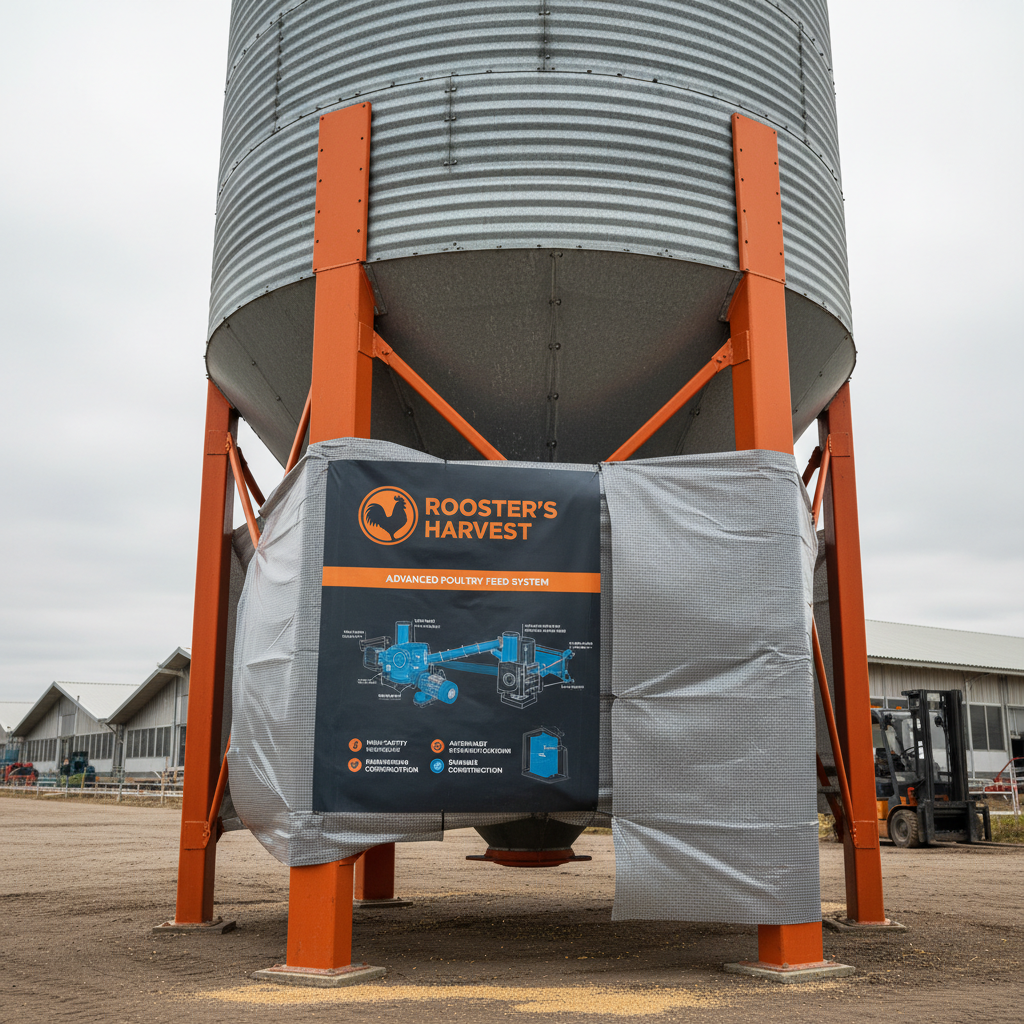
Navigating the Market for Bulk Feed Bins for Sale
In the rapidly evolving agricultural and livestock sectors, efficient feed management is paramount to operational profitability and animal welfare. The demand for robust and reliable bulk feed bins for sale has never been higher, driven by factors such as increasing farm sizes, stringent biosecurity protocols, and the need for automated feeding systems. This comprehensive guide delves into the technical aspects, industry trends, and practical considerations for procuring high-quality feed storage solutions.
Modern feed storage solutions offer significant advantages over traditional methods, including reduced feed spoilage, protection from pests and environmental contaminants, and streamlined logistics. As farms scale and integrate advanced technologies, the selection of appropriate feed bins becomes a strategic decision impacting operational efficiency and long-term investment returns. Understanding the intricacies of material science, structural engineering, and system integration is crucial for B2B decision-makers in this domain.
Industry Trends and Market Dynamics for Feed Storage Solutions
The global market for feed storage solutions, including specialized bulk feed bins for sale, is experiencing steady growth. A report by MarketsandMarkets projects the animal feed additives market alone to reach USD 27.2 billion by 2027, indicating a parallel rise in demand for efficient storage infrastructure. Key drivers include the growing livestock population, increasing adoption of precision livestock farming, and a heightened focus on feed safety and quality across animal husbandry, aquaculture, and pet food industries.
Technological advancements are shaping the industry, with integrated sensor systems for monitoring feed levels, temperature, and humidity becoming increasingly standard. Automation and IoT capabilities are enabling real-time data analysis, predictive maintenance, and optimized feed delivery schedules, contributing to higher operational efficiency and reduced labor costs for enterprises investing in state-of-the-art feed bins.
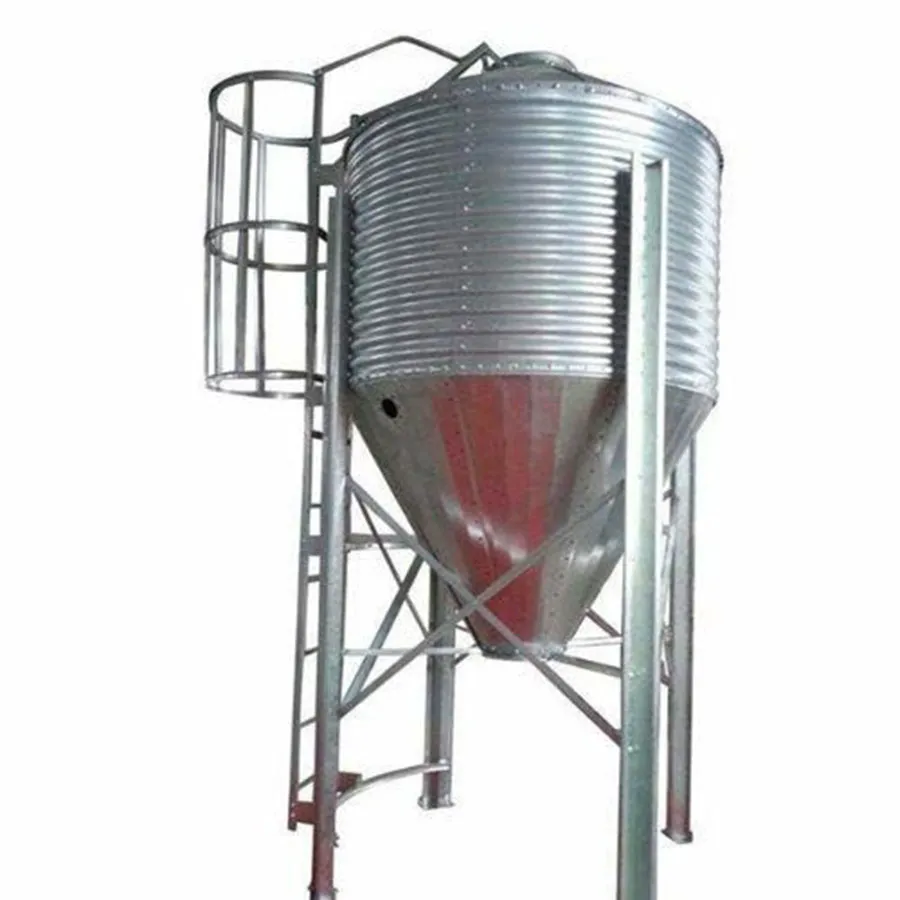
Manufacturing Process: Engineering Quality into Bulk Feed Bins
The production of high-performance feed storage bins for sale involves a meticulous process, ensuring durability, structural integrity, and long-term corrosion resistance. Materials are selected based on their mechanical properties, resistance to environmental degradation, and compatibility with various feed types. Typical materials include galvanized steel, fiberglass, or specialized polymers, often coated for enhanced protection.
Key Stages in Manufacturing Feed Bins:
- Material Selection & Preparation: High-tensile steel sheets (e.g., G90 galvanized steel, minimum 275 g/m² zinc coating) or UV-stabilized fiberglass composites are chosen. Sheets undergo precision cutting (e.g., laser or plasma cutting) to specified dimensions.
- Panel Forming & Rolling: Flat sheets are meticulously bent and rolled into cylindrical or conical sections using CNC-controlled press brakes and roll forming machines. This ensures accurate geometries and minimizes stress concentrations.
- Welding & Assembly: Sections are joined using advanced welding techniques (e.g., MIG/MAG welding for steel) or resin lamination for fiberglass. Critical seams are inspected for integrity and potential leak points. For modular bins, bolted connections with weather-resistant seals are common.
- Surface Treatment & Coating: Steel components often undergo passivation, priming, and powder coating or specialized paint application to enhance corrosion resistance and aesthetics. Fiberglass bins receive a smooth, weather-resistant gel coat.
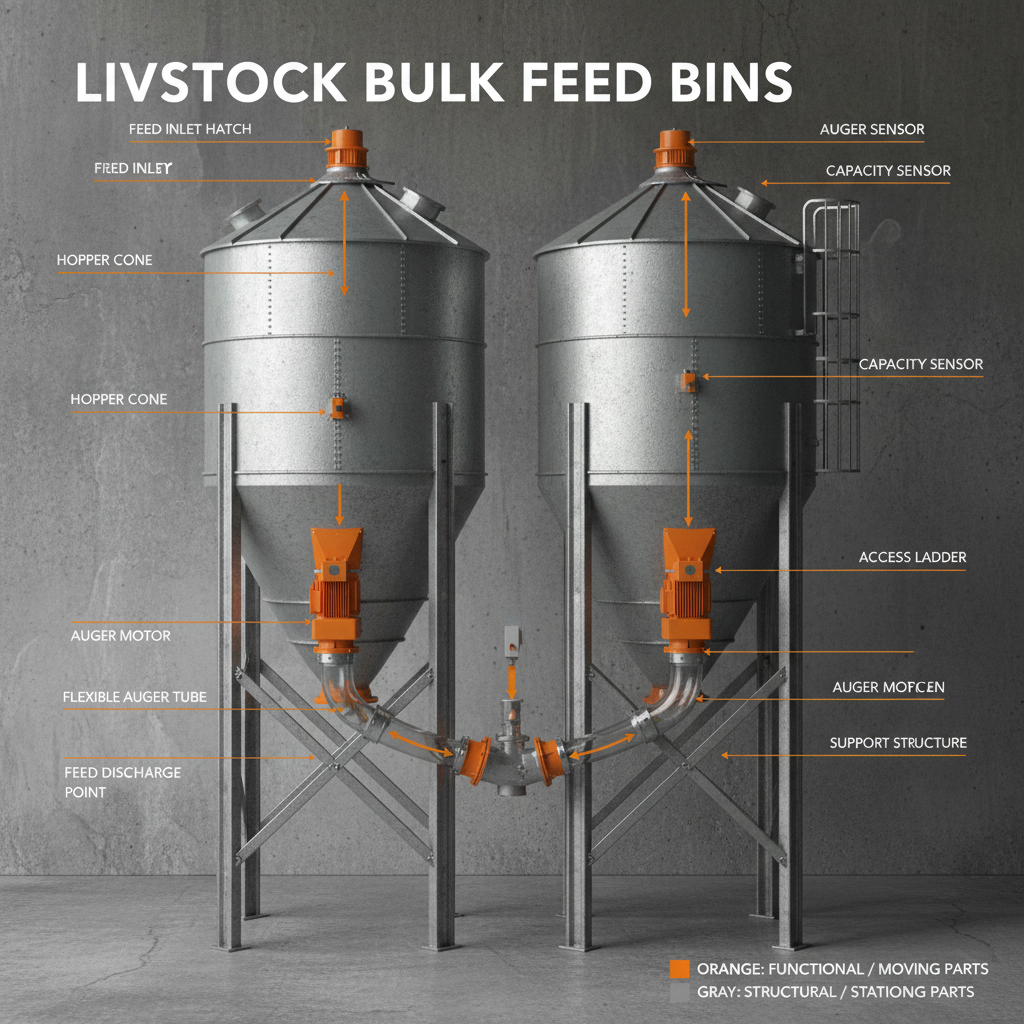
- Component Integration: This includes the installation of access hatches, ladders, ventilation systems, discharge augers, and level sensors. Components are often manufactured via casting or CNC machining for precision.
- Quality Assurance & Testing: Each bin undergoes rigorous testing. This includes structural integrity checks, leak tests (e.g., hydrostatic testing for certain designs), and adhesion tests for coatings. Products adhere to international standards such as ISO 9001 for quality management and relevant ANSI/ASABE standards for agricultural equipment.
Advantages and Target Industries:
The resulting feed bins for sale offer superior corrosion resistance, extended service life (typically 20+ years with proper maintenance), and energy-saving designs through optimized insulation and material choices. Target industries include large-scale commercial pig farms, poultry operations, dairy farms, aquaculture facilities, and feed mills, all benefiting from enhanced feed preservation and operational efficiency.
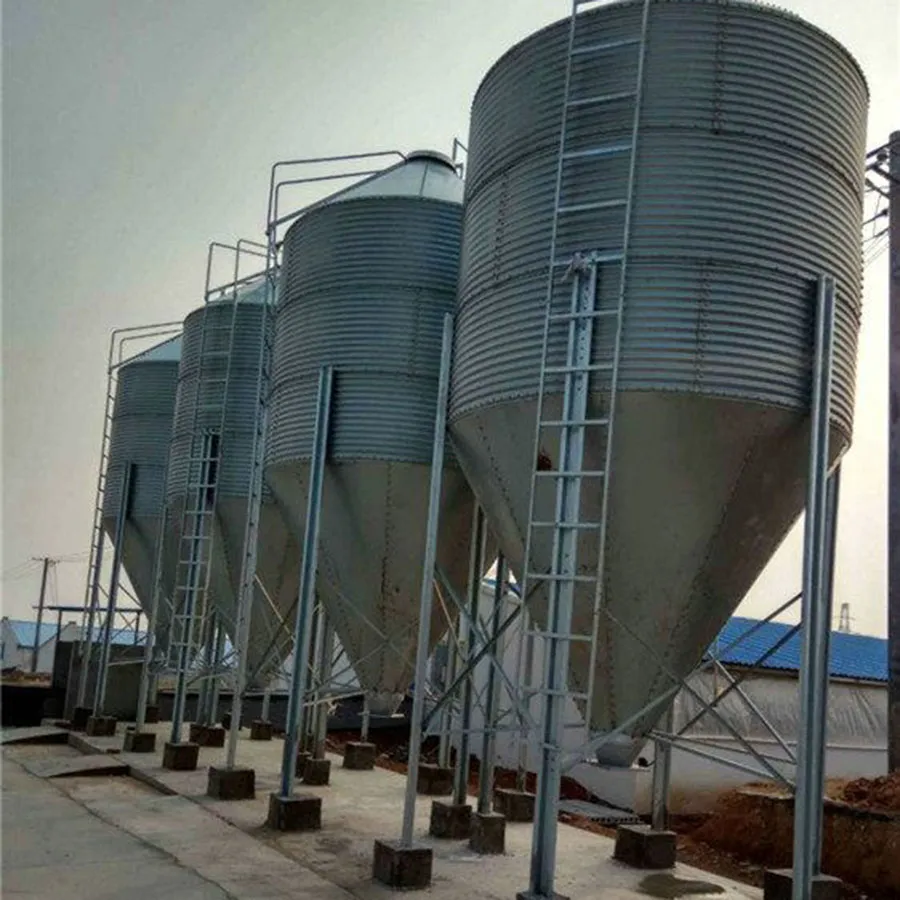
Technical Specifications and Parameters
When evaluating bulk feed bins for sale, technical specifications are critical. These parameters directly influence performance, longevity, and suitability for specific applications.
Typical Feed Bin Specifications:
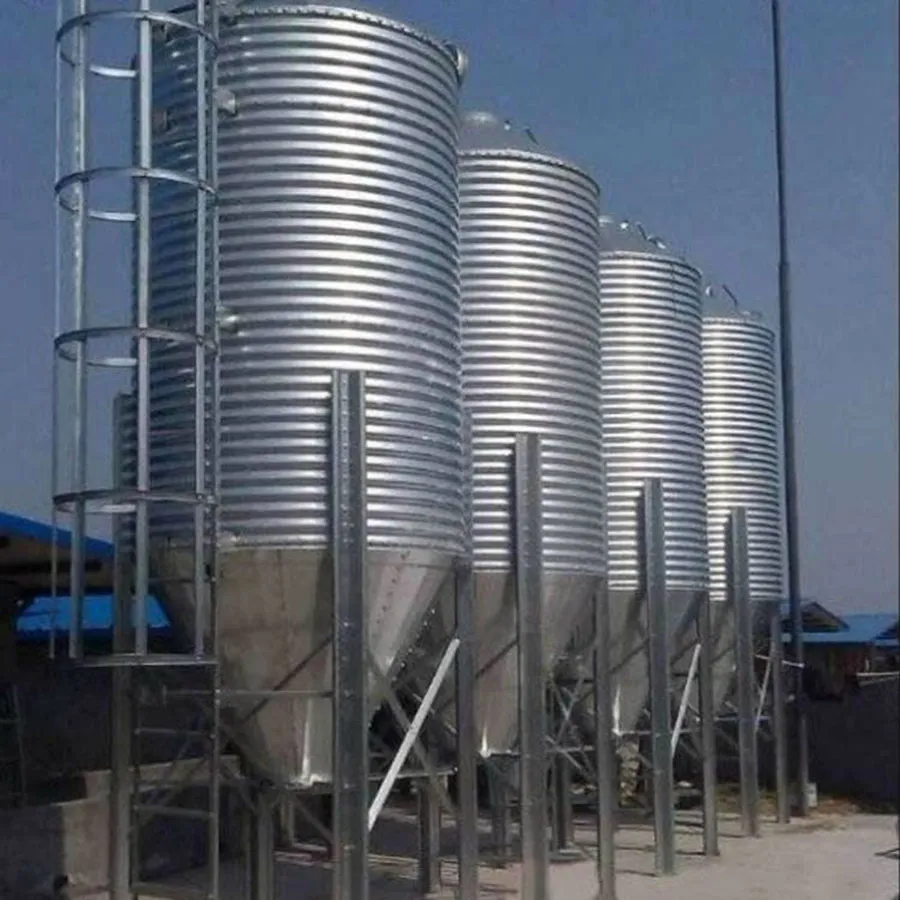
Application Scenarios and Technical Advantages
The versatility of modern feed storage bins for sale allows for their integration into diverse agricultural operations, each benefiting from specific technical advantages.
Typical Application Scenarios:
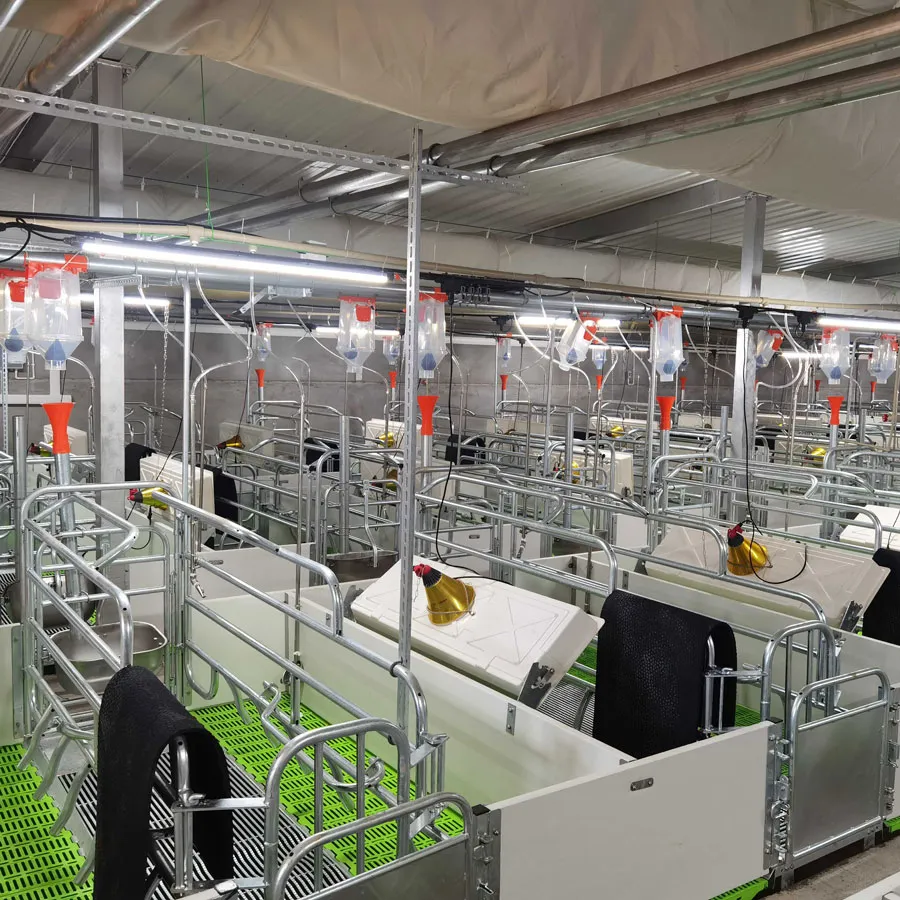
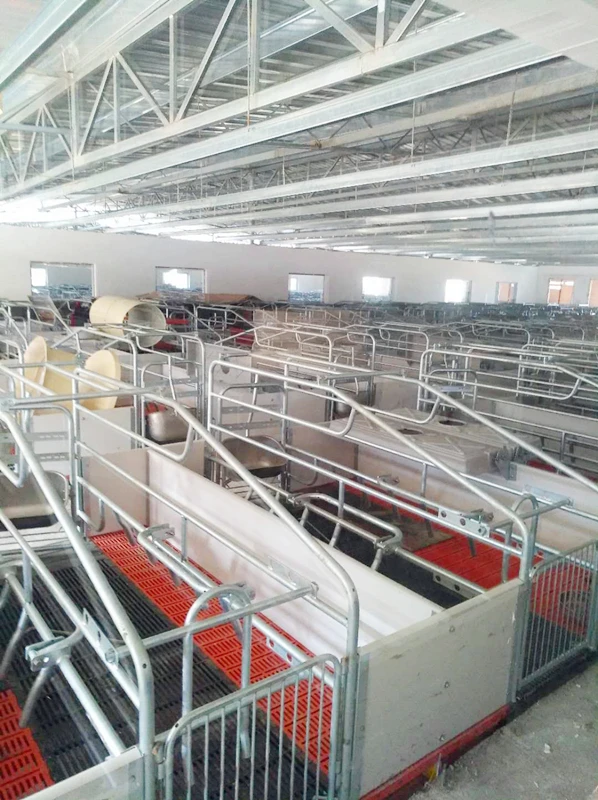
- Commercial Pig and Poultry Farms: Used for storing large volumes of pelleted or mash feed, integrating seamlessly with automated feeding lines, preventing feed contamination, and ensuring consistent supply.
- Dairy Operations: Storing concentrated feeds and supplements, protecting them from moisture and spoilage, critical for maintaining milk production and herd health.
- Aquaculture Facilities: Specialized designs to store fish feed, often requiring higher levels of moisture protection and precise discharge mechanisms to prevent clumping.
- Feed Mills: Acting as buffer storage for raw materials and finished products, facilitating continuous processing and efficient logistics.
Technical Advantages:
- Optimal Feed Preservation: Hermetic seals, advanced ventilation options (e.g., negative pressure systems), and reflective coatings minimize temperature fluctuations, prevent moisture ingress, and inhibit mold growth, thereby extending feed shelf life and nutritional integrity.
- Corrosion and Weather Resistance: High-grade galvanized steel with multiple layers of zinc coating or UV-stabilized fiberglass provides exceptional resistance to rust, acid rain, and harsh agricultural environments, ensuring structural longevity.
- Modular Design & Scalability: Many systems feature modular panels allowing for easy expansion, relocation, and customization to specific site requirements and future growth projections.
- Enhanced Biosecurity: Elevated designs and smooth interior surfaces prevent pest access and simplify cleaning, reducing the risk of disease transmission within the farm.
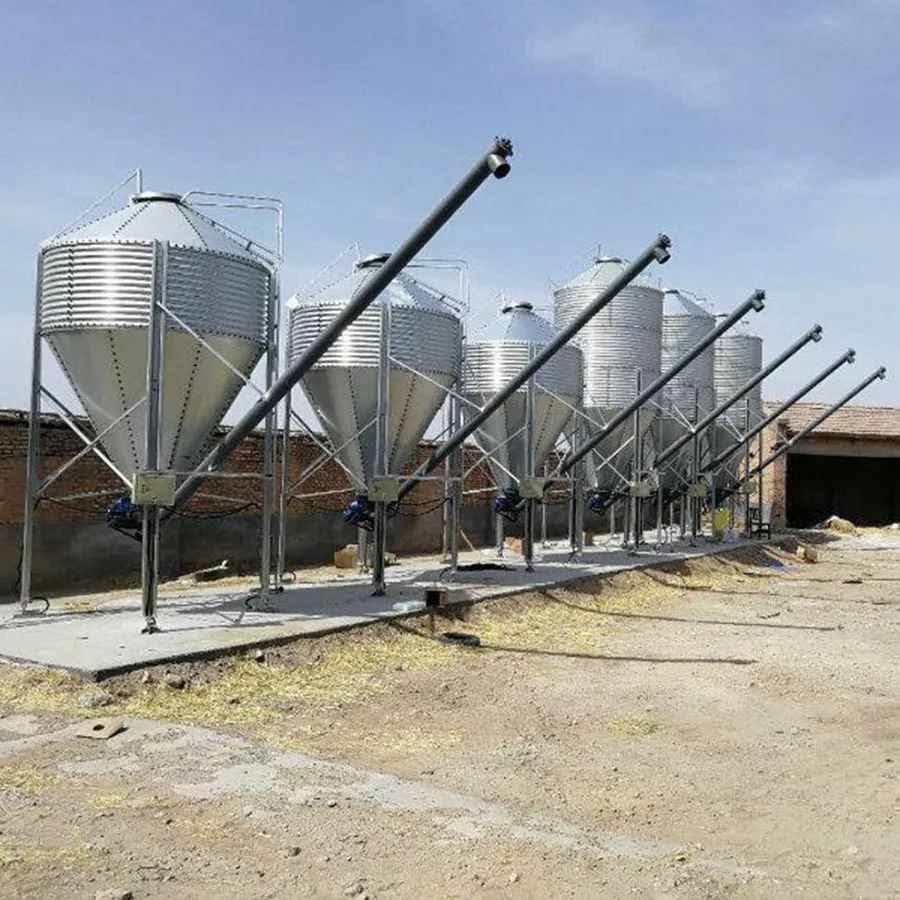
- Automated Integration: Designed for seamless integration with auger systems, conveyor belts, and computerized feeding programs, facilitating precise and automated feed delivery.
Vendor Comparison and Customized Solutions
When sourcing bulk feed bins for sale, a thorough vendor comparison is essential. While many manufacturers offer standard models, specialized B2B requirements often necessitate customized solutions.
Key Factors for Vendor Comparison:
- Material Quality and Guarantees: Verify the grade of steel or fiberglass, coating thickness, and manufacturer's warranty against corrosion and structural defects.
- Design and Engineering Expertise: Assess the vendor's capability to provide engineered solutions for specific climate conditions, feed types (e.g., high-moisture silage vs. dry pellets), and integration with existing farm infrastructure.
- Certification and Compliance: Ensure products meet international standards (ISO, CE) and local building codes.
- After-Sales Support: Evaluate installation services, spare parts availability, and technical support.
- Customization Capabilities: Look for vendors who can modify hopper angles, discharge mechanisms, access points, and sensor integrations.
Product Comparison Example: Galvanized Steel vs. Fiberglass Bins
Customized solutions often involve tailored dimensions to fit restricted spaces, specific hopper configurations for difficult-flowing feeds (e.g., high-fat feeds), or integration with bespoke automation systems. A reputable vendor will offer comprehensive consultation to design a solution that perfectly matches the client's operational needs.
Real-World Application Case Study
Case Study: Large-Scale Swine Farm Feed Automation Upgrade
A leading swine production company, "AgriPork Innovations," faced significant challenges with feed spoilage and inconsistent delivery across its multiple farrow-to-finish units. Their existing feed storage infrastructure consisted of aging, smaller capacity feed bins for sale that were prone to moisture infiltration and lacked modern automation capabilities.
Solution: AgriPork partnered with a specialized manufacturer of feed storage equipment to implement a phased upgrade. The solution involved installing ten 20-ton galvanized steel bulk feed bins with 67° hopper angles to accommodate diverse feed formulations. Each bin was equipped with ultrasonic feed level sensors, automated auger systems, and integrated into a central farm management software.
Results:
- Reduced Feed Spoilage: Advanced weatherproofing and ventilation reduced moisture ingress by 95%, leading to an estimated 7% reduction in feed waste annually.
- Improved Biosecurity: Elevated design and pest-proof construction virtually eliminated rodent and bird contamination risks.
- Operational Efficiency: Automated feed delivery systems reduced labor requirements for feed management by 30% and ensured precise, consistent feeding schedules, contributing to improved animal growth rates.
- Enhanced Data Visibility: Real-time feed inventory data allowed for optimized purchasing, reducing emergency orders and minimizing stockouts.
This case demonstrates how strategic investment in high-quality bulk feed bins for sale can yield substantial improvements in operational efficiency, feed quality, and ultimately, farm profitability.
Trustworthiness: FAQ, Lead Time, Warranty & Support
Frequently Asked Questions (FAQ)
- Q: What is the typical lead time for bulk feed bin orders?
A: Standard models typically have a lead time of 4-6 weeks from order confirmation to shipment. Customized solutions may require 8-12 weeks, depending on complexity and material availability. - Q: What warranty is offered on your feed bins?
A: We provide a comprehensive 5-year warranty on structural integrity and manufacturing defects, and a 10-year pro-rata warranty on the galvanization coating against corrosion, assuming proper maintenance and usage. - Q: Can the bins be integrated with existing automated feeding systems?
A: Yes, our bulk feed bins are designed for seamless integration with most standard auger and chain feeding systems. We offer various discharge adapters and sensor compatibility. - Q: Do you offer installation services or guidance?
A: We provide detailed installation manuals and technical drawings. For larger projects, we can arrange for supervisory assistance or full installation services through certified partners.
Lead Time & Fulfillment
Our production facility operates with lean manufacturing principles to ensure efficient order fulfillment. We maintain a robust inventory of raw materials and standard components to expedite delivery. For high-volume orders or highly specialized configurations of feed storage bins for sale, project timelines are collaboratively established and managed with dedicated account representatives.
Warranty Commitments
Our commitment to quality is underscored by our industry-leading warranty programs. Beyond the standard product warranty, extended service agreements are available for critical infrastructure projects, providing peace of mind and protecting your investment for decades.
Customer Support & After-Sales Service
We provide comprehensive technical support and after-sales service. Our team of experts is available for troubleshooting, maintenance advice, and spare parts procurement. With over 20 years in the livestock equipment industry and ISO 9001 certification, our expertise ensures that clients receive unparalleled support throughout the product lifecycle. Our partnerships with key clients globally, including major agribusiness corporations, are a testament to our authoritativeness and reliable service.
Conclusion
Investing in advanced bulk feed bins for sale is a strategic decision for any modern agricultural enterprise. The benefits extend beyond mere storage, encompassing improved feed quality, enhanced biosecurity, and significant operational efficiencies. By carefully considering technical specifications, manufacturing quality, vendor reputation, and customization options, B2B buyers can secure solutions that deliver optimal performance and long-term value, driving sustainability and profitability in their operations.
References
- MarketsandMarkets. (2022). Animal Feed Additives Market - Global Forecast to 2027. Retrieved from MarketsandMarkets Research Pvt. Ltd.
- American Society of Agricultural and Biological Engineers (ASABE). (2018). S362.2: Design and Construction of Bulk Storage Bins and Flat Storages. ASABE Standards.
- International Organization for Standardization (ISO). (2015). ISO 9001:2015 - Quality management systems — Requirements. ISO Standards.
- National Research Council (U.S.). (1993). Nutrient Requirements of Swine. National Academies Press.
Post time: Sep . 24, 2025