Understanding Water Troughs for Cattle: More Than Just a Bowl
Water troughs for cattle might seem simple enough — just containers for water, right? But in reality, their design, durability, and availability have wide-reaching implications globally, especially for livestock-dependent economies, food security, and even climate resilience. When you look closely, these seemingly humble vessels play a key role in animal welfare, farm productivity, and in some cases, humanitarian relief. This article will explore water troughs for cattle for sale, why they matter across industries and regions, and how the innovations shaping them might surprise you.
Why Water Troughs for Cattle Matter Worldwide
Livestock farming contributes roughly 40% of the global value of agricultural output, according to the FAO (Food and Agriculture Organization). Cattle alone represent a major portion, making access to clean, consistent water supply a critical concern for millions of farmers and herders. Interestingly, droughts and water shortages affect about 2 billion people worldwide annually (UNICEF), and animals can be just as vulnerable. This drives demand for reliable water troughs.
Problems arise when water distribution to cattle is inefficient or contaminated — illness and dehydration reduce productivity, threatening livelihoods. That's where durable water troughs for cattle for sale come in, offering a tangible, often cost-effective solution for better water management.
Mini takeaway:
- Cattle water troughs are essential for global food security and livestock health.
- Design and availability impact farmer income and animal welfare.
What Exactly Is a Water Trough for Cattle?
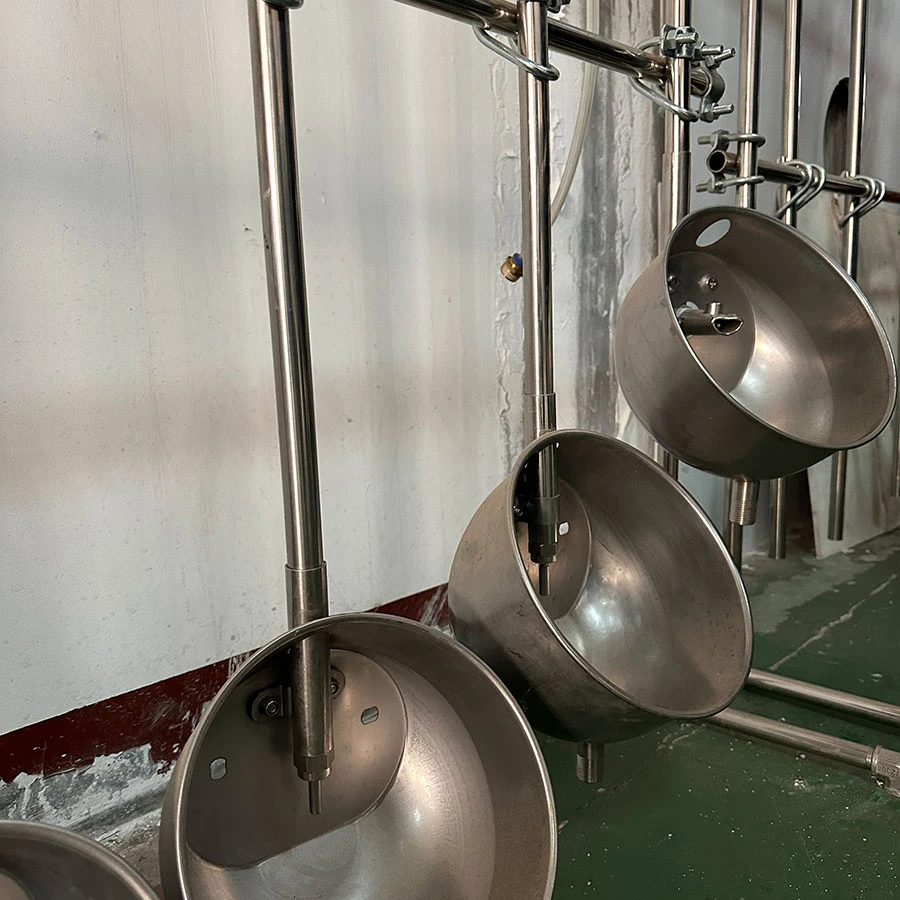
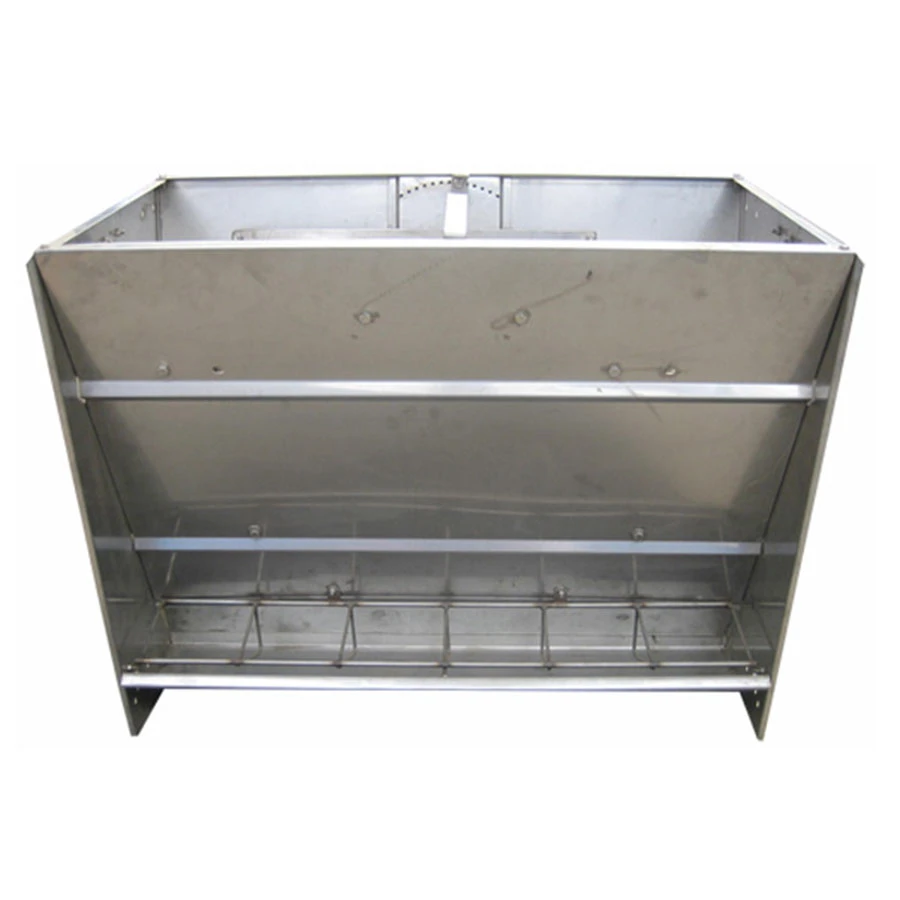
Put simply, a water trough for cattle is a container designed to hold water from which cattle can drink. But how these troughs are made, the materials used, size, and features vary widely, depending on climate, herd size, and other needs.
In modern agriculture, these troughs connect with automated watering systems, sometimes incorporating filters or sensors, ensuring animals get fresh water without constant manual refilling. In humanitarian or remote settings, pre-fabricated water troughs for cattle for sale provide vital infrastructure quickly, enhancing resilience.
Mini takeaway:
- Water troughs come in diverse shapes and tech levels, from simple buckets to sensor-enabled tanks.
- They represent a bridge between tradition and innovation in livestock care.
Key Features to Consider When Choosing a Water Trough for Cattle
1. Durability & Material Quality
Many engineers I’ve spoken to emphasize how critical durability is—especially when considering troughs exposed to harsh weather, rough animals, or even corrosive water. Common materials include galvanized steel, heavy-duty plastic, and concrete. Galvanized steel offers sturdiness and longevity but can be pricey. Plastic options have improved vastly in UV-stabilized polymers, making them lightweight and resistant to cracking.
2. Size & Capacity
In real terms, a farm with 50 head of cattle may need a trough capacity of at least 100-200 gallons to avoid constant refills. Thankfully, suppliers offering water troughs for cattle for sale cater to a variety of herd sizes. Bigger tanks must balance accessibility for all animals with water freshness — a tricky design challenge.
3. Ease of Cleaning & Maintenance
Routine maintenance prevents algae growth and bacterial contamination. Models with smooth, rounded interiors or detachable parts speed cleaning. Opaque materials also reduce light and algae development.
4. Scalability & Integration
For many modern farms, integration with automated water supply systems and sensors monitoring cattle hydration is a growing demand. Choosing troughs that can link to smart irrigation or watering tech saves time and water resources.
5. Cost Efficiency
At the end of the day, farmers weigh initial cost vs. long-term durability. It feels like an art, balancing upfront investment with reliability across seasons.
Mini takeaway:
- Material choice influences lifespan and maintenance frequency.
- The right size and tech integration can save resources and labor.
Real-World Uses Around the Globe
From the vast ranches of Texas to the arid pastoral lands of Kenya, water troughs for cattle for sale enable better livestock hydration, which improves growth rates and health.
In remote areas of Australia, solar-powered automatic filling troughs help conserve water in drought-prone landscapes. Meanwhile, NGOs in disaster relief zones have turned to pre-fabricated troughs for fast deployment, supporting displaced herders who lose access to natural water points. One case in Mongolia in 2022 showed how distributing modular water troughs helped maintain milk production during harsh winters.
These examples underscore how adaptive the humble trough can be — from high-tech smart farms to emergency response kits.
Product Specifications Comparison Table
| Feature | Galvanized Steel Model | UV-Stabilized Plastic Model | Concrete Trough |
|---|---|---|---|
| Capacity (Gallons) | 150 | 120 | 200 |
| Weight (Empty) | 75 lbs | 25 lbs | 200 lbs |
| Lifespan (Avg.) | 10+ years | 5–7 years | 15+ years |
| Maintenance Required | Moderate | Low | High (due to weight) |
| Price Range | $$$ | $$ | $$$$ |
Leading Vendors Compared
| Vendor | Product Range | Warranty | Price Level | Special Features |
|---|---|---|---|---|
| AgroTrough Inc. | Galvanized steel, plastic | 5 years | Mid-High | Automated refill options |
| Livestock Gear Co. | Plastic, concrete | 3 years | Affordable | UV-protection, robust design |
| RanchPro Supplies | Full range incl. modular | 7 years | High | Smart sensor-enabled troughs |
Why Invest in a Quality Water Trough for Cattle?
There’s a straightforward logic here: well-watered cattle are healthier, grow faster, and produce more milk or meat. Long-term, the right trough reduces stress on both animals and farmers. You’re likely cutting down water waste and labor costs. Socially, it helps maintain dignity in farming communities, giving livestock reliable hydration during dry spells or difficult seasons.
For the environment, some troughs now come paired with solar panels or rainwater harvesting systems, reflecting agriculture’s slow but steady shift toward sustainability. So it’s not just about water — it’s about smarter resource management, improving livelihoods, and future-proofing farms.
Where Are Water Trough Innovations Heading?
Frankly, we’re beginning to see digital transformation ripple through this “low-tech” segment. Automated, remote monitoring troughs that check water levels and quality are growing. Green energy complements such setups, with solar-powered pumps filling troughs where electricity is scarce.
Material science is also playing in: biodegradable composites and recycled plastics find their way into new models, encouraging circular economies. Policies encouraging sustainable farm infrastructure push both manufacturers and buyers toward greener, more durable options. The idea of “smart water management” is no longer confined to human consumption.
Challenges & Practical Solutions
One big headache remains: maintenance. Algae, cold freezing in winter, and animal wear tear tend to shorten trough life or healthiness of the water. Some farmers still struggle with traditional models lacking easy-clean features.
Experts suggest combining trough design with simple tech — like heaters, lids, or automated cleaning wands — to combat this. Education on best maintenance practices also helps, which organizations like the UN’s Food and Agricultural Organization promote globally.
FAQ: Common Questions About Water Troughs for Cattle for Sale
- What size water trough do I need for 30 head of cattle?
- A good rule of thumb is 3-5 gallons per animal at a time, so a 100-150 gallon trough typically suffices. But consider your refill capacity and climate, since hotter weather increases water need.
- Are plastic troughs durable for outdoor use?
- Modern UV-stabilized plastics hold up well and resist cracking under sunlight. They’re lighter and easier to clean than concrete or steel but may have a shorter lifespan.
- Can I connect my cattle trough to an automated water system?
- Many water troughs on the market support automated valves and sensors. This reduces manual fill-up, saves labor, and keeps water fresher for animals. Check vendor specs for compatibility.
- How do I prevent water freezing in winter?
- Options include insulated troughs, floating heaters, or heated water lines. Choosing appropriate materials and location can also reduce ice formation.
In Conclusion
Water troughs for cattle for sale are far from mundane — they’re vital lifelines in farming, emergency relief, and sustainable agriculture worldwide. Selecting the right trough balances materials, size, tech integration, and cost, but results in healthier herds and smarter water use. As technologies advance, these troughs become smarter, greener, and more reliable.
If you’re a farmer, contractor, or organization looking for trusted water trough solutions, explore your options today. Water trough for cattle for sale options abound to meet diverse needs — visit CxLivestock.com for detailed product lines and expert advice.
Quick final thoughts:
- Invest well, and your cattle’s hydration becomes a source of strength, not worry.
- With planet-friendly approaches gaining steam, expect trough innovation to accelerate.
- Water troughs are deceptively simple — but their benefits ripple far beyond just quenching thirst.
References
Post time: Nov . 30, 2025