Cattle Stall Dividers: The Unsung Heroes of Modern Livestock Management
Picture a busy farmyard or a sprawling dairy facility anywhere in the world. Behind the scenes, the seemingly simple cattle stall divider plays an essential role. Not just a barrier between animals, these dividers underpin animal welfare, operational efficiency, and even sustainability in livestock farming. Understanding cattle stall dividers might appear niche, but globally, their importance ripples through food security, animal health, and farm economics.
Livestock farming contributes a staggering 40% of global agricultural GDP, according to the United Nations’ Food and Agriculture Organization (FAO). Within that context, proper animal housing and management are critical, which is exactly where high-quality stall dividers fit in—optimizing space, minimizing stress, and preventing injury.
Why Are Cattle Stall Dividers So Important Worldwide?
The global meat and dairy markets depend heavily on efficient cattle rearing systems. According to the World Bank, cattle populations have grown steadily worldwide, pushing farms to innovate infrastructure. Without smart design elements like sturdy cattle stall dividers, overcrowding or fights among animals become costly issues — leading to injuries, reduced productivity, and heightened disease risks.
Interestingly, in regions like the EU and North America, regulations increasingly push toward improved animal welfare standards—requiring better housing separation to reduce stress and transmission of pathogens. In developing regions, affordable but durable stall dividers can drastically upgrade the standard of livestock care, boosting both farmer income and animal wellbeing.
Key Takeaway:
- Cattle stall dividers are critical for animal safety, welfare, and farm efficiency worldwide.
- They help meet rising regulatory standards and respond to growing global demand for livestock products.
What Exactly Are Cattle Stall Dividers?
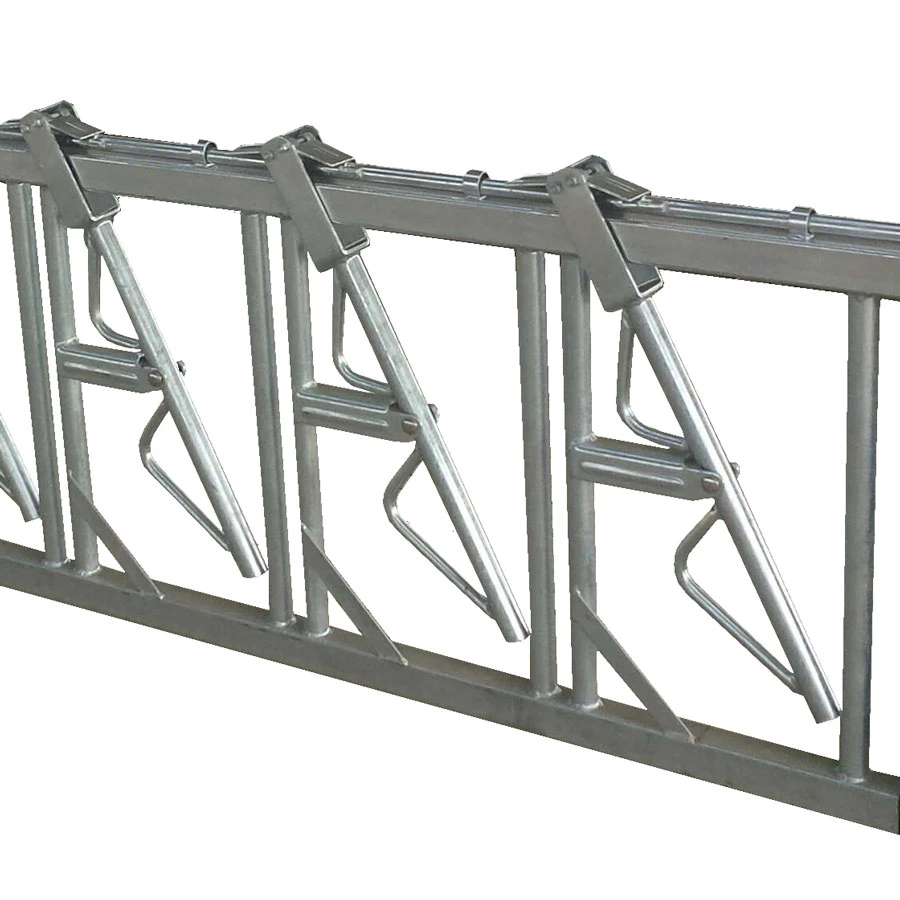
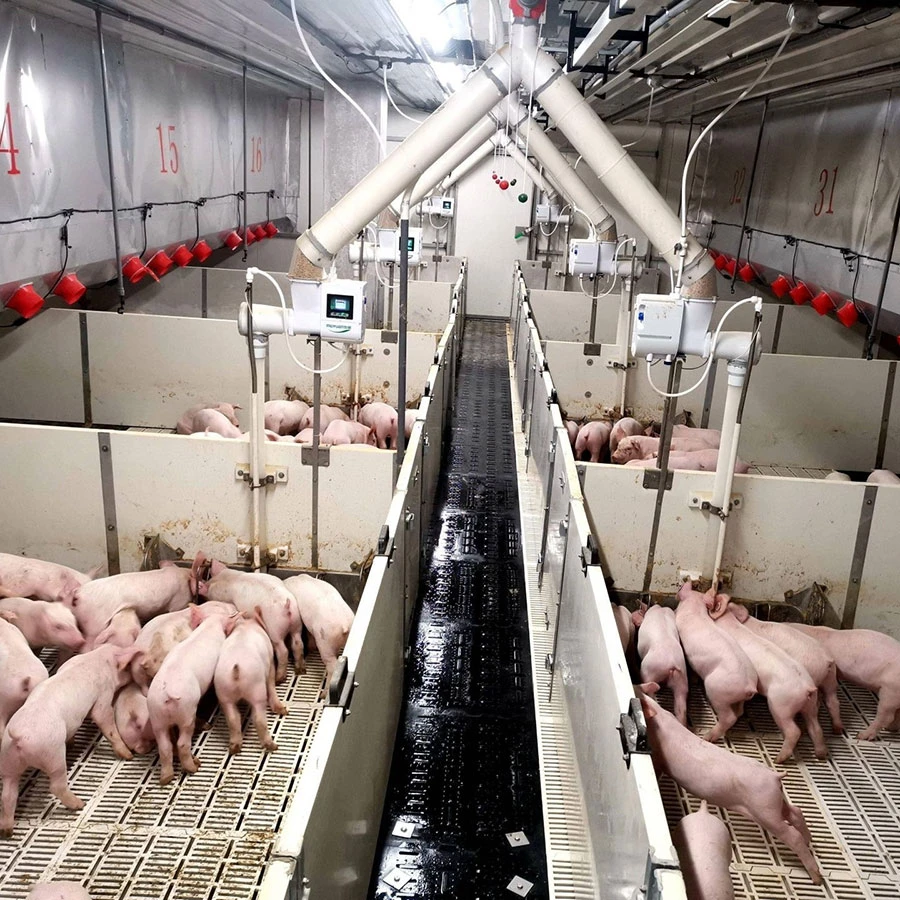
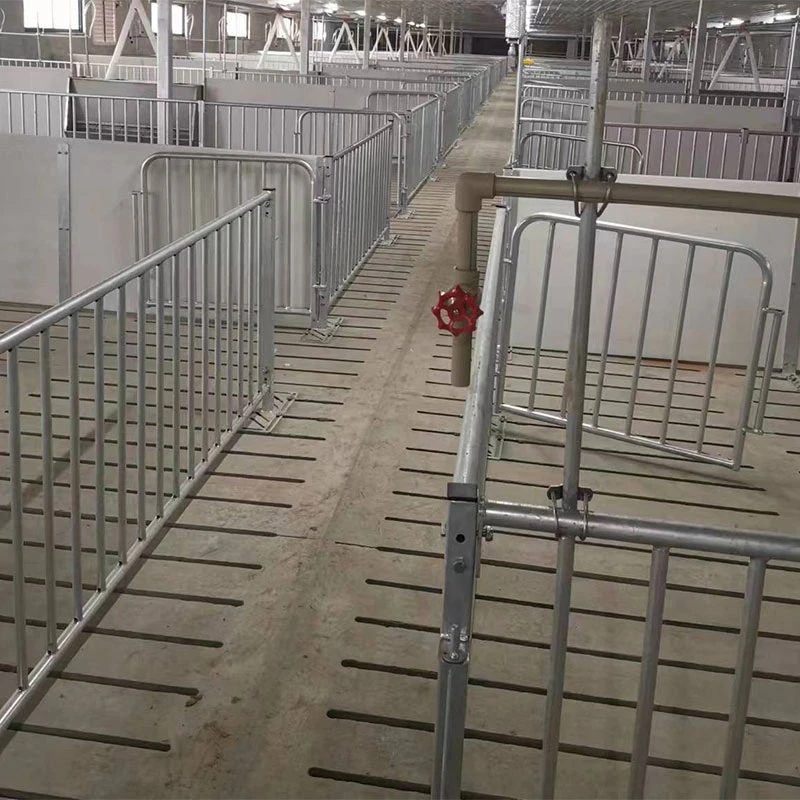
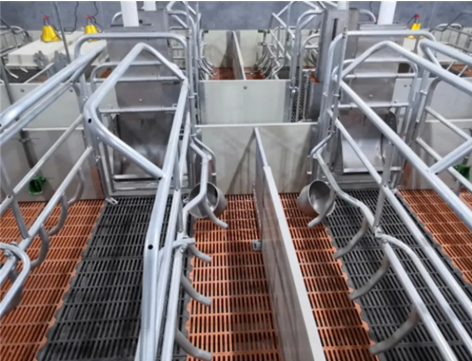
Simply put, cattle stall dividers are physical partitions installed between individual cattle in a barn or pen. They provide clear boundaries, so animals have their own space while still maintaining social contact. This reduces aggressive interactions while encouraging natural behaviors.
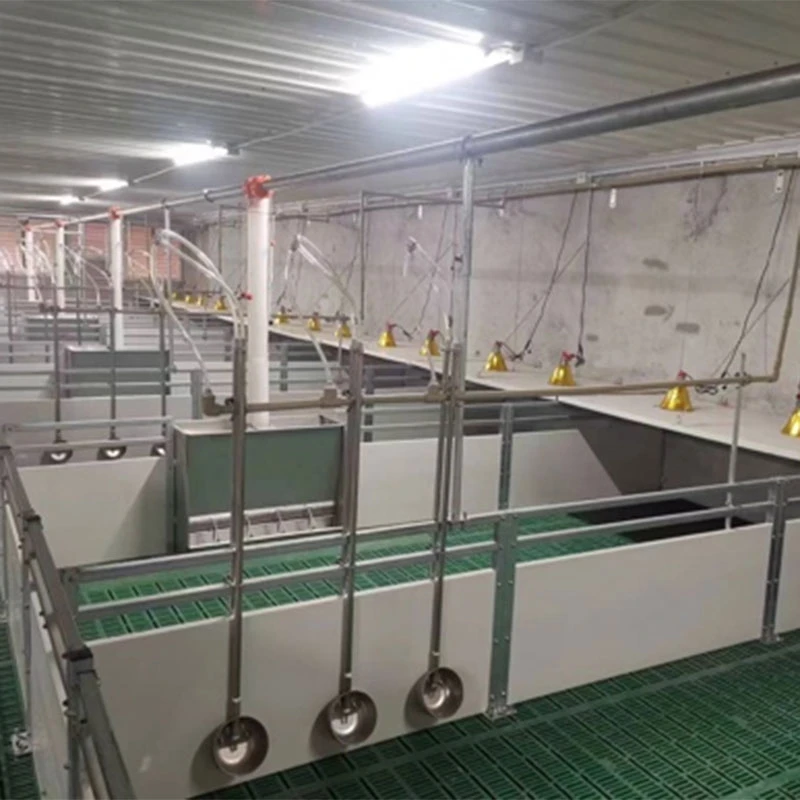
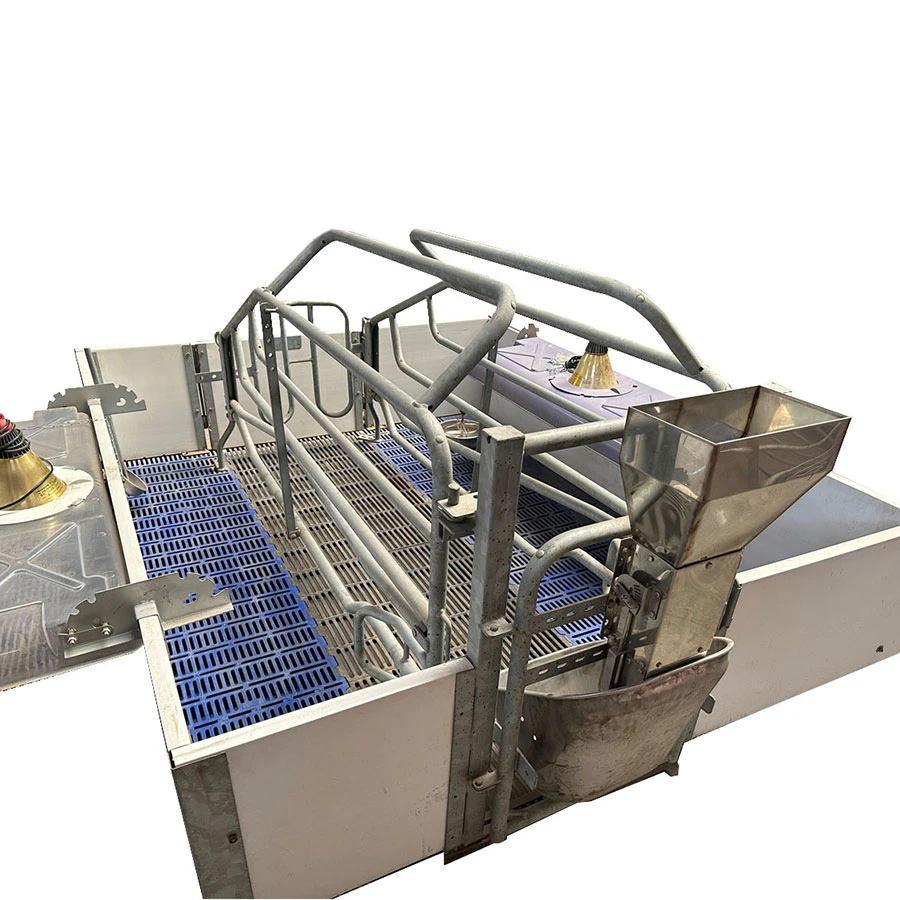
In modern industrial farms or cooperative dairies, these dividers come in various designs — from heavy-duty steel frames with rubberized guards to lightweight modular systems. They’re designed with ventilation, cleanliness, and easy cleaning in mind. In humanitarian or emergency livestock rescue situations, portable stall dividers are invaluable for quick setup and reliable animal segregation.
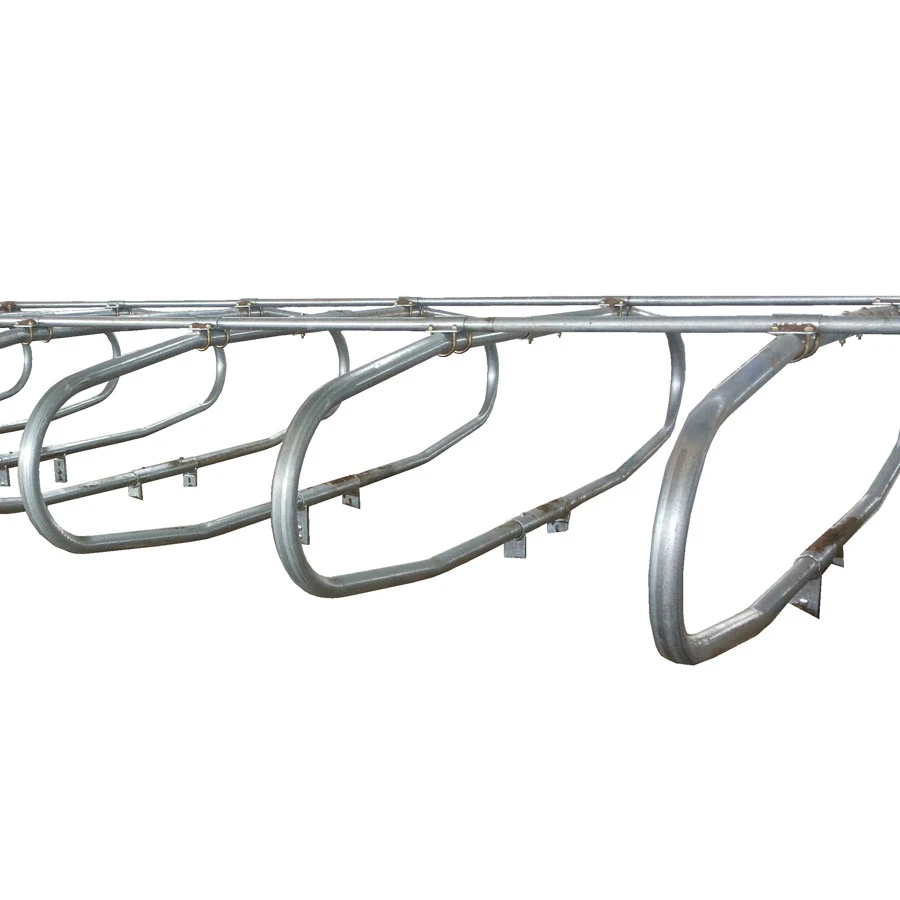
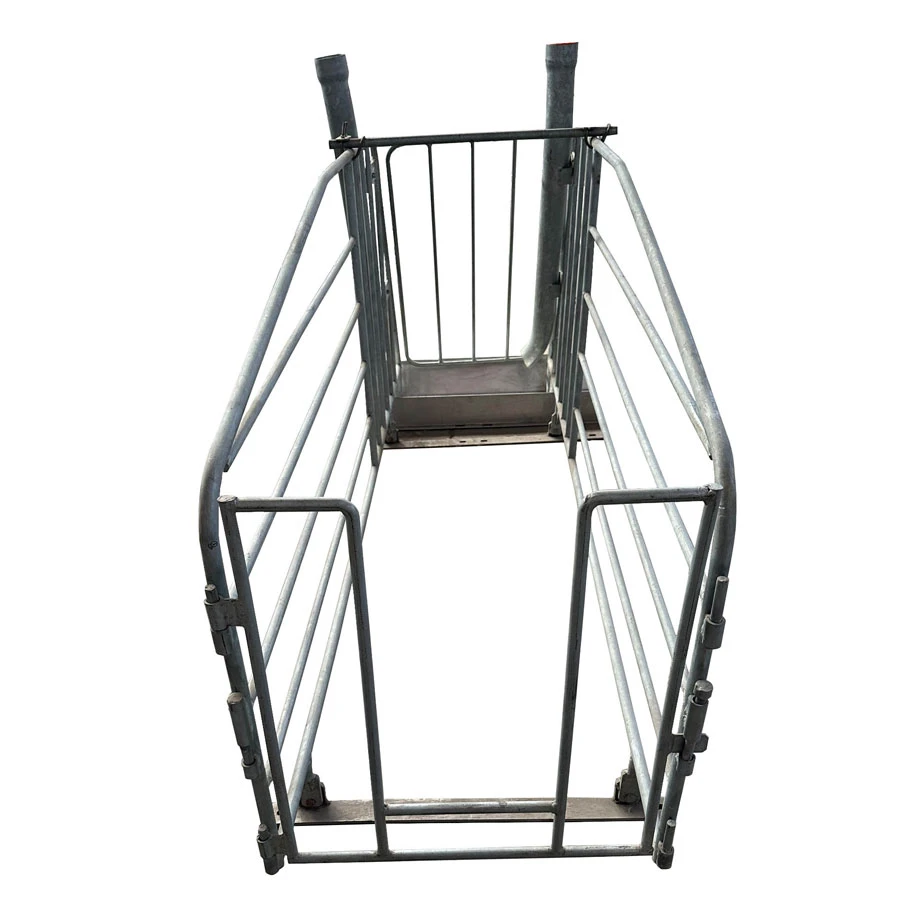
Core Components of a Typical Cattle Stall Divider:
- Frame Material: Usually galvanized steel or aluminum for durability and rust resistance.
- Divider Type: Fixed or movable, rigid or padded based on animal size and farm practices.
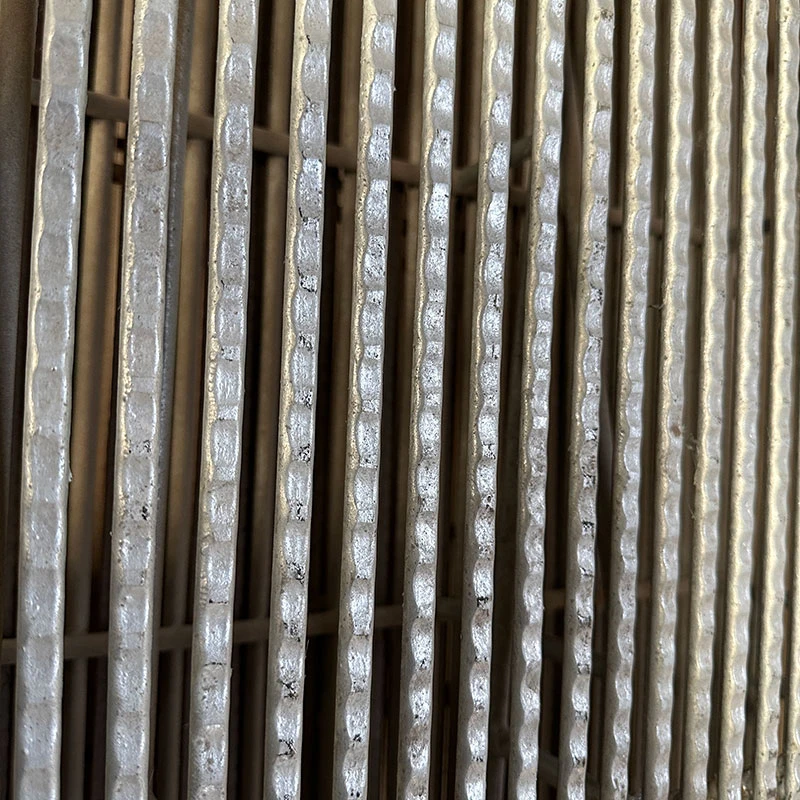
- Surface Features: Smooth edges, non-toxic coatings, and sometimes rubber padding.
- Attachment & Mounting: Modular bolts, clamps, or chains for quick adjustments.
Mini Summary:
These dividers are thoughtfully engineered to balance safety, hygiene, and adaptability — all crucial in the cattle husbandry ecosystem.
What Are the Main Features to Consider When Choosing Cattle Stall Dividers?
Durability & Strength
Farm environments are notoriously tough on equipment. Cattle stall dividers must resist rust, impact, chewing, and daily wear and tear. Manufacturers often coat steel with zinc or powder finishes to enhance longevity.
Flexibility and Scalability
The ability to reconfigure or extend divider setups saves farms from costly rebuilds. This is especially true in expanding operations or varying cattle groups seasonally.
Cost Efficiency
Price matters — farms on tighter budgets look for sturdy yet affordable options, often requiring a fine balance between upfront investment and lifespan.
Animal Welfare Support
Smart divider designs reduce stress by offering privacy without isolation. Proper spacing and smooth edges prevent injuries.
Maintenance & Hygiene
Dividers that clean easily reduce disease risk and labor costs. Using smooth materials and open-frame structures facilitates this.
Summary:
Demanding these factors in stall dividers pays dividends with healthier herds and more efficient farm operations.
Where Are Cattle Stall Dividers Used Globally? Real-World Examples
From large-scale dairies in Wisconsin to family-run farms in Brazil, cattle stall dividers are everywhere. In Europe, farms increasingly integrate ergonomic dividers meeting ISO animal welfare guidelines (ISO 10993). In parts of Africa, NGOs supply simple modular dividers to pastoralists during drought relief—separating weakened animals to ease treatment.
Case in point: In New Zealand’s freeze branding sector, flexible stall dividers allow for handling large herds without stress-induced injuries. Meanwhile, automated dairy parlors in Germany employ high-tech dividers with sensors to track animal movement—marrying traditional care with cutting-edge tech.
Mini Takeaway:
- Cattle stall dividers adapt to both high-tech and low-tech environments worldwide.
- They contribute directly to livestock rescue, sustainable farming, and welfare improvements.
Advantages & Long-Term Value of Using Quality Cattle Stall Dividers
- Cost Savings: Fewer animal injuries mean lower veterinary bills and less downtime.
- Improved Productivity: Less stress leads to better milk yields and weight gain.
- Sustainability: Durable materials reduce waste and the need for frequent replacement.
- Social Impact: Higher welfare standards support ethical farming initiatives and can improve market access.
- Peace of Mind: Knowing animals are safe and comfortable fosters trust between farmers and consumers.
It’s odd but true — investing in a well-designed cattle stall divider can ripple beyond the farm gate, influencing environmental footprints and rural livelihoods.
Emerging Trends & Innovation in Cattle Stall Divider Design
Smart farming isn’t just about drones and sensors. The humble stall divider is evolving. New materials like recycled plastics and composites boost sustainability without sacrificing strength. Some farms adopt automated adjustable dividers for flexible space allocation depending on herd size.
Green energy integrations — say, solar-powered sensors attached to dividers — track cattle behavior in real-time, helping early illness detection. Digital transformation even tackles data management, pairing stall modularity with herd analytics, predictive maintenance, and remote monitoring.
Future Takeaway:
The integration of sustainability and smart tech in cattle stall dividers points toward more humane, efficient, and eco-friendly farming futures.
Challenges & How Experts Suggest Overcoming Them
Of course, there’s no perfect cattle stall divider. Challenges include the upfront cost for high-end products, limitations in transporting large modular units to remote farms, and difficulties customizing dividers for mixed herds or different cattle breeds.
Experts recommend modular, scalable systems that balance durability with affordability. Combining local materials and standardized parts can ease supply chain hurdles. Training farm staff on maintenance and recognizing wear signs ensures dividers last longer.
Frequently Asked Questions About Cattle Stall Dividers
- What materials are best for cattle stall dividers to ensure longevity?
- Galvanized steel is often preferred for its strength and rust resistance. Powder-coated aluminum offers lightweight alternatives. Rubber padding helps reduce injury, but material choice should reflect farm climate and cattle behavior.
- How can stall dividers improve cattle welfare?
- By providing individual space and reducing stress from overcrowding, dividers lower aggressive interactions, which improves health and productivity.
- Are portable stall dividers effective for emergency livestock shelters?
- Yes, modular and lightweight dividers can be quickly deployed during rescue or disaster situations, helping segregate animals safely.
- Can cattle stall dividers be customized for different cattle breeds?
- Definitely. Modular and adjustable dividers allow farms to adapt sizes and features depending on breed size and behavior.
- Do high-tech dividers with sensors really benefit farm management?
- They can enhance monitoring and early disease detection, though they come with higher costs. For large-scale farms, they often justify the investment.
Product Specification Table
| Feature | Description | Typical Value/Option |
|---|---|---|
| Material | Frame composition | Galvanized steel, powder-coated aluminum |
| Dimensions | Height x Width | 120 cm x 150 cm (adjustable) |
| Divider Type | Fixed or movable | Removable modular panels available |
| Weight | Approximate per unit | 25–35 kg |
| Surface finish | Corrosion-resistant coating | Powder-coated or galvanized zinc |
Vendor Comparison Table
| Vendor | Pricing (per unit) | Material Options | Customization | Key Feature |
|---|---|---|---|---|
| AgriSteel Pro | $140 | Galvanized steel only | Standard sizes | Heavy-duty rust resistance |
| FarmEquip Solutions | $120 | Aluminum, composite panels | Custom dimensions and colors | Lightweight and modular |
| LivestockSafe | $155 | Galvanized steel with rubber padding | Adjustable panels for large breeds | Emphasizes animal welfare |
Wrapping It Up: Why Cattle Stall Dividers Matter
So, in the end, cattle stall dividers aren’t just simple fences — they’re a cornerstone in sustainable livestock farming, connecting animal welfare, farm economics, and global food systems. By investing in well-designed stall dividers, farms improve productivity, reduce injuries, and foster ethical practices that resonate far beyond the barn.
Interested in upgrading your farm’s infrastructure? Check out the latest in cattle stall dividers — your herd will thank you, and so will your bottom line.
References
Post time: Nov . 26, 2025