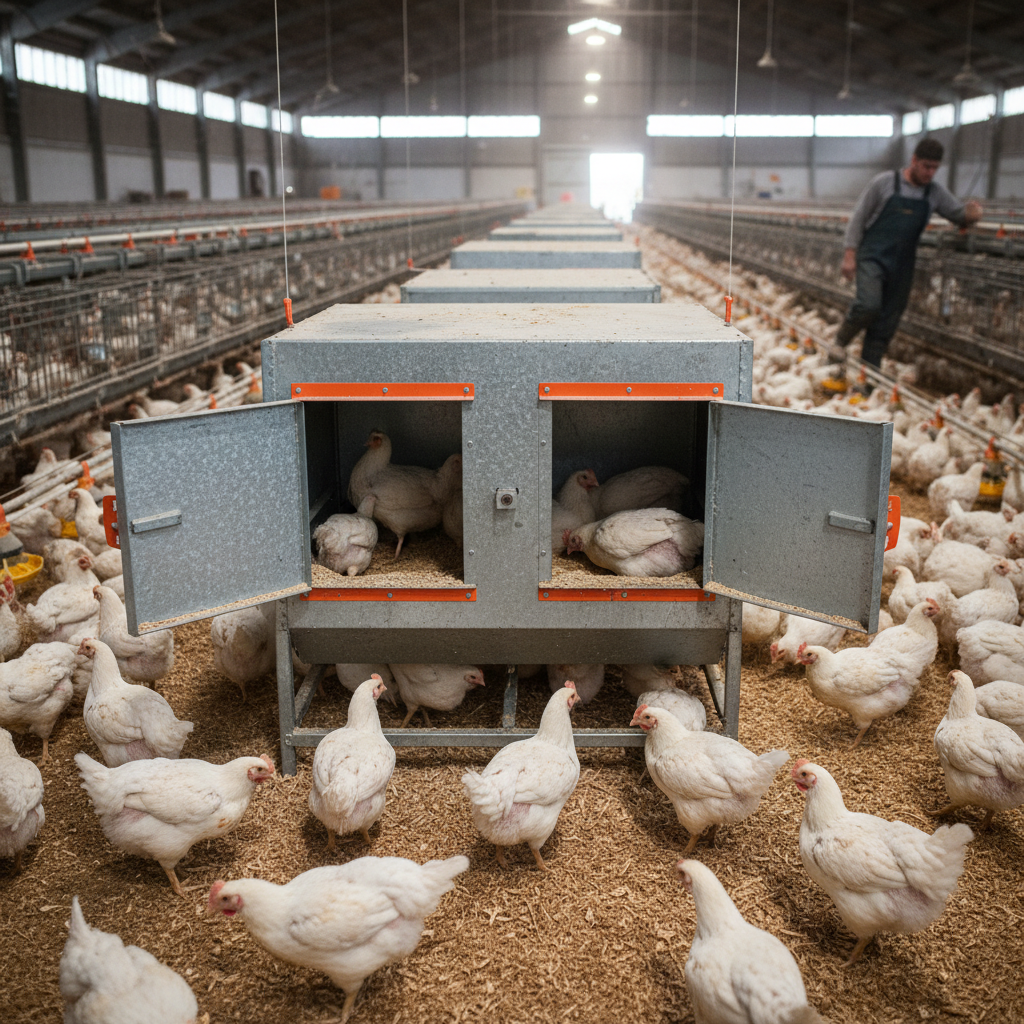
Understanding Cattle Headlock Panels for Sale: Why They Matter in Global Livestock Management
At first glance, a cattle headlock panel might appear to be just another piece of farm equipment. But when you think about the scale of livestock farming worldwide, it turns into something so much more significant. These panels are vital tools that serve as both a productivity booster for farmers and a welfare enhancer for the animals. With the global cattle industry supporting millions of livelihoods, understanding cattle headlock panels for sale isn’t just a niche interest—it’s a matter that touches food security, animal welfare, and efficiency in farming practices everywhere.
So why do these panels matter on a global scale? According to the Food and Agriculture Organization (FAO), cattle production contributes significantly to economies worldwide, with over 1.4 billion cattle raised. Efficient handling systems like headlock panels can enhance productivity by ensuring safer, easier management, which is crucial as farms grow larger and more complex. Handling livestock humanely and securely remains a challenge across many regions — but that’s exactly where headlock panels play a pivotal role.
Mini takeaway: Cattle headlock panels are more than just hardware; they’re an essential link between animal welfare and efficient livestock management on a global scale.
The Global Context: Why Cattle Headlock Panels Are Increasingly Critical
Livestock farming today is under pressure to deliver more — more meat, more milk, and better animal care — all while facing challenges like land limitations, disease control, and sustainability goals. The World Bank reports that cattle production systems are evolving with increasing mechanization and better infrastructure.
However, handling large herds safely remains a sticking point. Injuries to both cattle and handlers during routine procedures like feeding, veterinary check-ups, or sorting have a widespread impact on productivity and morale.
Now imagine a setup where cattle can be gently but securely held in place when needed—reducing stress and risk. That’s where cattle headlock panels come in. They have revolutionized the cattle handling process, supporting better animal welfare and operational efficiency worldwide.
What Are Cattle Headlock Panels?
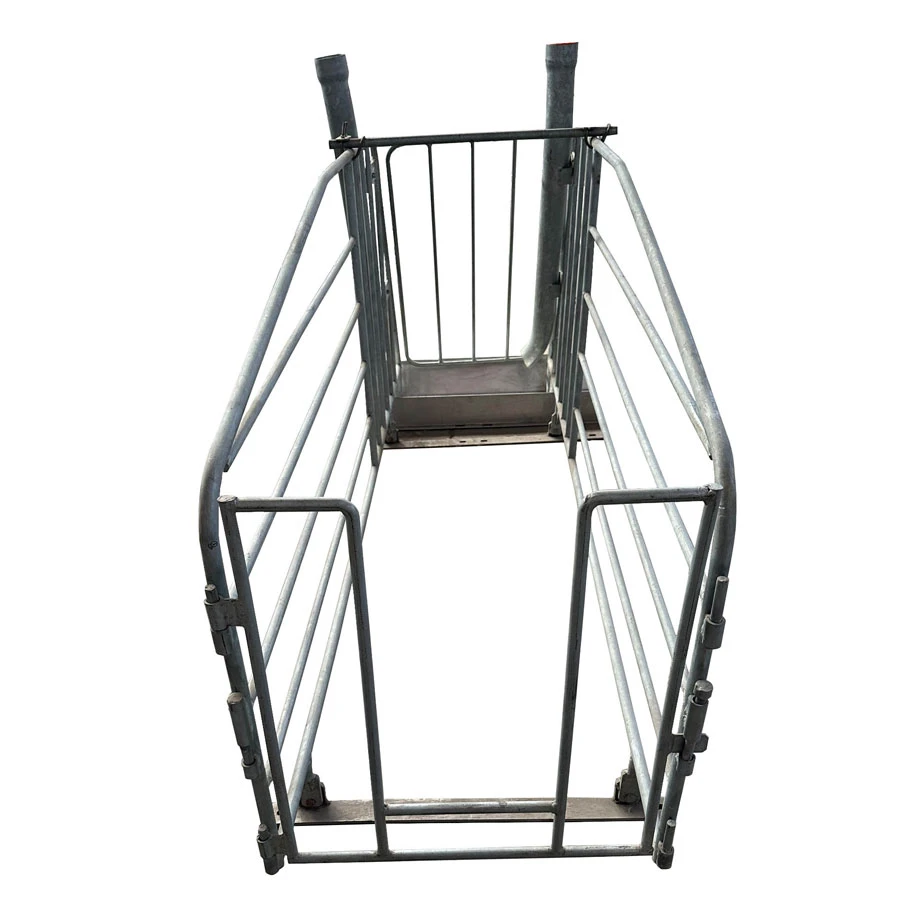
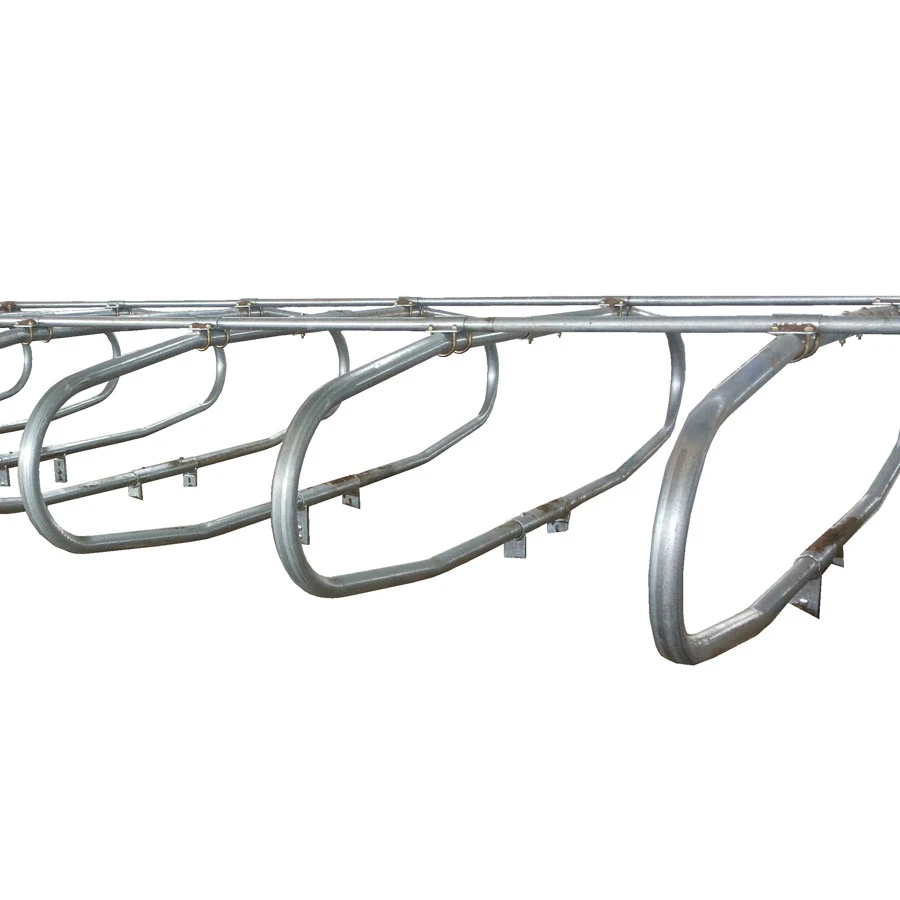
Simply put, cattle headlock panels are sturdy metal structures designed to secure an individual animal's head in a fixed position. This makes routine tasks—feeding, vaccination, tagging, or health inspections—safer and less stressful. The panels “lock” the animal’s head in place, preventing sudden movements and injuries without causing harm.
This technology traces its roots to improving animal handling, but oddly enough, it also has broader resonance. Headlock panels echo the push across industries for humane treatment, automation, and safety. They’re a small but critical piece in the puzzle of modern-day livestock farming and animal welfare legislation.
Key Factors Behind Choosing the Right Cattle Headlock Panels
Durability and Material Quality
Since cattle are heavy and strong, the panels need to stand up to constant use and sometimes rough treatment. Many panels are made from galvanized steel to resist rust and accidental damage, ensuring long life even in wet or muddy conditions.
Safety Design Features
Good designs prevent injury through smooth edges, secure locks, and adjustable widths to accommodate different breeds. They often feature quick-release mechanisms to free cattle in emergencies—because safety isn’t just about prevention but preparedness.
Ease of Installation and Scalability
For farmers expanding their operations or upgrading equipment, panels that snap together, fit standard rails, or can be easily repositioned save time and money. Scalability is key when herd sizes change seasonally or due to breeding cycles.
Cost Efficiency
Investing in cattle headlock panels may feel costly upfront, but the long-term savings in labor, injuries, and stress management often balance the books. Some modern panels come with modular parts, allowing selective replacement of worn components rather than entire structures.
Compatibility with Existing Infrastructure
It’s crucial the panels integrate seamlessly with feeding systems, chutes, and vet facilities. Otherwise, they risk becoming cumbersome and underused.
Mini takeaway: A durable, safe, and cost-effective cattle headlock panel lineup allows farms to improve animal handling without headaches or hidden costs.
Real-World Applications and Use Cases
Across continents—from the expansive ranches of the American Midwest to the mixed farms of Europe, and even in intensive dairy units of Australia—cattle headlock panels have become a mainstay. NGOs working in post-disaster relief zones find them invaluable to stabilize herds quickly before vaccination programs. In remote industrial grazing zones, where labor is costly, these panels reduce the need for large teams to handle cattle safely.
A farmer in Kansas recently credited installing new headlock panels with reducing vet-related cattle injuries by 30%, reflecting both animal comfort and cost savings—a testament to how practical these systems can be.
Advantages and Long-Term Value of Cattle Headlock Panel Systems
- Enhanced Animal Welfare: Reducing stress and injury during handling builds healthier herds.
- Labor Efficiency: Fewer workers can manage larger herds more safely.
- Operational Safety: Protects workers from sudden animal movements.
- Durability: Costs saved by investing in long-lasting materials.
- Trust and Reputation: Shows commitment to humane farming, increasingly demanded by consumers.
In real terms, it feels like investing in cattle headlock panels pays dividends not just on the balance sheet but in community trust and farm sustainability.
Looking Ahead: Innovations Shaping the Future of Cattle Headlock Panels
Technology isn’t standing still. Some new panels incorporate lighter but stronger composite materials, reducing weight without sacrificing toughness. Digital sensors are increasingly being attached to monitor cattle behavior remotely, integrating health data directly with farm management systems.
Then there’s sustainability—companies are experimenting with coatings derived from recycled elements and greener manufacturing methods. Automation to self-adjust panel widths based on animal size promises to save labor and reduce errors.
Challenges and Practical Solutions
But it’s not all smooth grazing. Some farms find installation tricky due to existing infrastructure mismatches. Others worry about upfront investment costs or damage in extreme weather.
Experts recommend thorough site assessments before purchases and highlight vendor support for customization. Several companies currently offer modular systems, so partial upgrades become feasible with scaled budgets.
And on the animal side, training staff to operate headlocks calmly is a must—technology alone doesn’t solve every problem.
Product Specification Table: Typical Cattle Headlock Panel
| Feature | Specification |
|---|---|
| Material | Galvanized Steel / Composite Options |
| Panel Width | Adjustable 18" - 28" |
| Lock Mechanism | Quick-release latch with safety lock |
| Weight | Approx. 40-50 lbs per panel |
| Corrosion Resistance | 10+ years galvanized coating warranty |
| Installation | Modular, fits standard 16’ rail systems |
Vendor Comparison: Top Suppliers of Cattle Headlock Panels for Sale
| Supplier | Material Quality | Price Range | Customization | Warranty & Support |
|---|---|---|---|---|
| FarmEquip Co. | High-grade galvanized steel | $$$ | Full size & color options | 5-year warranty, phone support |
| AgriTech Solutions | Composite & steel hybrids | $$ | Modular upgrades available | 3-year warranty, online FAQs |
| CattleSafe Inc. | Standard galvanized steel | $ | Limited customization | 2-year warranty, chat support |
FAQ: Common Questions About Cattle Headlock Panels for Sale
- What makes cattle headlock panels better than traditional handling methods?
- Cattle headlock panels provide a safer, controlled way to handle livestock, reducing stress and injuries to both animals and handlers compared to manual restraint or makeshift setups.
- How durable are these panels under harsh weather conditions?
- Most are made of galvanized steel with rust-resistant coatings, lasting over a decade with proper maintenance—even in wet or muddy environments typical of outdoor farms.
- Can cattle headlock panels be customized to fit different cattle breeds?
- Yes. Many suppliers offer adjustable panels or modular designs that can accommodate varying animal sizes from small dairy breeds to heavier beef cattle.
- What is the usual installation time for headlock panel setups?
- For standard modular systems, installation can take a few hours to a day depending on herd size and infrastructure complexity, much faster than building traditional handling facilities.
- Are there any safety concerns during emergency releases?
- High-quality panels come with quick-release mechanisms designed to free animals swiftly and safely in emergencies, minimizing risk to both cattle and handlers.
Conclusion: Why Investing in Cattle Headlock Panels Makes Sense
In the grand scheme of livestock farming, cattle headlock panels for sale might seem like a small detail, yet their impact is far-reaching. They smooth out daily operations, foster humane treatment, and ultimately build a foundation for sustainable cattle farming. If you’re looking to upgrade your handling systems or entering the farm equipment market, these panels offer efficiency and peace of mind like no other basic unit.
Interested? Take a closer look and browse cattle headlock panels for sale on our site to find options tailored to your needs.
Mini takeaway: Cattle headlock panels are a smart investment that pays off in safety, animal welfare, and operational ease—plus, you’ll sleep better at night knowing you’re doing right by your herd.
References:
Post time: Nov . 28, 2025