Why a 6 Ton Feed Bin is a Game Changer in Livestock Management
Having spent over a decade in industrial equipment circles, I can honestly say the 6 ton feed bin isn’t just another hulking steel structure to take up space. It’s a practical piece of engineering that simplifies feed handling, cuts downtime, and improves overall productivity — especially when you’re managing medium to large-scale livestock operations.
Frankly, there’s something satisfying about equipment that feels rugged yet thoughtfully designed. The six-ton capacity hits a sweet spot for many farms: large enough to reduce the number of refill trips but not so enormous that it becomes cumbersome. I remember one client switching from smaller bins to this capacity and immediately noticing smoother feed flow and less manual handling. Those nuances matter, you know?
The Build and Design That Matters
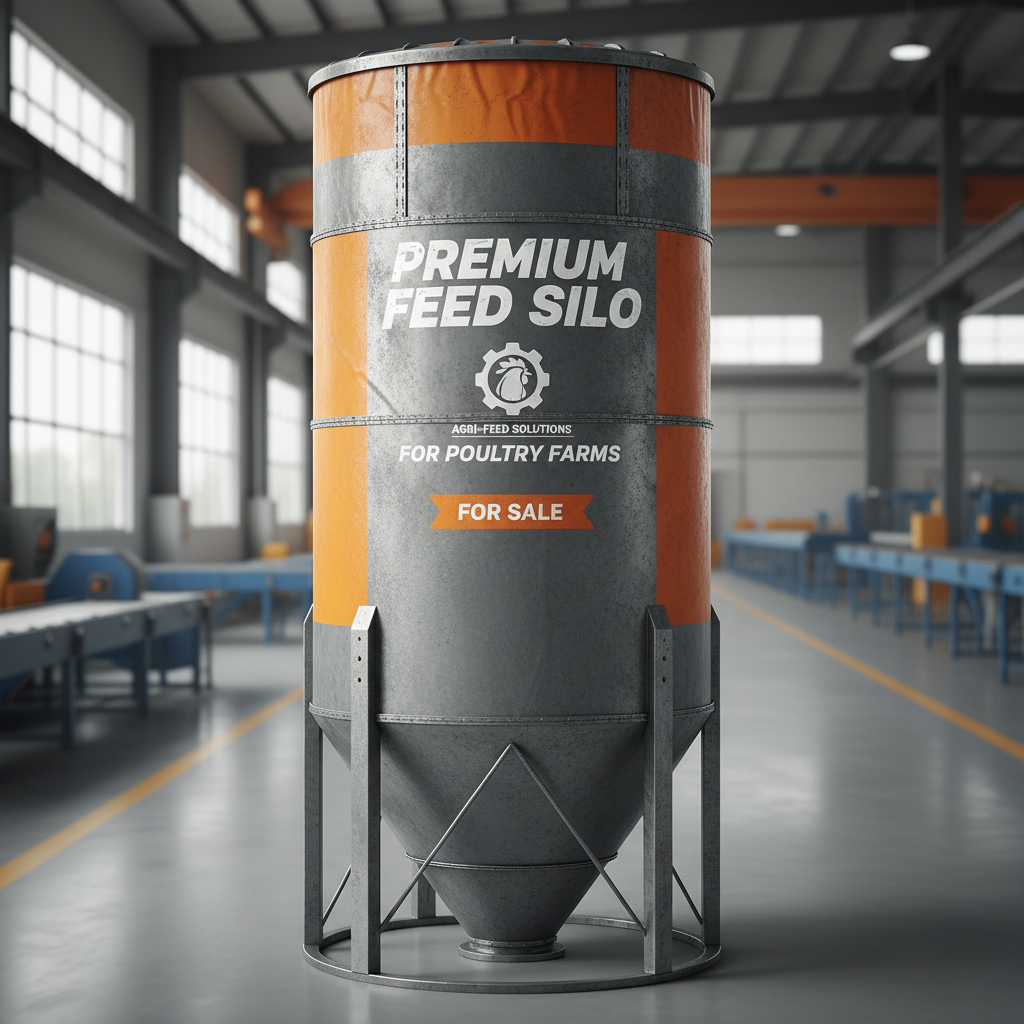
Most of these feed bins are crafted from heavy-gauge steel, often galvanized to withstand the elements and the wear from constant feed abrasion. I suppose the coatings and paint layers are overlooked until corrosion shows up — and then it’s too late. That’s why a bin with a weatherproof finish is essential. I’ve seen bins last well over a decade under punishing conditions because the manufacturer paid attention to these details.
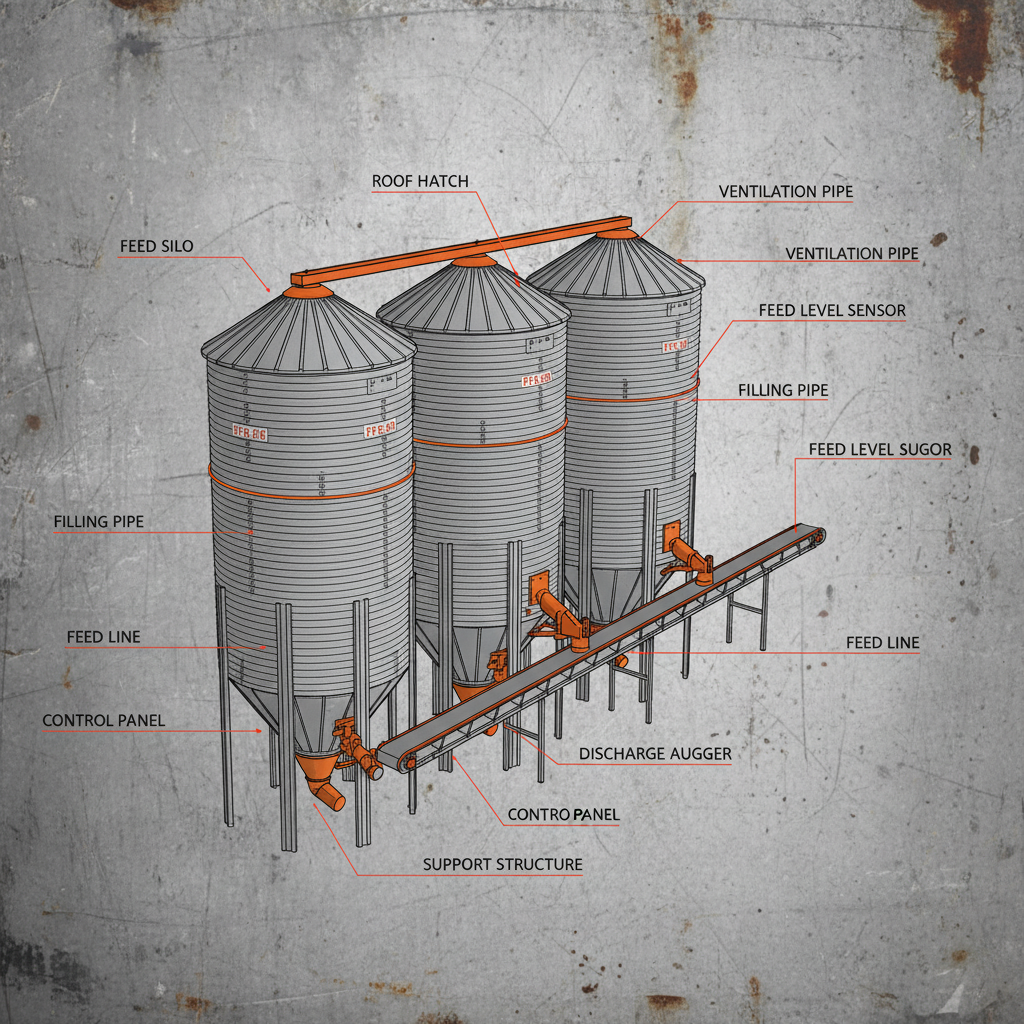
Ventilation and access points are another often underdiscussed design feature. Proper vents prevent feed spoilage by reducing moisture buildup. Meanwhile, easy-access lids and discharge gates speed up maintenance and refilling. Small design choices like these can significantly affect workflow on a busy farm.
Specifications at a Glance
| Feature | Details |
|---|---|
| Capacity | 6 Tons (~5,443 kg) |
| Material | Galvanized Steel |
| Dimensions | Diameter: 2.4m; Height: 3.5m |
| Finish | Powder Coated with UV protection |
| Discharge | Gravity-fed with adjustable gate |
How Does It Stack Up Against Competitors?
It's worth stepping back and comparing these bins with other vendors. In my experience, you get what you pay for. I’ve seen cheaper options where the metal gauge was just a bit thinner — that small difference quickly becomes a weak point. On the flip side, some brands pack in premium features like reinforced welds or premium coatings.
| Brand | Material Thickness | Warranty | Price Range | Additional Features |
|---|---|---|---|---|
| CX Livestock | 12 gauge galvanized steel | 5 years | $$$ | UV powder coating, adjustable gate |
| FarmEquip Co. | 14 gauge steel (non-galvanized) | 3 years | $$ | Standard paint finish |
| AgriSupplies | 12 gauge galvanized steel | 4 years | $$$ | Reinforced welding, moisture vent |
Customization: Because No Two Farms Are Alike
One fascinating thing is how manufacturers like CX Livestock provide customization options. Need a hopper extension? Different discharge gate sizes? Special paint colors? It’s these little add-ons that really help tailor a bin to your unique workflow. I once worked on a ranch that required a feed bin setup to integrate with automated feed mixers — it was a bit unusual but totally doable.
A Small Anecdote From The Field
I recall visiting a midwest cattle farm where they told me switching to a 6 ton feed bin halved the time workers spent refilling. This led to more efficient feeding times and less waste. You’d think these are minor gains, but in real terms, they had a huge impact on daily operations and costs.
So, when you’re weighing options for a feed bin, think beyond just the price tag or capacity. Consider how materials, design, durability, and supplier support all factor in. A quality feed bin like this ends up being a reliable partner in your everyday work — and frankly, that kind of certainty is worth a lot.
In the end, the 6 ton feed bin is an investment in smoother, steadier livestock feeding — and who doesn’t want that?
- Livestock Equipment Durability Reports, FarmTech Journal, 2022.
- Industry Case Studies on Feed Handling Efficiency, AgriSolutions, 2021.
- CX Livestock Product Manuals and Warranty Statements, 2023.
Post time: Dec . 04, 2025