The Small Farrowing House: A Vital Piece in Modern Livestock Management
Small farrowing houses are a quiet yet essential component in the intensive swine farming world, delivering a controlled environment for sows and piglets that can dramatically improve survival rates and welfare. Globally, the rising demand for pork, especially in Asia and parts of Latin America, is pushing producers to adopt smarter animal husbandry practices — and the design and implementation of farrowing houses is right at the front of this revolution.
Why does it matter? Well, at a time when sustainability, animal welfare, and food production efficiency converge, knowing what goes into a small farrowing house means better livestock outcomes, less waste, and more ethical farming. Plus, for smaller-scale farmers, these compact housing units offer an accessible way to compete with bigger operations without breaking the bank.
Mini takeaway: Understanding small farrowing houses is crucial for anyone eyeing sustainable pig production and animal welfare success on a tight footprint.
Global Context: Why Small Farrowing Houses Are More Relevant Than Ever
To paint the picture a bit, the global pork market was worth nearly $200 billion USD in 2022, with projections growing steadily according to the FAO. Intensive pig farming boosts productivity but raises concerns — things like zoonotic disease risk, high mortality in piglets, and environmental footprint. The United Nations’ Food and Agriculture Organization (FAO) has emphasized better housing as a cornerstone of improving welfare and disease control standards worldwide.
Small farrowing houses fit this puzzle perfectly by providing controlled micro-environments tailored to protect newborn piglets — who are particularly vulnerable due to their tiny size and sensitivity to temperature fluctuations. In crowded or less-managed setups, piglet mortality can top 20%, but farrowing houses help reduce this dramatically.
However, challenges remain — how to scale these solutions affordably and adapt them to diverse climates? That’s where innovation in design and materials come in.
Mini takeaway: Small farrowing houses address pressing global animal welfare and production issues, while answering calls for more sustainable livestock growth.
Defining the Small Farrowing House
You might wonder what sets a "small farrowing house" apart from traditional barns. Simply put, it’s a compact, often modular shelter designed specifically to house a sow during the farrowing (birthing) period and provide a safe, warm space for her piglets afterward.
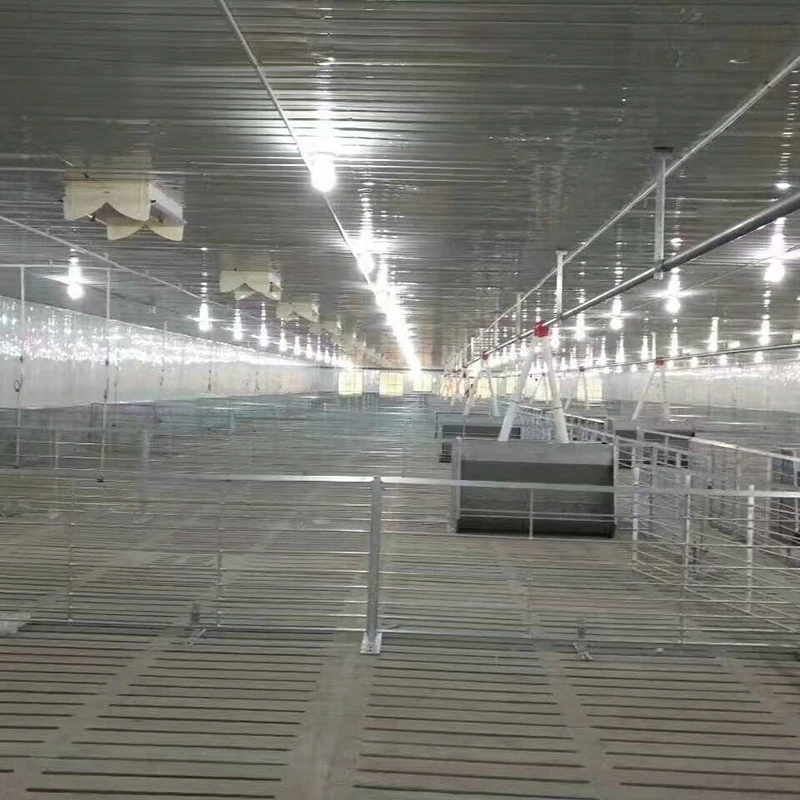
Compared to large, open sty systems, these houses focus on microclimate control, hygiene, and efficient use of space — essentially creating a mini ecosystem that balances sow comfort with piglet survival. This format suits smaller farms or those transitioning to more humane methods, offering both practical and ethical upgrades.
In humanitarian contexts, small farrowing houses have also been adapted for quick setup in regions recovering from natural disasters where rebuilding agricultural livelihoods fast can help food security bounce back.
Mini takeaway: A small farrowing house is a compact, purpose-built shelter enabling safe pig birthing and healthier piglet development.
Key Components of an Effective Small Farrowing House
1. Durability
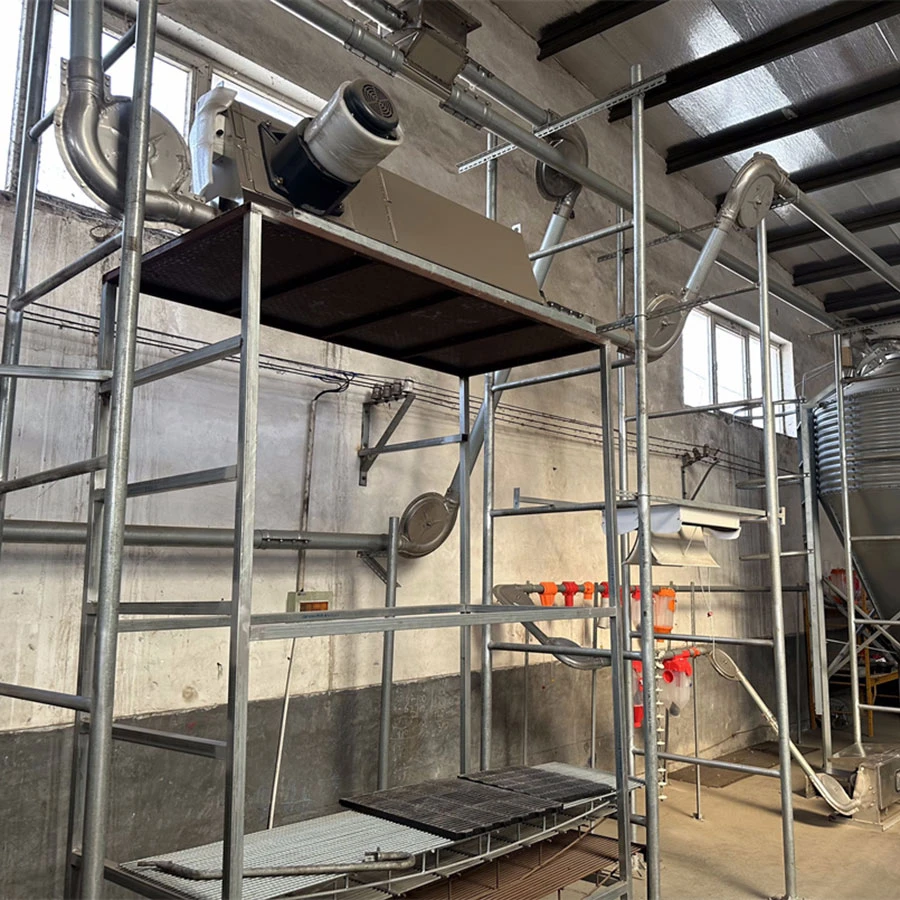
Farm conditions can be rough. Rain, mud, and animal wear demand materials like galvanized steel frames, treated timber, or durable plastics. Many engineers say this is fundamental — if the structure can’t last multiple litters across seasons, it’s a false economy.
2. Temperature Control
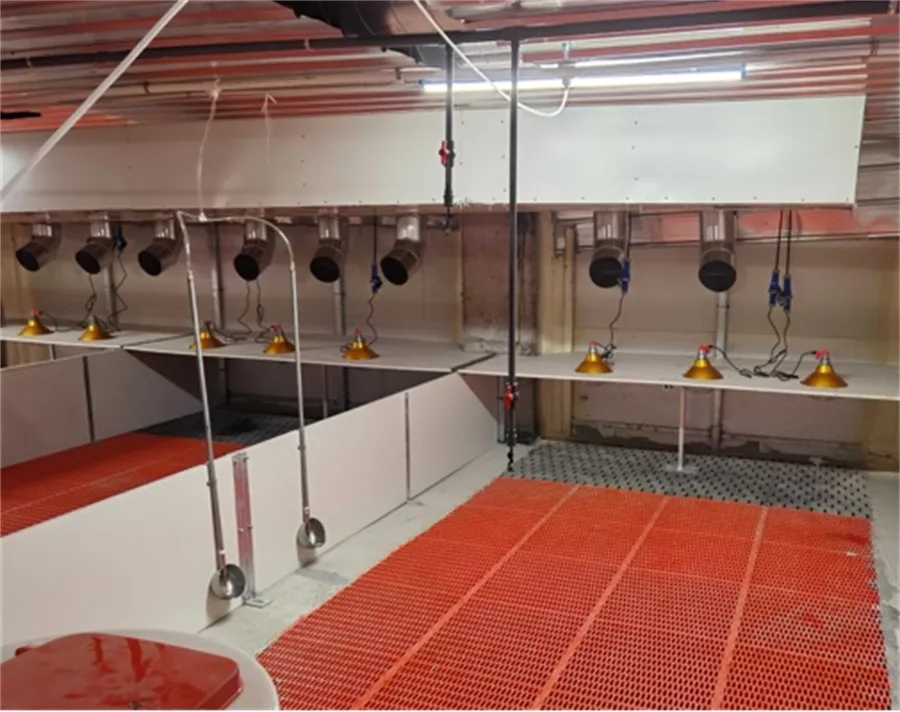
Newborn piglets need warmth in their first weeks, often around 34-36°C, while sows prefer cooler temps. Farrowing houses incorporate heated mats or lamps for piglets, plus proper ventilation to keep sows comfortable.
3. Hygiene and Ease of Cleaning
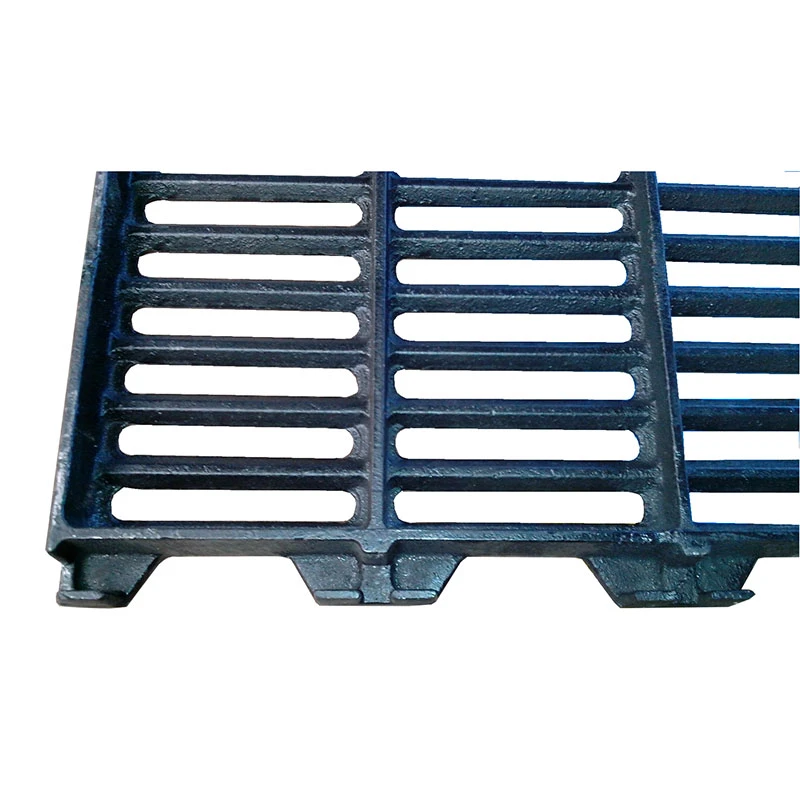
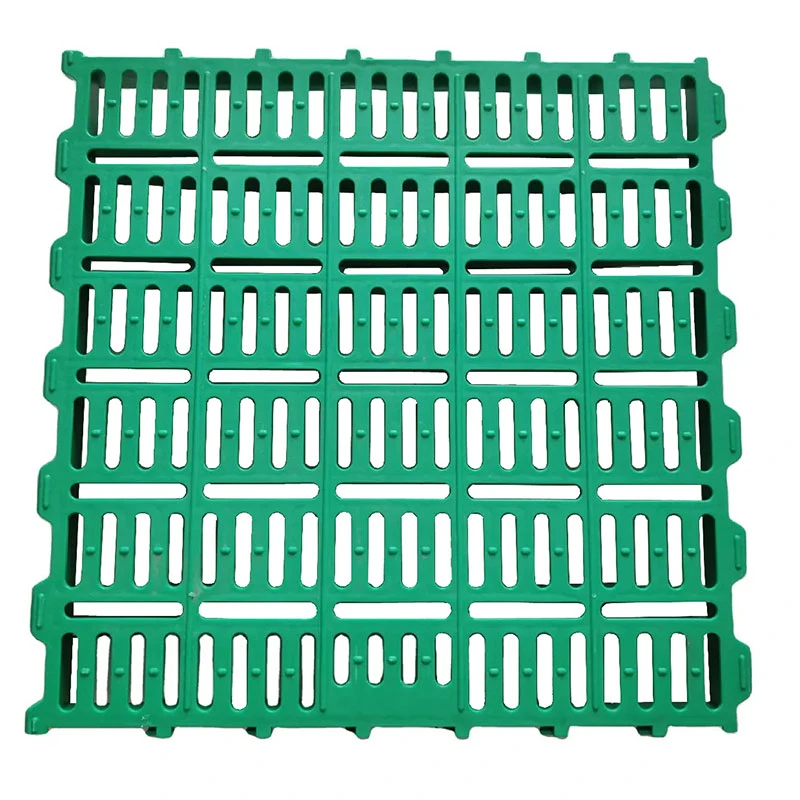
Proper drainage, smooth flooring, and accessible design reduce disease risks — something that’s increasingly non-negotiable in disease control protocols internationally.
4. Scalability and Modularity
Small farrowing houses often come as modular units, allowing farms to expand or reconfigure layouts easily. The flexibility can be a lifesaver for evolving operations.
5. Cost Efficiency
Perhaps the biggest concern, especially for emerging market farmers: these houses must be affordable without compromising animal welfare. Innovations like locally sourced materials and simple assembly help bridge this gap.
Mini takeaway: Effective farrowing houses blend sturdiness, thermal management, hygiene, flexibility, and affordability to support healthy litters.
Global Applications and Real World Use Cases
Small farrowing houses are more than just a concept — they’ve found real-world footing across various regions:
- Southeast Asia: Smallholder pig farmers are adopting modular farrowing houses to meet growing regional demand while combating swine fever outbreaks.
- Latin America: In Brazil and Colombia, small farrowing units help family farms scale production and access export markets.
- Post-Disaster Recovery: Organizations like the UN FAO use these shelters to jump-start livestock breeding in flood-ravaged areas of South Asia.
- Industrial Farms: Even in the US and Europe, these houses supplement large farms by offering a more humane birthing space.
One interesting case: a small family farm in Vietnam reported a 30% increase in piglet survival after installing weatherproof farrowing houses equipped with solar-powered heating lamps — a simple innovation making a huge difference.
Mini takeaway: Across continents and climates, small farrowing houses support diverse farming needs, proving their adaptability and impact.
Advantages and the Long-Term Value of Small Farrowing Houses
Let’s get practical. The benefits are tangible:
- Higher Piglet Survival: Controlled temperature and protection from crushing or disease reduce mortality significantly.
- Improved Welfare: Both sow and piglets have better comfort, which links to healthier growth rates and less stress.
- Sustainability: Using recyclable or locally made materials lowers environmental footprint.
- Economic Gains: Lower mortality and improved growth convert directly to higher profits.
- Social Impact: In developing communities, better farrowing houses improve food security and livelihoods.
Emotionally, the trust farmers place in these houses is reflected by their willingness to invest, believing it’s a good balance between tradition and innovation.
Mini takeaway: The small farrowing house offers measurable production, welfare, and social benefits that pay dividends over time.
Looking Ahead: Trends and Innovations in Small Farrowing Houses
Innovation here isn’t static, believe me.
- Green Energy Integration: Solar panels and heat retention materials are becoming standard, lowering electricity use.
- Digital Monitoring: Sensors tracking temperature and sow behavior remotely help farmers intervene faster.
- Prefabricated Modular Designs: These speed installation and reduce labor needs on farms worldwide.
- Eco-Friendly Materials: Biodegradable composites and reclaimed timber get talked about a lot in the industry.
These trends reflect a broader shift toward smart agriculture and sustainable animal husbandry. Frankly, it feels like a small farrowing house today isn’t just a shelter — it’s the foundation of tomorrow’s farming technology.
Mini takeaway: The future of small farrowing houses lies in automation, eco-conscious materials, and modular smart designs.
Challenges and How to Overcome Them
It’s not all sunshine. Some sticking points still include:
- Initial Investment: Even affordable units can be pricey for very small farms.
- Climate Adaptation: Designs must be tailored for humid tropics versus cold zones.
- Maintenance Knowledge: Farmers need training to keep houses clean and fully functional.
Solutions include microfinancing programs, local manufacturing partnerships, and robust farmer education campaigns. NGOs and governments have a big role here.
Mini takeaway: Addressing cost, climate, and training barriers is key to widespread adoption of small farrowing houses.
Frequently Asked Questions About Small Farrowing Houses
- What are the main benefits of small farrowing houses over open sty systems?
- Small farrowing houses offer improved temperature control, better protection for piglets from crushing, reduce disease spread, and improve sow comfort—important factors to lower piglet mortality.
- How long do these housing units typically last on a commercial farm?
- With quality materials and maintenance, small farrowing houses can last 10+ years. Durability depends on local weather and usage intensity but proper care extends lifecycle significantly.
- Are small farrowing houses affordable for family farms in developing countries?
- Many manufacturers design cost-effective modular units using local materials. Plus, various microloans and NGO programs help mitigate upfront costs for smaller farms.
- Can these houses be adapted for extreme climates?
- Absolutely. Designs often include insulation or ventilation options that can be customized. Some regions adopt hybrid models combining traditional materials with modern tech.
- How do digital technologies enhance small farrowing houses?
- Sensors monitor temperature, humidity, and sow activity remotely, helping farmers intervene promptly if conditions become risky, improving piglet survival chances.
Product Specification Table: Example Small Farrowing House Model
| Specification | Value |
|---|---|
| Dimensions | 3m L × 1.5m W × 1.8m H |
| Material Frame | Galvanized Steel |
| Flooring | Non-slip, easy-clean plastic composite |
| Heating Method | Electric heat mats / optional solar supply |
| Ventilation | Adjustable vents + fans included |
| Weight | Approximately 120 kg |
| Assembly Time | Around 2 hours (by two people) |
Vendor Comparison Table for Popular Small Farrowing Houses
| Feature / Vendor | FarmBuild Co. | AgriShelter Inc. | Livestock Solutions Ltd. |
|---|---|---|---|
| Price (USD) | $850 | $920 | $790 |
| Materials | Steel & Plastic Composite | Aluminum Frame & Wood | Galvanized Steel & PVC |
| Setup Time | 2-3 hours | 4-5 hours | 1.5-2 hours |
| Warranty | 2 years | 3 years | 1 year |
| Key Feature | Heat mats & modular design | Customizable insulation panels | Solar-powered heating option |
Wrapping Up: Small Farrowing Houses as a Cornerstone of Sustainable Pig Farming
Honestly, the small farrowing house is one of those quietly heroic products. Understated but impactful. Its global significance isn’t just in improved numbers or efficiency, but in the way it shapes a more humane, sustainable future for pig farming — and by extension, food security worldwide.
If you’re a farmer, livestock manager, or even just someone interested in agricultural innovations, checking out a small farrowing house should be high on your to-do list. Because sometimes, the smallest shelters hold the biggest potential.
Want to explore practical setups or find the right model for your farm? Visit us at https://www.cxlivestock.com — your resource for modern livestock solutions.
References & Reflection
- Food and Agriculture Organization of the United Nations (FAO), “Improving Animal Welfare in Pig Farming,” 2023.
- World Bank Data on Global Pork Production and Trade, 2022-2023.
- ISO Standards on Livestock Housing and Welfare (ISO 20966), 2021 Edition.
Post time: Dec . 02, 2025