Understanding the ss feeder: Why It Matters Globally
At first glance, a term like ss feeder might feel a little... technical, maybe a bit niche. But behind that shorthand lies a critical piece of equipment that impacts everything from global livestock management to agricultural efficiency and food security. Around the world, feeding systems like the ss feeder are quietly enabling farmers, NGOs, and industries to optimize feed delivery — and that is no small deal when you consider that globally, agriculture employs over a billion people and supplies our daily sustenance (UN FAO 2023).
So why should anyone outside of farming circles care? Well, improved feeding solutions translate directly into higher productivity, reduced waste, and often, better animal welfare. In a world facing climate uncertainty, growing populations, and economic volatility, having reliable feed technology is simply good sense — not just for bottom lines, but for the planet and people.
Setting the Stage: A Global Look at ss Feeders in Agriculture
According to the World Bank, livestock farming generates roughly 40% of the global agricultural GDP. But a persistent challenge remains: feed delivery. Inefficient feeding causes both lost productivity and animal stress. This is where the ss feeder steps in — a mechanism designed to streamline, meter, and automate feed dispensation.
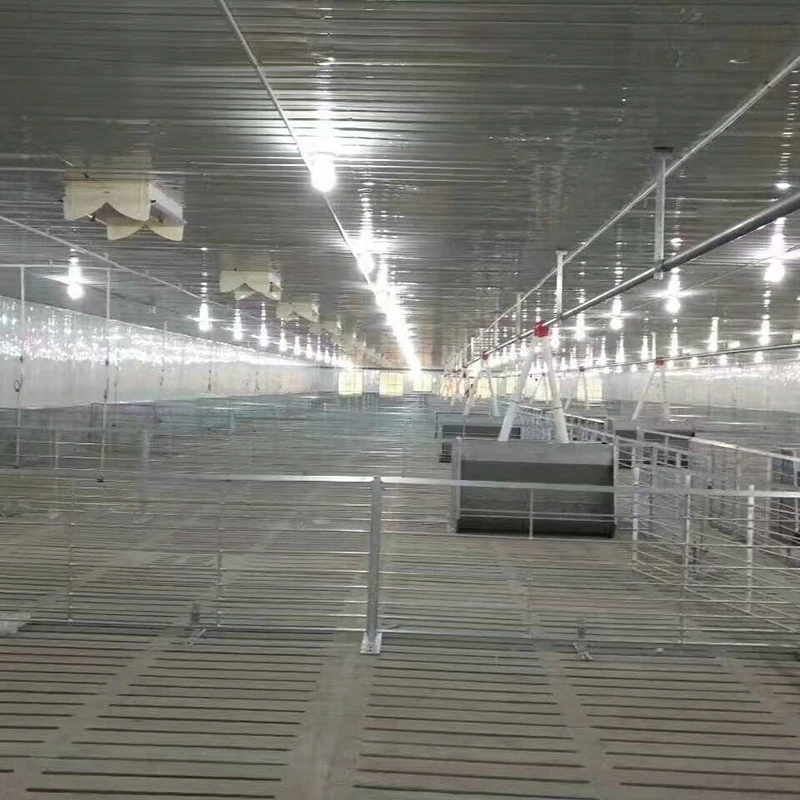
From massive dairy farms in New Zealand to smallholder operations in Kenya, such systems are being adapted and utilized to combat waste, improve animal nutrition, and optimize labor. Notably, ISO recently highlighted precision feeding technologies as a critical step toward achieving circular agricultural practices.
Yet, the problem is also technological accessibility. Many regions still rely on rudimentary manual methods prone to inconsistency and contamination. The expansion of ss feeder technology aims to bridge these gaps — increasing both scale and reliability.
What Exactly Is an ss feeder?
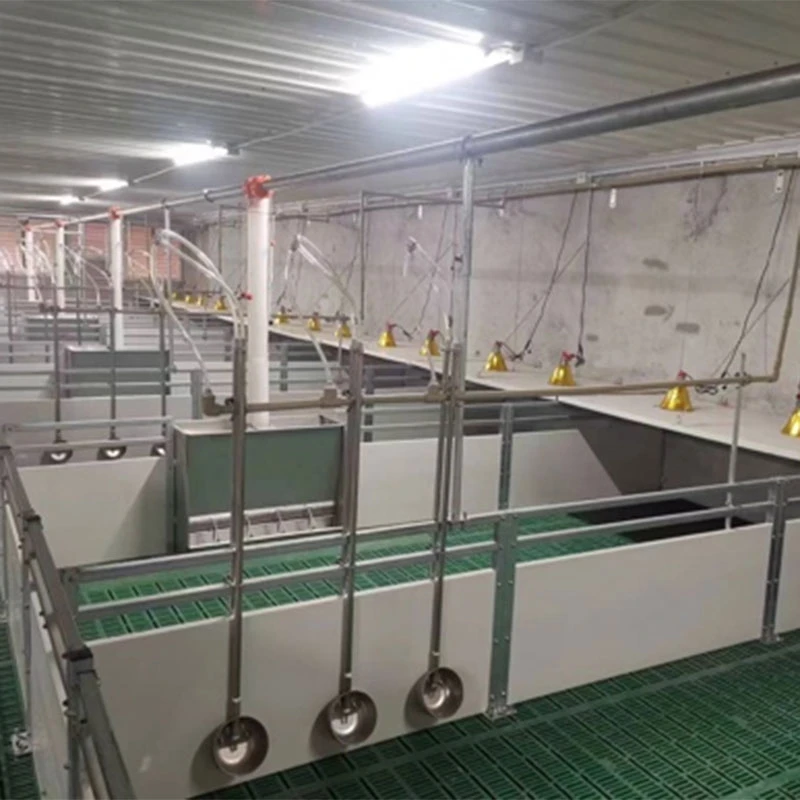
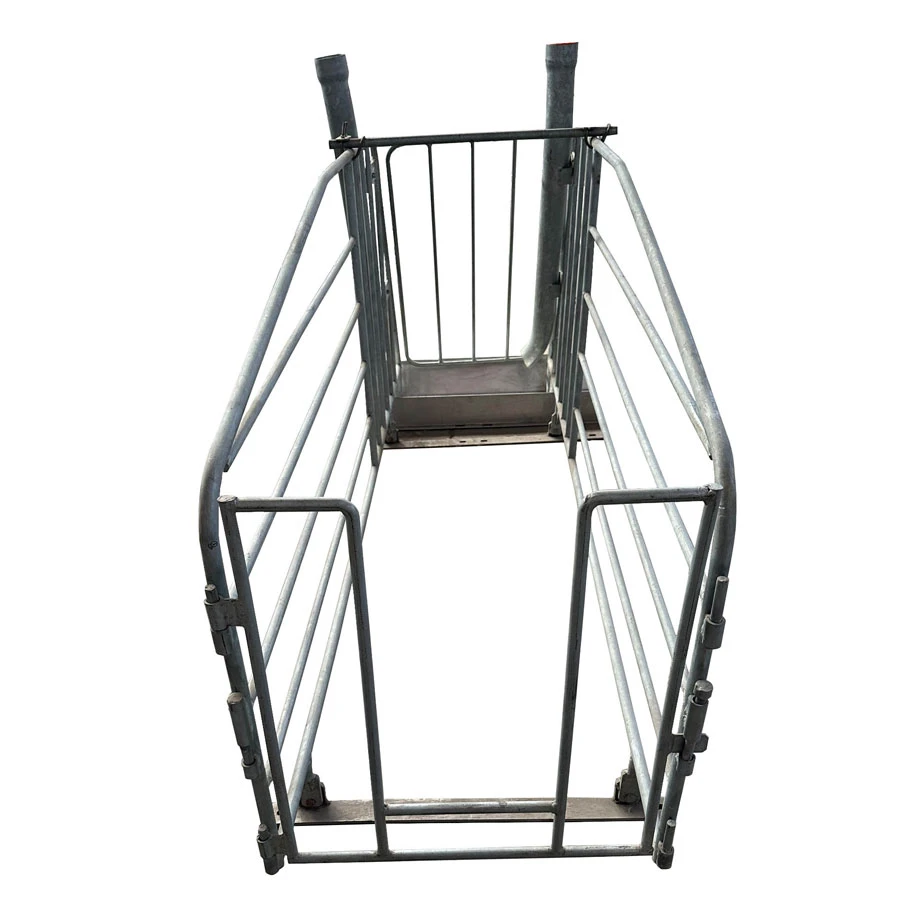
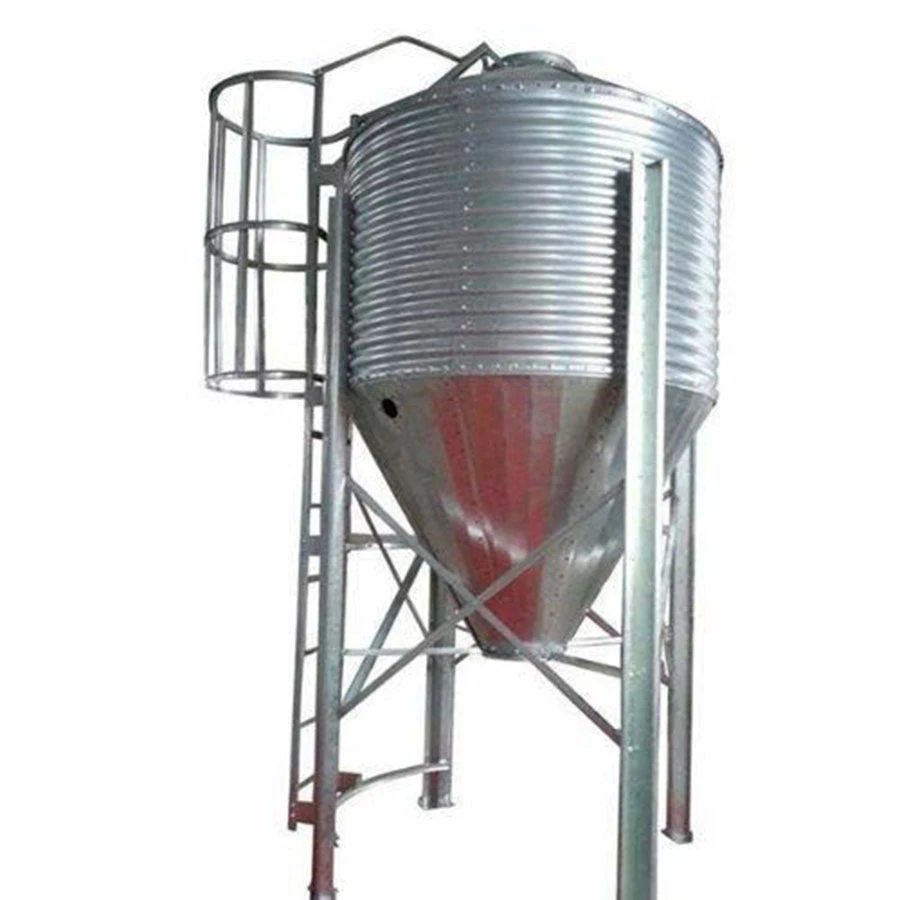
In plain terms, an ss feeder is a stainless steel feed dispenser system designed primarily for livestock nutrition. “SS” typically stands for stainless steel — prized for its durability and sanitation properties. The feeder automates the process of delivering measured amounts of feed to animals to minimize waste and ensure consistent intake.
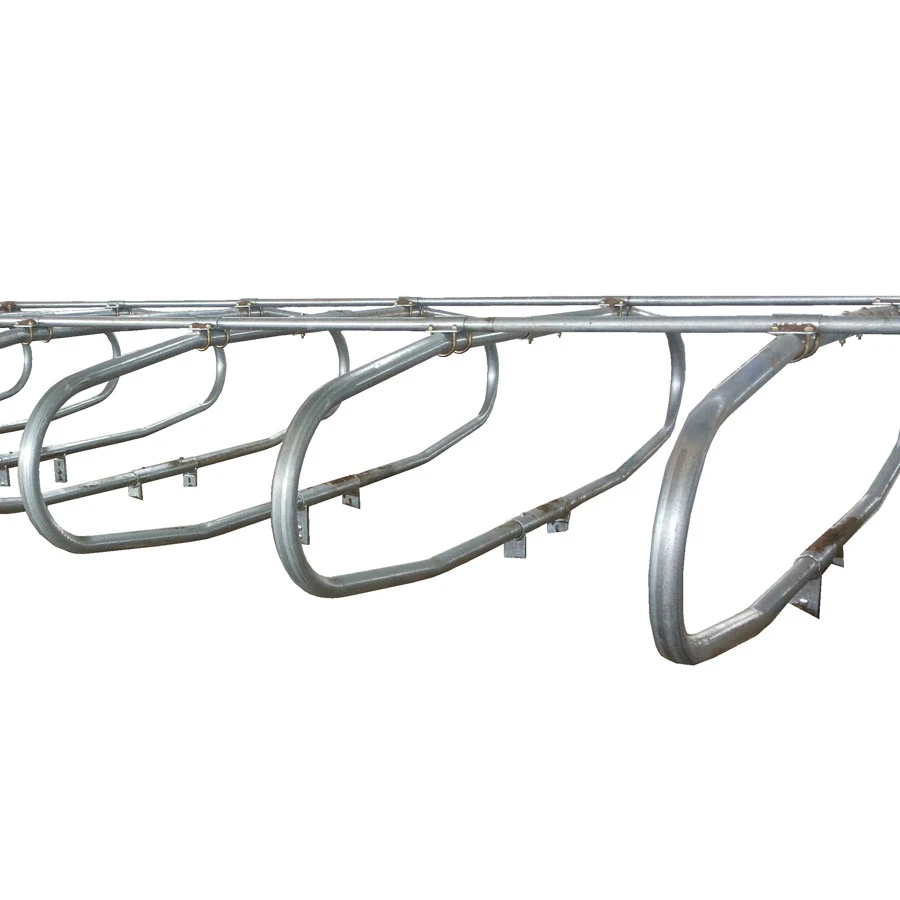
Whether it’s a rotating drum, conveyor, or hopper model, the ss feeder acts as a vital intermediary between feed storage and animals. Many modern models also feature modular components, enabling customization for different farm sizes, animal types, or feed consistencies.
Interestingly, its stainless steel construction is not just about aesthetics. The material resists corrosion, bacteria, and chemical reactions — a must in environments where hygiene cannot be compromised.
Core Components of a Reliable ss feeder
Durability
The foundation of any ss feeder lies in its robust stainless steel body. This ensures it withstands harsh farm conditions, fluctuating weather, and daily abrasion. Plus, stainless steel is easy to clean, reducing contamination risks.
Scalability
From small-scale operations to industrial farms, scalability determines an ss feeder's usefulness. Many designs come in modular sizes and can be joined with automation systems for large herds.
Precision Feeding
Controlling feed volume reduces waste and promotes animal health. Many ss feeders come equipped with sensors or adjustable gates that accurately meter feed — a feature that’s becoming more standard thanks to advancements in electronics.
Energy Efficiency & Automation
Modern ss feeders increasingly integrate energy-saving motors or gravity-fed mechanisms. Automation not only saves labor time but also allows feeding schedules to align with animals' natural eating habits.
Cost Efficiency
While initial investment in quality ss feeders can be significant, the long-term savings from feed conservation, reduced labor, and extended equipment lifespan pay off in spades.
How ss Feeders Are Revolutionizing Feeding Worldwide
You’ll find ss feeders in all kinds of settings — from remote pastoral lands in Mongolia to high-tech dairy farms in Europe. Their adaptability is impressive.
- Post-disaster relief operations: Portable ss feeders help NGOs efficiently feed livestock displaced by floods or drought, avoiding expensive feed wastage.
- Remote industrial zones: Mining or logging camps use automated feeders to maintain cattle or supply animal protein with minimal onsite labor.
- Sustainable farms in Scandinavia: Combining ss feeders with solar-powered motors exemplifies green innovation in animal husbandry.
Product Specification Table for a Typical ss feeder
| Specification | Detail |
|---|---|
| Material | 304 Stainless Steel |
| Capacity | 50 kg feed hopper |
| Feeding Rate | Adjustable 0.5-5 kg/min |
| Power Source | 12V DC motor / Gravity-fed option |
| Dimensions (LxWxH) | 90 x 45 x 60 cm |
| Automation Features | Timer-controlled feeding cycles, remote monitoring |
Weighing Up the Best ss feeder Vendors
| Vendor | Price Range | Key Features | Warranty | Support |
|---|---|---|---|---|
| AgriSteel Solutions | $850 - $1,200 | Modular design, solar-power compatible | 3 years | 24/7 online & phone |
| FeedTech International | $750 - $1,000 | Precision feed metering, remote app control | 2 years | Business hours support |
| CXL Livestock (ss feeder) | $800 - $1,100 | Heavy-duty stainless steel, customizable sizes | 4 years | Global support & training |
The Unexpected Benefits of Using an ss feeder
Aside from obvious cost savings, several less tangible advantages stand out when working with ss feeders:
- Sustainability: Using robust materials and precise feeding reduces resource waste and environmental footprint.
- Animal welfare: Predictable feeding times and amounts lead to less stress and healthier livestock.
- Labor optimization: Automation frees up farm workers for other vital tasks — a win-win.
- Trust & Safety: Stainless steel feeders prevent mold and bacterial growth, protecting consumers down the line.
When you think about the daily grind on a farm, that reliability can mean the difference between a losing season and a thriving one.
Where is the Future of ss Feeders Headed?
Innovation never sleeps. The future of ss feeders is locked into trends like:
- IoT integration: Real-time telemetry on feed levels, animal interaction, and predictive maintenance.
- Green energy: Solar and wind powered systems designed for off-grid farms.
- Advanced materials: Coatings that self-clean or resist extreme weather better.
- AI-driven feeding schedules: Adjusted automatically based on animal behavior, weather, and growth cycles.
Simply put, ss feeders aren’t just feeding animals anymore — they’re feeding data-driven decisions.
Challenges in ss feeder Deployment & How To Overcome Them
Like anything, ss feeders aren’t perfect. Common hurdles include:
- Initial costs: Entry-level prices can be a barrier, especially for smallholders.
- Technical support gaps: Rural areas may lack easy repairs or expertise.
- Power supply issues: Remote farms might struggle running motorized units consistently.
Solution? Manufacturers increasingly offer:
- Tiered product lines — from manual to fully automated.
- Remote support through apps and video tutorials.
- Hybrid power options or simple gravity feeders as fallbacks.
FAQ: What You Want to Know About ss feeders
- Q1: How easy is it to install an ss feeder on existing farms?
- A: Installation typically requires minimal setup, especially for modular models. Most units come with mounting brackets and user manuals, but professional installation can help optimize feed delivery and ensure safety.
- Q2: Can ss feeders handle different feed types like pellets and grains?
- A: Yes, many ss feeders have adjustable gates or settings to accommodate various feed textures. However, very wet or bulky feeds may require specialized modifications.
- Q3: How durable are stainless steel feeders in harsh climates?
- A: Stainless steel is among the most corrosion-resistant materials used in agriculture. With proper maintenance, ss feeders can last over a decade, even in salty coastal or humid tropical regions.
- Q4: Is automation worth the investment for small farms?
- A: Automation offers labor savings and feed efficiency, which can be significant even on smaller operations. Scaled-down models provide affordable entry points without overwhelming complexity.
Summing It Up: Why ss Feeders Deserve Your Attention
In the big picture, the ss feeder blends practicality with innovation. It directly impacts food security, animal health, and sustainability in ways that often go unnoticed but matter deeply. Whether you run a sprawling commercial dairy or a small experimental farm, investing in a good ss feeder system is like planting a seed for long-term efficiency and trust.
Curious to explore what a quality ss feeder can do for your operation? Visit our website at https://www.cxlivestock.com and take a closer look at your options!
Post time: Dec . 02, 2025