Understanding Crate Free Pork: A Global Perspective on Humane and Sustainable Farming
If you’ve ever wandered the aisles of a grocery store trying to pick pork that’s not just tasty but ethically produced, you’ve likely bumped into the term crate free pork. It’s more than just a buzzword or marketing fluff — globally, the movement toward crate free pork farming reflects a larger shift in how we think about animal welfare, sustainability, and, frankly, the future of food security. The idea is simple but powerful: raise pigs without confining them to restrictive crates, granting them the freedom to move, forage, and express natural behaviors. This approach resonates with growing consumer demands and better farming practices worldwide, but there’s plenty to unpack. Why does crate free pork matter beyond just 'nice-to-have' ethics? What challenges does it solve, and how is it shaping industry trends? Let’s take a deeper look.
The Global Context: Why Crate Free Pork Matters Now More Than Ever
Globally, pork is the most widely consumed meat, with the Food and Agriculture Organization (FAO) estimating over 100 million metric tons produced yearly (1). But conventional pig farming, especially the use of gestation crates — tiny metal enclosures where sows can barely turn around — has drawn serious criticism for animal welfare concerns and environmental costs.
Increasingly, international bodies like the World Organisation for Animal Health (WOAH) and standards such as ISO 23626 are encouraging crate free systems to reduce animal distress and improve food quality (2). Meanwhile, consumer awareness has skyrocketed. In the US and parts of Europe, legislation banning gestation crates is either in place or under active discussion. Places like China, which dominates pork production, face rising pressure to adopt these methods if they want to meet export and sustainability goals (3).
Still, it’s a complicated transition. Farming is a balance of economics, welfare, and output demands. The global challenge? How can production remain cost-effective while upgrading conditions? That’s exactly where crate free pork comes into play.
Defining Crate Free Pork in Plain Terms
“Crate free pork” describes pork meat coming from pigs that are raised without being confined in restrictive metal crates, especially during pregnancy and nursing times. Instead, these pigs have access to open pens, outdoor areas, or enriched environments where they can move, root, and socialize — activities crucial to their well-being.
It’s a leap toward what many consider a more "humane" approach in modern livestock farming, one that attempts to balance ethics with productivity. In real terms, crate free pork signals a shift toward systems that foster natural behaviors, reduce stress-related illnesses, and create meat that some argue is of higher quality.
Main Elements Shaping Crate Free Pork Systems
1. Animal Welfare & Behavior
Naturally, the core of crate free pork is improving animal welfare. Pigs in crate free setups can root in bedding, interact socially, and avoid the frustration and injuries common in crates. It reduces stereotypic behaviors — repetitive, non-functional movements caused by stress.
2. Farm Design & Infrastructure
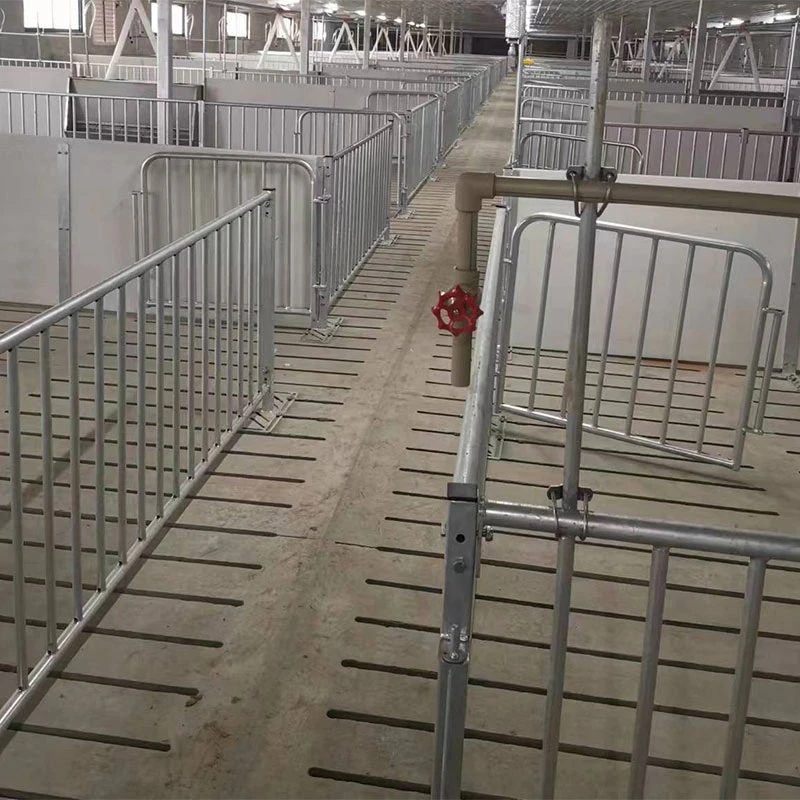
Transitioning means redesigning barns with better flooring, more space per pig, and enriched pens. This structural setup must also address hygiene and manure management — no small feat, especially in large-scale operations.
3. Production Costs & Economic Viability
Crate free systems often require higher investment upfront — more land, more building materials, and sometimes lower stocking densities. But many farmers notice gains in animal health and reduced veterinary costs. The trick is achieving a balance that keeps pork affordable.
4. Environmental Sustainability
Pigs in freer environments can contribute to soil health through natural rooting if outdoor access is present. Moreover, crate free setups can integrate better manure management to reduce nitrogen runoff or methane emissions.
5. Consumer Demand & Transparency
Modern consumers want to trust what they eat. Crate free pork often comes paired with certifications and transparent supply chains. This transparency builds brand loyalty and justifies potentially higher prices at retail.
Mini Takeaway
The shift to crate free pork isn’t just a feel-good trend — it’s a multifaceted progression involving animal welfare, economics, and environmental responsibility. These core pillars interact in complex ways but pave the way for a more humane, sustainable food system.
Global Applications: Who’s Leading the Charge?
Regions like the EU and parts of North America have set regulatory and consumer-led precedents for crate free pork. For instance, Denmark’s pork producers have moved nearly 90% of sows to group housing systems compliant with crate free policies, aligned with ISO animal welfare standards.
Meanwhile, Asian markets, notably South Korea and Japan, are experimenting with hybrid models where limited outdoor access complements indoor group housing. In developing countries, organizations like the FAO are piloting crate free pilot projects to improve rural livelihoods and food quality.
In real terms, NGO-driven farms in post-disaster recovery or rural community development often embrace crate free pork not solely for ethics, but because healthier pigs reduce disease risks that can devastate communities.
Specifications Table: Typical Crate Free Pork Farm Setup
| Feature | Specification | Notes |
|---|---|---|
| Pen Size per Sow | Minimum 6 m² per animal | ISO 23626 guideline |
| Outdoor Access | Optional but recommended | Improves welfare & soil health |
| Bedding Material | Straw or wood shavings | For rooting and comfort |
| Manure Handling | Drain systems + compost | Sustainability focus |
| Ventilation | Natural + mechanical | Key for animal health |
Vendor Comparison: Selecting Crate Free Pork Suppliers
| Supplier | Certification | Price Range | Sourcing Transparency | Region Served |
|---|---|---|---|---|
| FarmFresh Pork Co. | Certified Humane, Global GAP | $$$ | Full traceability | North America, EU |
| Green Pastures | Crate Free Verified | $$ | Moderate traceability | Asia Pacific, EU |
| Purely Pork Ltd. | Animal Welfare Approved | $$$$ | High traceability, audited farms | Europe, North America |
Long-Term Advantages of Crate Free Pork
The benefits aren’t just ethical niceties; they translate to real sustainability wins. Healthier, less stressed animals typically mean better-quality meat, which commands better prices. Farmers often report fewer veterinary bills and reduced loss rates. And on the emotional side, buying crate free pork offers consumers the reassurance that their food isn’t coming at the cost of animal suffering.
From a social lens, crate free systems aid in rural development by fostering farming methods that align with modern regulations and consumer demands — a critical bridge in a world leaning ever more toward ethical consumption.
Emerging Trends & Innovations
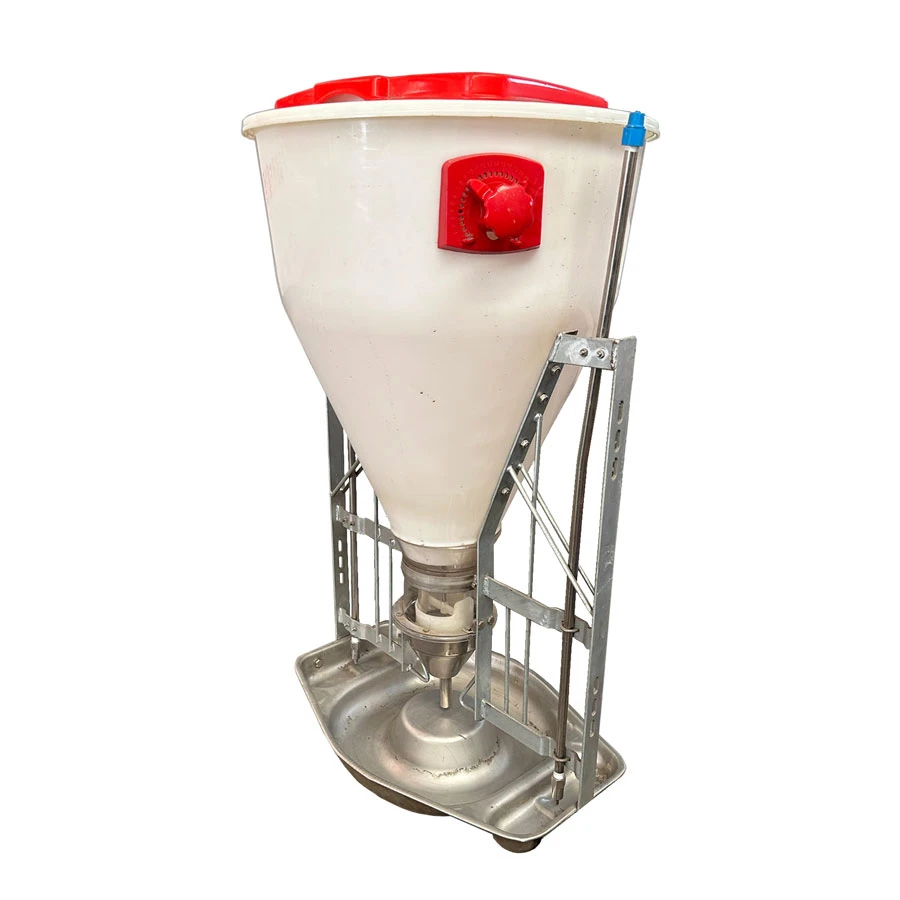
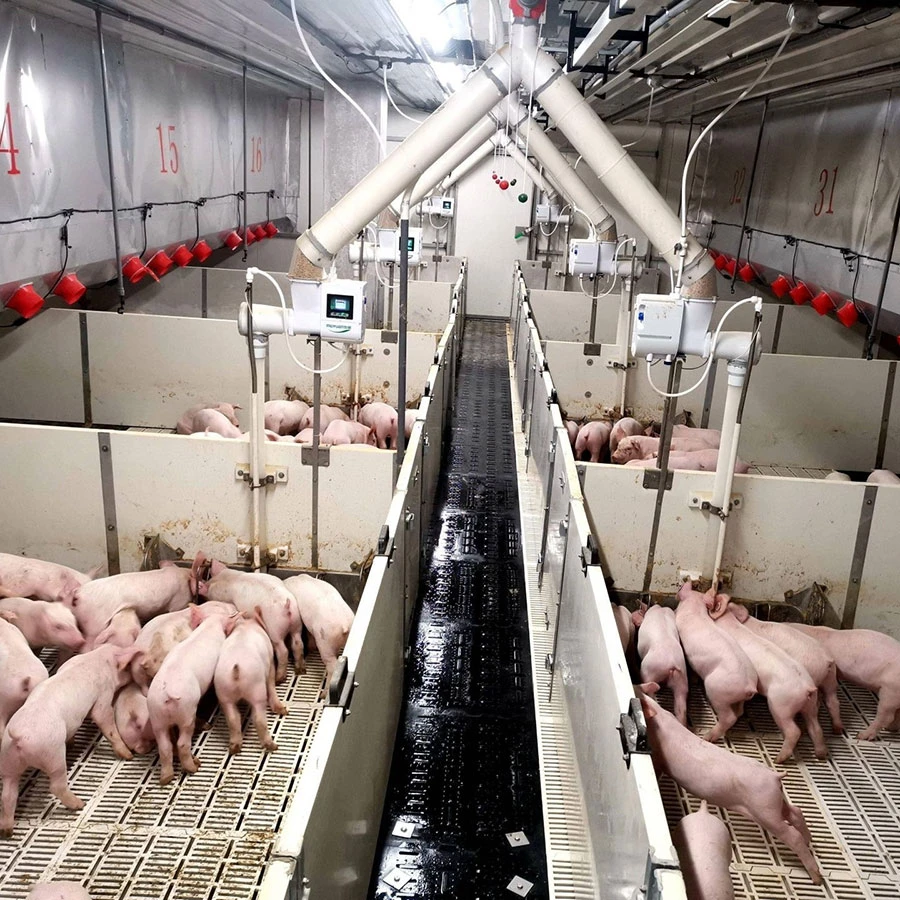
Here’s something exciting: crate free pork farming isn’t static. Technology is starting to shake things up. Sensors and IoT systems track animal health and monitor barn microclimates. Automated feeding systems reduce waste, and solar-powered ventilation systems are making indoor pens greener. Even blockchain is being piloted to enhance supply chain transparency.
Policy shifts are also tightening standards globally, forcing more regions to rethink confinement practices. The momentum feels unstoppable, almost like the farming industry is quietly reinventing itself, pig by pig.
Challenges & Practical Solutions
Transitioning isn’t without bumps. Crate free pork systems can increase production costs and require more skilled labor. Manure management is trickier when pigs move more freely. Disease management changes because group housing sometimes raises transmission risks.
Yet, innovations in barn design, such as improved drainage and barrier pens, help manage these issues. Training programs and cooperative farming models spread out expertise and costs. Frankly, it’s a gradual, sometimes rocky road — but one many consider worth the effort.
FAQ: Practical Questions About Crate Free Pork
- What exactly makes crate free pork better than conventional pork?
- Crate free pork comes from pigs allowed to move freely rather than being confined to narrow crates, resulting in less stress, fewer injuries, and often better meat quality. This method supports animal welfare and often improves farm sustainability.
- How does crate free pork impact production costs?
- Costs are typically higher due to increased space needs and infrastructure changes. However, reduced veterinary costs and improved animal health can offset some expenses. Consumer willingness to pay a premium also supports economic viability.
- Is crate free pork safer in terms of foodborne illnesses?
- Healthier animals tend to have stronger immune systems, potentially lowering disease risks. However, good hygiene and farm management remain crucial regardless of housing type.
- Can crate free systems be implemented in tropical climates?
- Yes, but design adaptations like enhanced ventilation and shading are essential to prevent heat stress. Many tropical regions are advancing crate free projects tailored to local conditions.
- Where can I learn more or purchase crate free pork?
- Check out reputable vendors specializing in ethical meats, or explore crate free pork resources for contact info and verified suppliers.
Wrapping it Up
There’s no denying crate free pork is part of a larger transformation toward more ethical, sustainable food systems globally. Sure, challenges exist, but the balance of animal welfare, product quality, and long-term economics increasingly points toward this model as the sensible path forward. If you’re a consumer, producer, or policymaker wondering whether crate free pork is more than a niche, I’d say the data and trends answer loud and clear: it’s a future-ready solution worth embracing.
Curious to learn more or explore top-quality crate free pork products? Visit our website: https://www.cxlivestock.com
References
Post time: Dec . 02, 2025