Understanding the Cow Water Trough: Why It Matters Worldwide
At first glance, a cow water trough might seem like a simple farm fixture. But when you step back and look at the bigger picture—across industries and continents—it’s so much more. This humble equipment touches issues as vast as global food security, animal welfare, and even sustainable water management. In fact, the efficiency and design of water troughs directly impact livestock health, productivity, and ultimately, the livelihood of millions of farmers.
Why should you care? Worldwide, nearly 1.5 billion cattle provide essential nutrition and income to communities. As climate change and resource scarcity tighten, managing water access for these animals is no longer “nice to have”—it’s critical. That’s why understanding the nuances of the cow water trough, from materials to application, can unlock better outcomes both in rich agricultural hubs and remote, resource-limited regions.
Global Context: Meeting Growing Demands with Reliable Water Solutions
Globally, agriculture is responsible for about 70% of freshwater withdrawals, according to the Food and Agriculture Organization (FAO). And livestock represents a significant portion of that use. Ensuring cattle have continuous access to clean water via effective troughs is a foundational necessity—but it’s also a challenge in many developing countries, arid zones, and disaster-stricken areas.
Consider this: the UN reports that drought and water scarcity affect over 2 billion people worldwide. When livestock can’t hydrate properly, mortality rises, and so does economic vulnerability. Industrial livestock producers and smallholders alike are pressed to upgrade their watering infrastructure.
Here’s the catch, though: not just any trough will do. Material durability, accessibility, and water hygiene directly affect herd health. So the cow water trough is a small piece of equipment with outsized importance in food chain stability and rural economies.
Mini Takeaway:
Reliable water troughs are pivotal to sustaining global livestock production and safeguarding farming communities against environmental challenges.
What Exactly Is a Cow Water Trough?
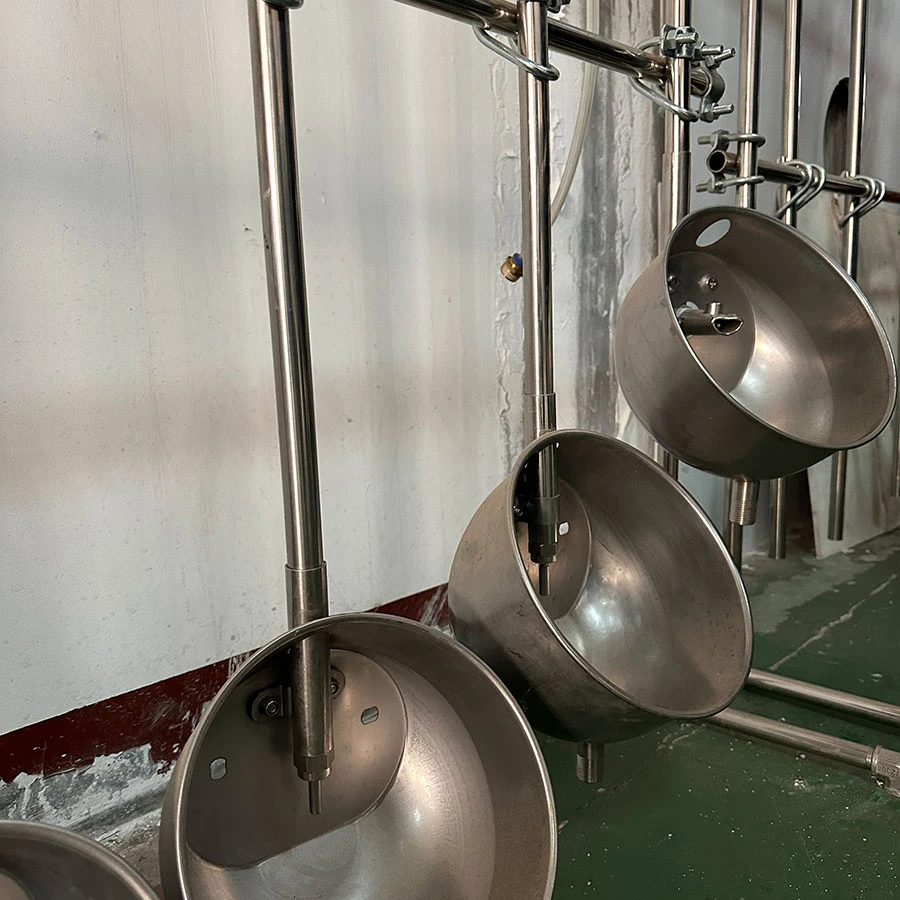
Simply put, a cow water trough is a container designed to hold water for cattle to drink. These come in various sizes, materials, and designs to suit different environments and herd sizes. Whether it’s a small-scale dairy farmer in Wisconsin or a commercial cattle feedlot in Brazil, the trough plays the same role: ensuring clean, accessible hydration.
More than just a bucket or hole, modern troughs connect to water supply systems, sometimes with float valves to maintain water levels automatically. They also reflect advances in agricultural engineering—improving durability, minimizing contamination, and conserving water. On a bigger scale, they contribute to animal welfare standards recognized by organizations like the International Organization for Standardization (ISO).
It’s also worth noting the humanitarian angle: in post-disaster relief and rural development projects, installing durable cattle troughs can help rebuild local food systems quickly.
Core Features That Define a Good Cow Water Trough
Durability & Material Choice
Many engineers swear by polyethylene or galvanized steel for long-lasting water troughs. Plastic troughs resist rust and are lightweight; steel versions offer toughness but may need anti-corrosion treatments. Durability means fewer replacements, lower costs, and less environmental waste.
Water Hygiene & Contamination Control
Access to clean water is essential to avoid diseases. Troughs designed to minimize algae growth or built with smooth finishes reduce bacterial buildup, protecting herd health.
Capacity & Scalability
Choosing the right size matters. Too small, and cows compete and get stressed; too large, and water may stagnate. Modular designs are becoming popular for scaling up operations or adjusting herd sizes fluidly.
Ease of Cleaning & Maintenance
Given how often they’re used, troughs must be easy to clean. Designs with drainage plugs or smooth interiors speed up routine maintenance, making life easier for farmers.
Cost Efficiency
Affordable upfront costs and low lifetime maintenance translate to better ROI, especially for smallholder farmers. Some modern troughs even feature solar-powered water pumps to reduce running costs.
Adaptability to Environment
Frost-resistant designs for cold climates or UV-protected plastics for sunny regions ensure troughs last and function well year-round.
Mini Takeaway:
- Materials and design directly affect lifespan and animal health.
- Flexibility and hygiene features boost usability and economic value.
Where Are Cow Water Troughs Making a Difference?
Their versatility is impressive. For instance:
- South America: Large beef operations use automated troughs to manage thousands of cattle efficiently while conserving water.
- Sub-Saharan Africa: NGOs deploy durable, easy-to-clean troughs in drought-prone communities to improve livestock survival.
- North America: Precision agriculture integrates troughs with water sensors for real-time monitoring of cattle hydration.
- Disaster Relief: Organizations like the FAO distribute portable troughs to re-establish livestock welfare after floods or droughts.
It’s fascinating how a relatively simple object scales across diverse contexts, from industrial meat production to grassroots rural aid.
Advantages & Lasting Benefits of Good Water Troughs
Beyond the basics, quality troughs unlock tangible benefits:
- Cost Savings: Durable troughs reduce replacement frequency and veterinary bills.
- Improved Productivity: Healthy, hydrated cattle yield more milk and meat.
- Water Conservation: Designs that limit spillage help stretch scarce water resources.
- Animal Welfare: Clean, reliable access supports ethical farming practices.
- Community Strength: Reliable livestock support food security, economic resilience, and cultural traditions.
Emotionally, farmers often report peace of mind knowing their herds drink safely without constant attention. These small comforts count more than you might think.
Innovations Shaping the Future of Cow Water Troughs
Trends to watch include:
- Smart Water Troughs: Sensors integrated with IoT platforms to monitor water levels and quality remotely.
- Solar-Powered Pumps: Reducing reliance on grid electricity in off-grid or developing areas.
- Eco-Friendly Materials: Biodegradable plastics or recycled composites to reduce environmental impact.
- Automation: Self-cleaning troughs and automatic water refilling systems.
- Modular Designs: Allowing farmers to expand or customize trough setups quickly.
Common Challenges and How Experts Tackle Them
Despite advances, challenges remain:
- Water Contamination: Algae and sediment buildup can be persistent. Experts recommend regular cleaning, shade structures, and water additives.
- Drought Impact: Even the best troughs can’t work without water. Coupling them with rainwater harvesting or boreholes mitigates this.
- Cost Barriers: Small farmers sometimes can’t afford high-tech solutions. Subsidies or cooperative purchasing help overcome this.
Oddly enough, sometimes the simplest fixes—like better site placement or protective fencing—make a big difference in trough success.
FAQ: Practical Questions About Cow Water Troughs
- What material should I choose for a cow water trough in a hot climate?
- Polyethylene or UV-resistant plastics are preferred in hot climates because they withstand sun exposure without degrading or leaching harmful substances, unlike some metals that can get excessively hot or corrode.
- How often should water troughs be cleaned to maintain animal health?
- Routine cleaning every 1-2 weeks is generally recommended to prevent algae and bacteria buildup. However, in warmer or humid climates, more frequent cleaning might be necessary.
- Can cow water troughs be linked to automated water supply systems?
- Yes, many modern troughs include float valves or sensors that maintain optimum water levels automatically, reducing labor and preventing dry troughs that stress animals.
- Are portable water troughs reliable for disaster relief scenarios?
- Portable troughs made from durable, lightweight materials are ideal for disaster relief. They can be quickly deployed to rehydrate livestock and support swift recovery of food systems.
- How can small farmer cooperatives afford quality troughs?
- Pooling resources through cooperatives, applying for agricultural grants, or opting for standardized modular designs can lower costs significantly while increasing reliability.
Specification Table: Typical Cow Water Trough Models
| Model | Material | Capacity (Liters) | Dimensions (L×W×H cm) | Features | Price Range (USD) |
|---|---|---|---|---|---|
| TroughMax 500 | Polyethylene | 500 | 120×60×40 | UV-resistant, Float valve | $120 - $150 |
| SteelGuard Pro | Galvanized Steel | 600 | 130×70×50 | Corrosion-resistant, Drain plug | $160 - $190 |
| FlexiTrough 300 | Recycled Plastic Composite | 300 | 100×50×35 | Eco-friendly, Lightweight | $100 - $130 |
Vendor Comparison: Choosing the Right Supplier
| Vendor | Global Reach | Product Range | Customer Support | Lead Times | Pricing |
|---|---|---|---|---|---|
| LivestockEquip Inc. | Worldwide | Wide (polyethylene, steel) | 24/7 Support, Training | 2–4 weeks | Mid-range |
| EcoFarm Solutions | North America, Europe | Focus on eco-friendly troughs | Email & Phone Support | 1–3 weeks | Premium |
| RuralCo Supplies | Africa, Asia | Basic & portable models | Localized support teams | 3–5 weeks | Budget-friendly |
Wrapping It Up: Why Investing in Cow Water Troughs Pays Off
In the big picture, the humble cow water trough plays a quietly crucial role in global livestock management and food security. Properly designed and maintained troughs not only improve herd health but boost the bottom line for farmers, enhance animal welfare, and support sustainability goals all at once.
Given the challenges we face—climate variability, population growth, water scarcity—it’s clear that optimizing such an essential resource is a smart move. Whether you’re a farmer looking to upgrade or an organization planning rural aid projects, understanding how to evaluate and choose the right trough matters a lot.
So, if you’re ready to take your livestock watering solutions seriously, head over to https://www.cxlivestock.com for detailed product guides, support, and easy ordering.
Mini Takeaway:
Smart investment in advanced cow water troughs pays off in healthier animals, sustainable operations, and stronger rural livelihoods.
References & Further Reading
Post time: Dec . 01, 2025