The Practical Why and What of Cow Headlocks in Modern Livestock Management
If you’re anywhere near the livestock industry, especially dairy farms or cattle ranches, you’ve likely encountered cow headlocks—those essential tools that secure a cow’s head during veterinary checkups, feeding routines, or vaccinations. While the name sounds straightforward enough, their role goes way beyond "just locking heads." Globally, they play a pivotal role in animal welfare, farm efficiency, and food safety. In an age where sustainable livestock farming grows more critical by the day, understanding cow headlocks isn’t just niche knowledge—it’s key to improving production and meeting ethical standards worldwide.
Introducing Cow Headlocks: Why They Matter Globally
The global cattle population hovers around 1.4 billion, with about 30% in intensive dairy systems per FAO reports. Managing this sheer crowd requires innovative handling to minimize stress, injury, and productivity loss. Cow headlocks help achieve this by restraining cows safely and comfortably so farmers and vets can perform their duties quickly and precisely.
Interestingly, the UN’s Sustainable Development Goals emphasize "responsible consumption and production," a mantra that includes animal husbandry. Headlocks contribute there by reducing physical harm and stress during routine care, ultimately promoting healthier herds that produce better milk and meat. Given farming’s pivotal role in food security, innovations in livestock management, like headlocks, have ripple effects on economies, rural livelihoods, and health.
What Exactly Are Cow Headlocks?
At its core, a cow headlock is a metal mechanism installed along the feeding fence that allows the cow to comfortably insert its head for feeding or treatment but locks the head firmly when the gate is engaged. This creates a controlled environment for safe interaction without the need for manual restraint or chasing animals around.
These devices aren’t just about control—they’re about safety, crop efficiency, and animal dignity. By making repetitive procedures less stressful, farm animals stay healthier, handlers face fewer risks, and farm workflows improve. It’s all about marrying simple mechanics with humane treatment, a balance we’re learning to strike better every year.
Core Components That Make Cow Headlocks Effective
Durability
Robustness matters. These headlocks must endure years of exposure to weather, manure, and the very physicality of large animals. You’ll find most made from galvanized steel or stainless steel to resist corrosion and wear—pretty much a farm’s version of armor.
Safety Mechanisms
Many modern headlocks incorporate quick-release systems to prevent injuries or entrapment during panic situations. This balance between firm locking and emergency release is a neat engineering dance, one that farmers sometimes tweak for their herd’s temperament.
Scalability & Integration
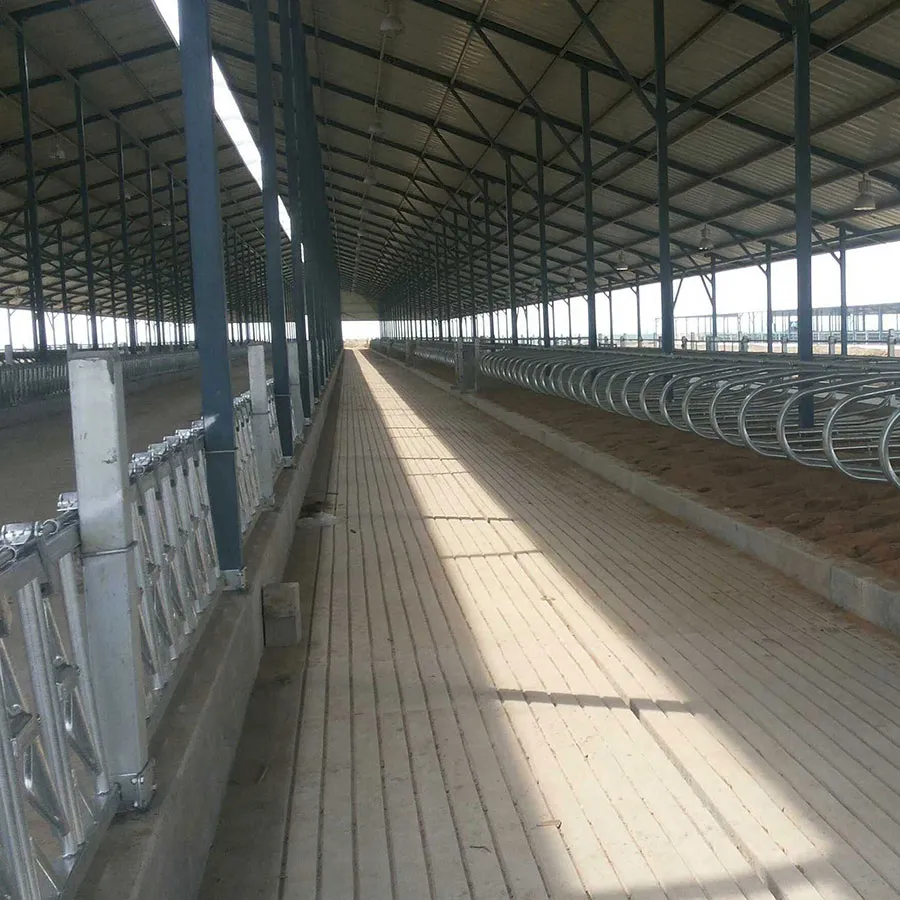
Whether it’s a small family dairy or a huge commercial feedlot, headlocks come in sections, configurable lengths, and forms to fit diverse barn layouts. Newer models also consider ease of integration with automatic feeders and herd management software.
Cost Efficiency
Budget-conscious farms tend to lean on simpler headlocks. But the initial investment balances out because injuries reduce and labor productivity improves over time. Like a timeless workhorse, the best designs deliver reliable service with low maintenance.
Quick Product Specification Table
| Specification | Description |
|---|---|
| Material | Galvanized Steel, Stainless Steel variants |
| Lock Type | Manual lever, Quick-release (spring-loaded) |
| Compatibility | Modular fence sections, automatic feeders |
| Weight Per Section | Approx. 10-15 kg depending on size |
| Dimensions | Standard 2.4m length sections, adjusts per farm specs |
| Lifespan | 7-15 years, depending on maintenance and environment |
Global Applications of Cow Headlocks
Across continents, from the packed dairies of Europe to the feedlots of the USA, and even the pastoral communities in Australia and parts of South America, headlocks are a staple. In regions where animal health services are sparse, these devices serve as vital aids to carry out vaccinations and veterinary inspections.
In fact, NGOs often rely on cow headlocks during post-disaster agricultural recovery programs. For instance, after droughts or floods, restoring livestock productivity quickly while reducing zoonotic diseases is critical, and controlled handling facilitates both outcomes.
Some innovative farms in northern Europe have begun integrating these structures with digital health-monitoring sensors for real-time data on feeding times and stress levels, pushing towards a smart farming future. It’s interesting how an otherwise low-tech tool nests so neatly within high-tech frameworks.
Vendor Comparison Table: Popular Cow Headlock Providers
| Vendor | Materials | Key Features | Price Range |
|---|---|---|---|
| FarmLock Inc. | Galvanized Steel | Heavy-duty locks, manual lever, easy modularity | $120-$150 per section |
| AgriSecure | Stainless Steel, corrosion-resistant | Quick-release system, integration with smart feeders | $170-$220 per section |
| CattleCare Solutions | Galvanized and Painted Steel | Lightweight design, cost-effective, easy installation | $95-$130 per section |
Advantages and Long-Term Value of Cow Headlocks
From a farmhand’s perspective, headlocks reduce chasing and struggling during cattle handling, which means fewer injuries for both animals and workers. But beyond safety, the peace of mind knowing cows experience less stress improves welfare. In real terms, lower stress feeds into increased milk yields and better herd health.
Financially, these systems slash veterinary treatment times and labor costs — two big buckets on any farm budget. The environmental angle, often overlooked, is present too: controlling cattle during feeding minimizes feed waste, indirectly supporting sustainability efforts.
What's Ahead? Future Trends and Innovations
Frankly, the future of cow headlocks is a blend of old-school mechanics and cutting-edge tech. Concepts like IoT-enabled headlocks that track individual cow data for real-time health monitoring aren’t sci-fi anymore. Materials science is also game-changing—lighter alloys or composite materials that resist rust and wear better can push longevity even further.
Plus, automation is stepping up. Imagine headlocks integrated with robotic milking systems or automated sorting gates. The trajectory is toward smarter, safer herds that require less human labor but more precise care.
Challenges and Innovative Solutions
Despite their utility, headlocks face a few challenges: improper sizing can cause injury; lack of maintenance leads to rust and malfunction; and sometimes, the system stresses timid animals. An expert tip? Tailor setups based on breed behavior and retrofit existing fences rather than one-size-fits-all installations.
Some innovative farms have adopted foam padding or flexible locking arms to cushion the lock points. Others schedule regular maintenance using checklists aligned to ISO standards on livestock handling equipment. It’s about merging technology with traditional craftsmanship.
FAQs About Cow Headlocks
Q1: How do cow headlocks improve animal handling safety?
A1: By securely holding a cow’s head in place during procedures, headlocks prevent sudden movements that could cause injuries to both animals and handlers. This reduces stress and allows for quicker, safer treatment.
Q2: Can headlocks be customized to fit different farm sizes?
A2: Absolutely. Headlocks are modular, so farmers can add or remove sections to suit herd size and barn layout. This adaptability makes them suitable for both small-scale dairies and large commercial operations.
Q3: What maintenance is required for cow headlocks?
A3: Regular inspection for wear, greasing hinges, and cleaning buildup of debris prevents rust and ensures smooth operation. Seasonal checks help extend lifespan and prevent costly failures.
Q4: Are there eco-friendly options available?
A4: Yes, some manufacturers offer headlocks made with recycled steel or powder-coated for longer life, reducing environmental impact. Integration with precision feeding systems also helps minimize feed waste, supporting sustainability.
Wrapping It Up: Why Invest in Cow Headlocks?
When the dust settles, cow headlocks stand out as a simple yet powerful tool enhancing farm productivity, animal welfare, and economic sustainability. They’re a quiet enabler of global food safety and rural prosperity—an unsung hero of dairy and cattle farming. If you’re considering an upgrade or new installation, visit our website to explore high-quality, customizable headlock systems tailored to your needs.
Sometimes the smallest piece of tech in a barn can make the biggest difference...
References
1. Food and Agriculture Organization of the United Nations (FAO). “World Cattle Inventory Data” (2023)
2. United Nations Sustainable Development Goals. Goal 12: Responsible Consumption and Production (2024)
3. International Organization for Standardization (ISO). Guidelines on Livestock Handling Equipment (ISO 17833, 2020)
Post time: Nov . 28, 2025