A Closer Look at the Trough Cow: Why This Simple Tool Matters Worldwide
If you’re scratching your head wondering why something as humble as a trough cow deserves attention, you’re not alone. Yet, from pastoral farms to massive agricultural operations, the trough cow — essentially a specialized feeding or watering trough designed for cattle — is a staple that underpins food security, animal welfare, and sustainability in livestock farming around the globe. Understanding its role has more impact than you’d think, whether you’re a farmer, agronomist, or just curious about how the food system works behind the scenes.
Globally, around 1.5 billion cattle provide over 65% of the world's milk supply (FAO, 2022). Efficient feeding and watering systems, like the trough cow, can reduce waste, improve animal health, and increase productivity, which directly contributes to livelihoods and economies.
Mini takeaway: The trough cow isn’t flashy, but it’s part of a vast network that keeps one of the world’s most important food sources flowing efficiently and ethically.
Why Trough Cow Systems Are Crucial in Today’s Livestock Industry
Cattle farming is big business globally and a backbone for many rural communities. According to the United Nations Food and Agriculture Organization (FAO), livestock farming accounts for nearly 40% of global agricultural gross domestic product. Yet, one thorny challenge many farmers face is optimizing feed and water delivery while minimizing contamination and resource waste.
Enter the trough cow — designed to specifically address these issues by delivering precise amounts of water or feed, resisting weather damage, and allowing hygienic access. In many developing countries, improper feeding systems lead to disease spread or wastage, hurting farm yields and animals’ well-being.
Moreover, with climate change causing unpredictable water scarcity, droughts, and heat waves (IPCC report, 2023), a robust trough system becomes not just a convenience but a crucial adaptation tool to safeguard livestock health and farm income.
Mini takeaway: Trough cows tackle real-world problems — from disease prevention to environmental pressures — making them frontline tools in modern livestock resilience.
What Exactly Is a Trough Cow? Breaking Down the Basics
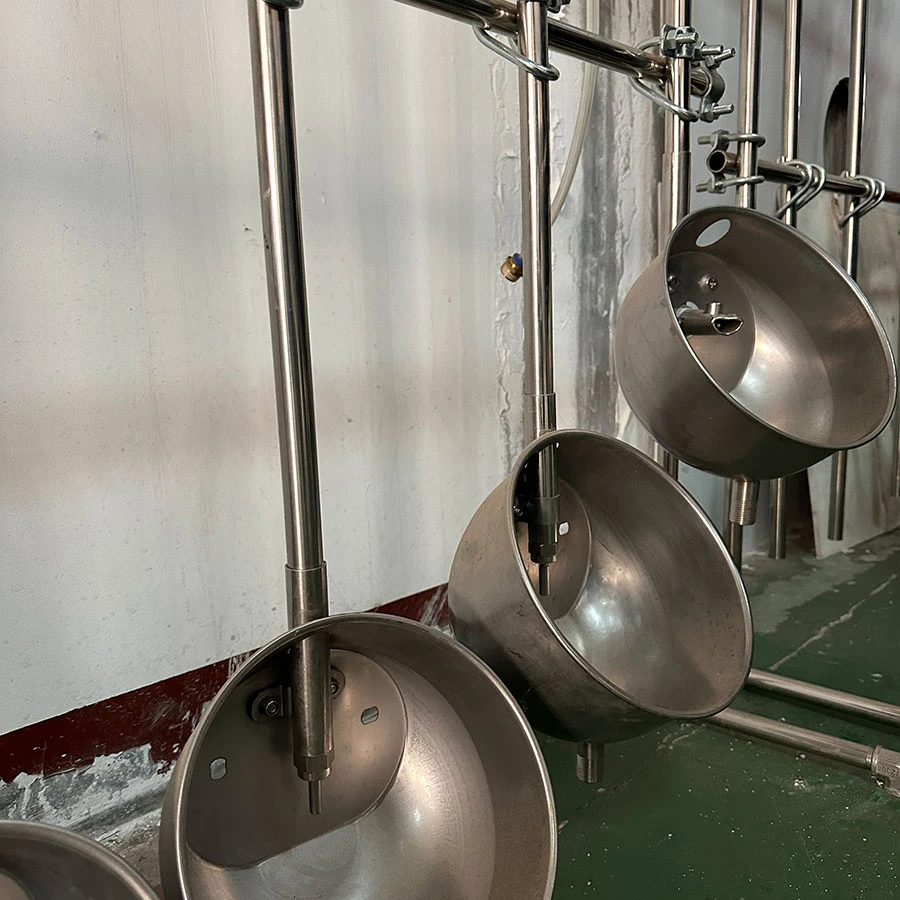
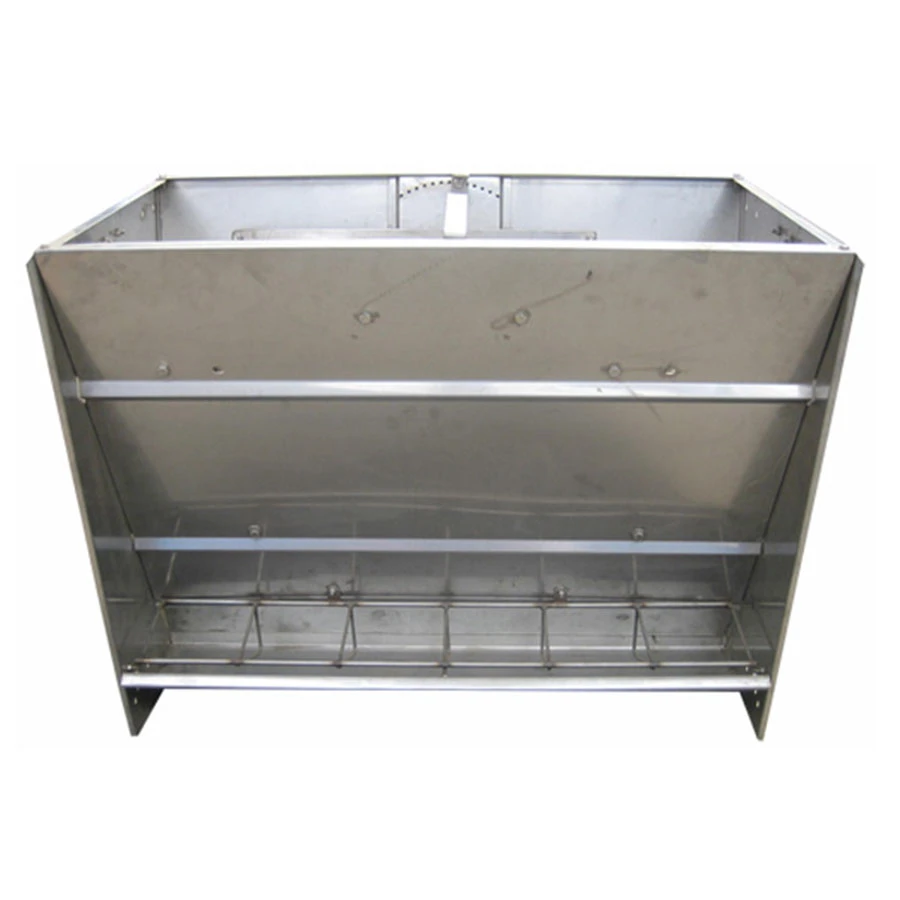
Simply put, a trough cow is a feeding or watering container designed specifically for cattle. Unlike generic troughs, these are engineered with cattle behavior in mind — dimensions, material strength, and resistances tailored to withstand the rough use of cows, large volumes, and outdoor exposure.
They can be made of galvanized steel, reinforced concrete, plastic composites, or rubberized materials. Some designs are mobile, others fixed. The goal? Efficiently delivering feed or water to increase consumption and reduce spillage or contamination.
The modern trough cow shows how simple tools, updated with thoughtful design, connect traditional livestock needs with cutting-edge practices in agro-technology and sustainable farming.
Mini takeaway: It’s more than just a bucket. The trough cow blends design, durability, and usage knowledge into a practical farm essential.
Core Components That Make a Trough Cow Effective
1. Durability & Material Quality
Livestock can be surprisingly tough on equipment. Rough horns, pushing, and the elements mean troughs must withstand abrasion, rust, UV rays, and even freezing conditions — especially in harsh climates. Galvanized steel remains popular due to strength and recyclability; some farms favor UV-resistant plastics to cut weight and cost.
2. Size & Capacity
The dimensions must comfortably suit the cattle size and herd number. Too shallow or small a trough leads to competition and stress; too large wastes resources. Engineers often design troughs calibrated to livestock types — from dairy cows to beef cattle to water buffalo.
3. Hygiene & Ease of Cleaning
Many diseases spread through contaminated water or feed. Troughs designed with smooth surfaces, drainage features, and accessibility simplify cleaning routines, saving time and improving animal health.
4. Environmental Adaptations
Some troughs feature built-in shade covers, insulation, or thermal layers for cold regions. These reduce temperature fluctuations, ensuring water doesn’t freeze or feed won’t spoil quickly.
5. Mobility or Fixed Installation
Mobile troughs that can be relocated allow flexible grazing and prevent overuse of pasture areas. Fixed troughs offer stability for large commercial operations. Each type suits different operational strategies.
Mini takeaway: Building a better trough cow means combining physical resilience with farm realities — size, hygiene, climate, and farming style all shape the design.
Global Applications & Case Studies: Where Trough Cow Makes a Difference
- East African pastoral communities use mobile plastic trough cows to manage water during dry spells, helping reduce the loss of cattle during drought.
- European dairy farms often deploy insulated troughs to improve water intake during winter, enhancing milk yields.
- Australian beef operations invest in automated feeding trough systems that monitor consumption and reduce manual labor.
- Post-disaster relief livestock programs in Asia include portable trough cows to ensure animals receive clean water amidst disrupted infrastructure.
In every case, the trough cow adapts to local needs — simple, affordable, and often life-saving.
Mini takeaway: No matter the continent, industry, or purpose, these practical feeders share a surprisingly versatile, global footprint in cattle care.
Advantages of Using a Well-Designed Trough Cow
- Cost Efficiency: Less feed and water wasted means better returns.
- Sustainability: Durable materials and optimized feeding reduce environmental strain.
- Animal Health: Cleaner water/feed lowers disease risk.
- Labor Savings: Easy-to-clean and maintain troughs save farmer time.
- Increased Productivity: Better consumption means healthier cows and better milk/meat output.
Emotionally, farmers often speak of “trusting their trough” — because a reliable trough cow system feels like a small but steady investment in their animals’ dignity and care.
Future Innovations: What’s Next for Trough Cow Technology?
Technology is creeping into even the most basic elements of agriculture, and trough cows are no exception. You might soon find sensor-enabled troughs that detect water levels, feed intake, and even cow activity, all feeding data back to farm management software for smarter decisions.
Materials science is pushing lightweight, self-cleaning surfaces that repel algae or bacteria. Renewable energy-powered heating elements keep water thawed in cold regions, while solar-powered mobile troughs expand options for remote pastures.
Green policies and international guidelines (ISO 14484 for livestock watering equipment) are driving eco-friendly designs that reduce plastic waste and promote recycling.
Mini takeaway: The future trough cow is smart, clean, and greener — blending tradition with tech to support a growing global demand in sustainable livestock farming.
Common Challenges and How Experts Tackle Them
Even great products have their quirks. Some farmers complain about initial costs or lack of local repair options. Others mention that in very arid or muddy environments, trough water can quickly become unusable without extra protective measures.
Innovative NGOs and manufacturers are responding with modular repair kits, local production partnerships, and context-specific designs. Training farmers on maintenance, alongside providing simple water filtration solutions, keeps troughs functional longer.
Frankly, it’s a conversation — not just about feeding cows, but about fitting technology to people and places.
FAQ: Answers to Your Most Common Questions About Trough Cow
Q1: What materials are best for long-lasting trough cows?
A: Galvanized steel is favored for durability and rust resistance, especially in large commercial operations. UV-resistant plastics offer lightweight alternatives ideal in mobile setups. Concrete is popular where fixed heavy-duty installations are possible.
Q2: How often should trough cows be cleaned?
A: Ideally, cleaning should happen at least once a week to prevent algae buildup and contamination. In hot climates, more frequent cleaning is advisable to maintain water quality.
Q3: Are mobile trough cows practical for large herds?
A: Yes, mobile troughs allow flexible pasture rotation, which benefits land health. But for very large herds, multiple troughs or fixed systems may be needed to avoid overcrowding.
Q4: Can trough cows be customized for different cattle breeds?
A: Absolutely. Dimensions, depth, and height can be tailored to breed size and behavior, optimizing comfort and minimizing wastage.
Q5: How do manufacturers ensure trough cows comply with environmental standards?
A: Many follow international standards such as ISO 14484, and use recyclable materials, low-impact manufacturing, and designs that minimize water and feed waste.
Product Specification Table: Typical Trough Cow Models
| Model | Material | Capacity (liters) | Dimensions (L×W×H cm) | Weight (kg) | Usage |
|---|---|---|---|---|---|
| AquaSteel 500 | Galvanized Steel | 500 | 150×60×50 | 35 | Fixed Water Trough |
| FlexFeed Mobile | UV-Resistant Plastic | 300 | 120×50×40 | 15 | Mobile Feed Trough |
| Concreta Heavy-Duty | Reinforced Concrete | 700 | 180×70×60 | 150 | Fixed Feed & Water |
Vendor Comparison Table: Leading Trough Cow Suppliers
| Supplier | Product Range | Customization Options | Lead Time | Support & Training | Pricing Tier |
|---|---|---|---|---|---|
| AgriTrough Inc. | Feed & Water Troughs (Steel, Plastic) | High (Sizes, Colors, Accessories) | 3-5 Weeks | Online & Onsite | Mid-Range |
| Livestock Solutions | Concrete & Mobile Troughs | Medium (Basic Mods) | 4-7 Weeks | Phone Support | Budget-Friendly |
| GreenFarm Tech | Smart Sensor-Enabled Troughs | High (Tech & Size) | 6-8 Weeks | Extensive Training Programs | Premium |
Wrapping It Up: Why Investing in Better Trough Cows Pays Off
Looking back, it’s clear the trough cow is not just a piece of farm equipment. It speaks to the heart of modern livestock farming — balancing productivity, animal welfare, sustainability, and adaptation to climate challenges.
Sure, it’s easy to overlook, but whoever said “small details make huge differences” was probably thinking of something like livestock troughs. For farmers, NGOs, and agribusinesses alike, investing in quality, tailored trough cows means healthier animals, less waste, and a more resilient food system.
Curious to explore a wide range of trough cow solutions that fit your needs? Visit trough cow for an extensive catalog, expert advice, and sustainable options designed to work for you.
Sometimes, it’s the simplest tools that keep us going...
References:
Post time: Dec . 02, 2025