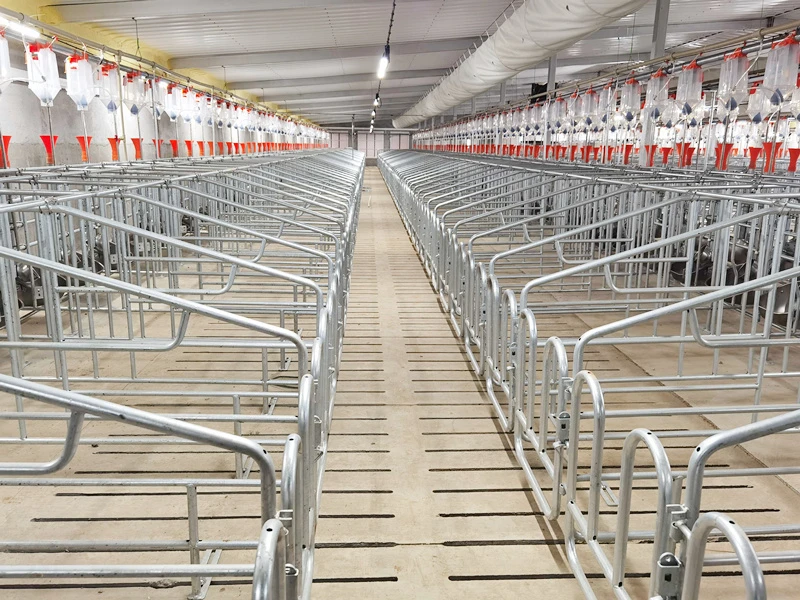
Understanding the Slat Floor: A Key Element in Modern Flooring Solutions
At first blush, the term slat floor might sound a bit niche, maybe even mundane. But dig a little deeper, and you’ll see how this simple concept underpins a variety of industries worldwide — from agricultural livestock housing to innovative building systems in disaster relief zones. Why does it matter globally? Because these floors provide solutions that improve hygiene, structural integrity, animal welfare, and even worker safety in countless settings.
Why Should You Care About Slat Floors?
Understanding slat floor designs isn’t just for engineers or architects. It relates directly to sustainability, cost efficiency, and improving living or working conditions. Global food security, for instance, depends on efficient livestock management— and slat floors are often the unsung heroes.
Global Context: The Rising Demand for Efficient Flooring Solutions
According to the United Nations’ Food and Agriculture Organization (FAO), the global population is expected to hit nearly 10 billion by 2050. This surge intensifies pressure on farming methods and infrastructure, including the facilities housing livestock. Slat floor systems are increasingly adopted worldwide to address challenges like waste management, animal comfort, and operational costs.
However, in many developing regions, poor flooring systems limit productivity and even cause health risks. The World Bank highlights that improving agricultural infrastructure, including livestock facilities, could boost rural incomes significantly. Oddly enough, something as straightforward as slat floors can be game-changers in this equation.
What Exactly Is a Slat Floor?
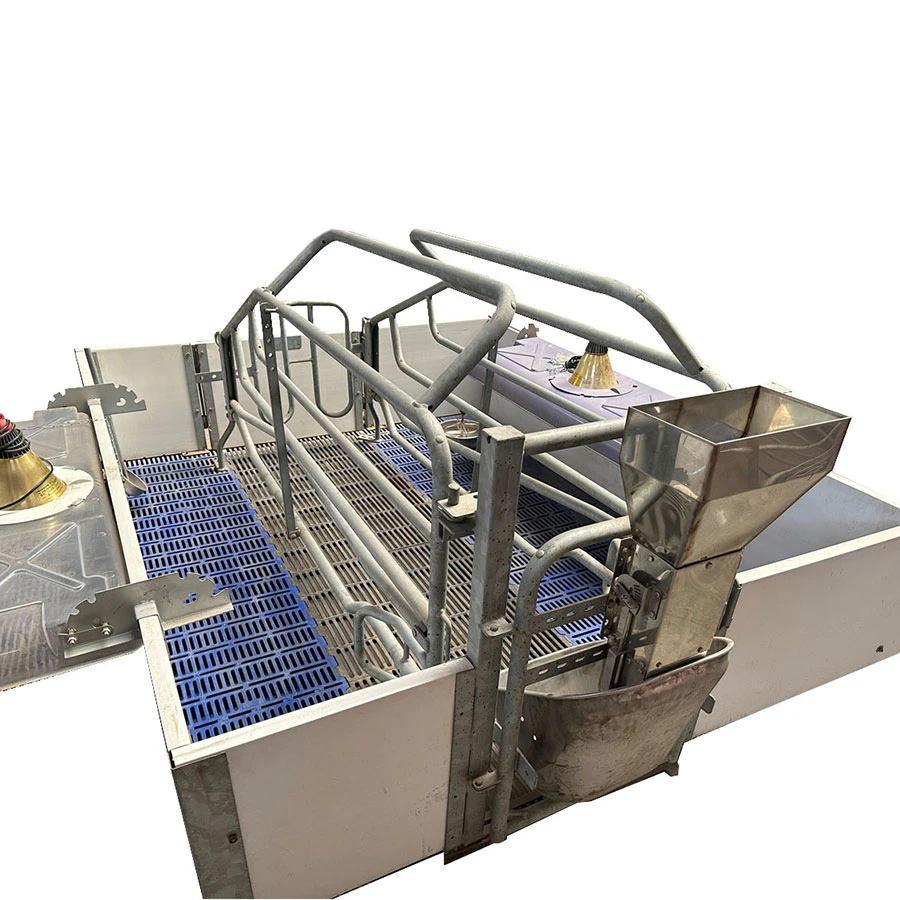
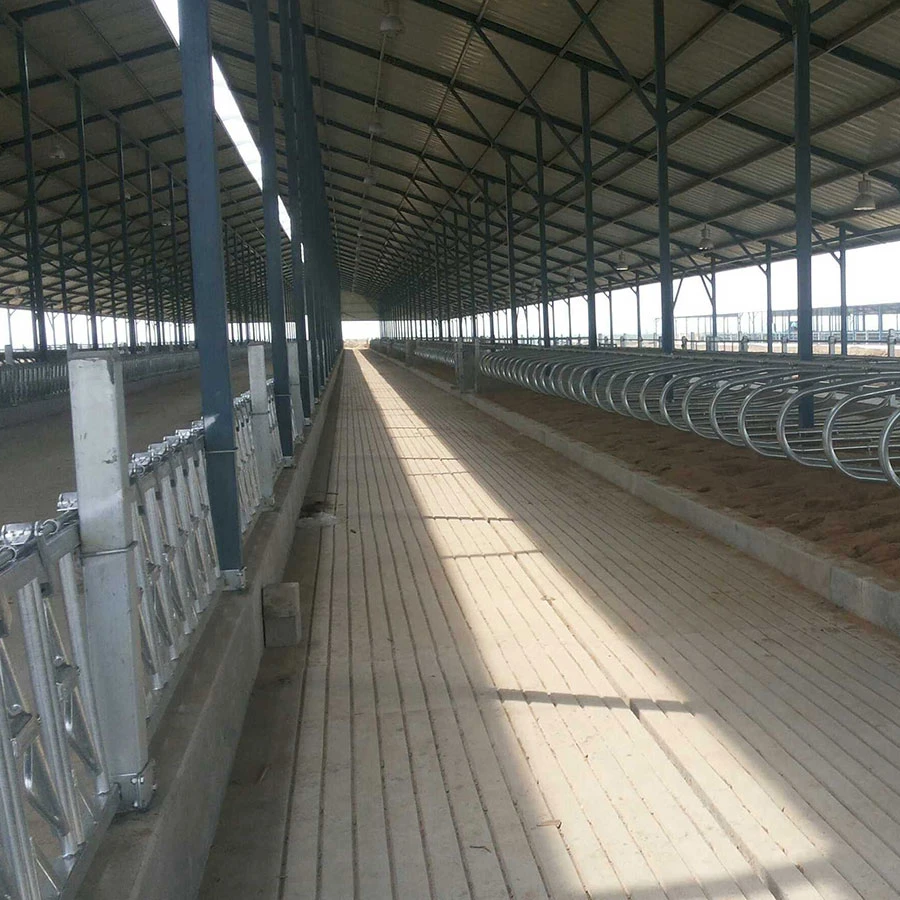
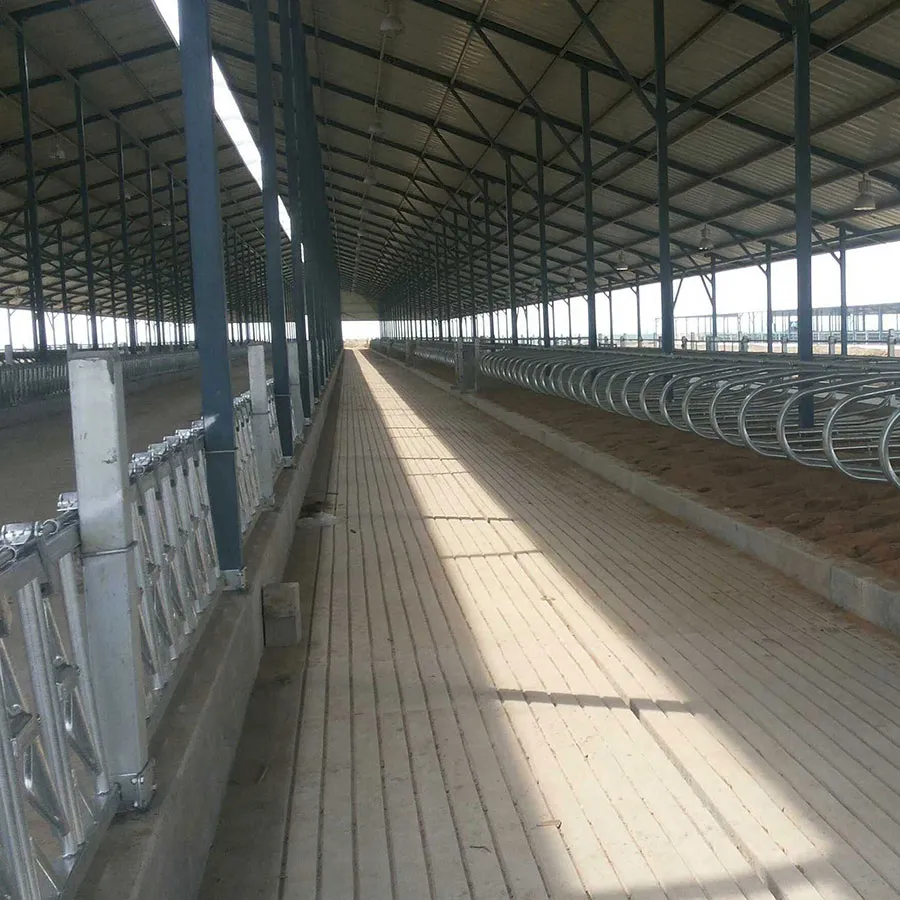
A slat floor refers to a floor composed of parallel slats—usually made from concrete, metal, or plastic—arranged with spaces between them, allowing waste or debris to fall through. Think of it sort of like a grated platform you might see in barns or industrial factories. Their design is simple but clever: facilitating cleanliness and drainage, improving health conditions in confined environments.
These floors link directly to modern-day needs—whether in industrial farming for efficient manure management or modular construction where quick setup and durability matter.
Core Components and Factors of Slat Floors
1. Durability and Material Choices
Materials can range from reinforced concrete, high-grade plastics, to galvanized steel. Each material has its own pros and cons. For instance, concrete is incredibly durable and has a long lifespan but can crack under severe frost. Plastic slats are lighter and easier to install but may not hold up as well under heavy machinery.
2. Weight Capacity and Support
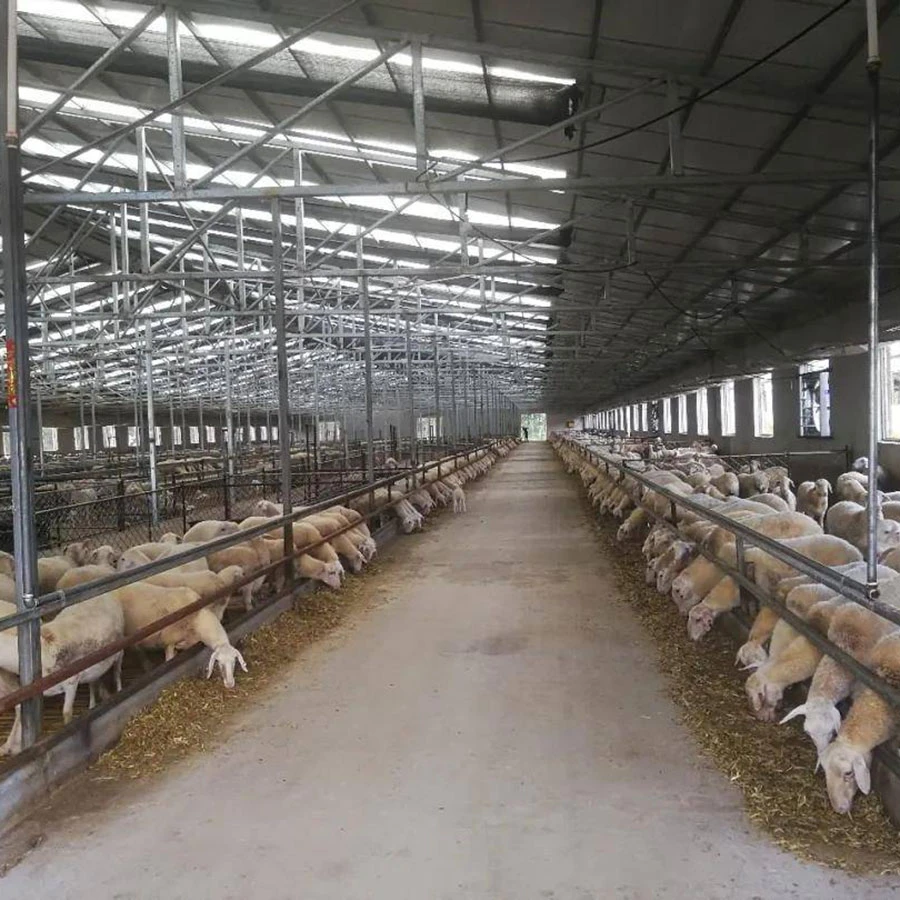
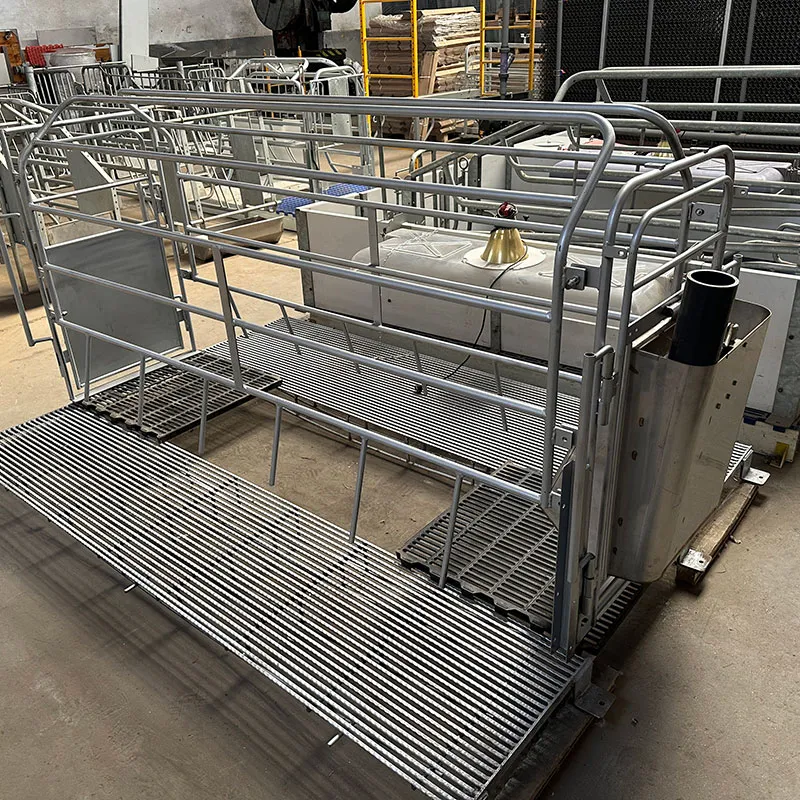
Slat floors are engineered to support variable loads. A swine barn slat floor needs to handle the weight of dozens of animals consistently. Meanwhile, industrial zones might require robust floors that bear heavy vehicles or equipment.
3. Waste Management Efficiency
Perhaps the best-known benefit, the gaps between slats allow waste to fall into collection pits or slurry systems beneath. This keeps surfaces dry and minimizes odors.
4. Scalability and Installation
Many slat floors come in modular panels. This makes installation faster and allows for future expansion or repairs without major downtime—a blessing in fast-paced agricultural or industrial settings.
5. Cost Efficiency Over Time
While upfront costs vary widely, slat floors often save money over the long run by reducing maintenance and improving operational efficiency.
Mini takeaway: Whether you’re building a new livestock barn in Europe, or retrofitting a manufacturing plant in Asia, understanding these fundamentals can ensure you choose the right slat floor system to fit your needs.
Where Do Slat Floors Shine Around the World?
In real-life usage, slat floors are everywhere but often overlooked. In post-disaster relief operations, for example, rapidly deployable animal housing often features these floors to quickly control waste in rough conditions. Slat floor systems help maintain hygiene even when resources are scarce.
In regions like Northern Europe, their use is standard in dairy and pork production. The farmers swear by the cleaner environment and better animal health. In parts of the US, industrial plants rely on heavy-duty steel slat floors that can withstand constant forklift traffic.
Product Specification Table: Typical Slat Floor Options
| Specification | Concrete Slats | Plastic Slats | Steel Slats |
|---|---|---|---|
| Material | Reinforced concrete | High-density polyethylene | Galvanized steel |
| Typical Load Capacity | Up to 1000 kg/m² | Up to 400 kg/m² | Up to 1500 kg/m² |
| Lifespan | 20+ years | 10-15 years | 25+ years |
| Best Use Case | Livestock barns, heavy use | Light animal housing, easy install | Industrial zones, vehicle traffic |
| Approximate Cost | $$ | $ | $$$ |
Comparing Top Slat Floor Vendors
| Vendor | Key Strength | Product Types | Regions Served | Customer Rating |
|---|---|---|---|---|
| AgriSlats Inc. | Heavy-duty concrete slats | Concrete | North America, Europe | 4.5/5 |
| FlexiFloors Ltd. | Lightweight, easy install plastic | Plastic | Asia, Australia | 4.2/5 |
| SteelSlats Solutions | Corrosion-resistant steel options | Steel | Europe, Africa | 4.7/5 |
Advantages & Long-Term Value of Choosing Slat Floors
When you choose slat floor systems, the benefits go beyond just functionality. They deliver real financial savings over time — less downtime, easier cleaning routines, better animal health or workspace hygiene. Frankly, it’s a win-win for environment and safety.
On a social level, these floors promote dignity — fewer injuries and discomfort for animals and workers alike. Innovation here often means trust; users know their slat floors won’t crack under pressure. And sustainability? Less water usage for cleaning and better waste management align with environmental goals.
Looking Ahead: Emerging Trends & Innovations
The future of slat floors is kind of exciting. Manufacturers are experimenting with recycled materials to reduce carbon footprints, like plastics made from agricultural waste or biodegradable composites. Digital sensors embedded in some slat floors can now monitor structural health or detect moisture levels, a sort of early warning system.
Automation integration makes cleaning systems smarter — no manual labor needed to flush away waste. Combining green energy-powered ventilation systems with slat floors optimizes indoor air quality in barns and industrial spaces.
Addressing Challenges & Innovative Solutions
Not everything’s perfect — slat floors can sometimes pose animal comfort concerns or require high upfront investment. And in climates with freezing winters, frost can be an issue, especially for concrete slats. But new polymer mixes resist cracking, and modular designs can speed up replacements.
Consulting engineers increasingly recommend combining slat floors with suitable bedding or mats to improve comfort. Financing options from vendors also ease upfront cost pressure.
FAQ: What You Really Want to Know About Slat Floors
-
Q: How do slat floors improve waste management in livestock barns?
A: Slat floors allow manure and urine to fall through the gaps into collection pits below, keeping animal living areas drier and cleaner. This reduces disease risk and labor costs for cleaning. -
Q: Are plastic slat floors durable enough for heavy farm animals?
A: Plastic slats are generally durable for light to medium-weight animals, but may not suit very heavy stock or machinery. They excel in easy installation and corrosion resistance. -
Q: Can slat floors be customized for different livestock types?
A: Yes, slat width, spacing, and material can be tailored to species-specific needs, such as pigs versus poultry, ensuring optimal comfort and waste management. -
Q: How do I handle the installation of slat floors in existing barns?
A: Modular slat systems make retrofitting easier. Professional assessment is crucial to ensure floor support and drainage compatibility.
Summing It Up — Why Invest in Slat Floors?
Slat floors combine efficiency, durability, and sustainability in a way that few other simple construction elements do. Their relevance spans the globe, impacting agriculture, industry, and even humanitarian efforts. If you want to improve hygiene, reduce maintenance, and promote safety—well, slat floors are a solid bet.
Interested in exploring options? Visit our website: https://www.cxlivestock.com for tailored slat floor solutions designed for your unique needs.
References:
Post time: Dec . 02, 2025