Understanding Pig Nursery Flooring: Why It Matters Globally
At first glance, pig nursery flooring might sound like a niche farm detail. But step back for a moment — this seemingly narrow topic has huge implications for animal welfare, agricultural productivity, and even global food security. Across the world, millions of piglets rely on specialized flooring designs to ensure their health and growth during critical early life stages.
Proper flooring systems not only boost survival rates but also address environmental and hygiene challenges that impact farmers in developed and developing countries alike. Understanding pig nursery flooring bridges engineering, animal science, and sustainability — and it’s becoming increasingly essential as pork consumption rises globally.
The Global Context: Why Pig Nursery Flooring Is a Growing Concern
According to the UN's Food and Agriculture Organization (FAO), pork is the most widely consumed meat worldwide, accounting for roughly 36% of meat production. With pork production intensifying in Asia, Europe, and parts of the Americas, optimizing the conditions piglets grow in is a universal priority.[1]
Yet, challenges persist: poor flooring can lead to disease spread, injuries, and inefficient waste management. These issues translate into financial losses, antimicrobial resistance risks, and environmental strain. The market for pig nursery flooring is thus not just about comfort — it’s a front line in sustainable livestock farming.
What Exactly Is Pig Nursery Flooring?
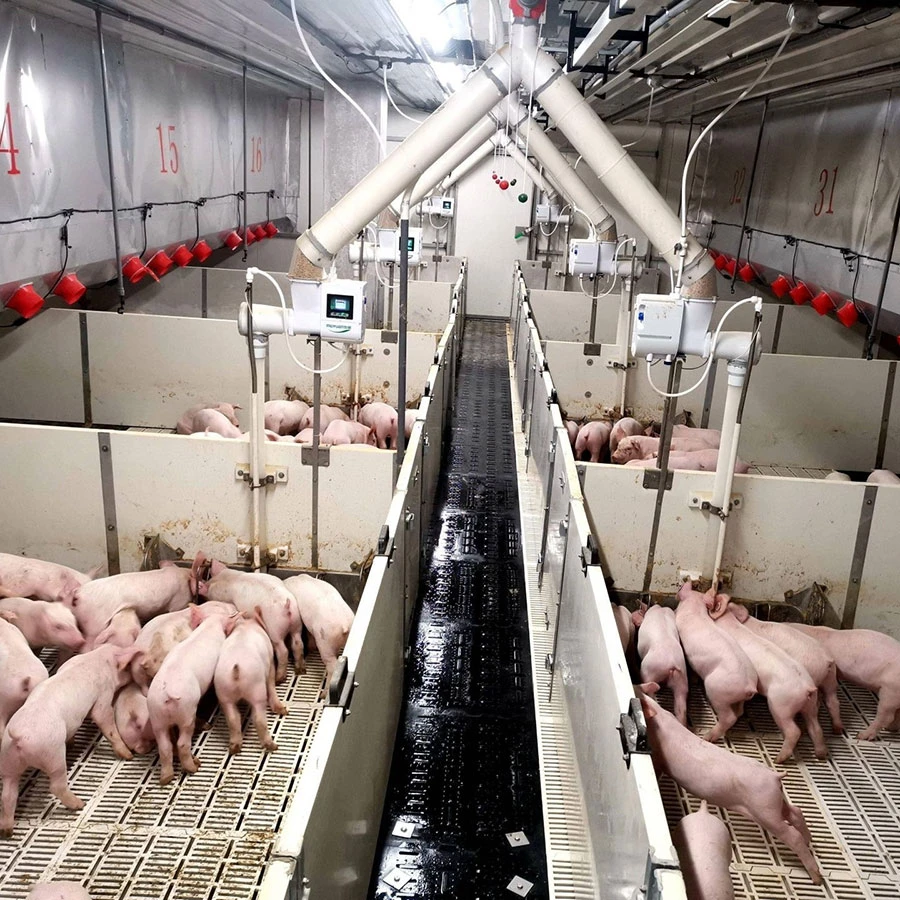
Simply put, pig nursery flooring refers to the surfaces installed in a piglet’s nursery or weaning area. These floors are specially designed to support young pigs during their vulnerable first weeks after birth. They differ from conventional barn flooring by focusing on thermal comfort, hygiene, durability, and drainage.
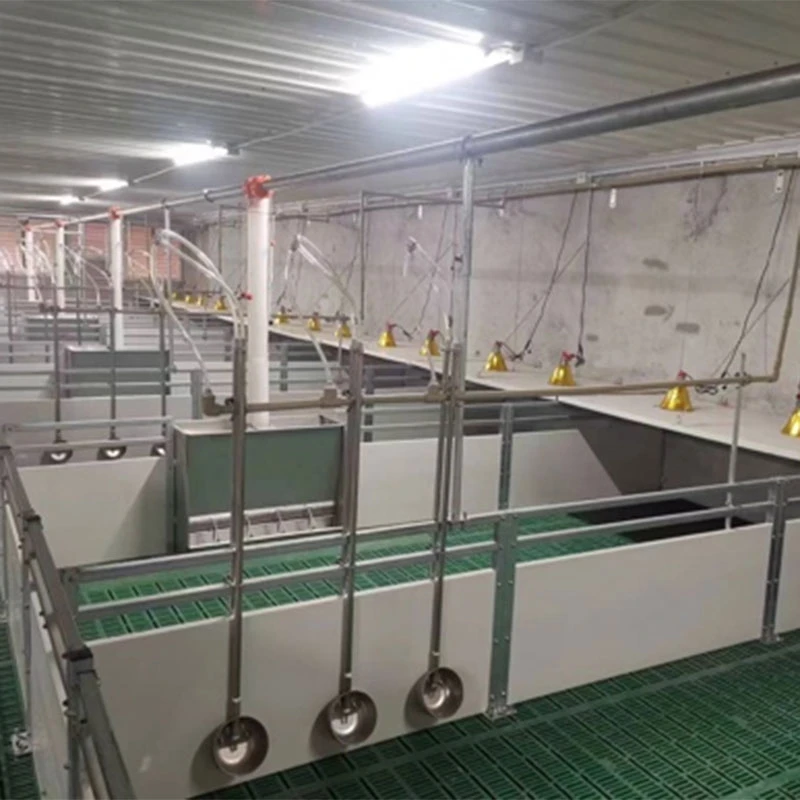
In modern pig farming, nursery floors are often made from materials like molded plastic, concrete with slats, or rubber mats, aiming to reduce stress and disease. This flooring connects directly with advances in animal welfare standards and efficient waste handling, making it a keystone element of modern pig production.
Key Factors in Pig Nursery Flooring
1. Durability and Strength
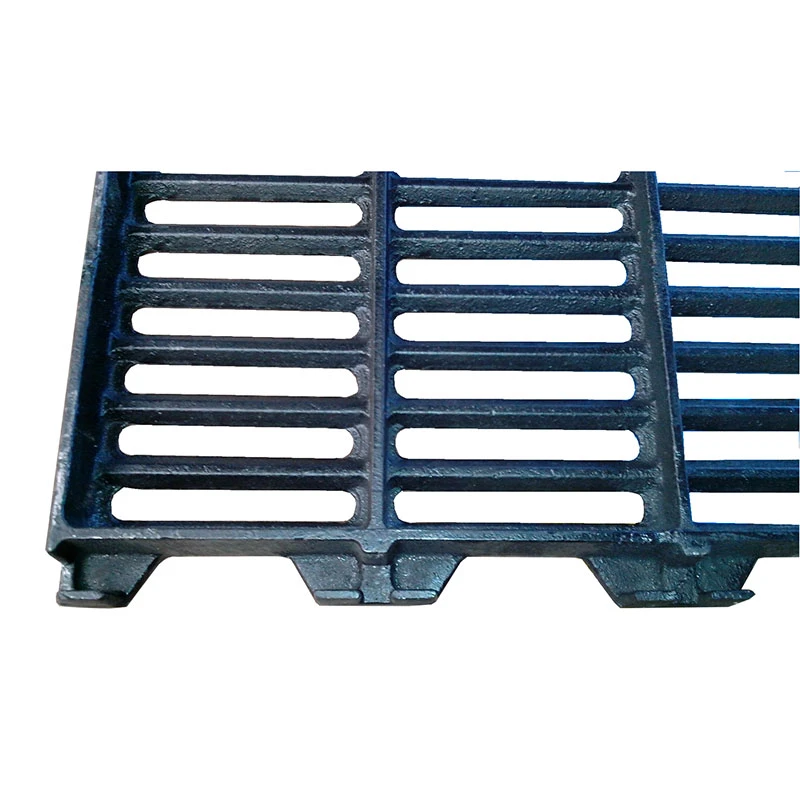
Nursery floors take a beating — piglets scratch, defecate, and scramble over them continuously. Materials must withstand moisture, chemicals (cleaning agents), and mechanical wear without degrading. Concrete slats, for example, are long-lasting but can sometimes cause foot trauma if not designed well.
2. Thermal Comfort
Young piglets can’t regulate their temperature efficiently. A cold floor can stress them, slowing growth or increasing mortality risk. So design often incorporates insulation or materials that maintain warmth yet allow drainage.
3. Hygiene and Waste Management
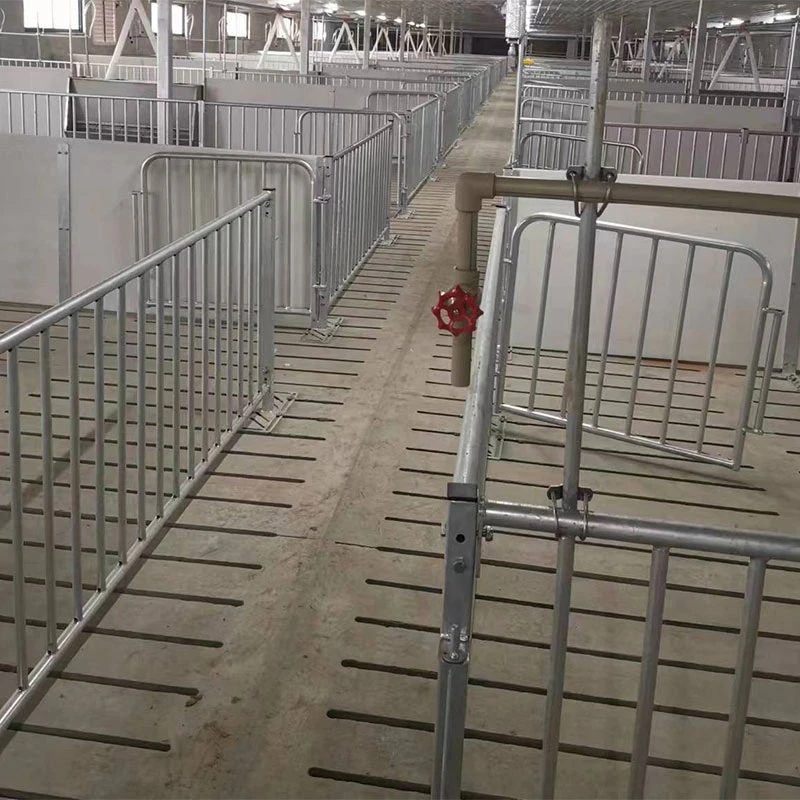
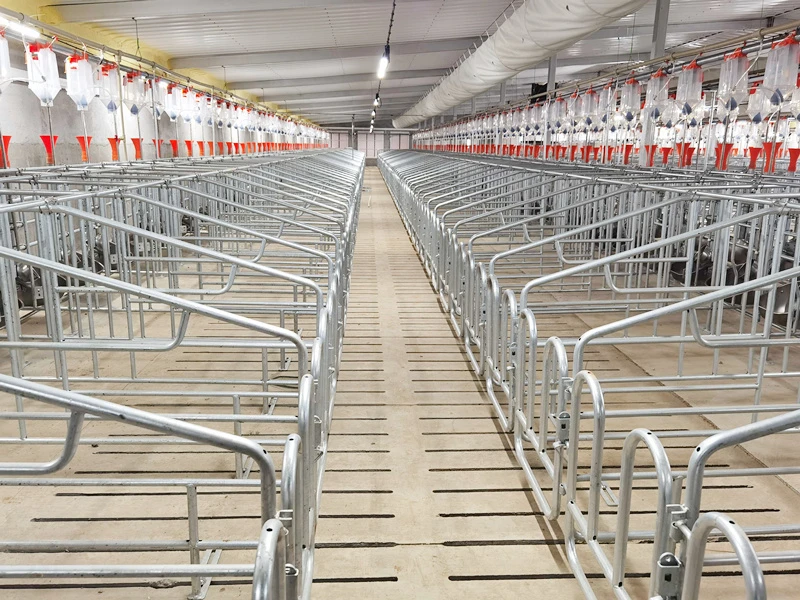
Piglets produce a lot of waste, and nursery flooring must allow rapid drainage to remove urine and feces, maintaining clean conditions. Slatted floors or plastic grids are common solutions, but they must balance drainage efficiency with piglet comfort.
4. Cost Efficiency
Of course, farmers juggle budgets. Floors must provide long-term value — not just upfront cost — considering installation, maintenance, and replacement cycles.
5. Animal Welfare and Safety
Injuries caused by rough edges, slipping, or rough surfaces can lead to infections or lameness. Manufacturers continually refine designs to reduce bruising or foot lesions, meeting evolving welfare standards.
Mini Takeaway:
- Choosing the right pig nursery flooring means balancing durability, warmth, hygiene, cost, and animal welfare for optimal outcomes.
Where Pig Nursery Flooring Comes Alive: Real-World Applications
Pig nursery flooring is deployed worldwide, from large-scale industrial farms in Europe to smallholder operations in Southeast Asia. Regions like Denmark and Spain lead in adopting advanced slatted concrete floors integrating waste removal systems, while countries such as Vietnam and Brazil often use modular plastic flooring to enhance the hygiene and portability of pig pens.
In emergency or remote settings, such as post-disaster relief efforts or mobile livestock units, lightweight plastic flooring is favored for ease of cleaning and transportation. Some NGOs working in Africa have introduced mobile pig nurseries with quick-assembly floors that improve piglet survival in challenging environments.
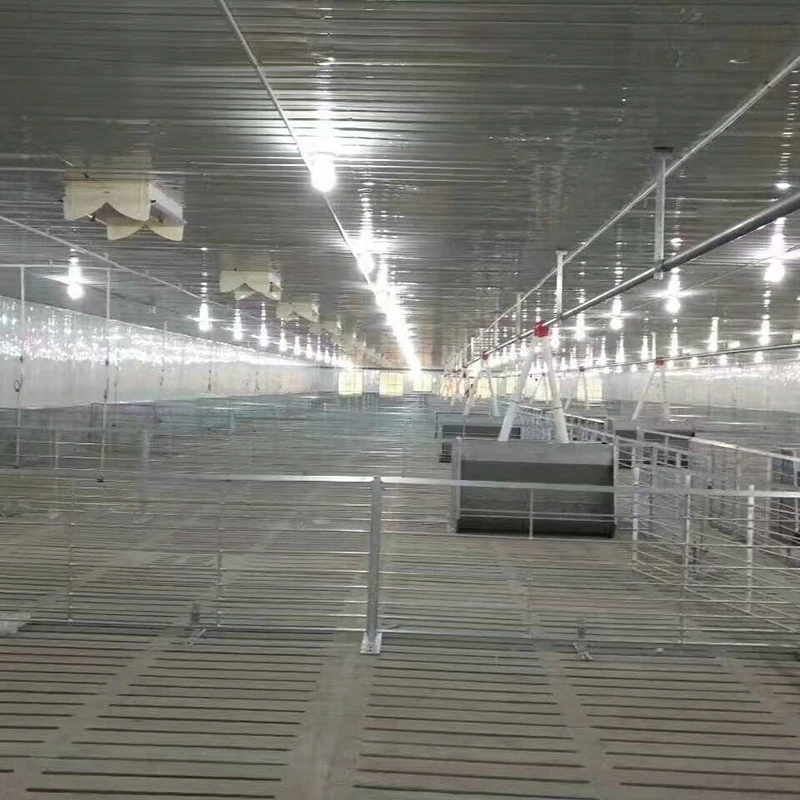
Industrial farms increasingly combine flooring innovations with climate control and digital monitoring to optimize piglet health and growth rates. These high-tech approaches are a sharp contrast to traditional dirt or straw-based floors, showing a clear path forward.
Advantages & Long-Term Value of Investing in Pig Nursery Flooring
- Improved Animal Health: Clean, warm floors reduce disease spread and mortality.
- Better Growth Rates: Comfortable piglets eat more and grow faster.
- Environmental Benefits: Effective waste drainage minimizes ammonia emissions and water contamination.
- Economic Savings: Durable floors reduce maintenance and veterinary costs.
- Ethical Farming: Meeting welfare standards builds consumer trust and market access.
On the emotional side, farmers often express deep satisfaction watching healthier litters thrive on well-designed flooring — it’s about respect for animals and sustainable stewardship.
Technical Specifications of a Typical Pig Nursery Flooring Product
| Feature | Description | Typical Value |
|---|---|---|
| Material | High-density polyethylene (HDPE) or concrete | Plastic slats or pre-cast concrete |
| Load Capacity | Supports the weight of up to 10 piglets per m² | 150-300 kg/m² |
| Drainage Efficiency | Slat spacing optimized for waste runoff without foot entrapment | 8-12 mm slots |
| Thermal Conductivity | Low to moderate to maintain warmth | 0.2-0.5 W/m·K (plastic) |
| Lifespan | Depends on material and usage | Up to 10 years for concrete; 5-7 years for plastic |
Comparing Top Vendors for Pig Nursery Flooring
| Vendor | Material Focus | Price Range | Installation | Lead Time |
|---|---|---|---|---|
| AgriFloor Solutions | Concrete Slats | $$$ | Professional Installation Required | 4-6 weeks |
| PlasticPig Nurseries | Plastic Modular Panels | $$ | DIY Assembly Available | 2-3 weeks |
| EcoFarm Floors | Rubber Composite with Insulation | $$$$ | Professional Installation Recommended | 6-8 weeks |
Future Trends & Innovations in Pig Nursery Flooring
Innovation in pig nursery flooring is definitely not standing still. Material scientists are exploring bio-based plastics and recycled composites to reduce environmental impact while maintaining durability. Automated cleaning systems combined with sensor-driven health monitoring are becoming part of integrated floor solutions, helping farmers catch illness early.
Moreover, some manufacturers are experimenting with heated floors powered by renewable energy — solar or biogas — addressing that persistent thermal comfort challenge for piglets without raising carbon footprints.
Challenges and How the Industry Is Addressing Them
Despite great progress, challenges remain. Traditional concrete slats can injure piglets if poorly designed, and plastic floors might lack sufficient longevity in high-traffic settings. Cost remains a barrier for smallholders who could benefit greatly, too.
Innovative hybrid materials and modular systems promise tailored solutions fitting different farm sizes and climates. Collaborative initiatives between engineers, vets, and farmers push the needle toward better, more affordable options. Pig nursery flooring isn’t just a product; it’s a whole ecosystem evolving constantly.
Frequently Asked Questions About Pig Nursery Flooring
- What is the best material for pig nursery flooring?
- It depends on your priorities. Concrete slats are durable and easy to clean but may cause foot injuries if not well designed. Plastic flooring offers better thermal comfort and is lighter but can wear out faster. Many farmers combine both materials or choose rubber composites for softness.
- How often should pig nursery flooring be replaced?
- Concrete floors can last up to a decade with proper maintenance, while plastic or rubber panels usually need replacement after 5-7 years, depending on usage intensity and cleaning practices.
- Can pig nursery flooring improve piglet survival rates?
- Absolutely. Cleaner, warmer, and safer flooring significantly reduces disease transmission and injury risk, which directly contributes to higher survival and growth rates.
- Is installing pig nursery flooring expensive?
- Initial costs vary widely. While some plastic modular options are budget-friendly, professional installation of concrete slats can be costly. Consider the long-term savings in veterinarian bills and improved productivity.
- Are pig nursery floors eco-friendly?
- With growing awareness, many producers opt for recycled or bio-based materials and implement floor designs that minimize water use and waste emissions. Future trends lean strongly toward sustainability.
Conclusion: Why You Should Care About Pig Nursery Flooring
For those in the agricultural field or simply curious about where your bacon comes from, pig nursery flooring offers a fascinating glimpse into how thoughtful design and science improve one piece of the complex food chain puzzle. It touches on sustainability, animal welfare, economics, and even environmental policy.
For farmers aiming to raise healthier litters, industry players investing in innovation, or policymakers focused on food security, pig nursery flooring is a subtle but critical factor that often makes the difference between success and failure.
Visit our website: https://www.cxlivestock.com to explore advanced flooring options and bring your pig nursery up to the next level.
References
Post time: Dec . 02, 2025