The Practical Guide to Pen Fattening Project Proposal PDFs
Pen fattening might sound like a niche agricultural concept, but understanding a pen fattening project proposal pdf is actually a surprisingly powerful tool—especially for livestock farmers, agricultural investors, and rural development planners around the world. In essence, it’s a blueprint for improving livestock weight gain through controlled feeding, better housing, and management practices. Why does this matter? Globally, livestock forms a linchpin for food security, sustainable livelihoods, and rural economies. But the devil’s in the details: getting pen fattening right can mean the difference between profit and loss for farmers, and between resource efficiency or waste for entire communities.
Mini Takeaway: A solid pen fattening project proposal sets the foundation for healthier animals, better returns, and broader economic uplift. It’s a roadmap worth reading carefully.
Why Pen Fattening Project Proposals Have Global Impact
Globally, the livestock sector supports nearly 1.3 billion people—directly or indirectly. According to the UN’s Food and Agriculture Organization (FAO), livestock contributes approximately 40% of the global value of agricultural output. But with challenges like feed scarcity, disease, and environmental impact, approaches like pen fattening are gaining traction as efficient solutions.
Yet, it’s not just about money. In many developing nations, pen fattening can help farmers cope with climate change pressures by optimizing feed and water use. Plus, the World Bank highlights how structured livestock projects help reduce rural poverty and promote food security.
Still, one stumbling block has been the lack of clear, practical proposals or templates to guide farmers and organizations toward effective fattening programs. Enter the “pen fattening project proposal pdf.” Being both accessible and standardized, it ensures plans are communicated clearly and can be acted upon with confidence.
Mini Takeaway: A well-formulated pen fattening proposal isn't just paperwork—it’s a catalyst for upgrading rural livestock productivity on a global scale.
What Exactly Is a Pen Fattening Project Proposal PDF?
Put simply, a pen fattening project proposal pdf is a document that outlines the objectives, methodologies, resource needs, and expected outcomes of a livestock fattening initiative. Usually, it includes livestock housing designs (pens), feeding regimes, budgeting, and timelines. Think of it as a business plan but laser-focused on livestock fattening via penned animals.
It bridges modern agricultural science and ground reality. NGOs use it to secure funding, governments to plan rural programs, and farmers to stay organized. The “pdf” format is preferred for ease of sharing and standardization across stakeholders.
Mini Takeaway: Essentially, it’s the “game plan” document that gives structure to livestock fattening projects, turning ideas into executable action.
Core Components in a Pen Fattening Project Proposal PDF
1. Animal Housing Durability
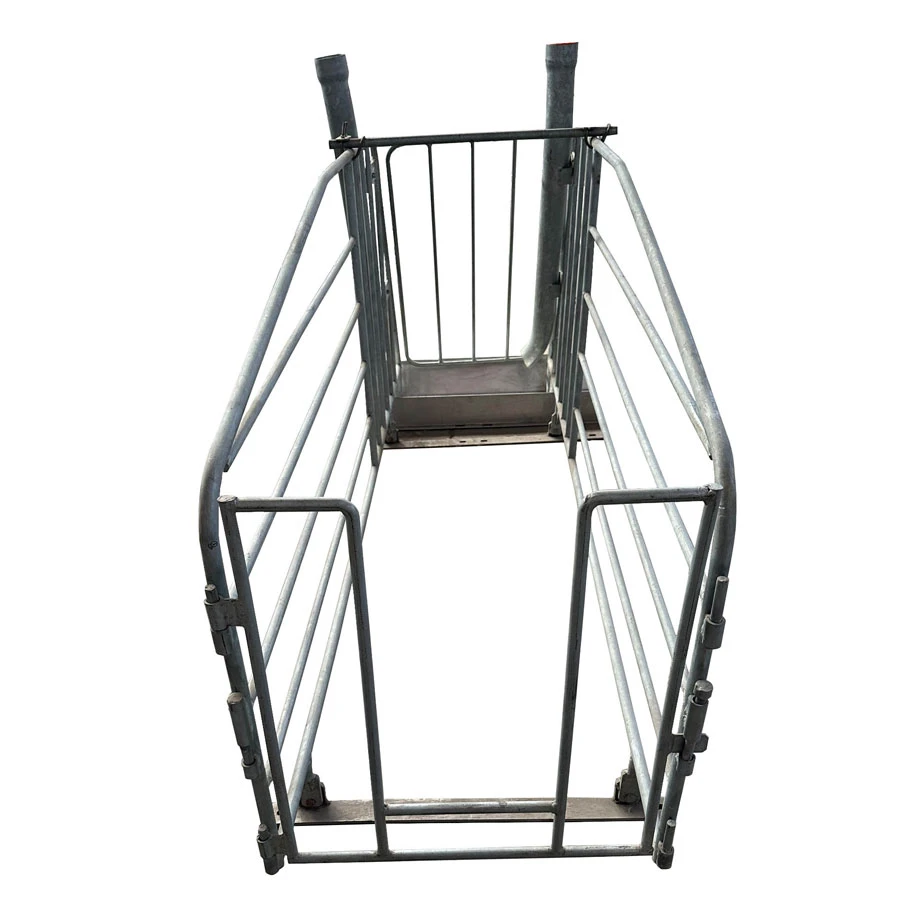
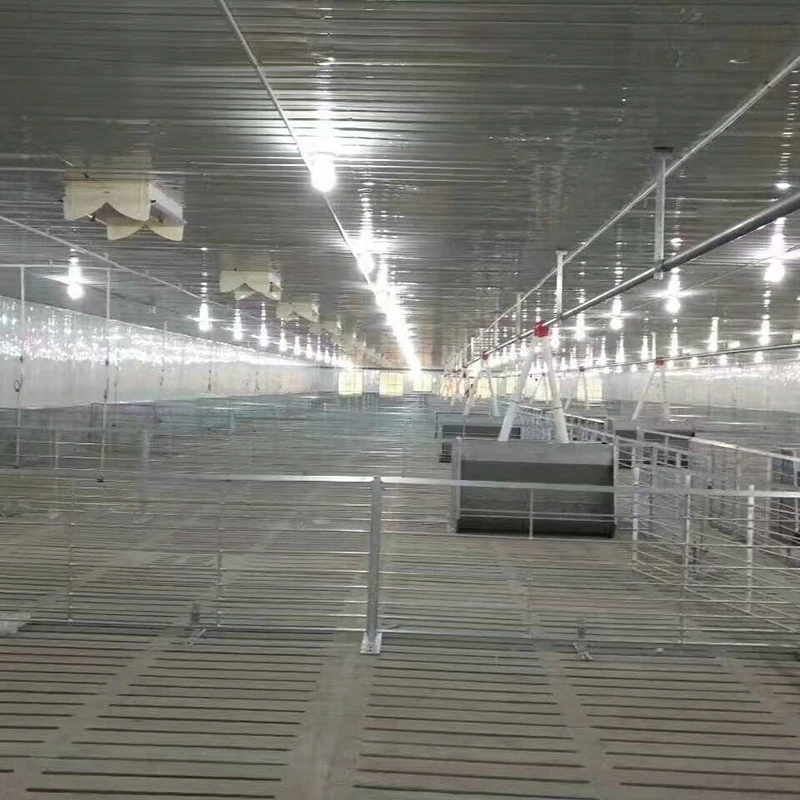
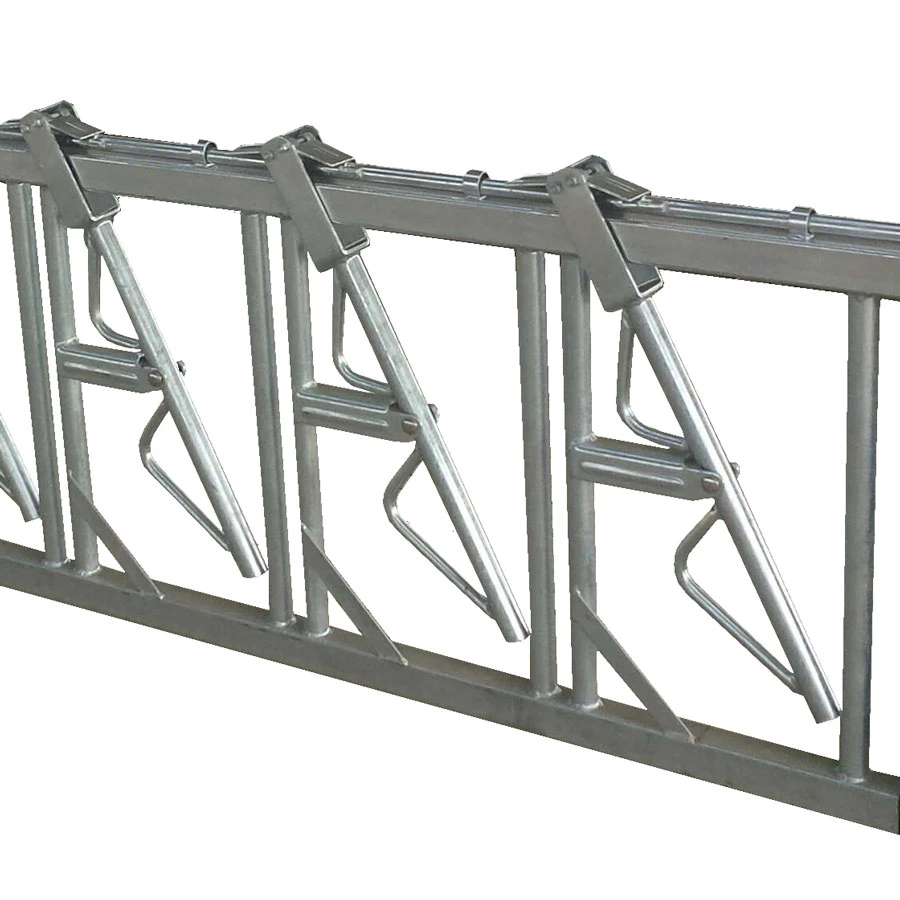
Pens must be sturdy enough to prevent escapes and protect animals from weather and predators. The proposal covers materials—wood, metal, or eco-friendly composites—and maintenance plans.
2. Feeding and Nutrition Plans
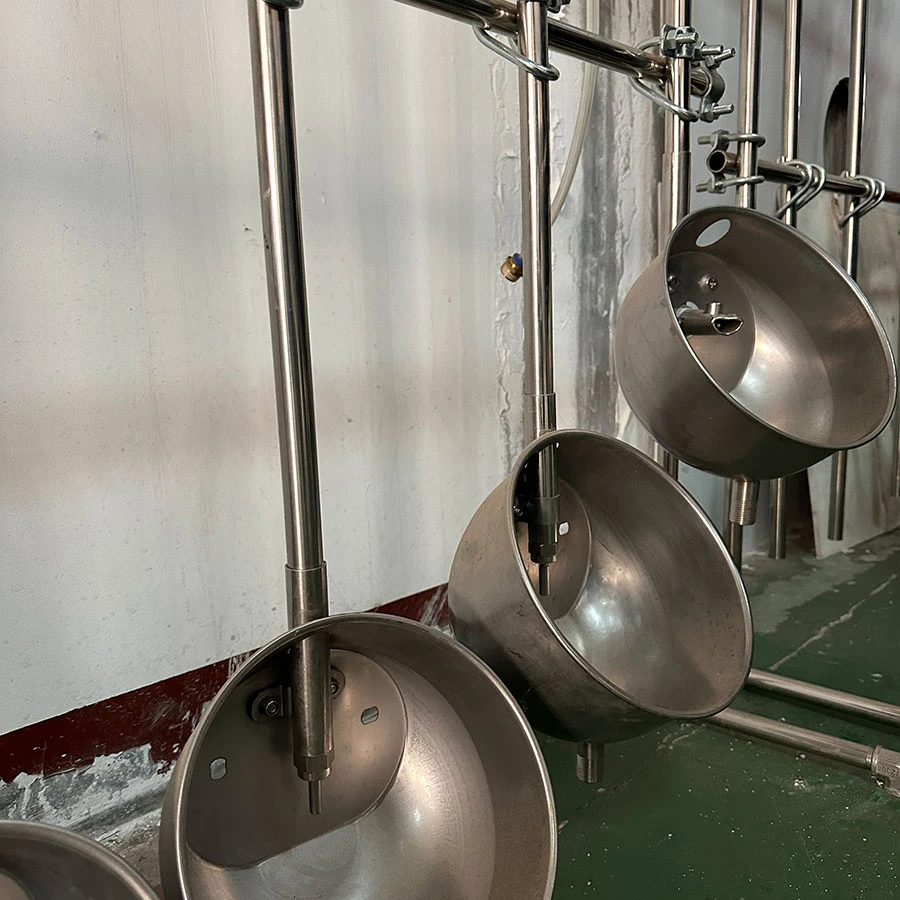
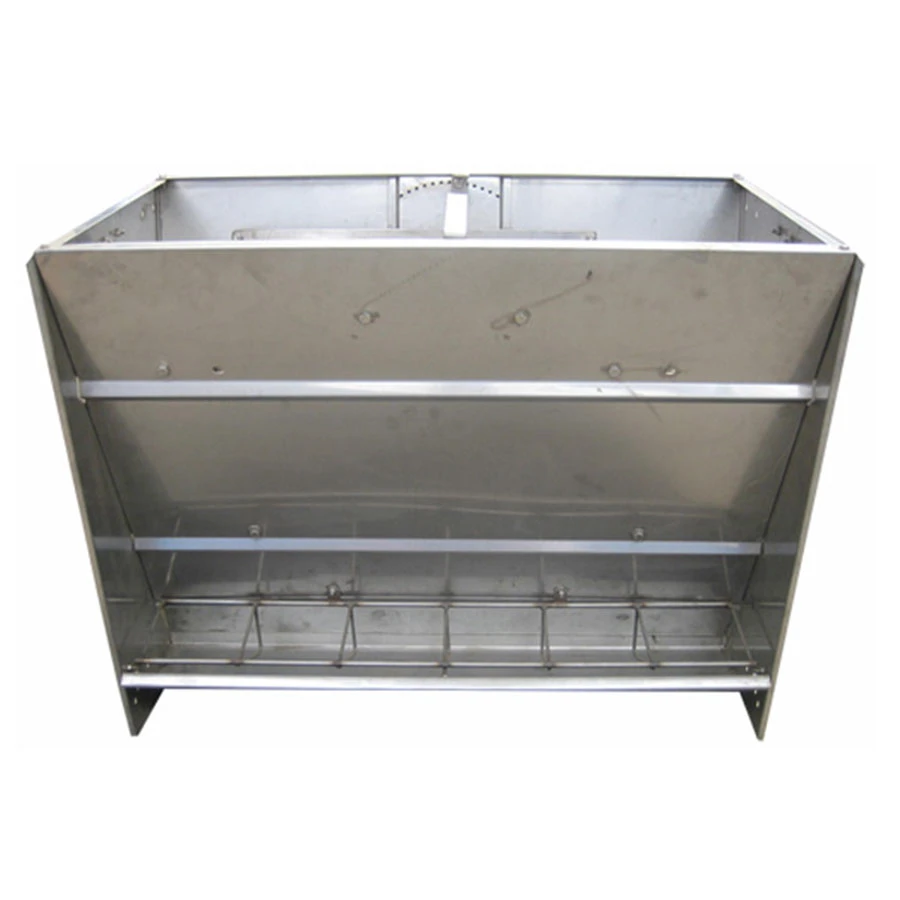
Protocols for ration types, feed sources, supplement schedules, and water supply details form the nutritional backbone of the proposal.
3. Cost and Budgeting Efficiency
From capital expenditures to operational costs, the proposal breaks down finances transparently to ensure profitability and scalability.
4. Health and Disease Management
Vaccination schedules, hygiene routines, and contingency plans for outbreaks are critical inclusions.
5. Labor and Management Structure
Outlines roles, training needs, and daily operations, providing clarity for all stakeholders.
Mini Takeaway: These components ensure proposals are practical, actionable, and geared toward successful pen fattening outcomes.
Global Applications: Who Benefits and How?
Pen fattening projects have diverse global applications, especially in Asia, Africa, and Latin America — regions where livestock farming sustains millions.
For example, in Kenya, projects led by agricultural cooperatives integrate pen fattening to improve cattle weight gain and dairy productivity. In India, NGOs use such proposals to help small-scale farmers diversify income from sheep and goat farming. And even disaster-affected zones benefit — post-flood recovery in Bangladesh includes restocking and pen fattening for community resilience.
Industrial and commercial farms in Europe and North America leverage detailed pen fattening proposals for optimizing production cycles, balancing sustainability with profit margins.
Mini Takeaway: Pen fattening initiatives aren’t just rural stories—they’re diverse tools for development, recovery, and commercial efficiency worldwide.
Advantages and Long-Term Value of Pen Fattening Proposals
- Cost Savings: Targeted feed management minimizes waste and boosts feed conversion rates.
- Sustainability: Controlled environments reduce environmental footprints versus free-ranging systems.
- Social Impact: Creates employment and elevates farmer incomes, improving living standards.
- Animal Welfare: Better hygiene and health protocols lead to healthier, more productive animals.
- Trust and Funding: Clarity and professional planning attract investors, donors, and government support.
Mini Takeaway: Pen fattening proposals offer a bridge between profitability, sustainability, and social responsibility in livestock farming.
Emerging Trends and Innovations in Pen Fattening
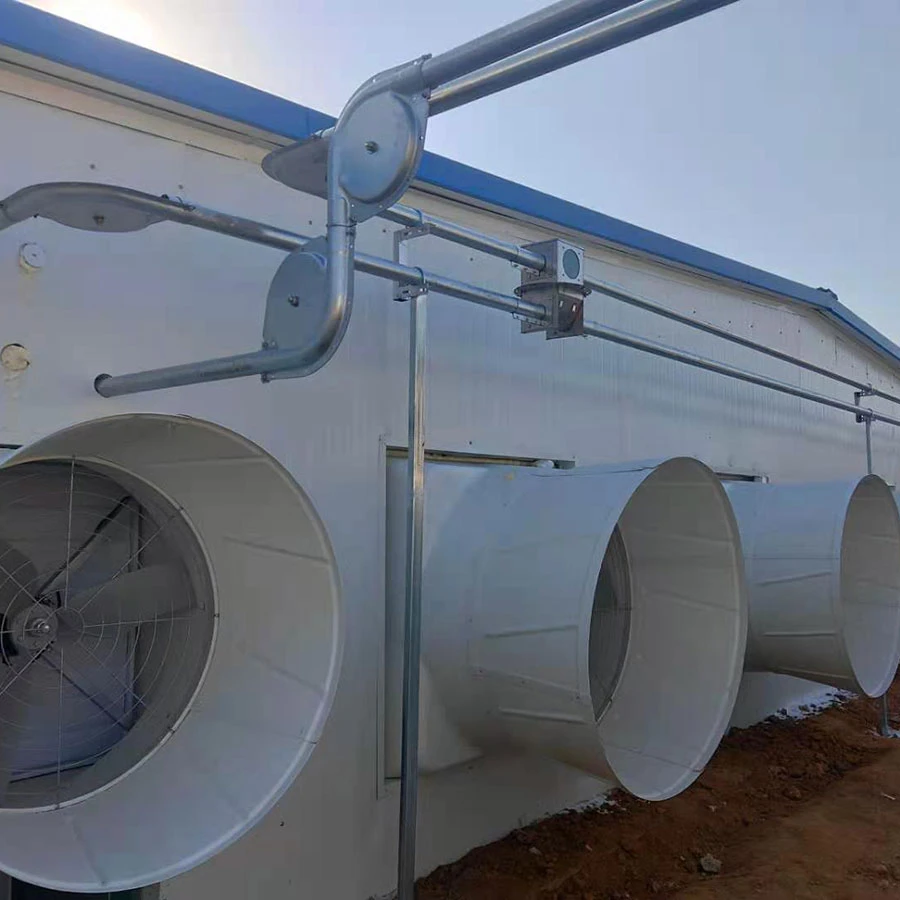
The sector is evolving fast. Digital tools now facilitate real-time monitoring of animal growth and feed intake. Some farms adopt solar-powered ventilation systems in pens to optimize comfort and reduce costs.
Biodegradable pen materials are being trialed to reduce waste, while genetic and feed supplement research promises faster, healthier weight gain. Additionally, many proposals now integrate climate-smart agriculture approaches aligning with UN Sustainable Development Goals (SDGs).
Mini Takeaway: Innovation is turning pen fattening proposals from static documents into living plans that evolve with technology and sustainability norms.
Common Challenges and Practical Solutions
Challenges include initial capital costs, feed supply chain disruptions, and local farmer training gaps. Disease outbreaks remain an omnipresent risk.
Solutions are emerging. Microfinancing helps farmers overcome budget hurdles. Mobile apps support remote veterinary advice. And participatory training programs improve knowledge sharing.
Clearly, no plan is perfect out of the box. But adapting the proposal to local contexts and technologies makes all the difference.
Specification Table: Typical Pen Fattening Project Elements
| Component | Typical Specifications | Notes |
|---|---|---|
| Pen Size | 3sqm to 5sqm per animal | Depends on livestock species |
| Feeding Regimen | Daily mixed ration & water ad libitum | Adjust with animal weight and age |
| Construction Materials | Timber, galvanized iron sheets, concrete | Local availability preferred |
| Health Program | Vaccination, deworming every 3 months | Veterinary supervision required |
| Budget | $1,500 to $3,000 for 20 animals | Variable by region and scale |
Vendor Comparison Table for Pen Fattening Project Proposal Solutions
| Vendor | Proposal Template Quality | Customization Options | Pricing | Support |
|---|---|---|---|---|
| AgriDocs Pro | Very High (Industry Standard) | Extensive (Editable PDFs) | $150 per license | 24/7 Online Chat |
| FarmPlan Solutions | High | Moderate (Templates plus Custom) | $99 per template | Email Support |
| LivestockDocs | Moderate | Basic (PDF Format Only) | $49 per download | Limited Phone Support |
FAQ: Your Quick Questions on Pen Fattening Project Proposal PDFs
- What is typically included in a pen fattening project proposal pdf?
- Generally, it contains background info, objectives, methodology (housing, feeding, management), budgeting, timelines, and expected outcomes. It acts like a formal plan to secure funding or coordinate teams.
- How detailed should the feeding and nutrition section be?
- Very detailed! It should specify feed types, quantities per animal weight, schedules, and alternatives for feed scarcity. Nutrition is the heart of successful pen fattening.
- Can these proposals be adapted for different livestock types?
- Absolutely. While cattle and goats are common, proposals can be tailored for sheep, pigs, or other animals by adjusting pen specs, feeding, and health protocols.
- How important is the 'pdf' format?
- The pdf format provides easy sharing, standard formatting, and print-readiness. It’s widely accepted by NGOs, banks, and government agencies, making it practical.
- Where can I find templates or examples of pen fattening project proposal pdf?
- Several platforms offer these, but you can start with credible agricultural resource sites or visit pen fattening project proposal pdf for sample files and expert tips.
In Conclusion: Why Pen Fattening Project Proposal PDFs Matter
To wrap it up, a well-constructed pen fattening project proposal pdf isn’t just a dry document. It’s a cornerstone for tangible improvements in livestock farming — boosting incomes, improving animal welfare, and supporting sustainable rural development. It helps both smallholder farmers and large-scale operations in navigating the complex logistics of livestock fattening.
If you’re considering getting started or scaling your livestock project, having a reliable proposal template at hand saves time, builds trust with financiers, and increases the likelihood of success. Don’t miss out on this foundational tool.
Ready to explore more? Visit our website: https://www.cxlivestock.com for downloadable templates, expert guides, and practical tips on pen fattening and beyond.
References:
Post time: Dec . 02, 2025