Understanding Hog Feeding Systems: Why It Matters Globally
Hog feeding systems — sounds straightforward enough, right? But peel back the layers, and you’ll see they’re a key component in modern livestock management, vital for global food security and sustainable agriculture. With demand for pork rising steadily worldwide, efficient, scalable feeding solutions can make the difference between thriving farms and wasted resources. Plus, they’re intricately tied to animal welfare, operational costs, and environmental impact — not to mention, global trade chains.
So, if you’re curious about how hog feeding systems work or why the industry pays such close attention, stick around. We’ll unpack everything from the basics to the latest innovations that are reshaping how farmers feed their herds in different corners of the world.
Global Context: Feeding the World’s Growing Appetite for Pork
Consider this: the Food and Agriculture Organization (FAO) estimates global pork production at over 120 million tonnes annually. It’s the world’s third most consumed meat. Yet, with escalating population growth and urbanization — think Asia experiencing massive shifts — farmers face intense pressure to boost productivity without exhausting natural resources.
Hog feeding systems address a significant pain point: balancing efficient feed delivery with minimal waste and consistent animal health. Conventional manual feeding is still common in many regions, but automation and tailored systems are catching on for saving labor and reducing costs. This is no minor detail — feed accounts for roughly 60-70% of a swine operation’s total cost, according to the US Pork Center of Excellence.
Still, challenges persist, such as ensuring feed quality, adapting to diverse climates, and meeting stringent biosecurity standards. This is where specialized hog feeding systems come into play.
Mini Takeaway:
- Hog feeding systems are at the intersection of rising global pork demand and operational efficiency.
- Feed cost management is vital for sustainable farming.
- Innovations in feeding technology directly impact animal health and farm profitability.
What Exactly Are Hog Feeding Systems?
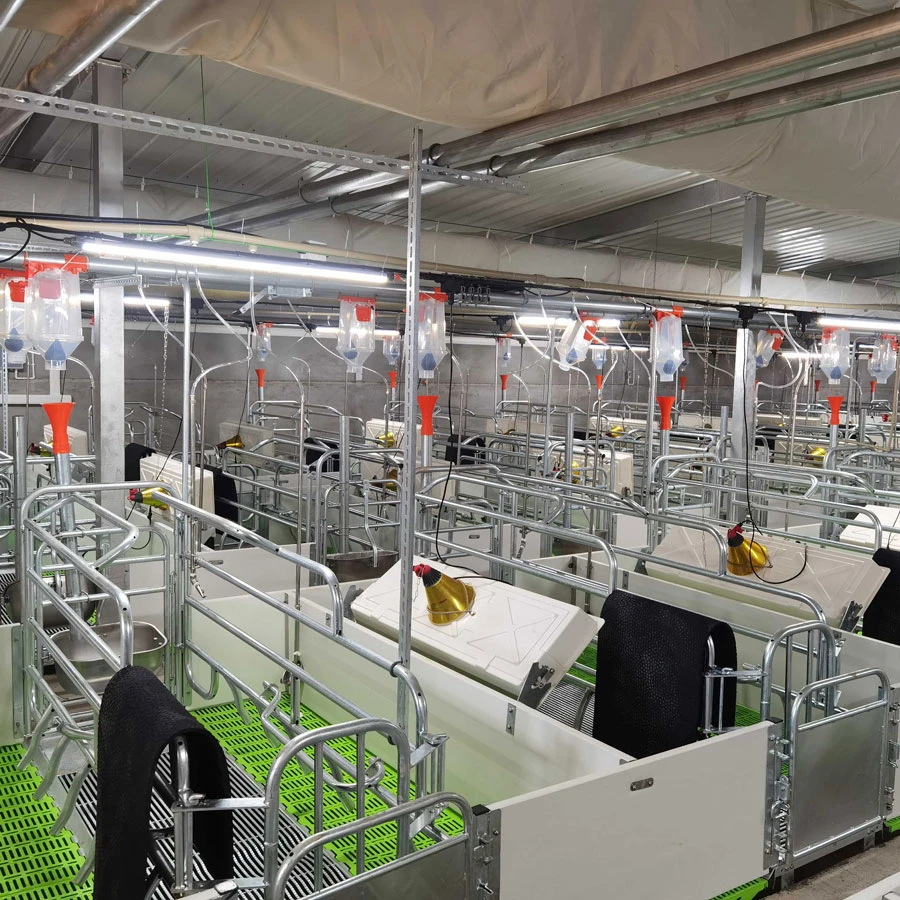
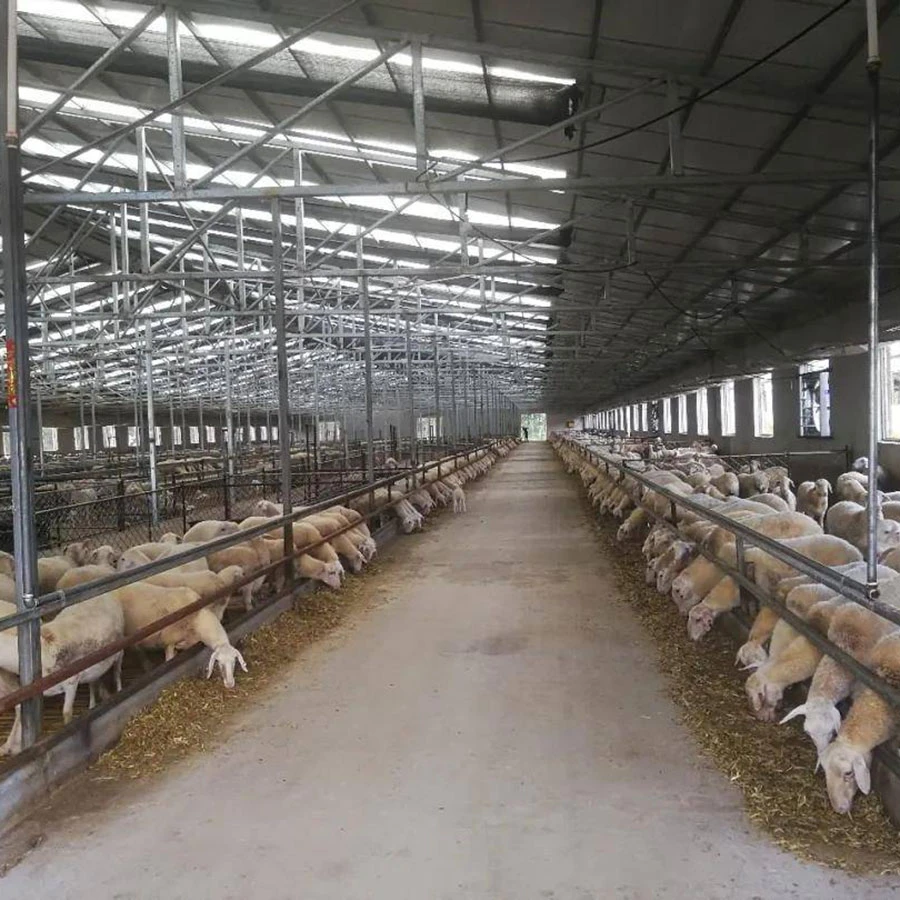
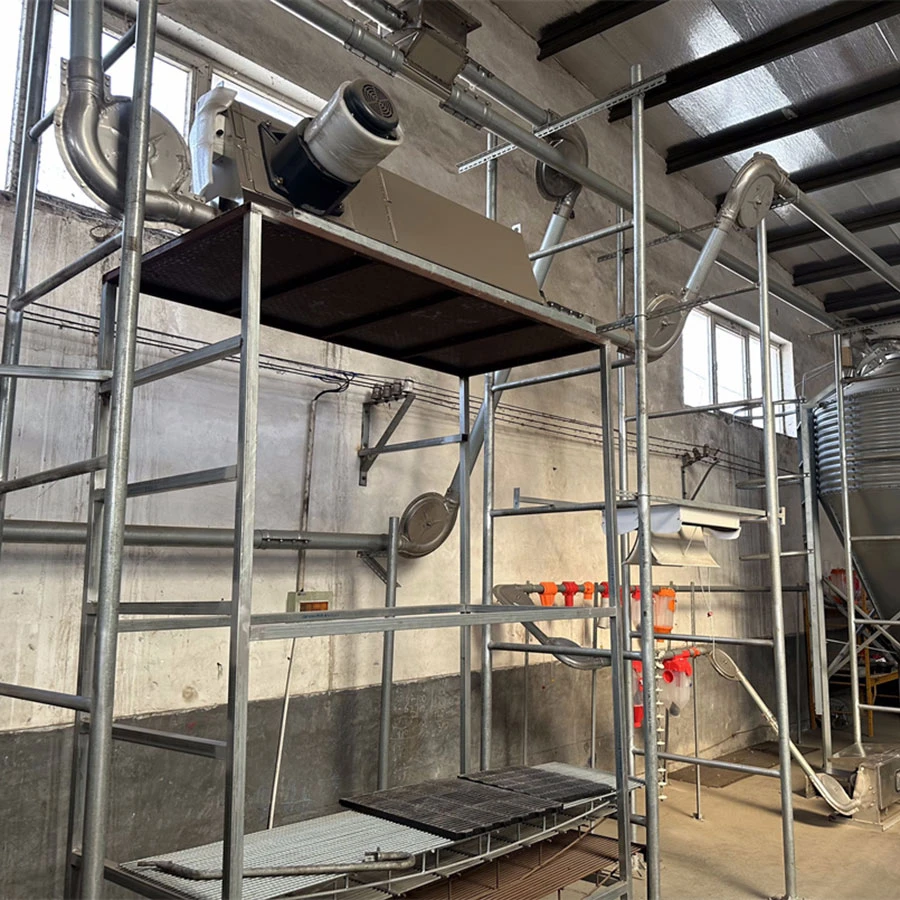
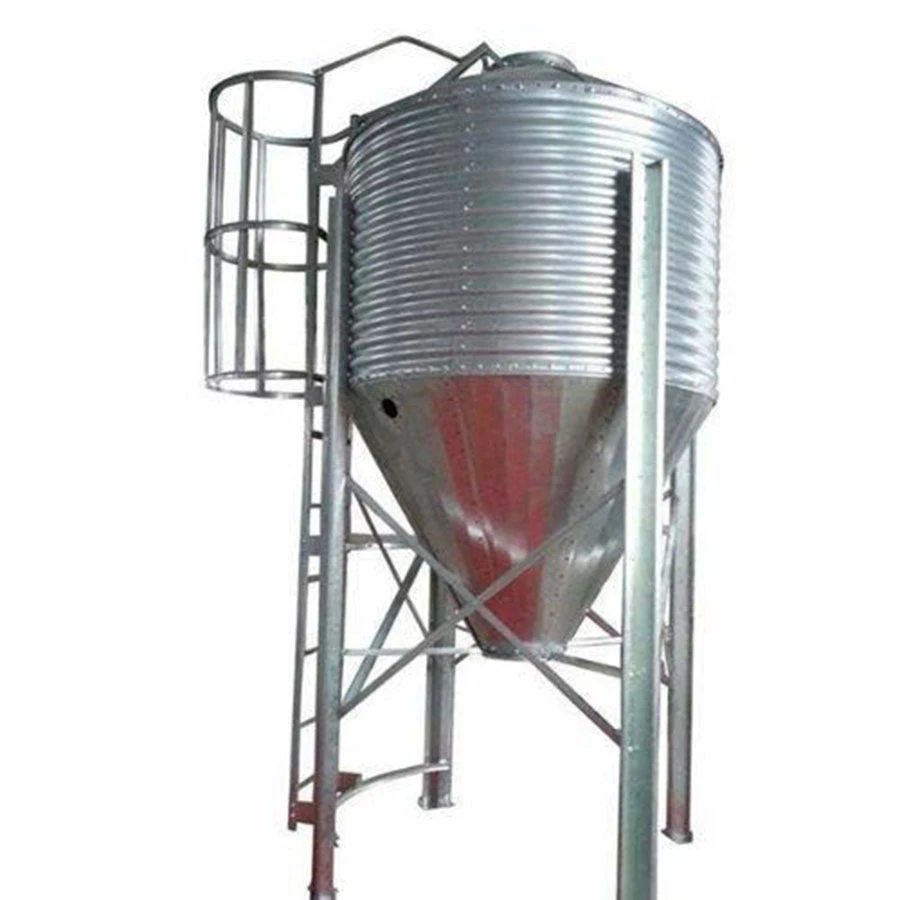
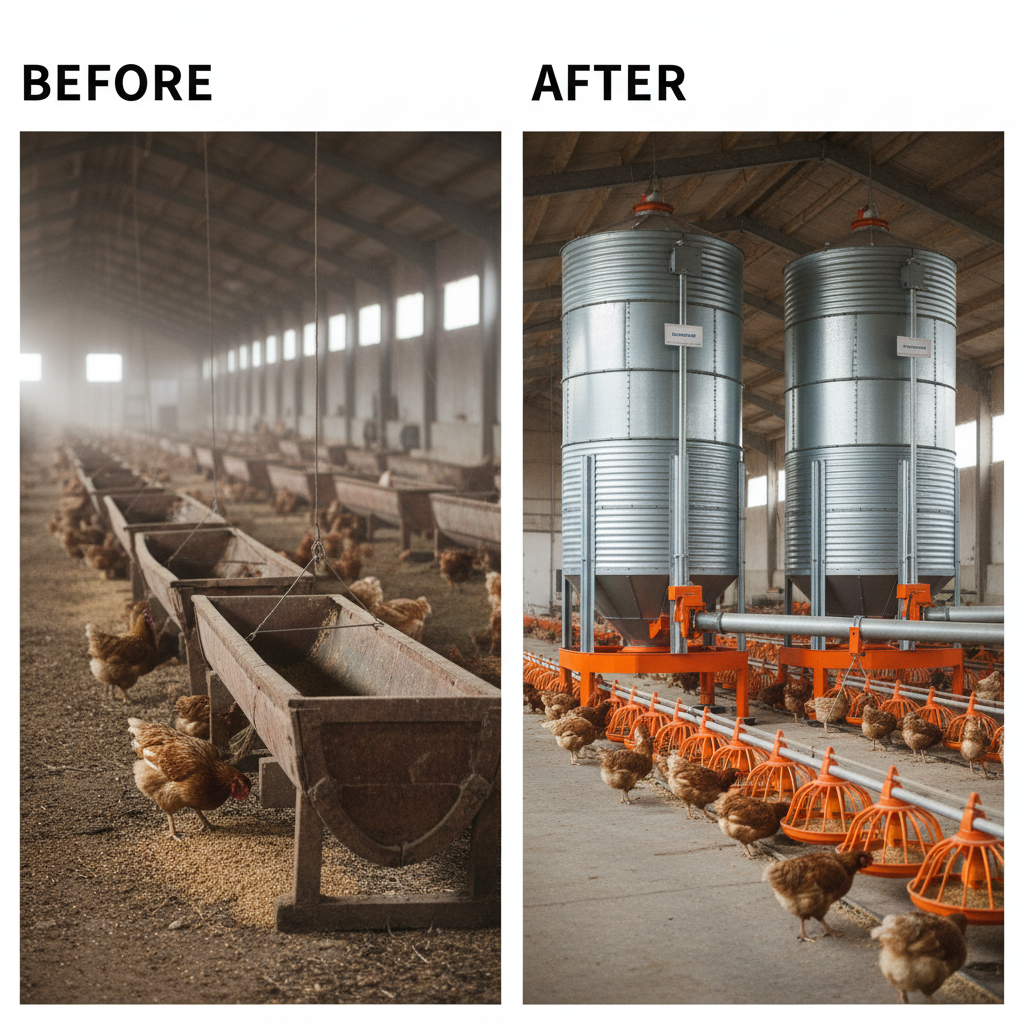
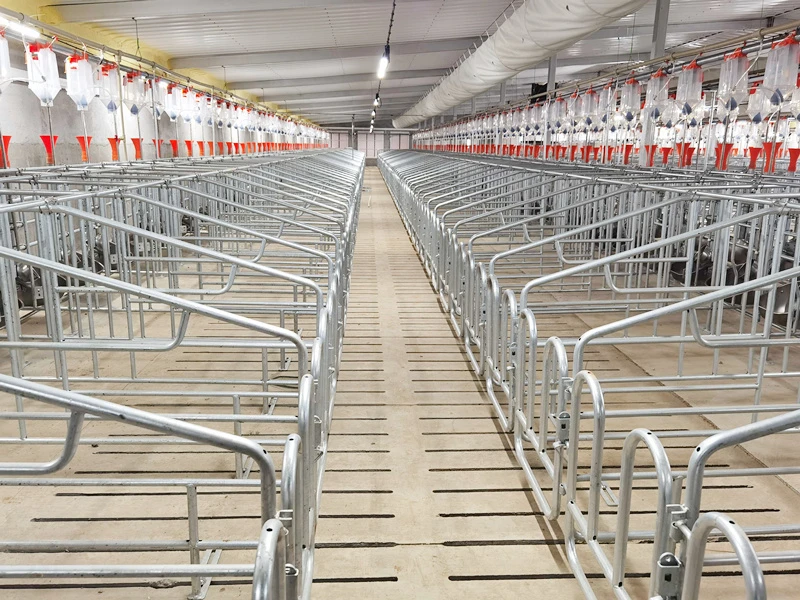
Simply put, hog feeding systems are the collection of equipment, infrastructure, and processes designed to deliver feed to pigs efficiently and consistently. From manual troughs to fully automated conveyor or liquid feeding setups, these systems range widely depending on farm size, location, and budget.
At their core, they’re about ensuring pigs get the right amount and type of nutrition at appropriate intervals — that sounds obvious, but the complexity grows when scaled to thousands of animals. Modern systems often include sensors for monitoring consumption, feed mixing technology for custom rations, and fail-safes to protect animal welfare.
Beyond commercial farms, these systems also have a role in humanitarian and developmental contexts, such as supporting smallholder farmers in emerging markets, contributing to food security projects, or even integrating with renewable energy initiatives in rural areas.
Mini Takeaway:
- Hog feeding systems vary from basic to high-tech setups.
- They ensure nutritional consistency, animal welfare, and operational efficiency.
- The systems support both large scale commercial operations and smallholder farmers.
Key Components of Effective Hog Feeding Systems
1. Durability and Hygiene
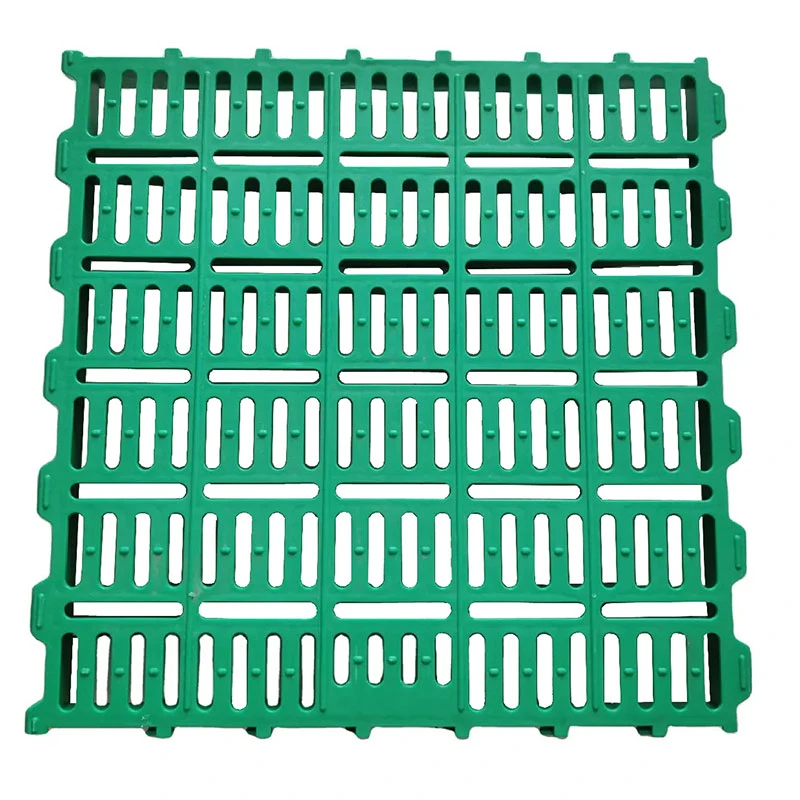
No one wants rusted, clogged feeders turning into disease nests. Materials like stainless steel or food-grade plastics dominate because they resist corrosion and are easy to sanitize — critical for biosecurity. Maintenance schedules often get ignored but remain essential to prevent contamination.
2. Scalability and Customization
Whether you’re running a 100-head farm or a 5000-head industrial complex, feeding systems must adjust accordingly. Modular designs help — add or subtract feeders, automate specific pens, or tweak feeding schedules based on growth stages. Hog feeding systems offering integration with farm management software are increasingly common.
3. Cost Efficiency
Feed wastage reduction, labor savings, and controlled rations quickly translate into bottom-line benefits. Advanced feeders deliver targeted portions reducing overfeeding, thereby optimizing feed conversion ratios. This pays for itself fairly quickly in larger operations.
4. Automation and Monitoring
Smart systems with sensors track consumption patterns, weight gains, and feed refusals, alerting farmers to potential health or equipment issues early. In some setups, AI-powered predictive maintenance reduces downtime.
5. Environmental Sustainability
Reducing feed waste isn’t just about money — leftover feed can pollute soil and water. Modern systems aim to minimize this, sometimes coupled with waste recycling or biogas production to close the loop on farm sustainability.
Mini Takeaway:
- Material choice impacts hygiene and durability.
- Modularity supports customization for farms of all sizes.
- Automation cuts labor and feed waste.
- Environmental concerns are increasingly built into system design.
The Global Footprint: Real-World Applications of Hog Feeding Systems
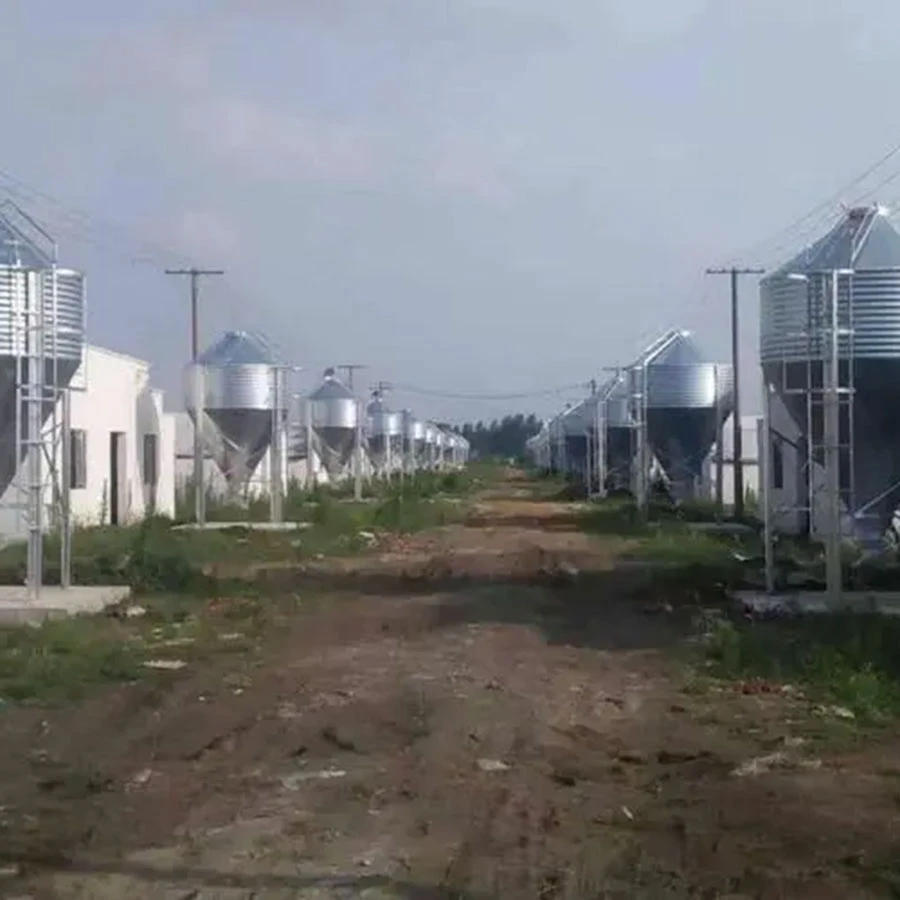
From the vast pig farms of China — which produces more than half the world’s pork — to the family-scale producers in Eastern Europe, hog feeding systems adapt to context. In the US and Canada, precision feeders automate large operations, while in tropical regions, simpler gravity-fed systems remain common to accommodate limited technical infrastructure.
One interesting trend surfaces in post-disaster relief or rural development projects, where lightweight, portable feeding systems are deployed to boost local pig production quickly. NGOs and government programs use such technology to improve livelihoods.
Oddly enough, industrial zones far from urban centers also use automated feeders powered by solar or microgrid energy, reducing operational overhead and improving biosecurity by limiting worker traffic.
Mini Takeaway:
- Hog feeding systems are adapted globally from large farms to smallholder setups.
- Innovations support disaster relief and rural development.
- Sustainability and energy efficiency are becoming priorities worldwide.
Why Invest in Hog Feeding Systems? Benefits at a Glance
- Cost savings: Optimized feeding means less waste, lower labor costs, and better feed conversion.
- Animal welfare: Consistent feeding reduces stress, disease risk, and supports healthy growth.
- Sustainability: Less environmental pollution, resource-efficient operations.
- Reliability and scalability: Systems evolve with farm needs, reduce downtime.
- Improved data and decision-making: Real-time monitoring insights boost management outcomes.
That emotional aspect — trust in your equipment and peace of mind that animals are cared for properly — shouldn’t be underestimated. Farmers often say their feeders feel like “partners” because they watch their herds closely through the data the system generates.
Charting the Future: Trends & Innovations in Hog Feeding Systems
It’s an exciting time: digital transformation is entering livestock farming with a bang. IoT-connected feeders, AI-powered growth predictions, cloud analytics — these are no longer buzzwords but practical tools. Some farms experiment with blockchain to secure feed provenance or to enhance transparency with consumers increasingly focused on ethical sourcing.
Green energy integration — solar-powered feeders and waste-to-energy feedback loops — is also gaining traction, aiming to decarbonize pork production. Meanwhile, novel feed materials (think insect protein) challenge systems to adapt fast.
Challenges & How Experts Suggest Overcoming Them
Of course, no system is perfect. Initial investment costs can be steep, especially for smallholders. Technical complexity sometimes leads to underutilization or system failures. Variability in feed ingredient quality impacts automation effectiveness. And then there’s staff training — technology is only as good as the expertise behind it.
Practical solutions include offering modular upgrades, providing clear training modules, developing hybrid manual-automated systems, and designing simpler user interfaces. Partnerships between tech vendors and agricultural extension services appear crucial.
Product Specification Table
| Feature | Basic Model | Advanced Model | Smart Model |
|---|---|---|---|
| Feeding Method | Gravity fed troughs | Automated conveyor | IoT-controlled dispense |
| Material | Plastic & galvanized steel | Stainless steel | Food grade stainless + sensors |
| Capacity | Up to 100 pigs | Up to 1,000 pigs | Scalable to 5,000+ pigs |
| Automation Level | Manual refilling | Timer controlled | Sensor & AI control |
| Monitoring | None | Basic feed logs | Real-time analytics |
| Price Range | $500 - $1,000 | $5,000 - $15,000 | $20,000 - $50,000+ |
Vendor Comparison: Leading Hog Feeding System Providers
| Vendor | Product Range | Global Availability | Special Features | Price Level |
|---|---|---|---|---|
| AgriFeed Pro | Basic to Advanced | North America, Europe | Standard automation | Mid |
| PorcineTech | Full smart solutions | Global | IoT + AI integration | Premium |
| GreenFarm Systems | Eco-friendly products | Europe & Asia | Solar-powered units | Mid to High |
| SimpleSwine Equip | Entry-level feeders | Latin America, Africa | Manual & semi-auto | Budget |
Frequently Asked Questions About Hog Feeding Systems
- Q: How do automated hog feeding systems improve feed efficiency?
- A: Automated systems dispense precise feed amounts at scheduled times, reducing overfeeding and waste. Sensors can detect consumption patterns, allowing adjustments that optimize feed conversion ratios and monitor animal health in real-time.
- Q: Are hog feeding systems adaptable to different farm sizes and layouts?
- A: Yes. Many systems are modular and scalable, allowing farmers to customize setups from small, family-run operations to large industrial complexes, ensuring flexibility in design and investment.
- Q: What maintenance is needed to keep hog feeding systems functioning properly?
- A: Regular cleaning to prevent feed spoilage and contamination is essential. Mechanical parts require periodic inspections and servicing to avoid breakdowns, which can cause feeding interruptions impacting animal welfare.
- Q: Can hog feeding systems integrate with farm management software?
- A: Absolutely. Modern smart feeders often come with software integration features that track feed usage, pig growth metrics, and alert farmers to anomalies, enhancing decision-making and operational efficiency.
- Q: How do hog feeding systems support sustainability goals?
- A: By minimizing feed wastage and improving feed efficiency, these systems reduce environmental pollution and resource use. Some incorporate renewable energy sources and support waste recycling processes, aligning with sustainable agriculture practices.
Final Thoughts
In the big scheme of things, hog feeding systems are more than just machines or troughs. They represent a modern approach to managing livestock — smarter, kinder, and more efficient. Whether you’re a farmer in the heartland or a stakeholder in global food supply chains, keeping an eye on these systems means engaging with the future of sustainable agriculture.
Want to explore quality hog feeding systems tailored to your needs? Visit our website for detailed product info and expert advice.
References
Post time: Dec . 02, 2025