Why Hog Farming Equipment Matters Worldwide
Hog farming equipment might not be the first thing on most people's minds when thinking about global agriculture, but it plays a surprisingly crucial role in food security, economic stability, and sustainable farming worldwide. With pork being one of the most consumed meats globally—accounting for roughly 36% of the world's meat consumption according to FAO statistics—efficient and reliable hog farming tools and systems directly impact millions of livelihoods. Understanding the ins and outs of these technologies isn’t just for the farmers or agribusiness giants; it’s for anyone interested in supporting sustainable food production, animal welfare, and even rural economies.
In real terms, gaining insight into hog farming equipment helps tackle some persistent industry challenges like animal health, biosecurity, labor shortages, and environmental impact. And oddly enough, the right equipment can make pig farming not only more productive but also more humane and eco-friendly, which is exactly what the modern world demands.
Mini takeaway: Efficient hog farming equipment silently supports global food systems and rural economies with both practical and ethical benefits—something worth paying attention to.
The Big Picture: Why Hog Farming Equipment Matters Globally
Globally, pork production is a powerhouse of animal agriculture. According to the United Nations’ Food and Agriculture Organization (FAO), pork accounts for nearly half of all meat consumed worldwide. China alone produces and consumes over half of the global pork supply, but even regions like Europe, North America, and parts of Latin America show significant demand.
However, hog farming faces challenges ranging from disease outbreaks like African Swine Fever to environmental pressures. This is where specialized hog farming equipment steps in. This equipment tackles biosecurity, optimizes feeding, and makes waste management smarter—answering not just industry needs but also societal calls for safer, cleaner, and more efficient farming practices.
Without modern hog farming equipment, many producers would struggle with inefficient resource use, animal stress, and labor intensity, which ultimately affects food supply and farm sustainability.
Mini takeaway: As hog farming scales globally, better equipment directly addresses disease control, efficiency, and environmental concerns, making it indispensable.
What Exactly Is Hog Farming Equipment?
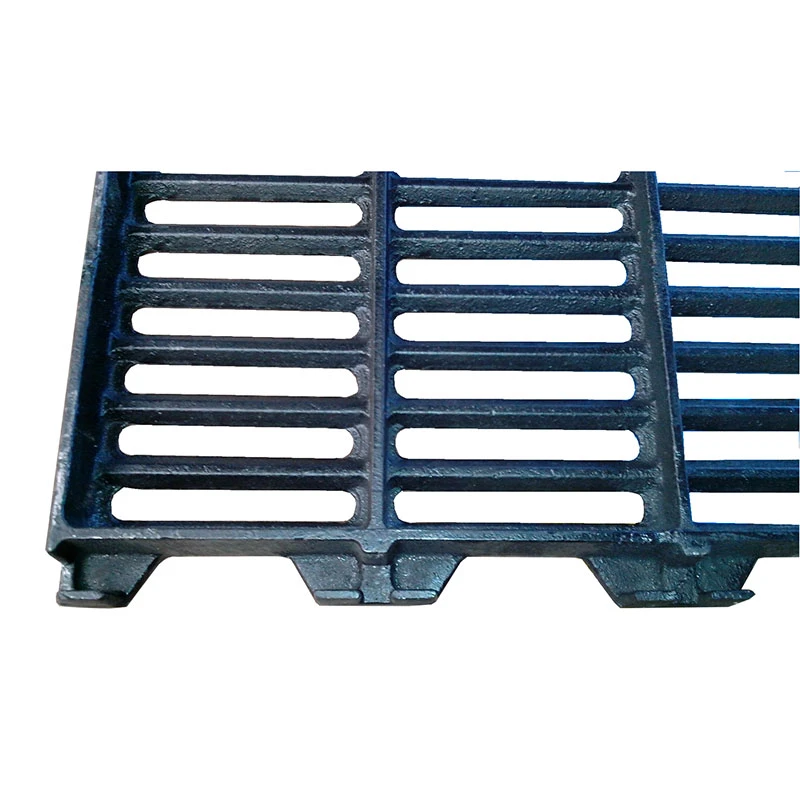
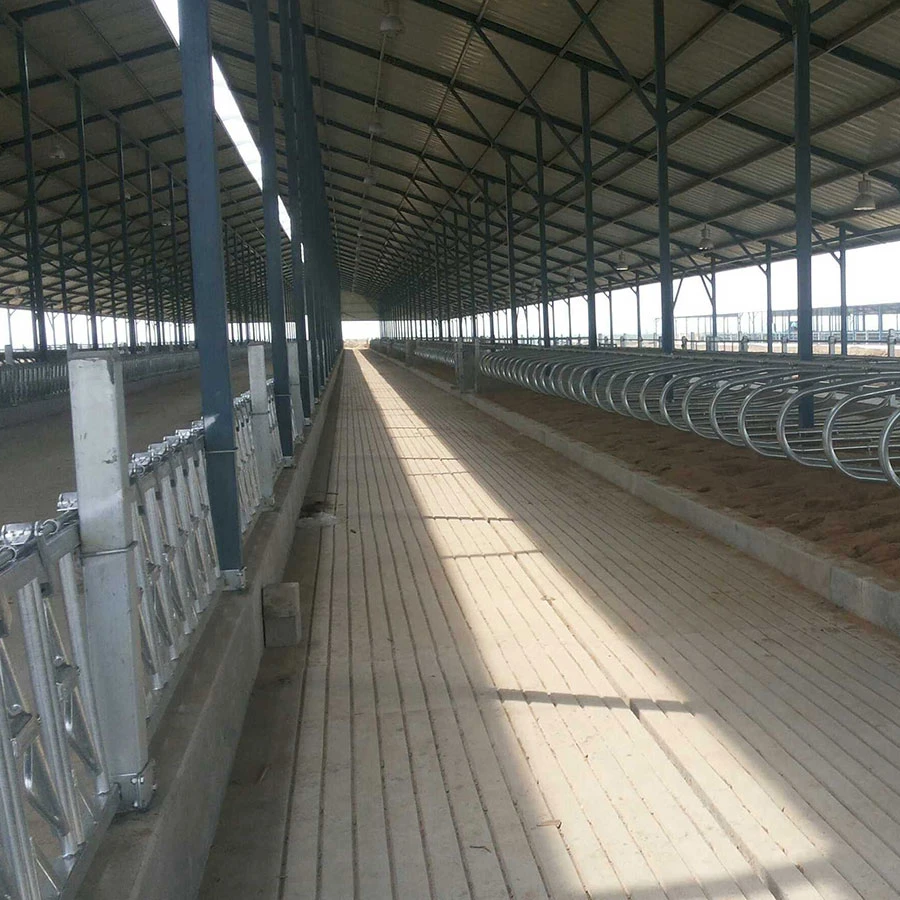
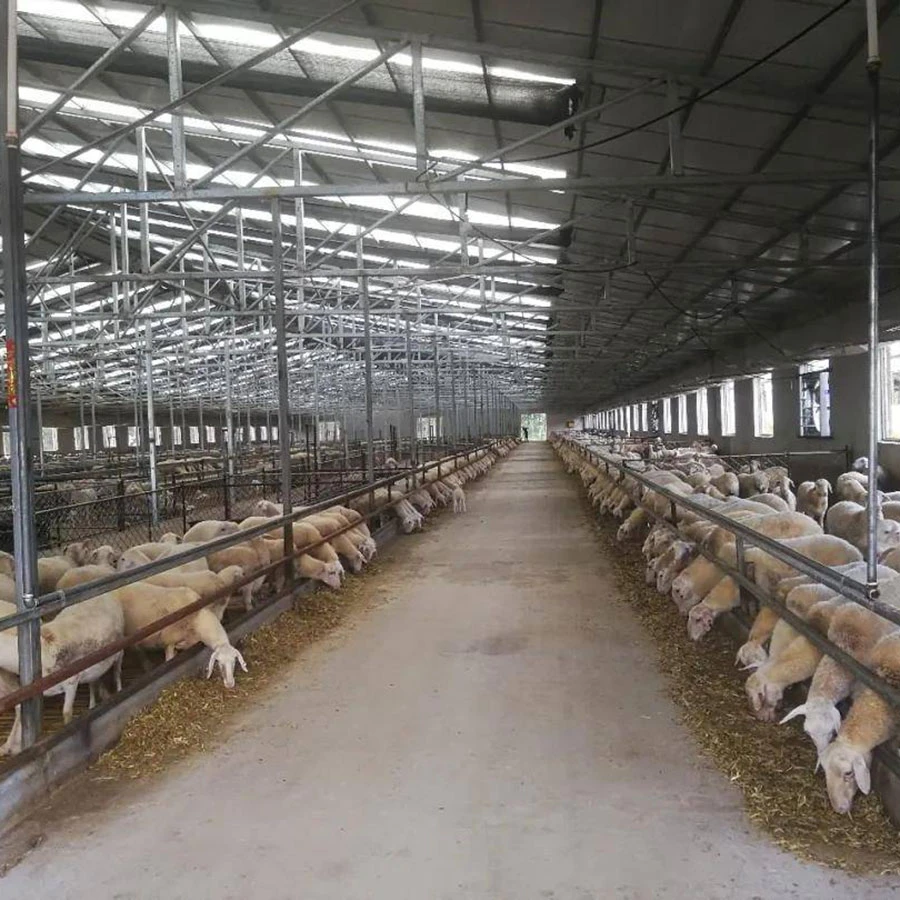
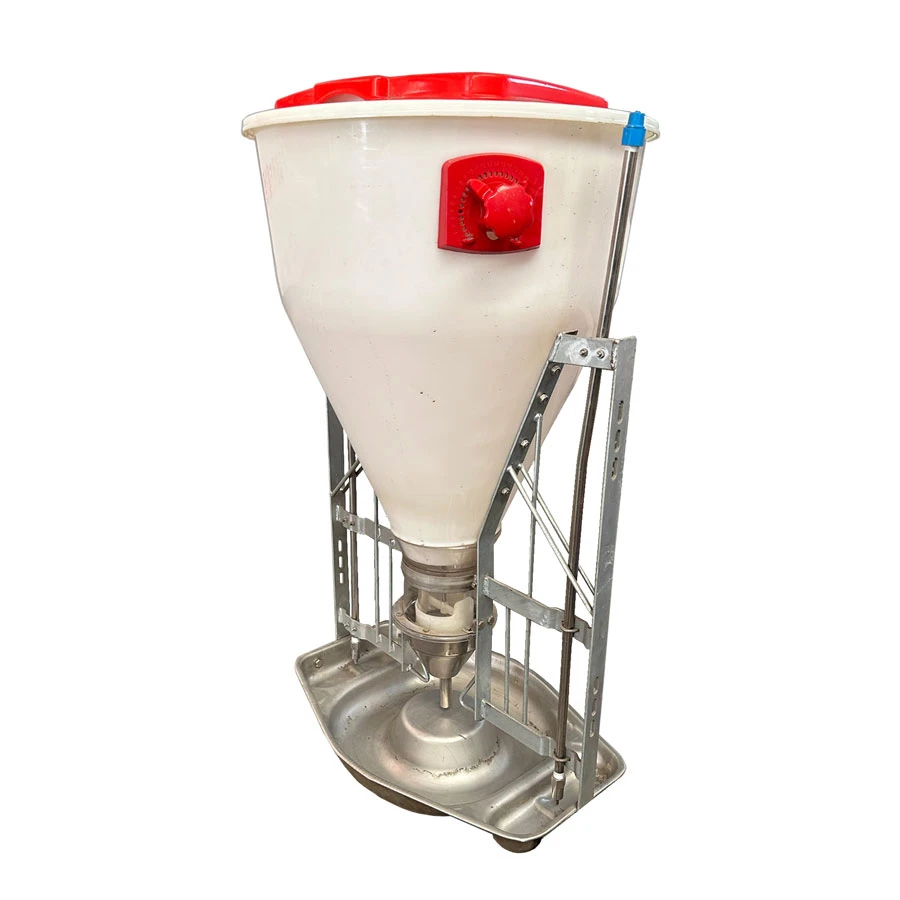
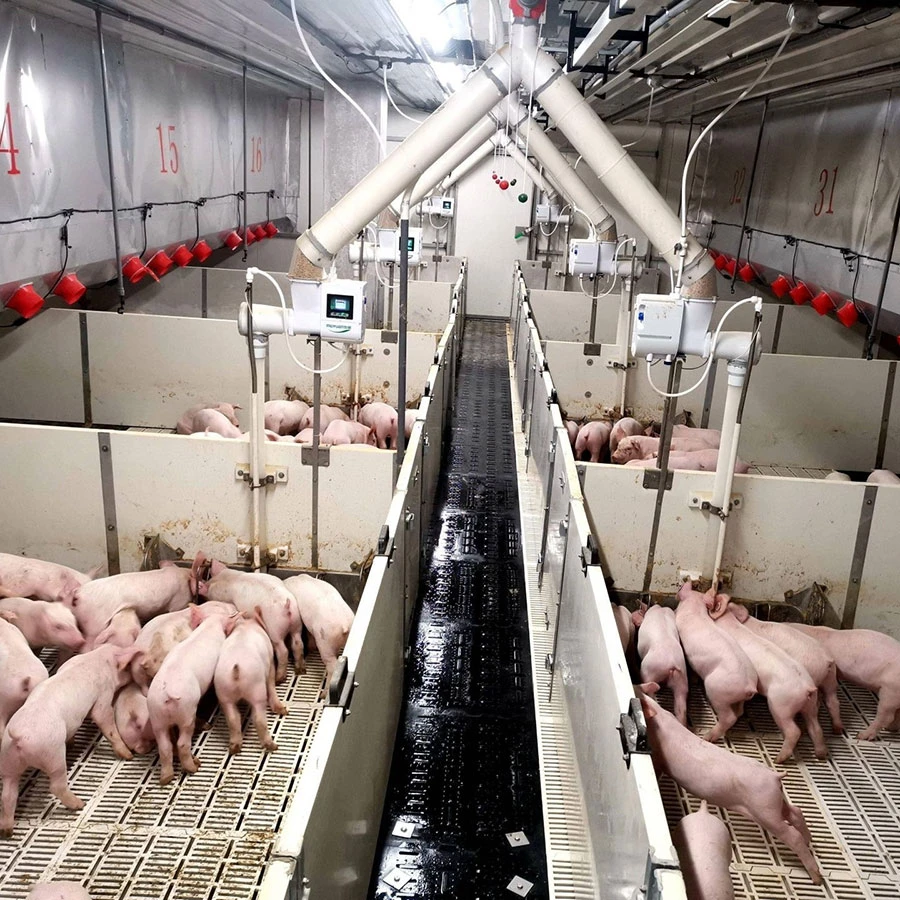
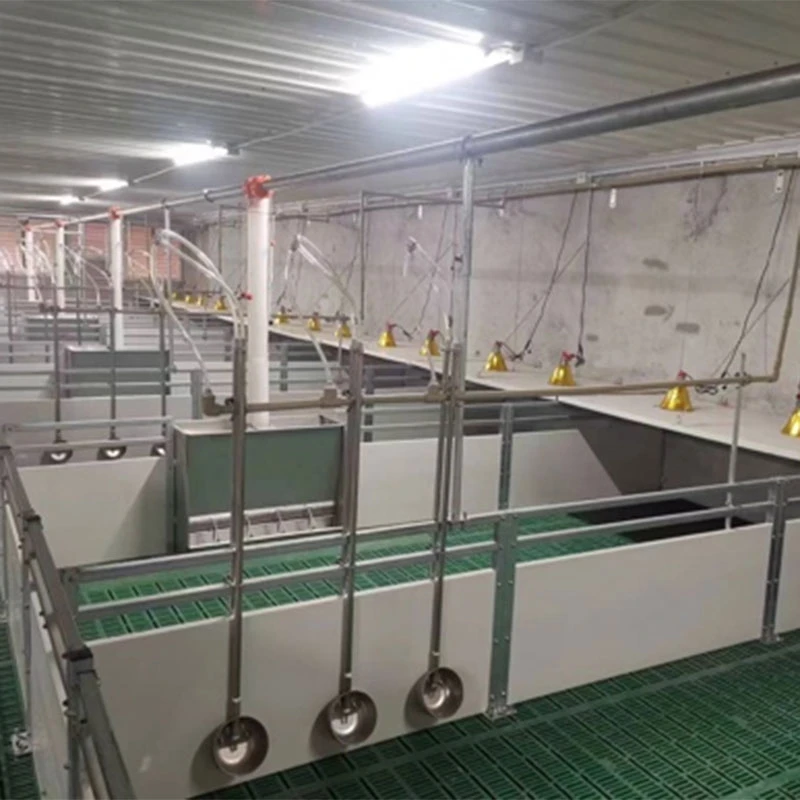
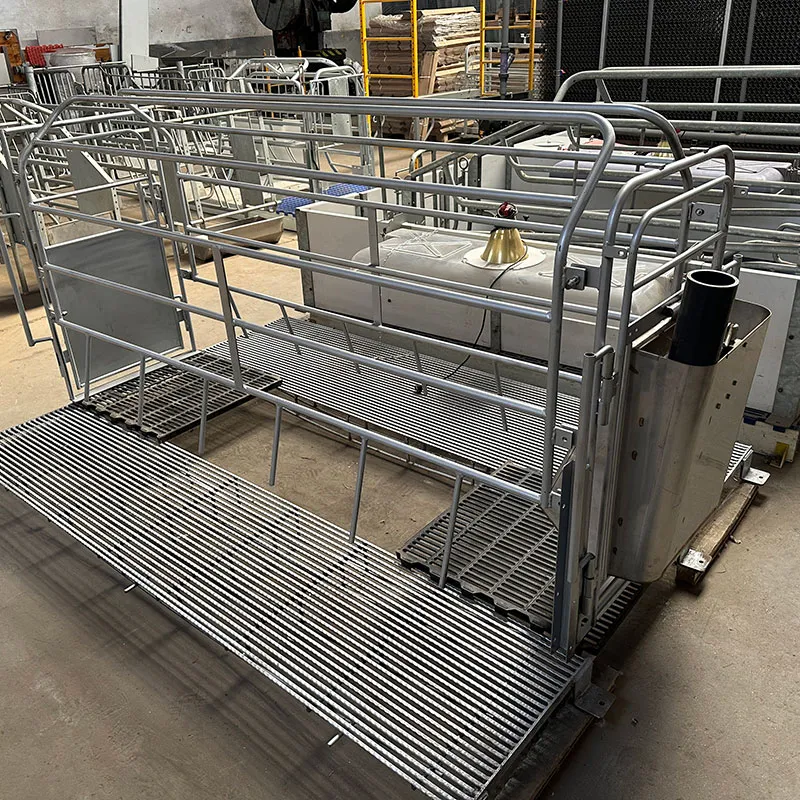
At its core, hog farming equipment refers to the range of tools, machines, and structures designed specifically for raising pigs efficiently and humanely. This includes feeding systems, climate control units, waste collectives like manure scrapers, farrowing crates, and ventilation setups.
It’s the toolkit that modern pig farms rely on to control everything from diet to microclimate—ensuring pigs grow healthy, stress-free, and with minimal environmental impact. Put simply, it’s the mechanical and structural backbone of any pig-rearing operation.
On a bigger scale, the integration of this equipment ties into humanitarian needs, too. Efficient hog farming supports food availability and rural livelihoods in developing countries, creating a bridge between local economies and global markets.
Mini takeaway: Hog farming equipment is the nuts and bolts that keep pig farms operational and adaptive to modern demands, linking agriculture to broader social goals.
Key Components of Effective Hog Farming Equipment
1. Durability
Farm equipment takes a beating—from animal interaction to constant cleaning and exposure to corrosive waste. Durable materials like galvanized steel or UV-resistant plastics are the unsung heroes here. You want your feeders and pens to last years without breaking down, because downtime means lost revenue and distressed animals.
2. Scalability
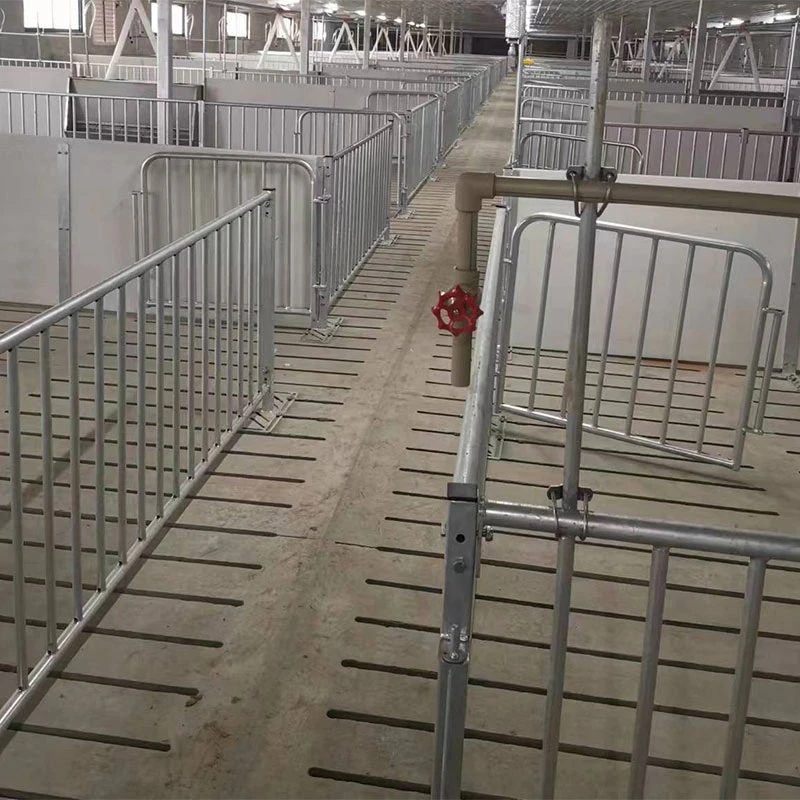
A small family operation and a commercial-scale enterprise won’t use the same equipment. Good hog farming equipment needs to adapt—modular feeding systems, adjustable ventilation, or portable fencing all play a role in allowing farms to grow without immediate costly overhauls.
3. Cost Efficiency
It’s no secret pig farming operates on thin margins. Efficient hog equipment is designed not just to reduce initial expenses but also ongoing costs such as energy use, feed waste, and labor. Automation, like automated feeders, help here, but the balance is crucial.
4. Animal Welfare
Nowadays, ensuring animal comfort and safety isn’t just ethical—it’s a business demand. Equipment that provides ergonomic space, better air quality, and safe farrowing conditions mean less stress, better growth rates, and improved product quality.
5. Environmental Control
Temperature, humidity, and ventilation control are vital, especially in changing climates. Equipment that can finely tune the animals’ environment keeps them healthy and helps farmers comply with increasingly strict environmental regulations.
6. Biosecurity Features
With diseases like African Swine Fever threatening entire herds, many hog farming tools now integrate biosecurity in their designs—like easy-clean surfaces, manure separation, or barrier systems—to reduce contamination risks.
Mini takeaway: Durable, scalable, welfare-friendly, and efficient equipment isn’t just a checklist; it’s the backbone of a resilient hog farming operation.
How Hog Farming Equipment Translates into Real-World Applications
From the sprawling industrial farms of the United States to smaller cooperatives in Southeast Asia, specialized equipment shapes the day-to-day reality of pig farming. For example:
- In Europe, precision feeding machines tailored to local regulations minimize feed waste and ammonia emissions.
- In Latin America, portable fencing systems are often vital for smallholders adapting to shifting land use.
- Post-disaster humanitarian relief groups sometimes deploy mobile feeding stations and simple pens to support pig farming as a livelihood restoration method.
- Large-scale exporters in Asia use sophisticated ventilation and manure management systems to meet stringent export quality requirements.
Even NGOs interested in rural development often include hog farming equipment in their toolkit to promote sustainable income generation.
Mini takeaway: Across continents and farm sizes, hog farming equipment adapts to local needs—from environmental standards to disaster resilience.
Advantages and Long-Term Value of the Right Equipment
Investing wisely in hog farming equipment delivers more than immediate productivity gains. It builds trust—between farmer, animal, consumer, and regulator. Equipment that reduces disease risk means safer food and fewer antibiotic interventions.
Then there’s the emotional side—farmers often tell me that having the right tools makes the difference between “farming as a chore” and “farming as a calling.” That sense of pride and control matters. Also, since these tools often reduce manual labor, they help rural communities retain younger generations who might otherwise leave out of frustration.
In environmental terms, modern equipment helps reduce greenhouse gas emissions from pig farms and better manage waste, aligning with global sustainability goals.
Mini takeaway: Beyond economics, the right hog farming equipment supports farm resilience, animal welfare, environmental responsibility, and social wellbeing.
Product Specification: Typical Hog Farming Equipment Breakdown
| Equipment | Material | Capacity | Power Source | Primary Use |
|---|---|---|---|---|
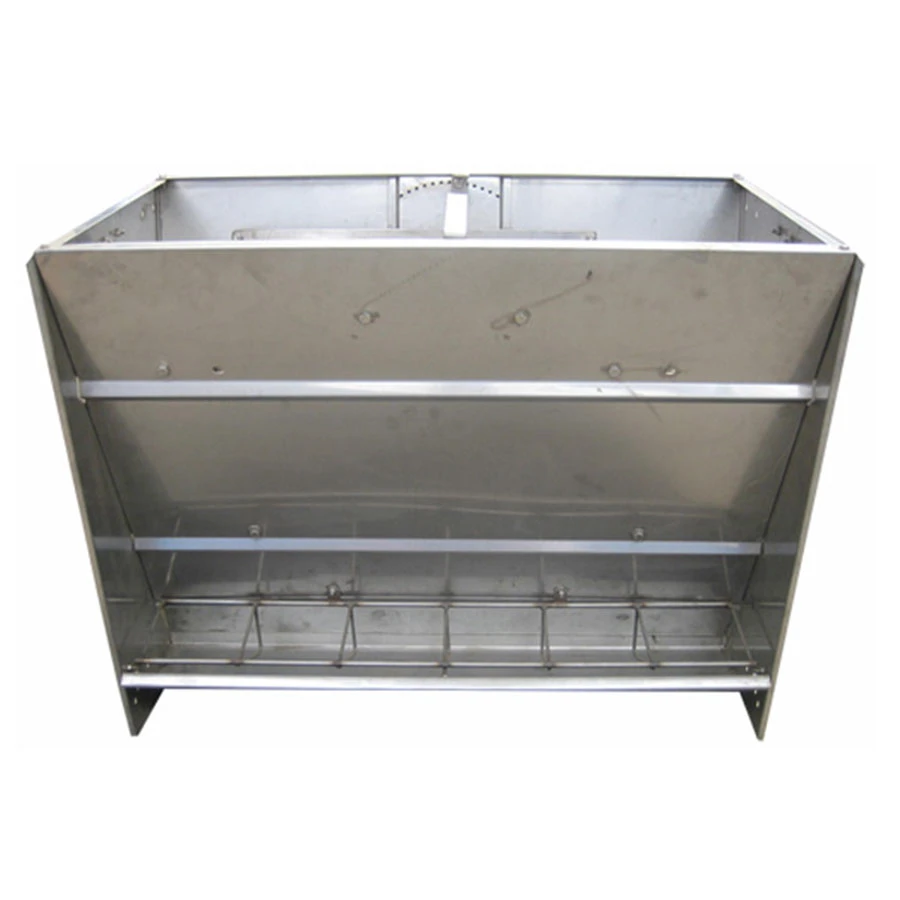
| Automated Feeder | Stainless steel, polycarbonate | Up to 200 pigs per unit | Electric (110-240 V) | Controlled feed distribution |
| Farrowing Crate | Galvanized steel | Holds one sow plus piglets | N/A | Safe birthing environment |
| Ventilation System | Aluminum, reinforced plastic | Suitable for barns up to 5,000 sq. ft. | Electric & battery backup | Climate regulation |
| Manure Scraper | Stainless steel with rubber blade | Up to 9,000 sq. ft. coverage | Electric motor | Waste removal |
Comparing Leading Vendors in Hog Farming Equipment
| Vendor | Product Range | Special Features | Typical Customer | Price Range (USD) |
|---|---|---|---|---|
| AgriTech Solutions | Feeders, Ventilation, Manure Management | Energy-saving motors, IoT integration | Mid to large-scale farms | $500–$20,000 |
| PigPro Equip | Farrowing crates, flexible fencing | Customizable modules, quick deployment | Small to medium farms | $300–$5,000 |
| GreenBarn Co. | Sustainably sourced materials, waste recycling | Solar-powered systems, biofilters | Eco-conscious farms and NGOs | $1,000–$15,000 |
The Future: Trends and Innovations in Hog Farming Equipment
The future looks bright—and tech-heavy. Internet of Things (IoT)-enabled feeders and climate control systems allow farmers to monitor conditions in real time, anywhere in the world. Automation is extending beyond just feeding to health monitoring via wearable sensors, changing the game in disease prevention.
Energy efficiency and sustainability remain high priorities. Solar-powered ventilation, advanced biofilters for waste management, and biodegradable materials for pens are becoming common in new products. Oddly enough, some engineers are even experimenting with AI to optimize feed formulas on the fly.
Policy-wise, many governments now encourage investments in environmentally friendly systems via grants or subsidies, which makes adopting newer equipment less financially intimidating for farms.
Mini takeaway: Smart tech, sustainability, and supportive policies signal a transformative era for hog farming equipment.
Facing the Hard Truths: Challenges & Solutions
No piece of equipment is perfect. From steep initial costs to maintenance headaches and occasional compatibility issues, challenges abound. Biosecurity equipment requires rigorous cleaning, which can be labor-intensive; automation technology sometimes intimidates older farmers; and power outages can cripple electrically dependent setups.
However, many have found solutions through training programs, modular systems that allow gradual upgrades, and hybrid power backups. For example, solar-battery combos can keep ventilation humming during blackouts. Plus, many vendors now offer remote diagnostics and support, which reduces downtime and maintenance costs substantially.
Mini takeaway: Challenges exist but can be tackled with smart planning, training, and gradually adopting tailored solutions.
Frequently Asked Questions About Hog Farming Equipment
- Q: What types of feeding systems are best for small hog farms?
- A: For small operations, manual or semi-automated feeders with easy cleaning access are often ideal. These reduce feed waste and allow flexibility without heavy upfront costs. Look for feeders constructed from durable materials like stainless steel to ensure longevity.
- Q: How often should ventilation systems be maintained?
- A: Regular maintenance is crucial—ideally quarterly inspection and cleaning of fans, filters, and ducts. Proper ventilation helps prevent respiratory diseases and maintains animal comfort, so don’t skip scheduled upkeep.
- Q: Can modular fencing systems really support expanding pig herds?
- A: Yes, modular fencing is designed for scalability. It allows farmers to rearrange or expand pens quickly without major construction. This flexibility is especially beneficial as herds grow or operations diversify.
- Q: Are hog farming systems eco-friendly?
- A: Many modern systems incorporate sustainability, like solar-powered equipment and biofilters for waste management. While traditional setups can be pollutive, advances in equipment design have made pig farming greener than ever.
- Q: How do I import hog farming equipment for use in rural development projects?
- A: Importing involves understanding local regulations, tariffs, and shipping logistics. Partnering with vendors experienced in international delivery or NGOs focusing on aid can smooth the process. Always check certification like ISO for product standards.
Wrapping Up: Why Invest in Quality Hog Farming Equipment?
Taking the time and resources to invest in proper hog farming equipment isn’t just a bottom-line decision. It shapes the future of farming—socially, environmentally, and economically. Equipment that is durable, efficient, and animal-conscious helps farmers produce better pork, reduce waste, and maintain their livelihoods through changing global conditions.
If you want to dig deeper or start upgrading your setup, visit hog farming equipment specialists who understand both your challenges and ambitions.
Sooner or later, what you put into your hog farm really shows on the plate and in the community.
References
Post time: Dec . 02, 2025