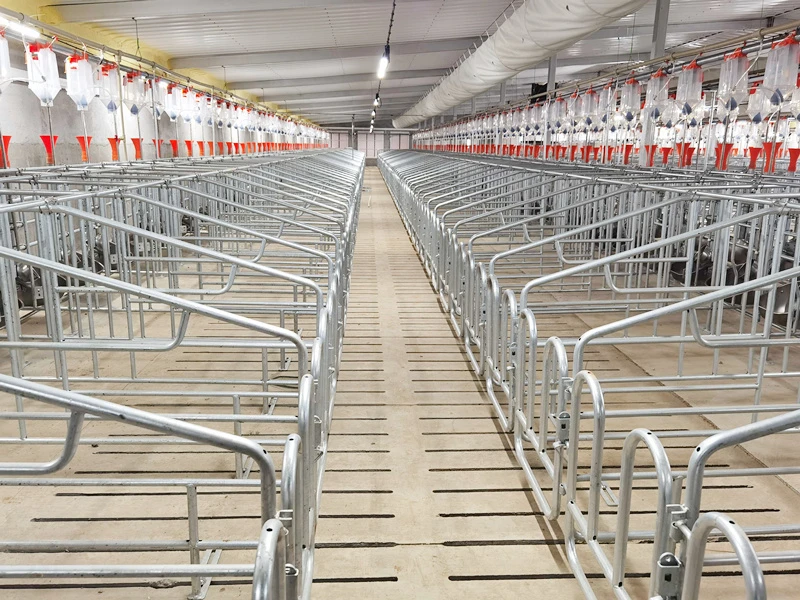
Why Gestation Stalls Matter Globally: A Quick Overview
At first glance, gestation stalls might sound like just another piece of farming jargon, but these simple structures actually represent a critical piece of modern livestock management. Their impact reverberates far beyond barnyards — touching on animal welfare, food security, and even global agricultural sustainability. Understanding gestation stalls isn’t just for farmers; it’s vital for anyone interested in humane animal treatment and efficient meat production worldwide.
Gestation stalls help manage pregnant sows by providing safe, controlled spaces during a sensitive reproductive period. This can mean less injury, more predictable birth cycles, and ultimately, a steadier food supply for a hungry world. When you factor in global population growth, climate unpredictability, and demand for ethical practices, the case for these stalls becomes clearer.
Introduction: The Global Context of Gestation Stalls
Worldwide, pig farming accounts for a substantial chunk of meat consumption. According to the UN’s Food and Agriculture Organization, over 1 billion pigs are farmed globally each year, a number expected to rise significantly by 2050. With such scale, managing sows during pregnancy is more than just an operational detail — it’s a logistical and welfare challenge.
The challenge? How do you balance animal welfare, operational efficiency, and cost? This is where gestation stalls come into the spotlight. In regions from Europe to Asia, these stalls help farmers improve reproductive outcomes, reduce aggression among sows, and even optimize space usage in restricted facilities.
But not without controversy. Critics point to ethical worries over confinement, leading to strict regulations in parts of the EU and growing consumer demand for free-range alternatives. This push-pull makes gestation stalls a hot topic in agricultural circles, with practical and moral implications both at stake.
What Exactly Are Gestation Stalls?
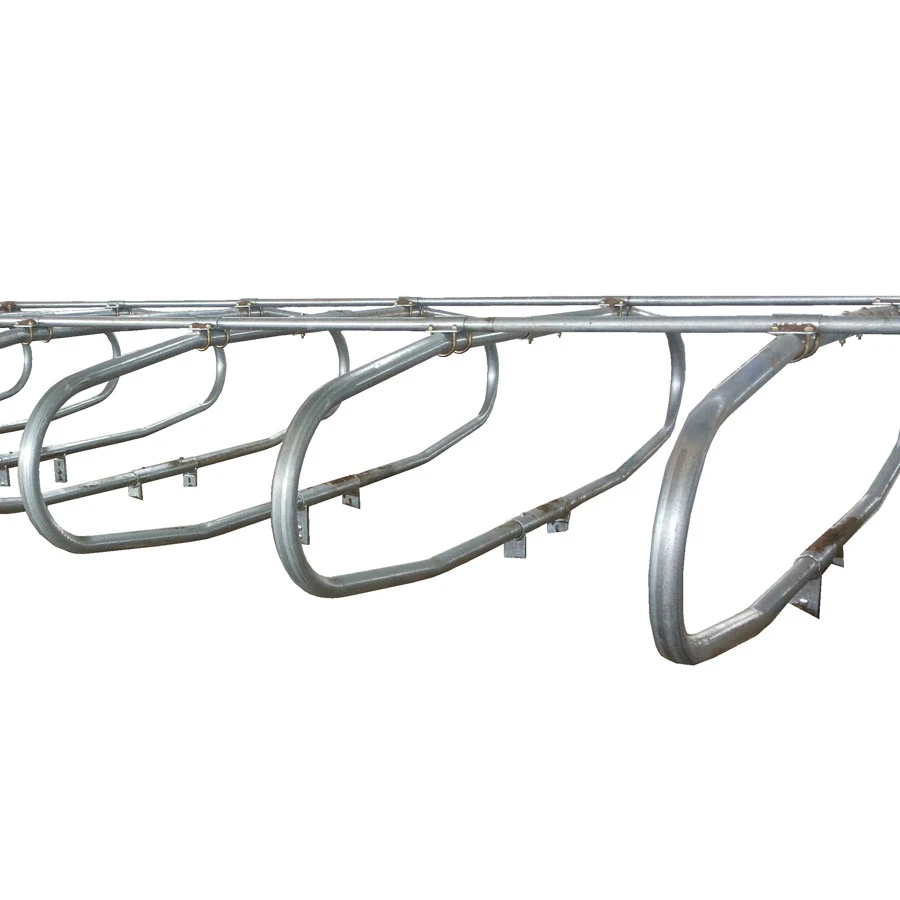
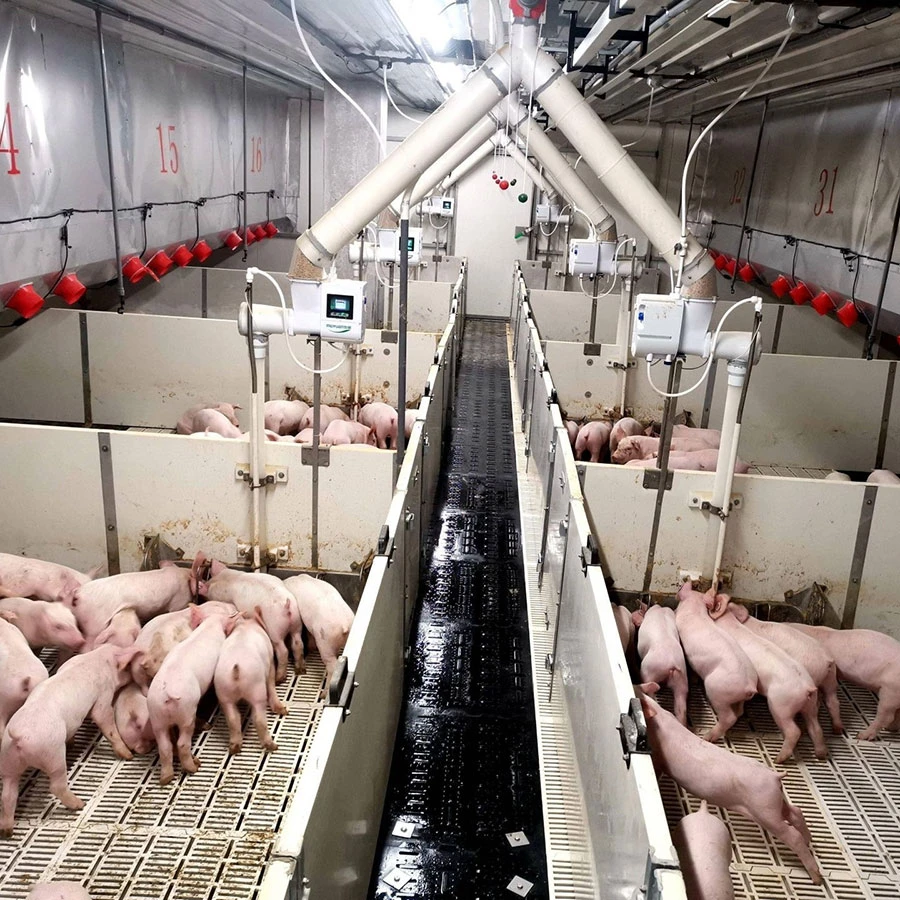
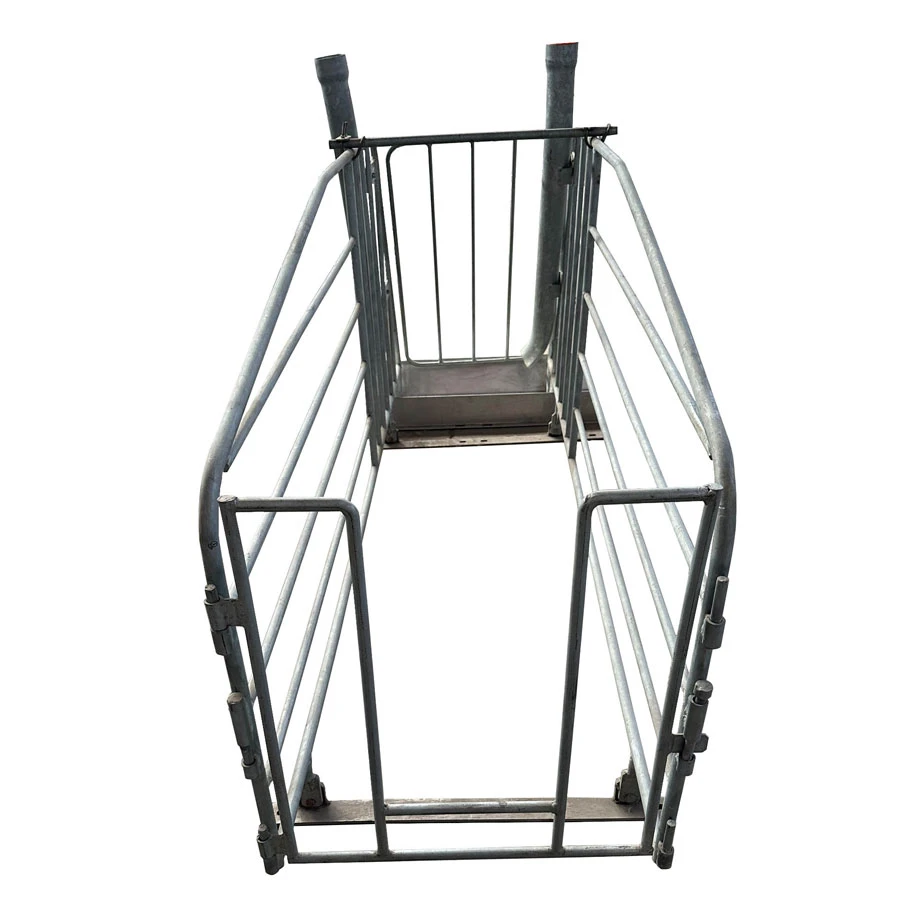
Simply put, gestation stalls are individual enclosures designed to house sows during pregnancy. Typically made from metal bars and partitions, they restrict movement enough to prevent fighting and reduce injuries but allow the sow to stand, lie down, and turn around (albeit narrowly). The goal is to create a safe, controlled area during gestation without compromising health.
In modern farming, these stalls bridge the gap between traditional open housing and group pens, offering predictability and ease of monitoring. Think of them as the halfway point between freedom and control — a place where reproductive care meets practical farming needs.
Key Features of Gestation Stalls
- Durability: Designed to withstand livestock force and weather factors.
- Ease of Cleaning: Materials resist corrosion and facilitate hygiene, crucial to animal health.
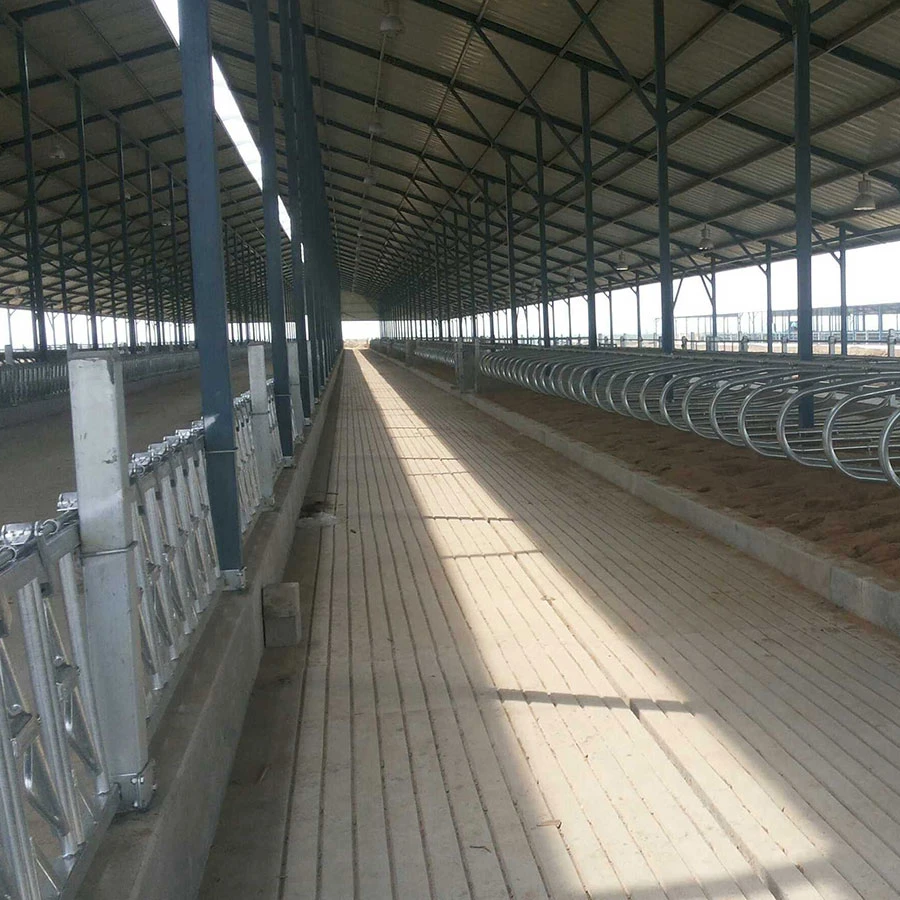
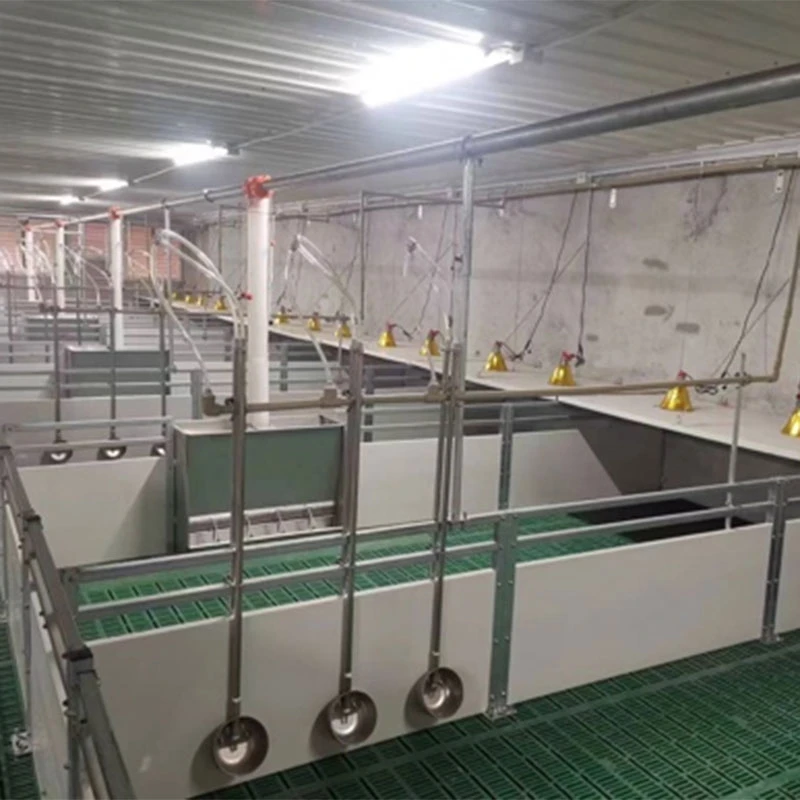
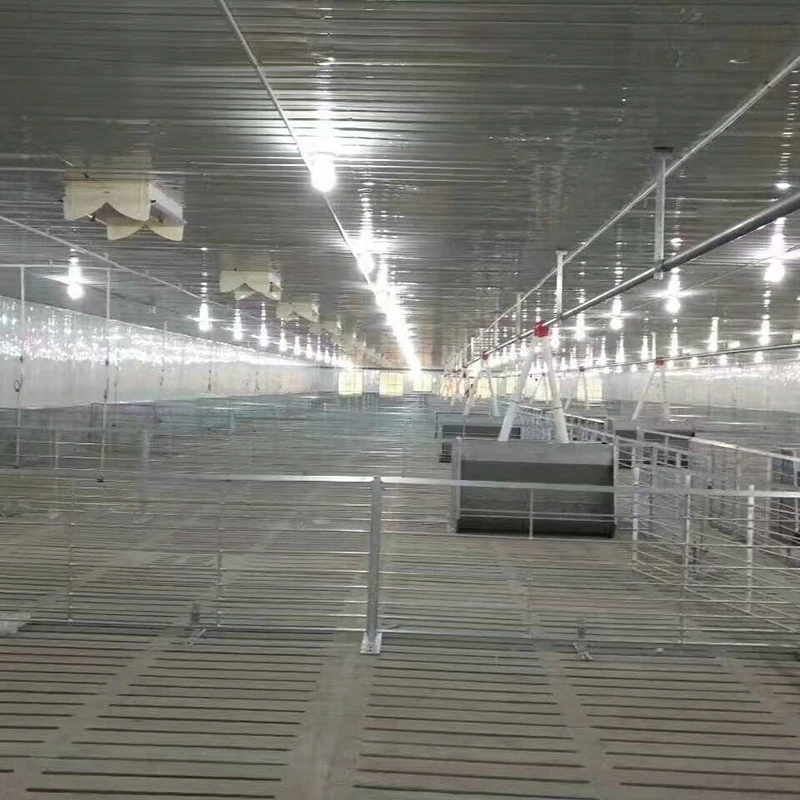
- Space Optimization: Arranged in rows or controlled layouts maximizing barn footprint.
- Welfare Consideration: Sized for comfort but limited to reduce aggression risk.
Core Components That Define Their Practical Use
1. Durability and Material Choice
Most gestation stalls are constructed from galvanized steel or robust alloys, designed to fend off rust, impact, and frequent cleaning cycles. Durability means less downtime and fewer costly repairs — every farmer’s silent victory.
2. Scalability for Different Farm Sizes
From smallholder farms in Southeast Asia to industrial-scale operations in North America, gestation stalls come in modular designs easily configured to varying herd sizes. This adaptability ensures they fit the specific needs of diverse operations without unnecessary expense.
3. Cost Efficiency and Longevity
While the initial investment might seem steep, many producers report ROI within a few years due to reduced sow mortality, better breeding success, and less feed wastage. It’s a classic case where spending a bit more up front pays dividends down the line.
4. Welfare and Ethical Impact
The connection between stall design and sow wellbeing has become a focus for suppliers and NGOs alike. Properly sized stalls reduce stress and injury risks, improving reproductive health. Some farms even integrate soft flooring and natural lighting to enhance living conditions.
Global Applications: How Gestation Stalls Are Used Around the World
Gestation stalls are common in the US, China, and parts of Europe, though how they’re managed varies widely depending on regulations and cultural standards. In Germany, for example, laws restrict stall use after the first weeks of pregnancy; meanwhile, in Brazil, stalls remain the norm primarily due to cost-efficiency.
Additionally, development agencies support gestation pens in developing countries to improve local food security and animal health. Post-disaster zones often see emergency livestock management adoption — portable, modular gestation stalls help maintain herd health when infrastructure is compromised.
In more industrialized agriculture, some farms experiment with digital monitoring embedded in stall designs. Sensors track sow movement, feeding, and stress levels — a bit of high-tech that oddly fits naturally in old-school husbandry.
Advantages & Long-Term Value of Gestation Stalls
- Safety: Reduced fighting lowers injury rates dramatically.
- Dignity & Welfare: Enables individualized care during pregnancy.
- Operational Control: Easier feeding, health monitoring, and cleaning routines.
- Economic Benefits: Improved sow survival and piglet numbers boost farm profitability.
- Sustainability: Optimized layouts reduce environmental footprint by consolidating space.
From a farmer’s point of view, there’s a kind of trust that comes with reliable stalls. You know your sows aren’t getting hurt, and your production runs smoother — it’s an uneasy balance but one that’s bookended by real, measurable gains.
What the Future Holds: Trends and Innovations in Gestation Stall Design
Automation is changing everything, and gestation stalls aren’t immune. Expect more IoT integration — feeders that adjust portions automatically, sensors alerting farmers to stress or illness, even climate-controlled environments targeting optimal comfort all year round.
Materials innovation is also underway. Bioplastics and recycled metals are being tested to lower the carbon footprint of production while maintaining durability. And there’s a big push for “welfare by design,” where stalls increase in size or incorporate soft, flexible materials that reduce pressure sores.
Legislative shifts push for more freedom pens, but stalls still dominate where space and economic realities make alternatives tough. So stalls and pens might end up coexisting, complemented by technology and smarter designs.
Overcoming Challenges: The Realities of Using Gestation Stalls
Still, stalls aren’t perfect. Critics note limited movement can cause stress-related issues like lameness and stereotypies (repetitive behaviors). Some also question whether stalls deny “natural behaviors.”
Innovative farms respond by implementing enrichment strategies — toys, straw bedding, or structured feeding schedules — to mitigate downsides. Others combine stall use early in pregnancy with group housing later, balancing safety and welfare.
Training for staff proves crucial too: expert handling reduces stress and ensures stalls fulfill their role effectively. Without human care, even the best-designed stall can fall flat.
Frequently Asked Questions About Gestation Stalls
Q1: Are gestation stalls legal everywhere?
Legality varies widely. The European Union has phased out or restricted their use, especially after the first four weeks of pregnancy, favoring group housing. In countries like the US and China, they're commonly used but increasingly scrutinized. Always check local regulations before investing.
Q2: How do gestation stalls affect sow health?
When designed and managed well, they reduce fights and injury risks, promoting healthier pregnancies. However, limited movement can cause stress and physical issues if not mitigated through enrichment or periodic exercise.
Q3: Can gestation stalls be customized for different breeds?
Yes. Vendors often offer scalable prefabricated options tailored by size and weight of breeds. Adjustable bars and flooring options cater to specific needs, ensuring comfort and welfare.
Q4: How long do gestation stalls typically last?
With proper maintenance, galvanized steel stalls can last 10+ years. Durability depends on cleaning practices, environmental conditions, and frequency of use.
Q5: Are there eco-friendly gestation stall options?
Increasingly, yes. Vendors now offer designs incorporating recycled metals and non-toxic coatings. Some farms opt for biodegradable plastics or wood composites, though durability is still being tested.
Specification Table: Typical Gestation Stall Features
| Feature | Details | Benefit |
|---|---|---|
| Material | Galvanized steel with anti-corrosion coating | Long lifespan, weather resistant |
| Dimensions | 2.1 m length x 0.6 m width x 1.2 m height | Fits majority of adult sows comfortably |
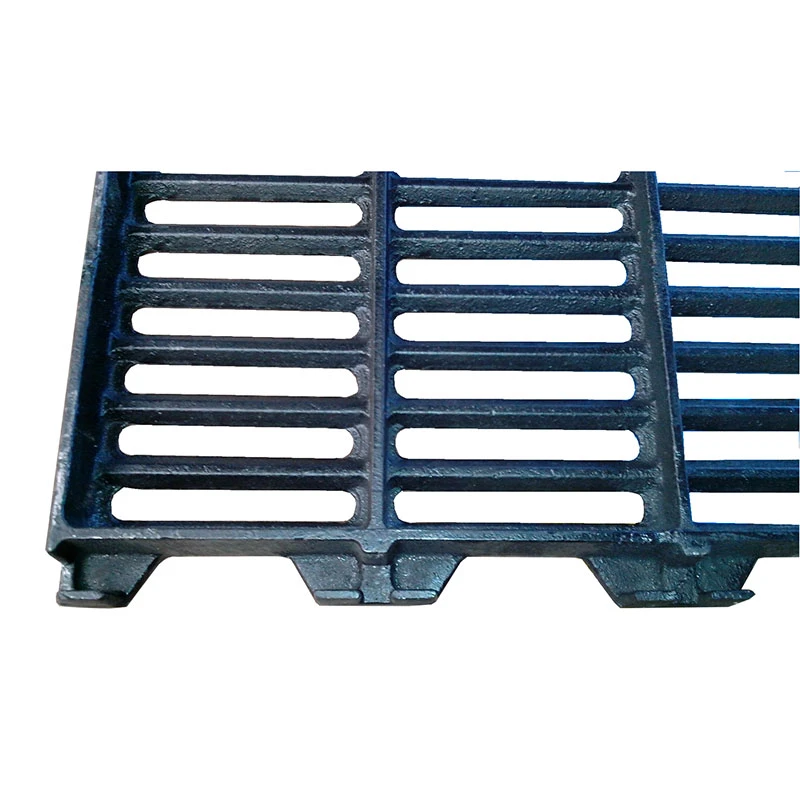
| Flooring Options | Slatted or solid with rubber mats | Improved hygiene and comfort |
| Modularity | Inter-locking panels for scalable installation | Easy expansion or layout change |
| Accessories | Feeders, water cups, enrichment mounts | Health and welfare improvement |
A Quick Comparison: Leading Gestation Stall Vendors
| Vendor | Product Range | Price Range (USD) | Notable Features | Regional Availability |
|---|---|---|---|---|
| AgriStall Corp | Standard & Custom Stalls | $120 - $250 per unit | Hot-dip galvanized, modular systems | North America, Europe |
| Global Swine Solutions | Heavy-Duty & Lightweight Options | $100 - $220 per unit | Eco-friendly materials, ergonomic designs | Asia, South America |
| FarmEquip Plus | Modular Panels & Accessories | $150 - $300 per unit | Integrated sensor mounts, quick installation | Global |
In Closing: Why Gestation Stalls Deserve Your Attention
Gestation stalls might not be glamorous, but they play a quietly pivotal role in global pig production and welfare. From reducing sow injuries to improving herd management and helping farms scale sustainably — they touch many layers at once. Of course, the debate on ethics and animal freedom continues and will shape the stalls’ evolution.
For farmers or agri-businesses looking for proven, cost-effective ways to manage pregnant sows, gestation stalls remain a solid choice. To explore a range of stalls and solutions that balance welfare, durability, and ROI, visit our site gestation stalls. Whether you’re updating facilities or just starting out, there’s something built for your operation.
Quick Takeaway: Gestation stalls are far from simple metal boxes—they’re a vital intersection of animal welfare, farm economics, and global food security. As technology and ethics advance, stalls will too, helping agriculture meet tomorrow’s demands.
References
Post time: Dec . 02, 2025