Understanding Gestation Stalls for Swine: Why They Matter Globally
Gestation stalls for swine—those narrow metal compartments you might’ve seen in farming documentaries—are surprisingly significant beyond just agricultural circles. Globally, these stalls play a crucial role in managing reproductive sows safely and effectively. At first glance, they seem like just simple enclosures, but their design impacts animal welfare, farm productivity, and even global food security.
Why care? Well, as the world’s population grows, the demand for pork follows suit. More producers are turning to gestation stalls for their ability to minimize sow aggression, ensure healthier pregnancies, and maximize space utility. Understanding these systems can lead to better production, more ethical livestock handling, and smarter policies worldwide.
Global Context: The Growing Importance of Gestation Stalls
Globally, pork accounts for roughly 35% of meat consumption (FAO), making swine farming a backbone for millions of livelihoods. Yet, managing pregnant sows is challenging, especially with pressure from animal welfare groups and changing regulations—like the EU ban on certain stall types or California’s Proposition 12. Against this backdrop, the industry faces a balancing act: maintaining productivity while adapting to stricter welfare standards.
In fast-developing countries where industrial-scale pig farming is booming, gestation stalls help standardize care, reduce injuries, and prevent disease spread. The World Bank notes that efficient animal husbandry methods, including proper gestation housing, directly link to rural economic stability and food security.
However, the challenges of managing these stalls—space limitations, individual animal monitoring, and ethical concerns—keep the topic hot. Farmers, veterinarians, and policy makers alike are all trying to find that sweet spot of efficiency, welfare, and cost.
What Exactly Are Gestation Stalls for Swine?
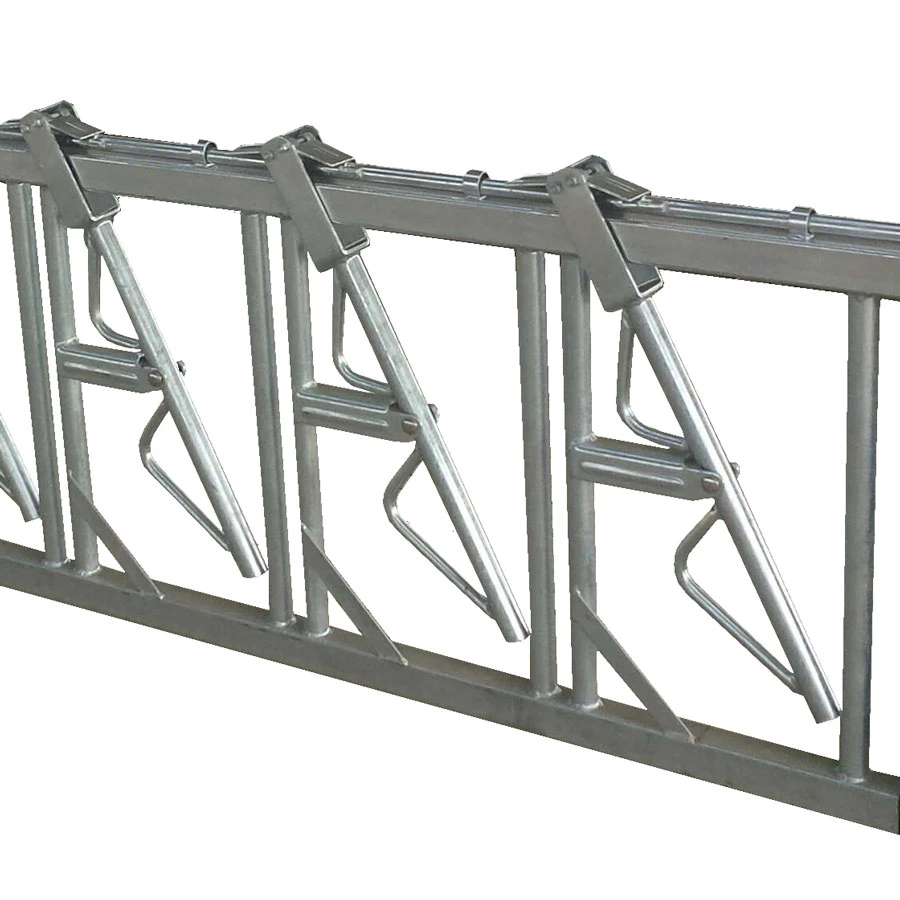
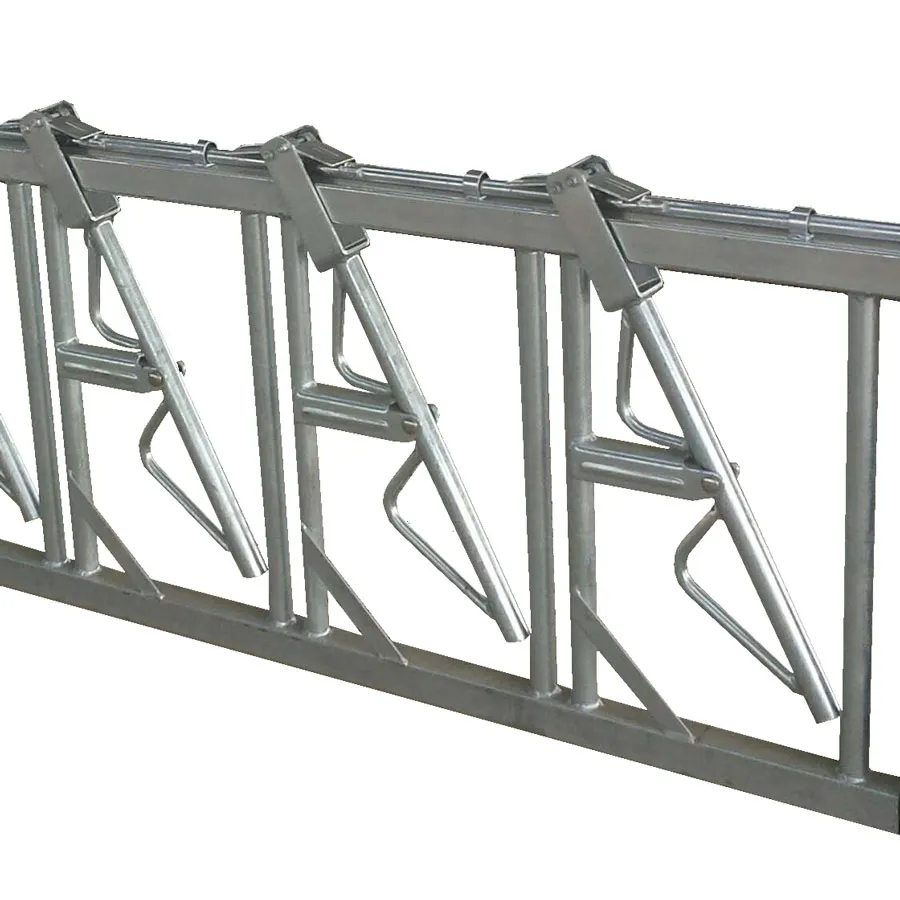
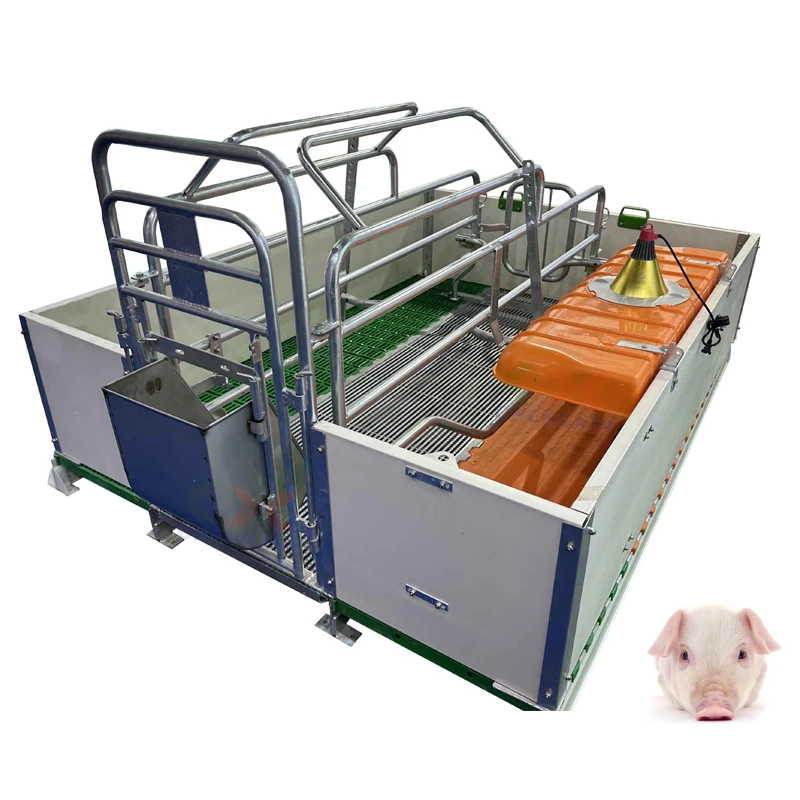
Basically, gestation stalls are narrow, individual enclosures designed for pregnant sows. Each stall usually allows a sow to stand, lie down, and eat but restricts excessive movement to prevent fights between animals. Though sometimes criticized for limiting natural behaviors, these stalls aim to reduce stress and injury during pregnancy.
Think of them as specialized pens that help farmers monitor each sow’s health, feed precisely, and manage space. In modern pig farming, such control can mean the difference between a healthy litter and costly losses.
They’re part of a broader movement toward controlled-environment livestock systems that balance productivity with humane treatment—something increasingly demanded by consumers worldwide.
Mini Takeaway:
Gestation stalls for swine offer a methodical approach to managing pregnant pigs, promoting safety and farm efficiency while navigating global welfare trends.
Core Factors When Selecting or Designing Gestation Stalls
1. Durability and Material Quality
Many engineers emphasize how stainless steel or galvanized steel frames resist corrosion, especially given the humid, manure-heavy environments. You want a stall that lasts years without degrading, or else replacements get expensive fast.
2. Space Optimization
Dimensions matter. Typically, stalls measure about 2.1m long and 60cm wide—but optimizing for both sow comfort and maximum use of barn area is a fine art. Narrower stalls save space but may stress the pigs; wider stalls improve welfare but cost more floor space.
3. Feed and Water Accessibility
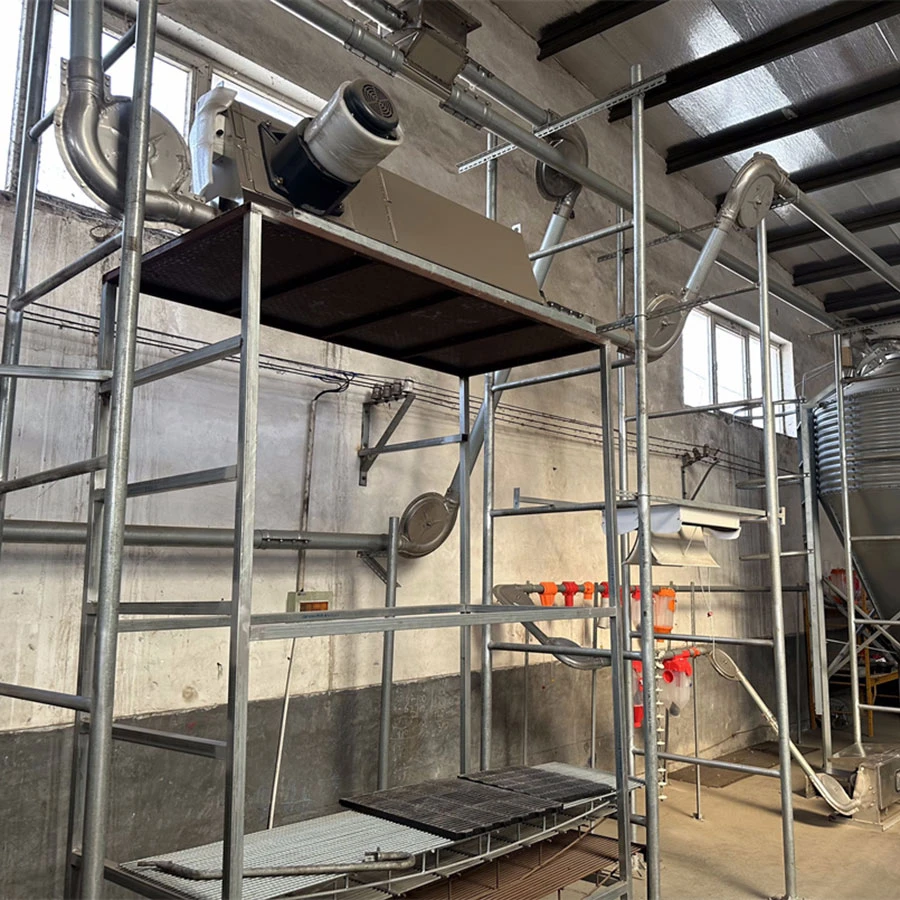
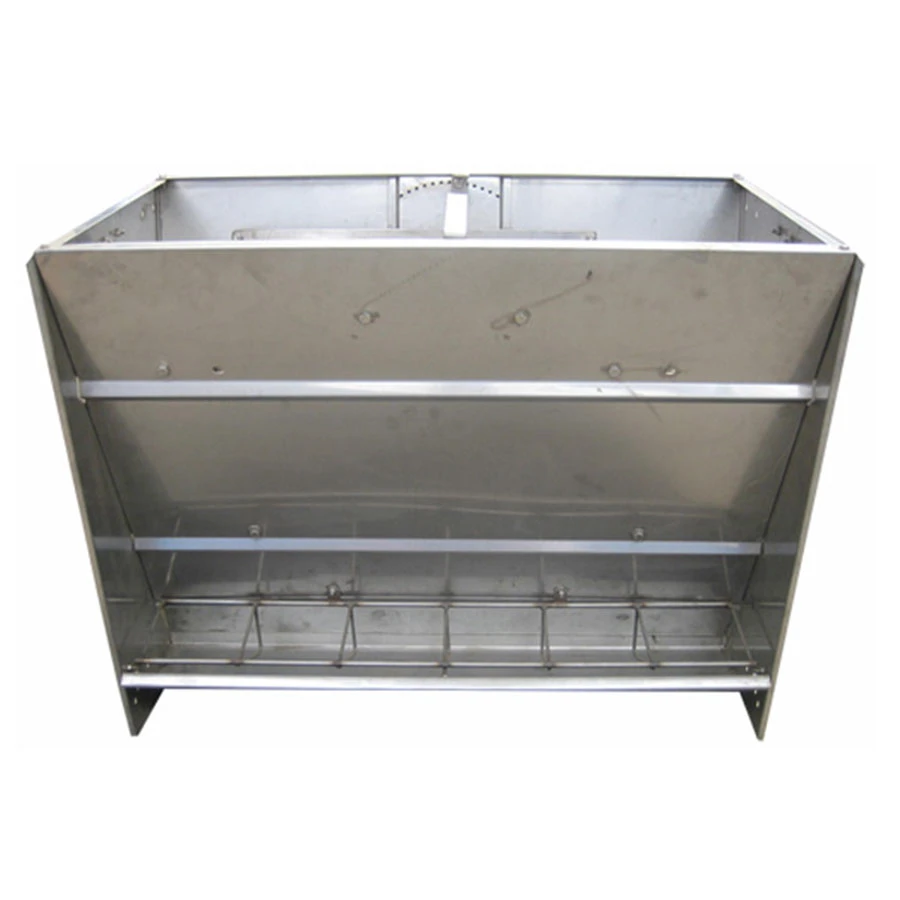
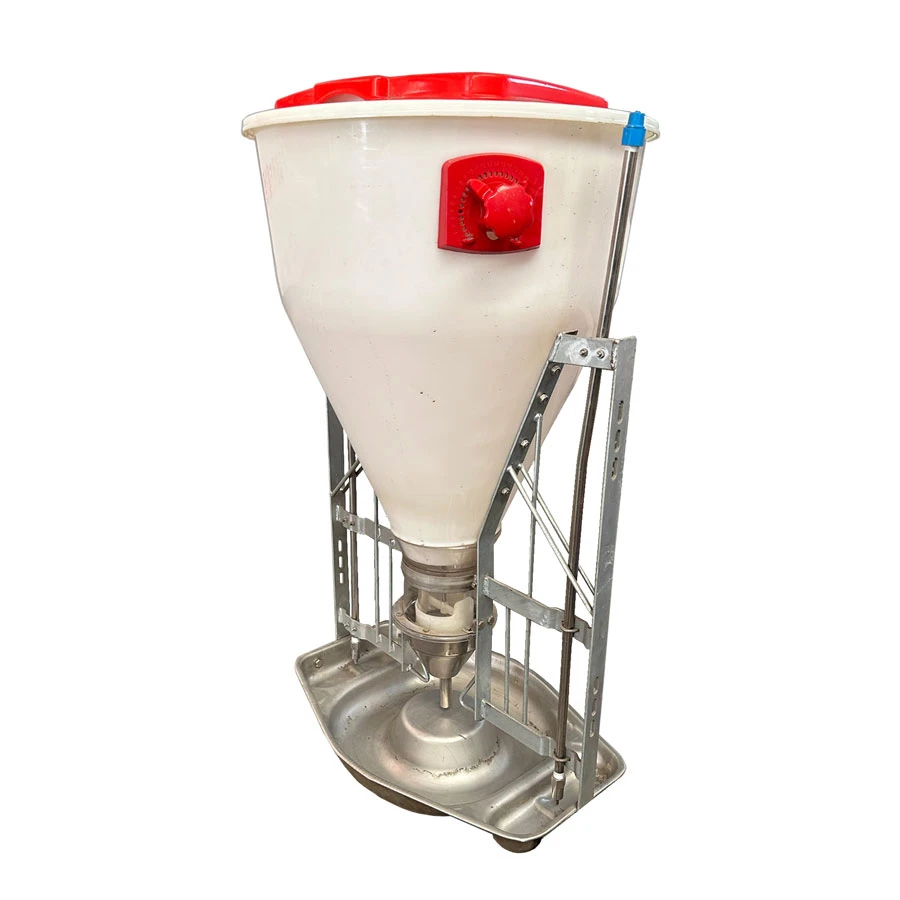
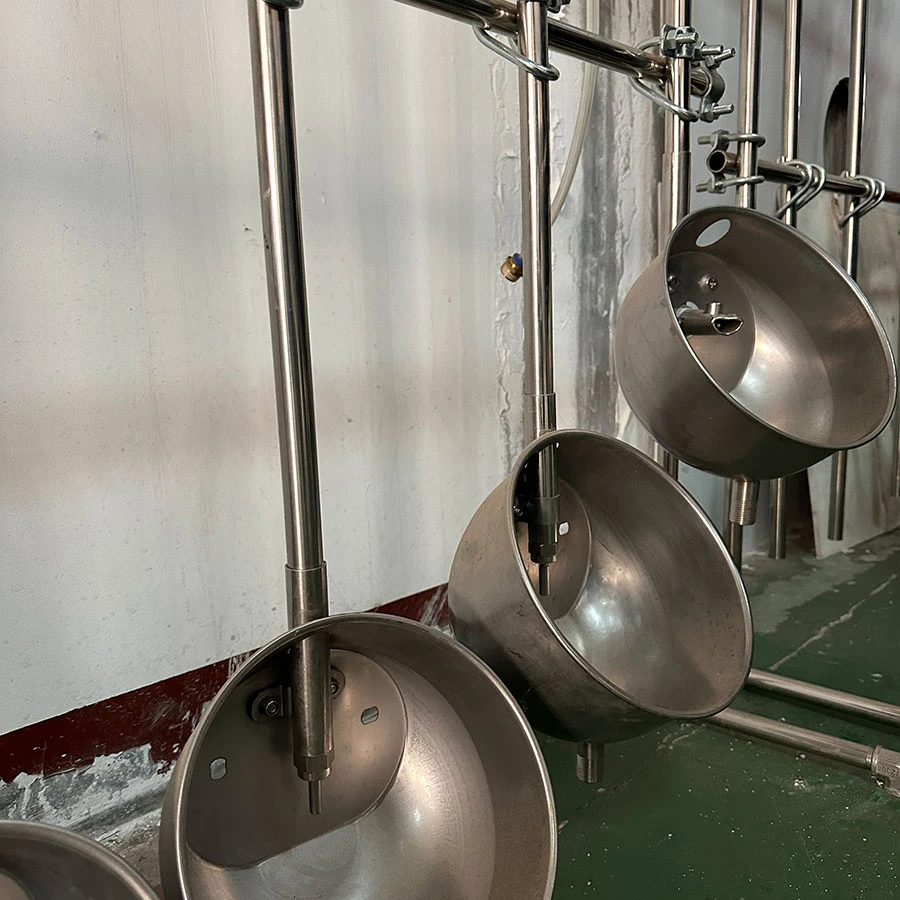
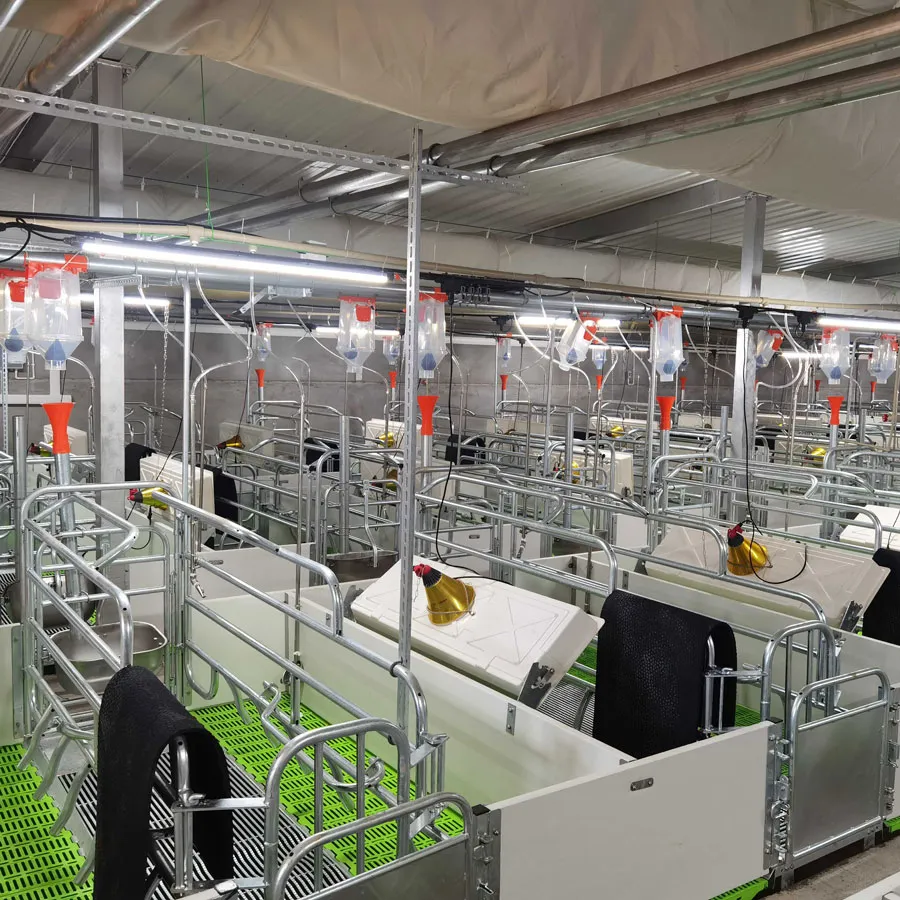
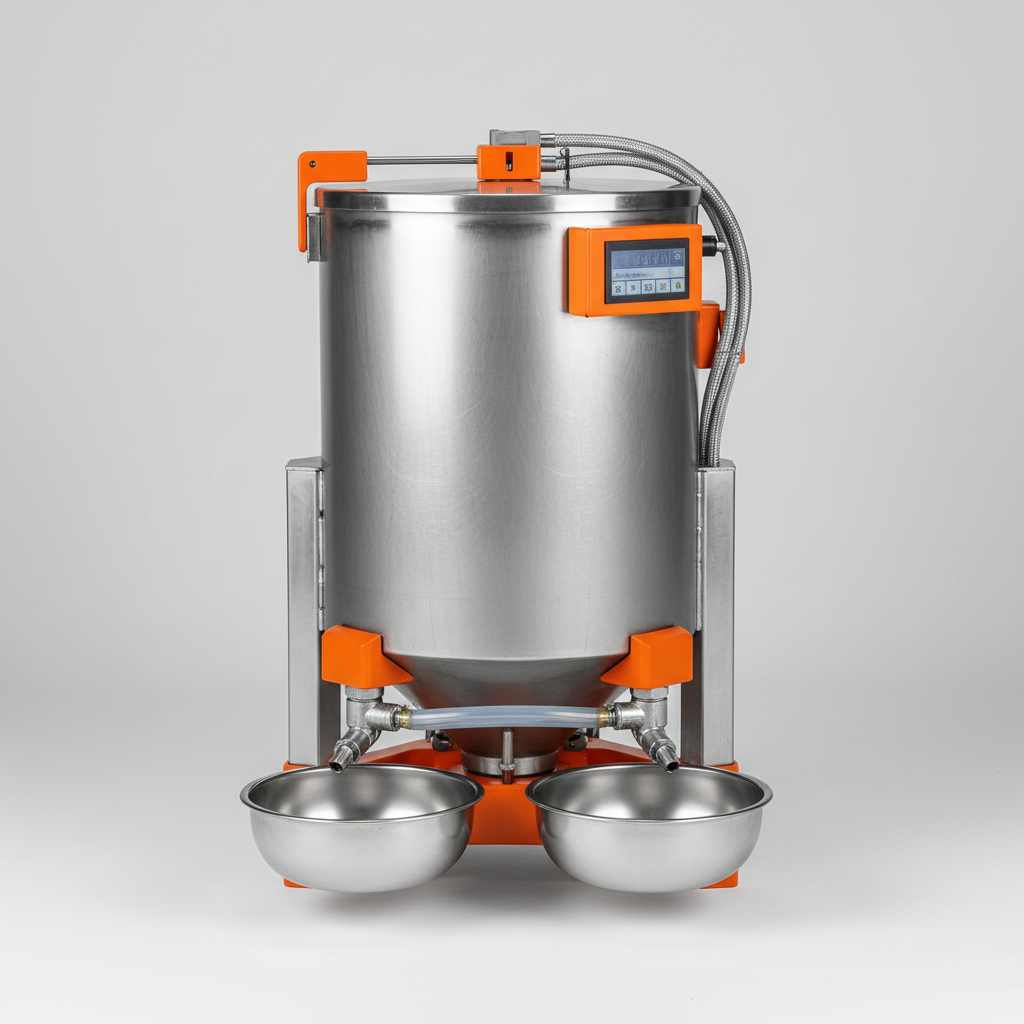
Integrated feed troughs and waterers reduce labor and ensure each sow gets her needed nutrition. Automated feeding systems often complement these stalls for efficiency.
4. Ease of Cleaning and Hygiene
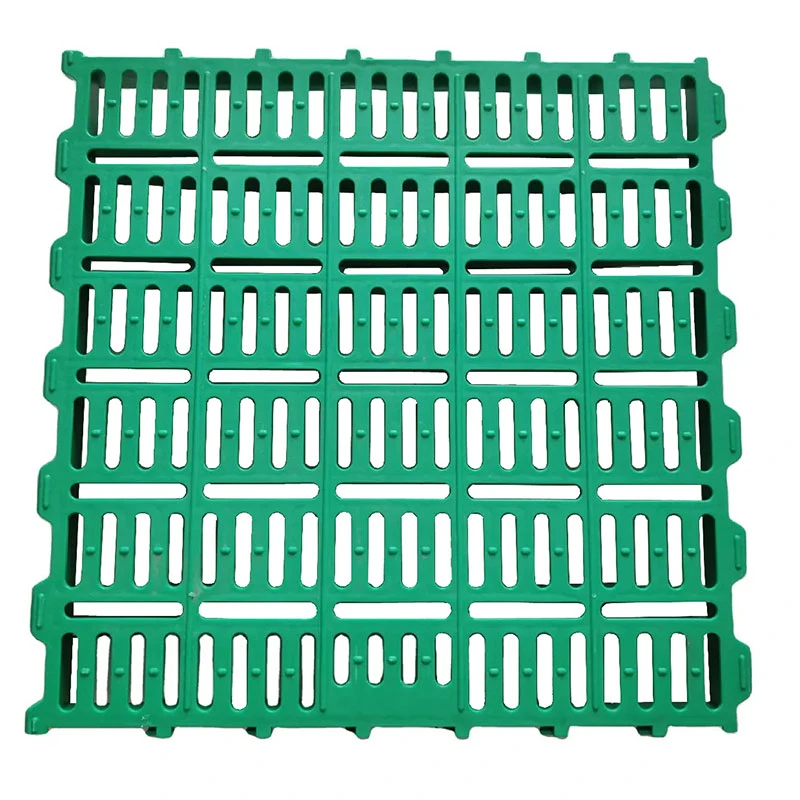
Designs that allow quick manure removal and stall washing not only improve biosecurity but also reduce labor. Many modern stalls have slatted floors or gutters facilitating manure flow.
5. Safety Features
Rounded edges, secure locking mechanisms, and sufficiently strong partitions reduce injuries and escapes, which translates to healthier sows and cleaner operations.
| Specification | Standard | Notes |
|---|---|---|
| Length | 2.1 meters | Allows standing, lying |
| Width | 0.6 meters | Keeps sow restrained |
| Material | Galvanized Steel | Corrosion resistant |
| Flooring | Slatted Concrete | Manure drainage |
| Feeders | Adjustable Troughs | For controlled feeding |
Global Applications: Where and Why Gestation Stalls Matter
Gestation stalls aren’t just a Western phenomenon. They’re widespread across Europe, North America, and increasingly in parts of Asia and South America where industrial swine farming thrives.
In places like Denmark and the US Midwest, tight regulations have prompted farms to upgrade to modern stalls that meet welfare guidelines yet maintain efficiency. Oddly enough, in developing nations such as Vietnam or Brazil, gestation stalls also help smaller farmers scale up production without skyrocketing costs or disease risks.
Post-disaster scenarios benefit, too: relief organizations sometimes use modular stalls to help restock livestock quickly after floods or drought. The concept has even been pitched for remote industrial farms where monitoring pregnant sows individually is a must but labor is sparse.
So, from the heartland cornfields to tropical tropics, these stalls form a quietly essential part of the global meat production puzzle.
Mini Takeaway:
Gestation stalls adapt to diverse environments, feeding into global food chains and rural economies alike.
The Tangible and Intangible Benefits of Gestation Stalls
- Cost Efficiency: Individual feeding reduces wasted feed, and healthier sows mean better litters.
- An Ethical Edge: Well-designed stalls minimize injury and stress compared to overcrowded pens.
- Operational Reliability: Easier health monitoring leads to quicker interventions and less disease spread.
- Space Saving: More sows per barn square meter is a big win, especially in high-rent zones.
- Emotional Assurance: Farmers feel more in control and less frantic during critical reproductive phases.
Looking Ahead: Innovations and Future Trends
It feels like we’re on the cusp of real transformation in how gestation stalls are built and managed. Emerging materials like composites and antimicrobial coatings promise longer life and cleaner environments. Some farms have begun integrating sensors inside stalls to monitor sow movements or temperatures, hinting at a future where digital livestock care is the norm.
Sustainability also steers design. Solar-powered ventilation units and zero-waste waste management systems align with greener farming tenets. Plus, legislation in many countries pushes for enrichment-based stalls that offer sows more natural behaviors without sacrificing space or safety.
Common Challenges & How Industry Experts Suggest Overcoming Them
Despite improvements, critics highlight confining sows as a welfare issue. The tight spaces limit rooting behaviors, which some feel equates to reduced wellbeing. However, many producers counter that new “free access” stalls or group systems with controlled feeding combine the best of both worlds.
Another challenge is initial investment — good stalls aren’t cheap. Grants, subsidies, or co-op buying often ease this burden. Increased automation also means less labor needed, offsetting upfront costs over a few years.
Finally, adapting designs to local climates is key. Hot or humid zones require extra ventilation designs to keep sows cool and healthy.
| Vendor | Material | Customization | Price Range (USD) | Notable Feature |
|---|---|---|---|---|
| AgriSteel Inc. | Galvanized Steel | Standard & Custom Sizes | $150 - $200 per stall | Quick assembly system |
| Livestock Solutions | Powder-coated Steel | Modular Expandable | $175 - $230 per stall | Integrated sensor option |
| PorcinaTech | Stainless Steel | Custom Design Only | $250 - $300 per stall | Durability warranty 10 years |
FAQ: Your Top Questions on Gestation Stalls for Swine
Q1: Why do some farms prefer gestation stalls over group housing?
A1: Gestation stalls allow individualized feeding and health monitoring, reducing sow-to-sow aggression and protecting vulnerable pregnant animals. Group housing offers freedom but may require more labor and risk injuries during social conflicts.
Q2: Are gestation stalls compliant with animal welfare regulations?
A2: Compliance varies by region and stall design. The EU banned traditional stalls but accepts enriched or free-access stalls. Many countries are updating standards to improve sow welfare while balancing farm economics.
Q3: How long do gestation stalls typically last?
A3: With quality materials and maintenance, stalls often last 10 years or longer. Corrosion-resistant metals and proper cleaning extend lifespan significantly.
Q4: Can gestation stalls be part of sustainable farming?
A4: Yes, especially when combined with renewable energy for barn systems, efficient manure management, and designs that improve feed utilization and animal health.
Q5: Where can I find reliable suppliers for gestation stalls?
A5: Look for manufacturers with proven track records, customer reviews, and certifications. The tables above highlight some leading vendors known for quality and service.
Wrapping Up
Gestation stalls for swine are more than just metal pens—they’re tools that tie together animal welfare, productivity, and sustainability. Whether you’re a farmer, policymaker, or curious observer, understanding their role highlights the complexity behind our food systems and the evolving practices shaping them.
Interested in exploring tailored gestation stalls for swine for your operation? Visit our website for expert guidance and innovative solutions that fit your needs.
References
Post time: Dec . 02, 2025