Understanding Gestation Stalls for Pigs: Why It Matters and What You Should Know
Gestation stalls for pigs are more than just simple enclosures; they're a cornerstone of modern pig farming, shaping animal welfare, productivity, and farm management worldwide. Knowing how these stalls impact the pork industry—and animal care—helps farmers optimize resources while addressing key ethical concerns. Globally, with pork consumption reaching new heights and farming techniques evolving, understanding the role and design of gestation stalls is vital. Whether you’re a producer, policymaker, or simply curious about livestock management, grasping these concepts unlocks insights into sustainable animal husbandry.
Global Context: The Role of Gestation Stalls in Modern Pig Farming
At first glance, gestation stalls might seem like a niche topic, but they sit at the crossroads of livestock economics, food security, and animal welfare. According to the Food and Agriculture Organization (FAO), global pork production surpassed 120 million tonnes in recent years, making it the most consumed meat worldwide. With demand soaring, farms strive for efficiency—and that’s where gestation stalls come in.
However, they're also controversial because of animal welfare debates. The UN’s Sustainable Development Goals emphasize responsible farming practices that balance productivity with ethics, and gestation stalls have become a focal point of that ongoing dialogue.
In real terms, these stalls help manage individual sows during pregnancy, reducing aggression and injury risk, but critics argue about confining animals too strictly. So, the challenge today is how to design and apply these systems globally while respecting both commercial needs and humane treatment.
What Are Gestation Stalls for Pigs, Exactly?
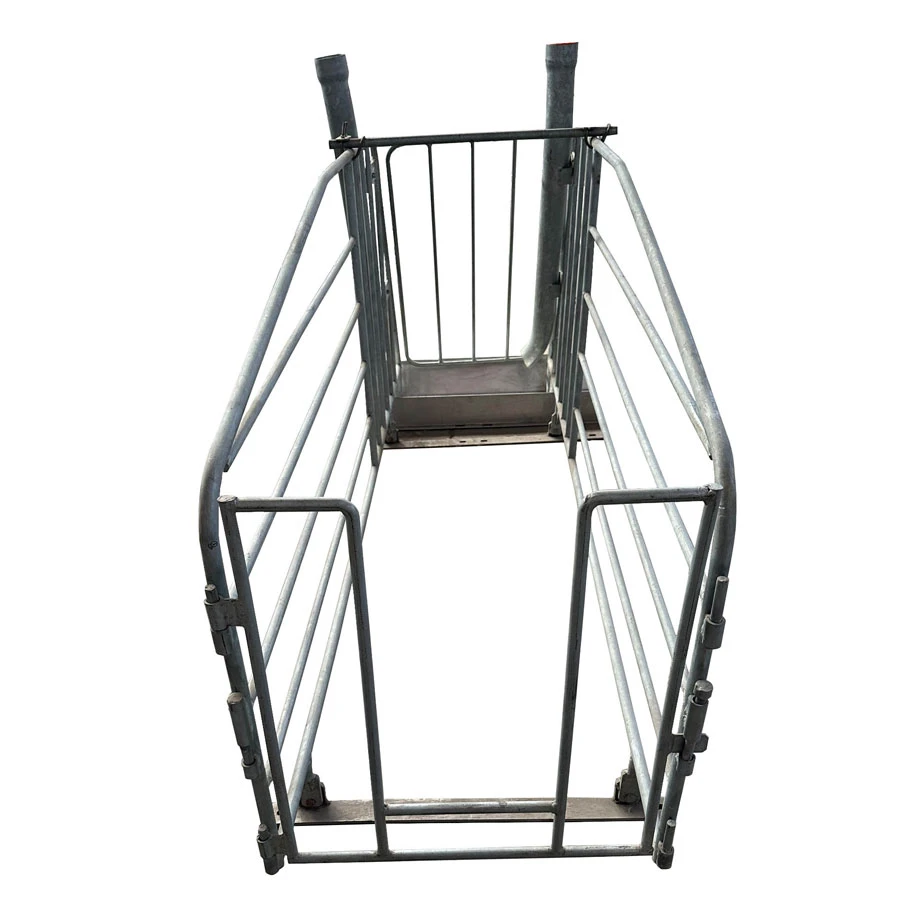
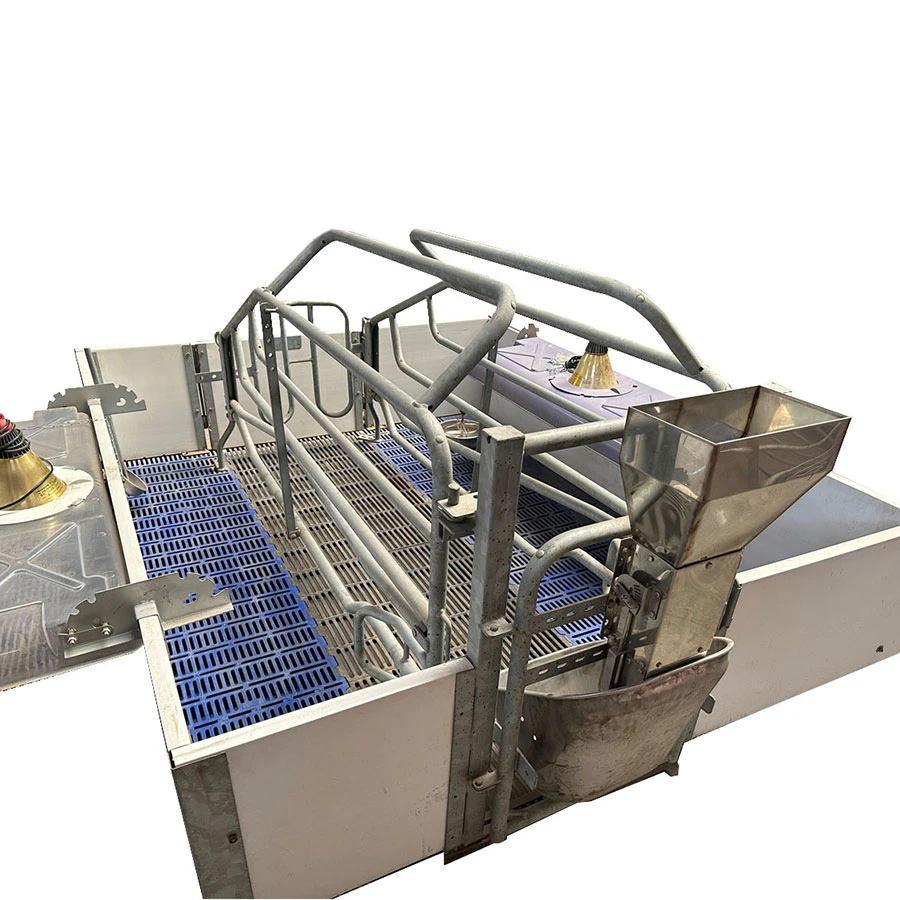
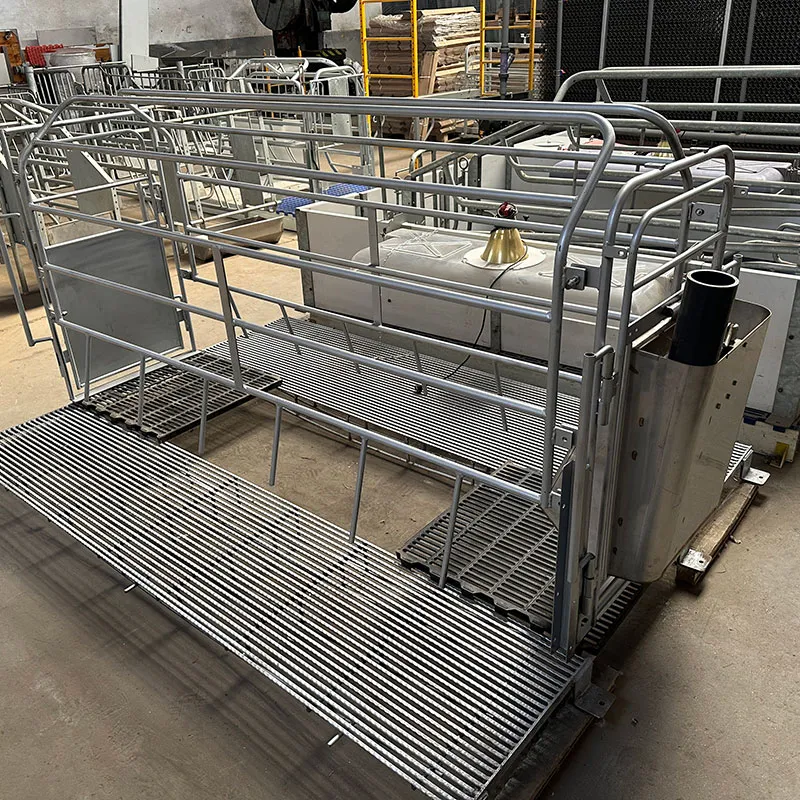
Simply put, a gestation stall (often called a sow stall or gestation crate) is a metal or plastic enclosure that confines a pregnant pig, usually for the duration of her gestation (roughly 114 days). The idea is to keep the sow in a safe, controlled space where she can eat, rest, and avoid aggressive interactions common in group housing systems.
Modern animal husbandry uses gestation stalls to improve individual care and health monitoring—so farmers can optimize feeding and reduce injuries. While the setup might sound restrictive, it’s deeply tied to industry goals like biosecurity, productivity, and minimizing sow stress.
Mini takeaway:
Gestation stalls act as protective cocoons for pregnant sows in a fast-paced, large-scale pig farming world, though their use continues to spark important welfare discussions.
Key Components That Define Effective Gestation Stalls
1. Durability and Material Quality
The best gestation stalls are made from galvanized steel or sturdy PVC-coated alloys that resist corrosion and wear over multiple production cycles. Durability means less frequent replacement and better investment protection for farmers.
2. Scale and Modularity
Typically, stalls are designed in modular units allowing farms to scale capacity up or down according to herd size. This flexibility aids in managing seasonal fluctuations or integrating new sows without complex modifications.
3. Comfort and Welfare Features
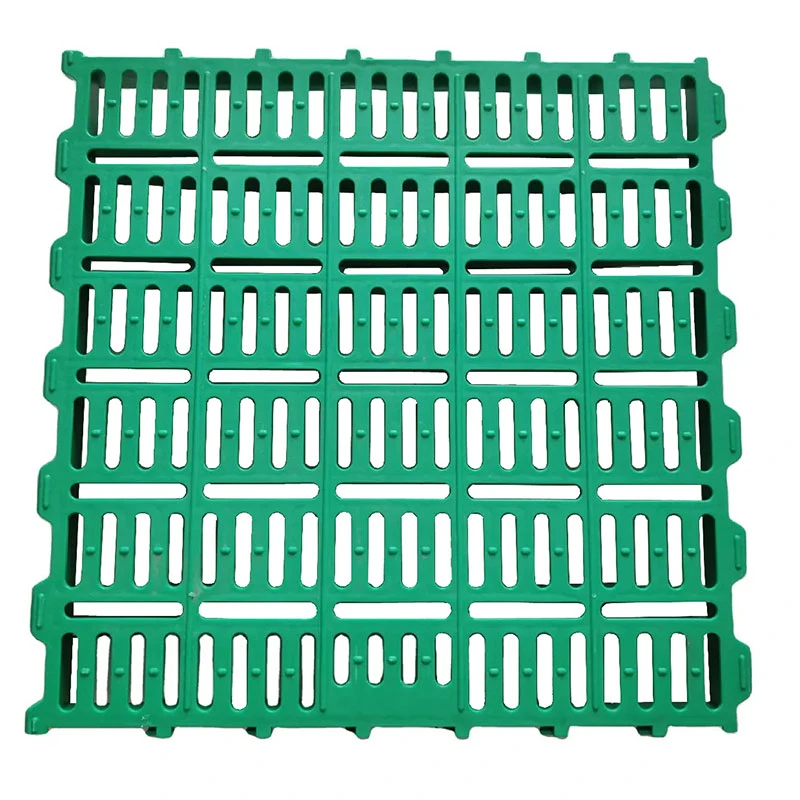
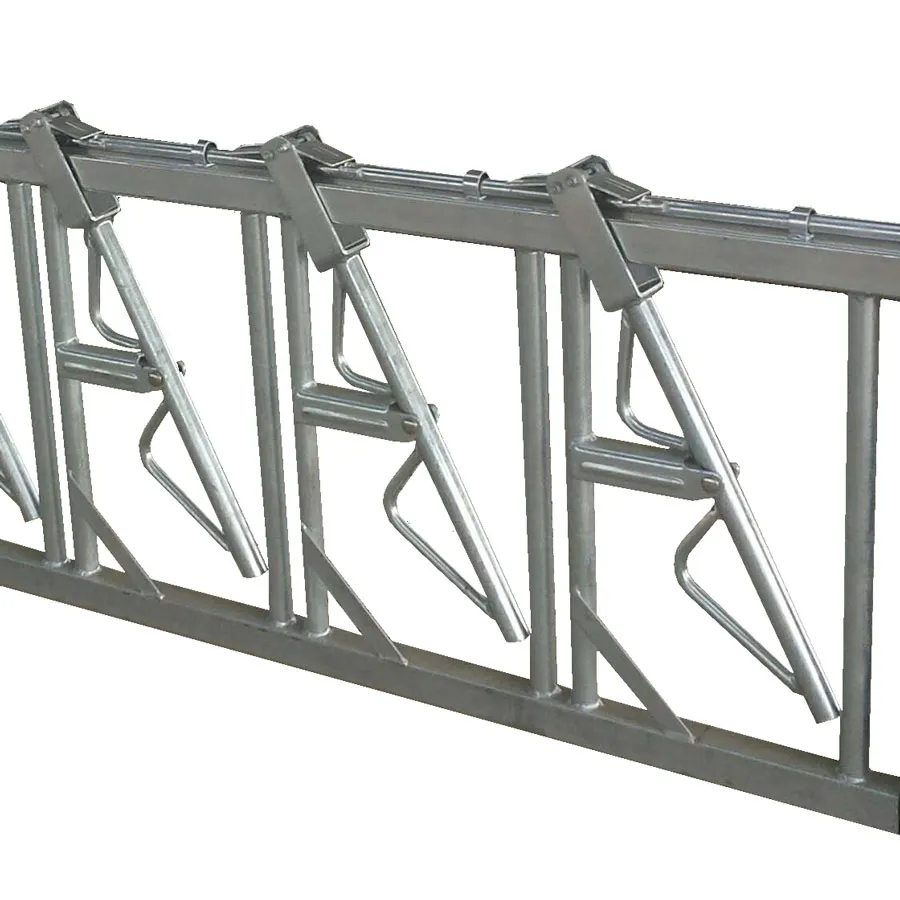
From slatted floors for waste management to adjustable widths for better sow comfort, smart designs incorporate ergonomic principles. Some include enrichment items or feeding gates designed to reduce stress and improve sow wellbeing.
4. Cost Efficiency and Feed Management
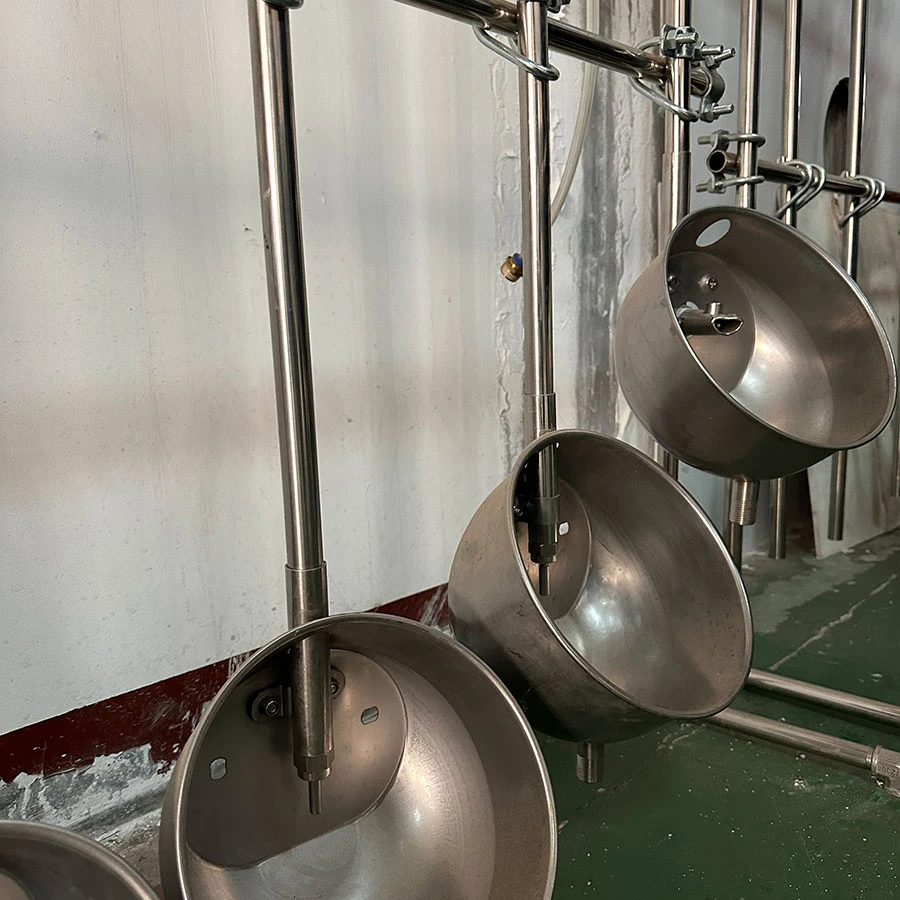
Efficient feeding systems integrated into gestation stalls reduce feed waste, improving cost-effectiveness. Time-saving maintenance also factors into the overall value proposition for farmers balancing labor costs with output.
5. Hygiene and Sanitation
Good stall design ensures easy cleaning to prevent disease buildup, a critical issue given large herd densities. This often translates into sloped floors and water drainage solutions that maintain a healthy environment.
Mini takeaway:
Good gestation stalls balance ruggedness, flexibility, animal comfort, and cost savings — making them practical for farms big and small.
Where Are Gestation Stalls Making an Impact Globally?
In North America and much of Europe, gestation stalls have been a farming staple for decades but face bans or restrictions in some countries like the UK and Sweden, reflecting evolving welfare standards.
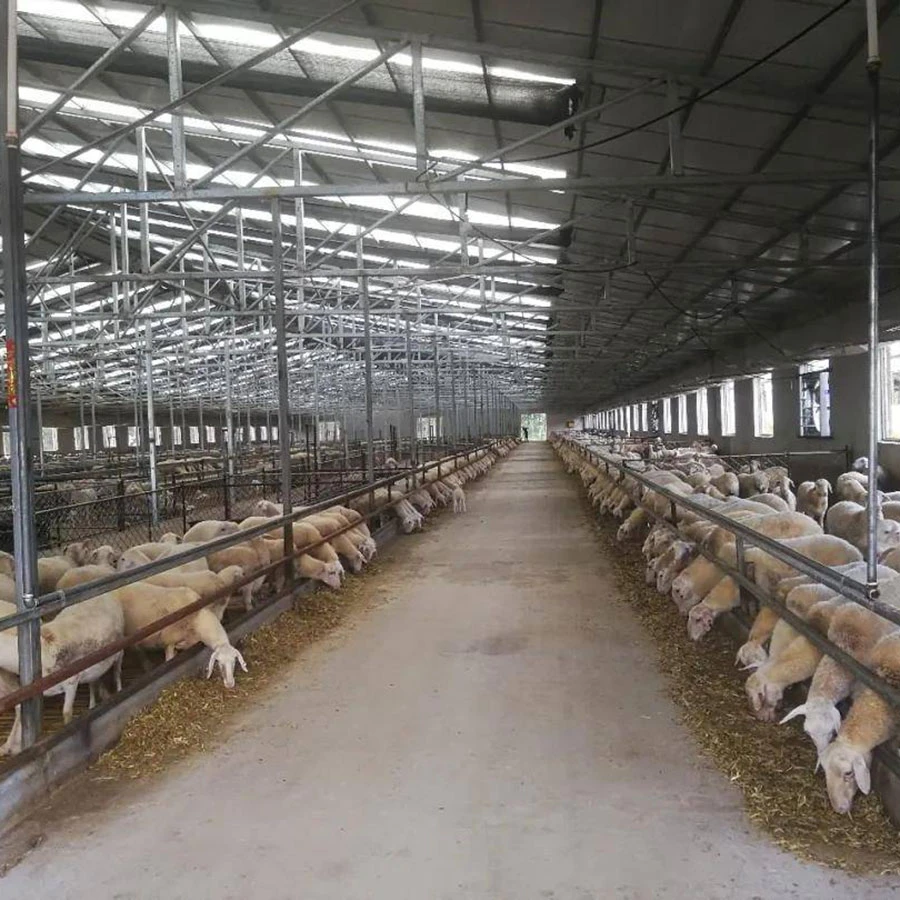
Meanwhile, in China—the world's largest pork producer—gestation stall use remains widespread to meet massive demand. Southeast Asia is also adopting more standardized housing to boost productivity and comply with export regulations.
Interesting real-world applications span industrial-scale operations to transitional farms upgrading animal housing. For instance, post-disaster agricultural rebuilding efforts often include installation of durable gestation stalls to quickly restore swine production with safe, manageable housing solutions.
Mini takeaway:
Gestation stalls occupy a complex regulatory patchwork, but their global footprint is undeniable, supporting millions of sows in diverse climates and farm sizes.
Product Specification Table: Typical Gestation Stall Features
| Feature | Specification | Benefit |
|---|---|---|
| Material | Galvanized steel, PVC-coated | Corrosion resistance, long lifespan |
| Dimensions | 2m Length × 0.6 m Width (adjustable) | Fits average sow size, increased comfort |
| Flooring | Slatted plastic or concrete | Improved sanitation, waste management |
| Feeding | Integrated trough/gate systems | Reduced feed waste, ease of access |
| Modularity | Linkable units, expandable | Flexible capacity, easy maintenance |
Vendor Comparison: Leading Gestation Stall Providers
| Vendor | Material Quality | Customization | Price Range | Customer Support |
|---|---|---|---|---|
| AgriSteel Corp. | High-grade galvanized steel | Custom sizing available | $$$ | 24/7 dedicated support |
| FarmTech Solutions | PVC-coated steel, corrosion-resistant | Standard modular units | $$ | Email and phone support |
| EcoSwine Innovations | Recycled materials, eco-friendly | Limited customization | $ | Online knowledge base |
Why Choose Gestation Stalls? Advantages & Long-Term Value
Okay, here’s the thing: these stalls aren’t just about keeping sows put. Their value lies in preventing injury from aggressive behavior, improving feed efficiency, and simplifying farm management. That means less vet bills, better growth rates, and more predictable yields.
On an emotional level, well-designed stalls can reduce sow stress, which affects natural behaviors. Emerging designs try to reconcile welfare and productivity without “emptying the wallet.” Trust in better housing also opens pathways to consumer markets demanding more ethically farmed pork.
Finally, from a sustainability angle, optimized gestation stalls help farms uphold biosecurity standards—key to reducing disease outbreaks and antibiotic reliance.
Looking Ahead: Future Trends & Innovations in Gestation Stall Design
The future feels like it’s moving towards automation and smart technology integration. Some farms are piloting sensor-equipped stalls to monitor sow movement, health indicators like temperature, and feeding habits in real time. This digital transformation could drastically improve herd management.
Material-wise, expect a surge in recycled composites and eco-certified coatings to reduce environmental footprint. Green energy solutions like solar-powered ventilation complement sustainability goals. On the policy front, evolving animal welfare laws around the world are pushing manufacturers to innovate more humane, yet practical designs.
Common Challenges & Practical Solutions
There's no sugarcoating it: gestation stalls come with controversies. Confined spaces sometimes restrict natural behaviors, raising ethical concerns from advocacy groups. Additionally, poor ventilation or improper sizing can lead to health issues.
To mitigate this, experts suggest hybrid housing models—mixing stalls with group pens during different gestation phases. Also, investing in staff training improves management practices ensuring sows stay comfortable and healthy.
FAQ: Your Gestation Stalls Questions Answered
- Q: How long should a sow stay in a gestation stall?
A: Typically, sows are kept in gestation stalls during early pregnancy when aggression risk is highest. Many farms move them to group housing for the remainder, balancing welfare and safety. - Q: Are gestation stalls mandatory on all pig farms?
A: No. Requirements vary internationally. Some countries have phased out the use due to welfare concerns, while others maintain them as standard practice. - Q: Can gestation stalls be customized for sow size?
A: Yes. Many vendors offer adjustable-width stalls to accommodate different breeds and sizes, ensuring better comfort and reducing injury risk. - Q: How do stalls affect feed efficiency?
A: By isolating sows during feeding, gestation stalls reduce feed competition and waste, improving overall efficiency and cost-effectiveness.
Wrapping Up: Why Gestation Stalls Remain Essential
At the end of the day, gestation stalls are a practical response to complex farming demands: safeguarding pregnant pigs, supporting productivity, and navigating ethical considerations. As global standards shift, these stalls will evolve but remain central to many pork production systems. For anyone involved in pig farming or animal welfare, staying informed about their design, application, and impact is key.
If you want to explore more on this, I highly recommend checking out gestation stalls for pigs—a one-stop resource blending product details with best practices. It’s a solid step toward smarter, kinder pig farming.
References
Post time: Dec . 02, 2025