Understanding Gestation Crates for Pigs: Why They Matter Globally
If you've ever wondered how modern pig farming balances efficiency with animal welfare, the gestation crate for pigs plays a vital role. These metal enclosures, designed to house pregnant sows, have transformed global swine production over the past several decades. Beyond basic housing, gestation crates represent the intersection of animal husbandry, agricultural economics, and evolving animal welfare standards.
Why does this matter? In a world where demand for pork continues to surge—forecasted by the Food and Agriculture Organization (FAO) to grow by nearly 20% over the next decade—understanding how pigs are housed feeds into bigger global challenges: sustainable farming, ethical treatment, and food security.
In short: grasping gestation crates means peeking into the complexities that make modern pork available on your plate, without ignoring the evolving conversation about farming practices and animal rights.
Global Context: The Vital Role of Gestation Crates in Modern Pig Farming
Globally, pork represents around 38% of all meat consumed (source: UN FAO 2022), with intensive pig farming representing a critical segment of agricultural GDP, especially in regions like Asia, Europe, and parts of North America.
Gestation crates are used in approximately 70% of commercial swine operations worldwide. They address major challenges such as minimizing aggression during pregnancy, allowing for precise feeding control, and reducing injuries among sows that occur in group housing.
However, their use is highly controversial. Animal welfare organizations argue that the restrictive space reduces sow mobility and natural behaviors. Some regions (like the EU and parts of Australia) have banned or phased out gestation crates, favoring group housing instead, while others balance regulation with economic needs.
This tension highlights why understanding the gestation crate for pigs is so important: it’s not simply about a product or device, but about ethical farming decisions on a global scale.
What Exactly Is a Gestation Crate for Pigs?
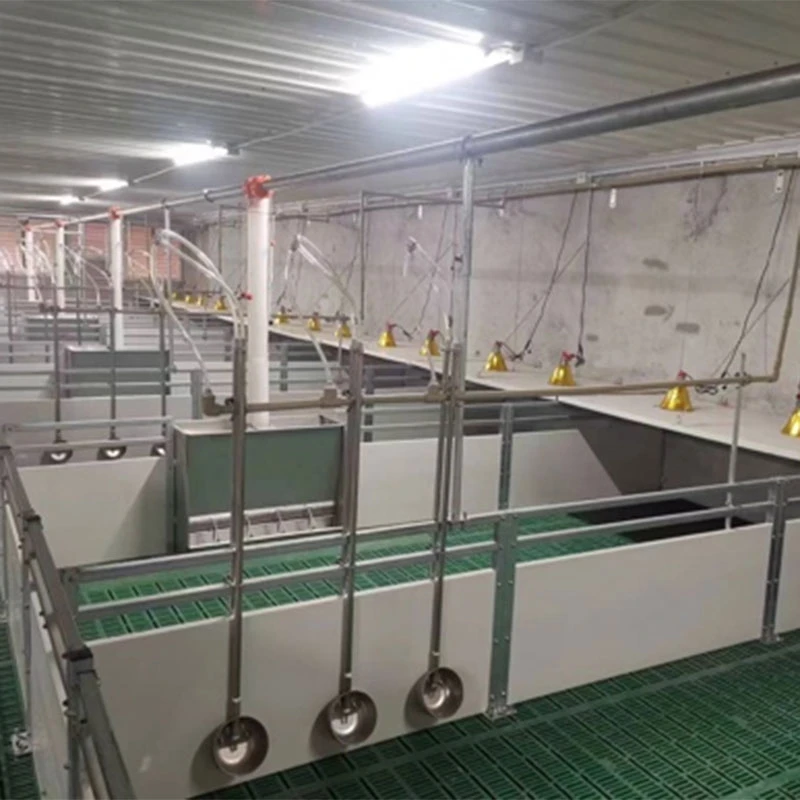
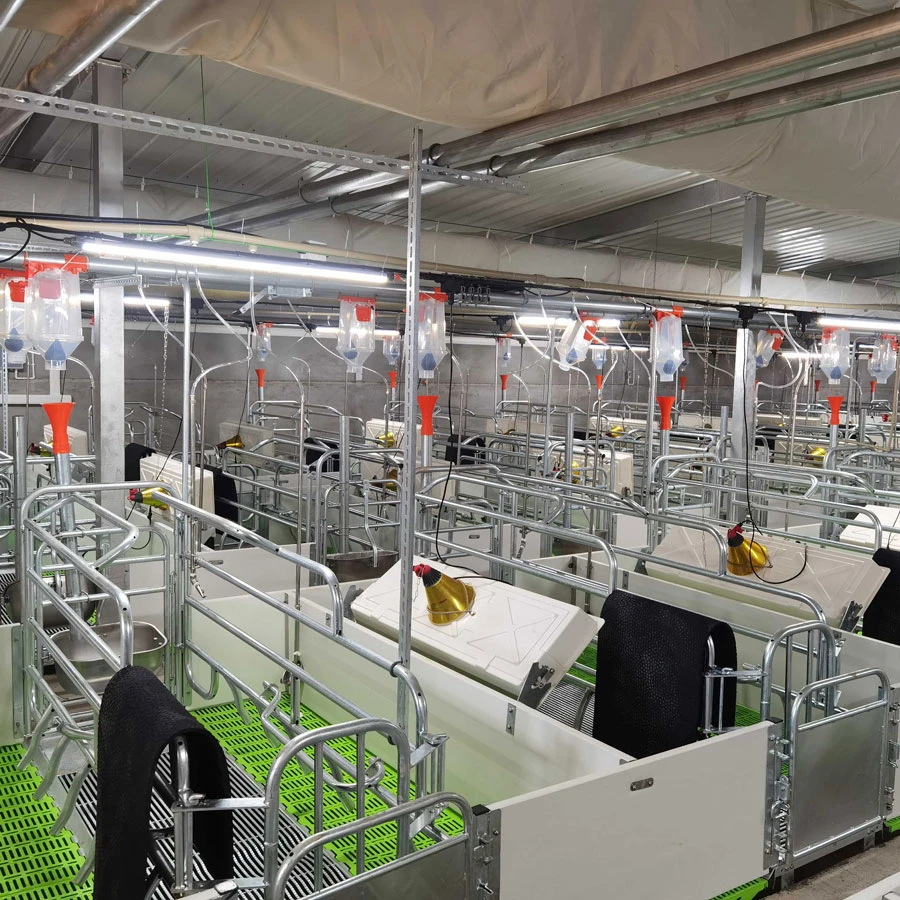
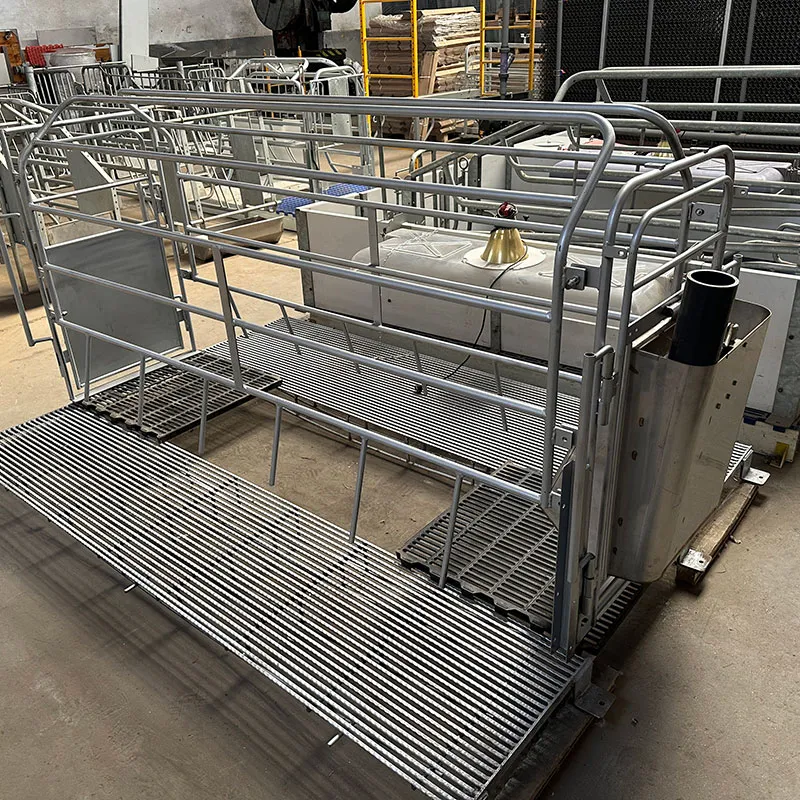
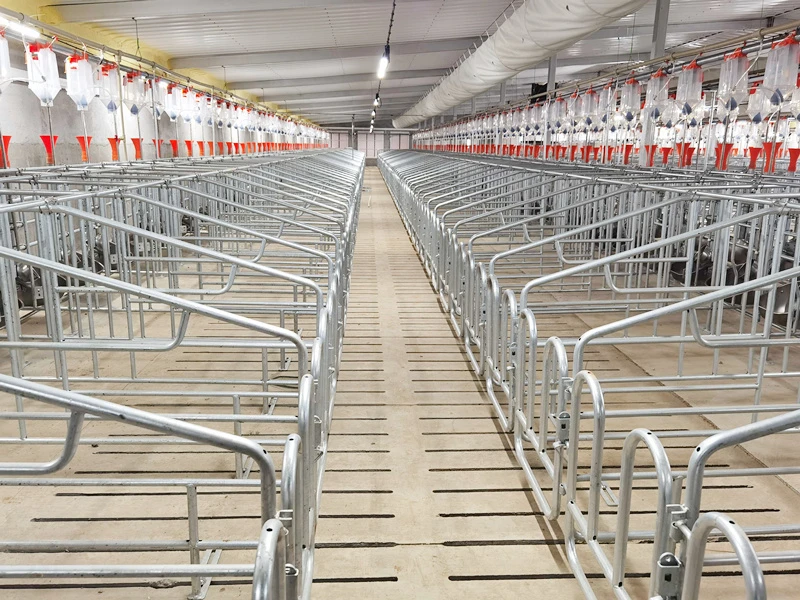
Simply put, a gestation crate is a sturdy, confined pen where a pregnant sow is housed during her roughly 114-day gestation period. Typically measuring about 2 meters long and 60 centimeters wide, these crates prevent sows from turning around but allow standing up and lying down.
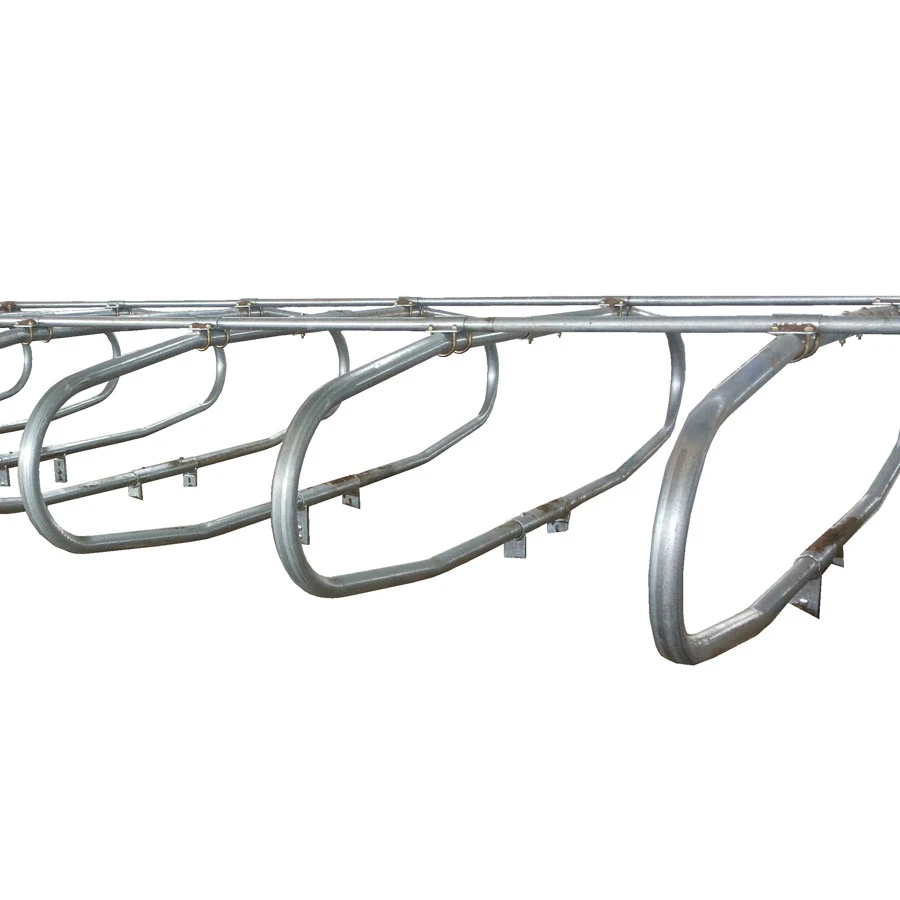
Invented to reduce sow aggression and optimize feeding, these crates are made from steel bars, often galvanized to withstand harsh farm environments. The confined space allows farmers to monitor individual feeding, health, and behavior more closely.
This setup arose out of a mix of pragmatic farming needs and, frankly, economic efficiencies—less fighting means fewer injuries, less feed waste, and streamlined operations. But as society’s sensitivity to animal welfare increases, so too does the scrutiny on such confinement.
Key Features that Define a Gestation Crate
- Dimensions & Material: Steel or sometimes high-strength alloys, designed for durability and easy sanitation.
- Space Efficiency: Designed to house sows individually in narrow spaces to save floor area on commercial farms.
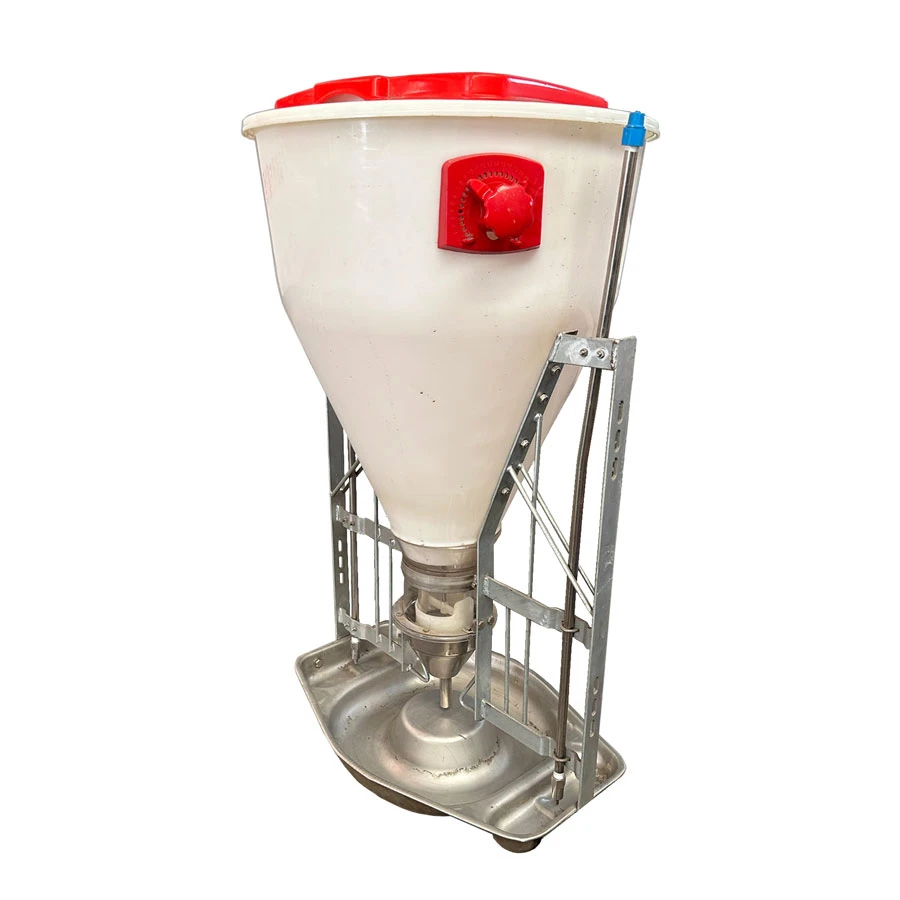
- Feed and Water Access: Typically integrated feed troughs and nipple drinkers to ensure individual feeding.
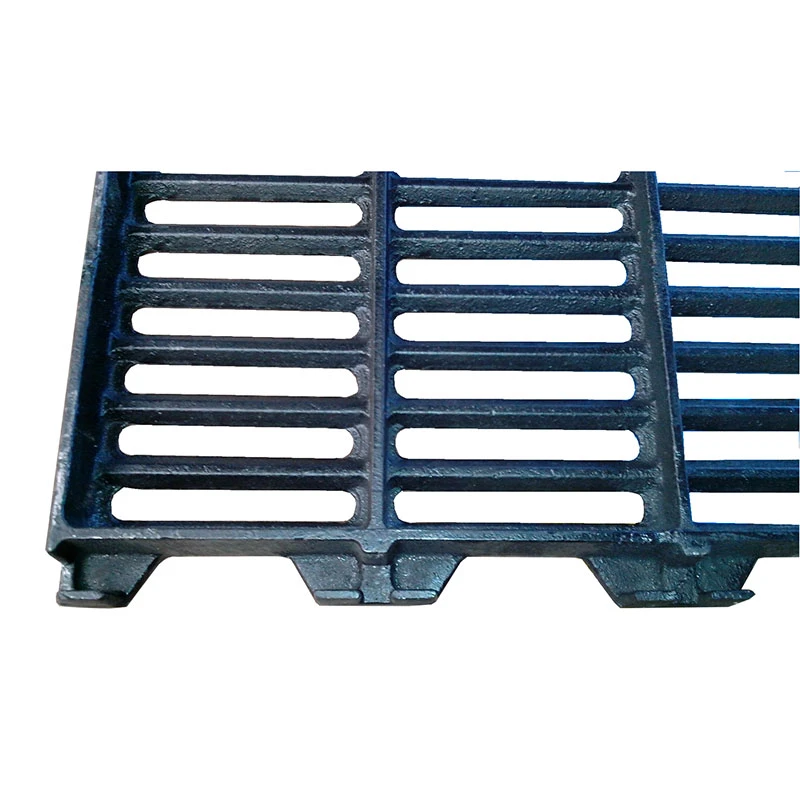
- Waste Management: Slatted floors or gutters underneath to handle waste without requiring removal of the sow.
- Compliance & Safety: Built to meet standards such as the International Organization for Standardization’s (ISO) guidelines for animal welfare and farm safety.
Mini takeaway:
Gestation crates are specialized enclosures balancing animal welfare, farm management, and economic pressures—designed to meet the strict demands of modern commercial swine production.
Core Components and Practical Considerations of Gestation Crates
1. Durability and Material Selection
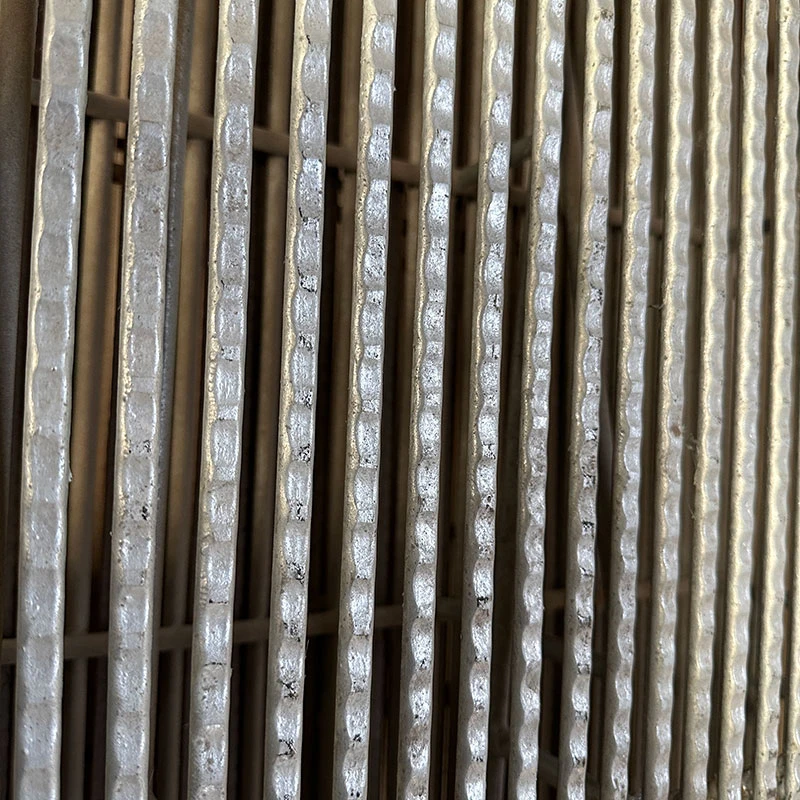
Most gestation crates are crafted from galvanized steel for its corrosion resistance and strength. This matters because farms must endure constant cleaning, humidity, and animal stress. Some newer designs explore stainless steel or coated alloys to extend lifespan and reduce maintenance.
2. Animal Welfare Compliance
One cannot talk about gestation crates without addressing the ethical and legal frameworks. Modern crates often incorporate adjustable widths, softer flooring to prevent sores, and design features to minimize stress (based on ISO standards and recommendations by animal welfare bodies).
3. Cost Efficiency
Because gestation crates enable individual feeding, farms report significant savings through reduced feed wastage and better health monitoring. Yet, the upfront investment in quality crates and their installation can be high, making cost an ongoing balancing act.
4. Scalability and Modular Design
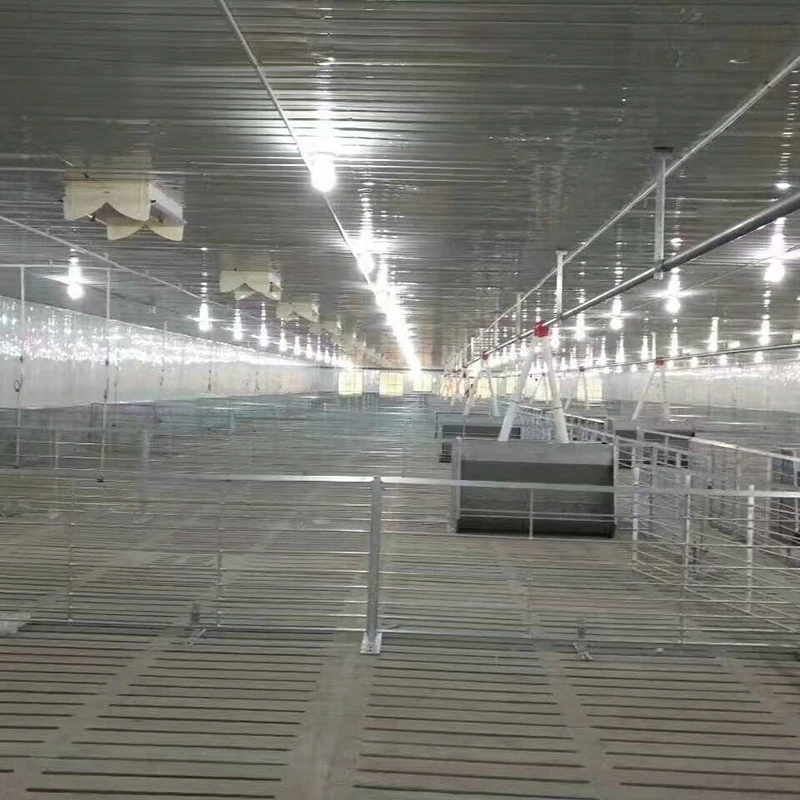
Farms range from small family businesses to massive industrial operations housing thousands of sows. Modular crate systems that snap or bolt together enable flexible scaling and space utilization — a critical factor in maximizing profit margins and adapting to regulations.
5. Maintenance and Sanitation
Nearly every design now incorporates features for easy cleaning, such as smooth bars, removable feed trays, and slatted floors that drain waste quickly. These elements reduce disease outbreaks, which can devastate entire herds.
Mini takeaway:
A successful gestation crate system is more than just metal bars — it’s a carefully engineered balance of durability, ethical design, cost, and practical upkeep.
Real-World Use: Where and How Gestation Crates Are Used Globally
In countries like China, the USA, and Brazil — the leading pork producers — gestation crates remain a backbone of commercial pig farming. Their use is especially prevalent in large-scale, vertically integrated farms where efficiency and animal health monitoring are paramount.
Meanwhile, European Union countries have largely moved towards group housing driven by legislation, though some farms still use crates during early pregnancy stages for management purposes.
In regions recovering from disasters or with limited infrastructure, such as parts of Southeast Asia, gestation crates help local farmers maintain herd health and reduce losses by preventing injury during gestation phases.
Organizations advocating better livestock management, such as the UN’s Food and Agriculture Organization, often weigh the benefits of such crates against welfare concerns in their policy guidelines.
Advantages and Long-Term Value of Using Gestation Crates
- Injury Prevention: By isolating sows, crates reduce fights and bruising, leading to better health and less veterinary intervention.
- Precision Feeding: Farmers can tailor feed quantities to each sow’s needs, minimizing waste while optimizing nutrition.
- Operational Efficiency: Streamlined daily routines and monitoring translate to cost savings and increased productivity.
- Welfare Enhancements: Newer crate designs attempt to balance confinement with comfort, offering sows more freedom to move slightly.
- Traceability and Management: Individual housing makes record-keeping on each sow’s pregnancy, health, and productivity easier and more accurate.
Looking Forward: Innovations Shaping the Future of Gestation Crates
Frankly, the gestation crate is a bit of a moving target. As public pressure mounts, many manufacturers are innovating with adjustable crates, integrating sensors to monitor sow health automatically, or employing sustainable materials.
Automation is another frontier. Imagine crates that adjust their size dynamically or environmental controls that modulate temperature and lighting to reduce stress without farmer intervention.
Green initiatives are encouraging the use of recycled metals and lower-impact manufacturing processes. Even smart farming technologies are applied — pig movement trackers, early illness detection, and remote management tools.
Challenges and Solutions in Current Use
The main ongoing challenge is the welfare controversy. Critics argue crates prevent sows from expressing natural behaviors, risking stress and physical harm. Additionally, in tropical climates, heat stress within confined crates demands improved ventilation.
Experts propose solutions such as:
- Wider or adjustable crates allowing more natural movement.
- Soft flooring materials or mats to improve sow comfort.
- Enrichment objects inside crates to reduce boredom and stress.
- Transitioning gradually to group housing with individual feeding stalls.
- Technological monitoring to identify individual needs more precisely.
FAQ: Practical Questions Around Gestation Crates for Pigs
- Why use gestation crates instead of group pens?
- Gestation crates reduce aggression-related injuries by isolating sows, allow precise feeding, and make monitoring easier. Group pens promote natural behaviors but can increase fighting and uneven feeding.
- How long is a sow kept in a gestation crate?
- Sows are generally confined during their entire 114-day pregnancy, though some farms may use crates only during early gestation, moving sows to group housing later.
- Are gestation crates legal everywhere?
- No. The EU, some US states like California, and parts of Canada have banned or restricted crates. Other global regions still widely use them, often under welfare guidelines.
- Can gestation crates be eco-friendly?
- Yes, through use of recycled materials, coatings to extend crate life, and designs that reduce waste and energy use, crates can be part of sustainable farming solutions.
- How do I choose the right gestation crate system for my farm?
- Consider farm size, local regulations, budget, welfare standards, and whether you want modular or fixed designs. Consulting suppliers with proven track records is also key.
Specification Table: Typical Gestation Crate Features
| Feature | Specification | Comments |
|---|---|---|
| Material | Galvanized Steel | Corrosion-resistant; durable |
| Dimensions | 2.0m (L) x 0.60m (W) | Standard sizing for adult sows |
| Flooring | Slatted Concrete or Plastic mats | Drainage, waste management |
| Feed Access | Fixed Trough or Individual Feeders | Supports controlled feeding |
| Water Supply | Nipple drinkers | Fresh, hygienic water delivery |
Vendor Comparison: Major Gestation Crate Suppliers
| Supplier | Material Quality | Customization Options | Compliance Support | Price Range |
|---|---|---|---|---|
| AgriBarriers Inc. | High-grade galvanized steel | Modular sizes, adjustable widths | ISO and EU welfare compliant | $$$ |
| SowSafe Systems | Stainless steel option available | Integrated sensor technology | Supports US and CA regulations | $$$$ |
| FarmTech Solutions | Standard galvanized steel | Basic fixed sizes | Meets minimum welfare criteria | $ |
Wrapping Up: Why Understand Gestation Crates for Pigs?
In the balance between animal welfare and farm production efficiencies, gestation crates for pigs remain a hot topic. Knowing what they are, why they matter globally, and how innovations are shaping their future can help farmers, policymakers, and consumers alike make informed decisions.
If you’re managing a farm or just curious about how pork gets from farm to fork, it’s worth exploring the nuances of these crates — where the practical chemistry of metal bars meets the ethics of care and sustainability.
For a deeper dive, technical specs, and trusted supplier info, visit our website: gestation crate for pigs.
References:
Post time: Dec . 02, 2025