Understanding Gestation and Farrowing Crates: Why They Matter Globally
When you hear the phrase gestation and farrowing crates, you might picture some kind of industrial cage. But these specialized enclosures are far more nuanced—they’re critical structures designed to support sow welfare, ensure piglet survival, and boost productivity in the global pork industry. Worldwide demand for pork keeps increasing, with the UN FAO reporting over 360 million metric tons produced yearly, and managing breeding sows efficiently has become a priority.
Grasping how gestation and farrowing crates work—and their role in modern husbandry—helps us appreciate their influence not only on animal welfare but also on farming economics, food security, and sustainable practices.
Introduction: The Global Context of Pig Farming Challenges
Pork ranks as one of the most consumed meats globally, and managing breeding sows across vastly different climates, economies, and farming traditions has always been a challenge. According to the World Bank, intensive pig farming is particularly important in Asia and Europe, which together account for over 70% of production. Now add the pressure of feeding a growing global population alongside environmental and ethical concerns—and you realize why solutions like gestation and farrowing crates are in the spotlight.
Yet, these systems also face criticism around confinement and welfare. How to balance the practical needs of sows and piglets with evolving standards? That’s the challenge driving innovation and debate.
What Exactly Are Gestation and Farrowing Crates?
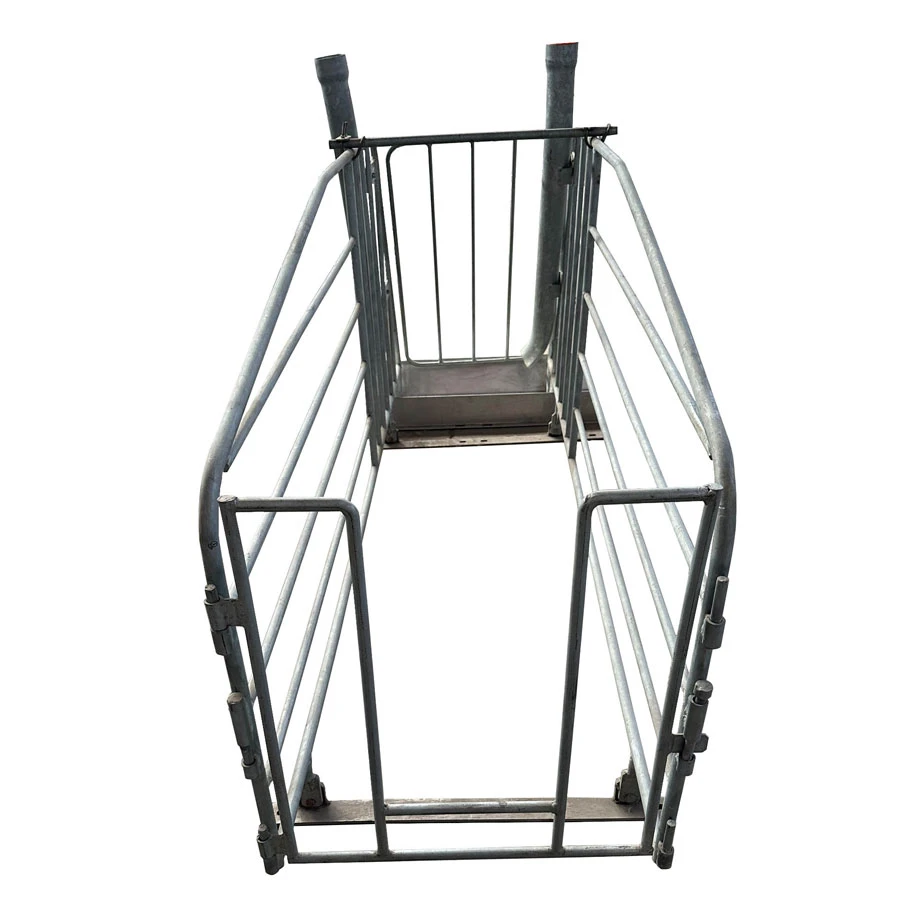
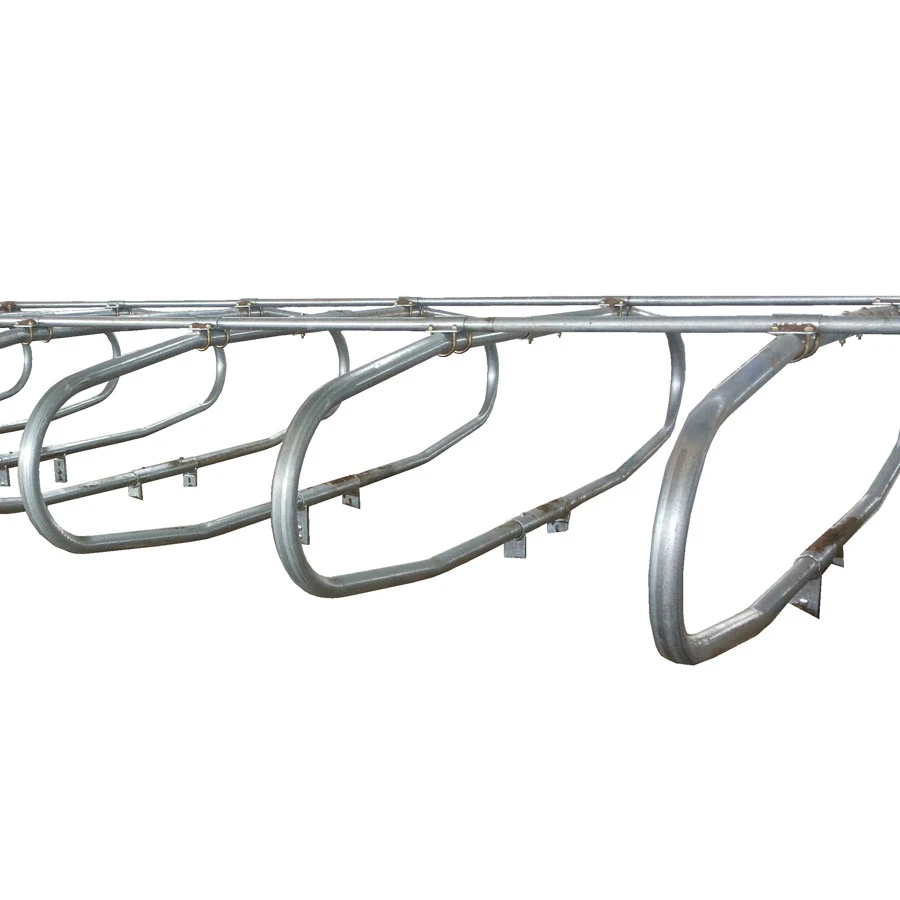
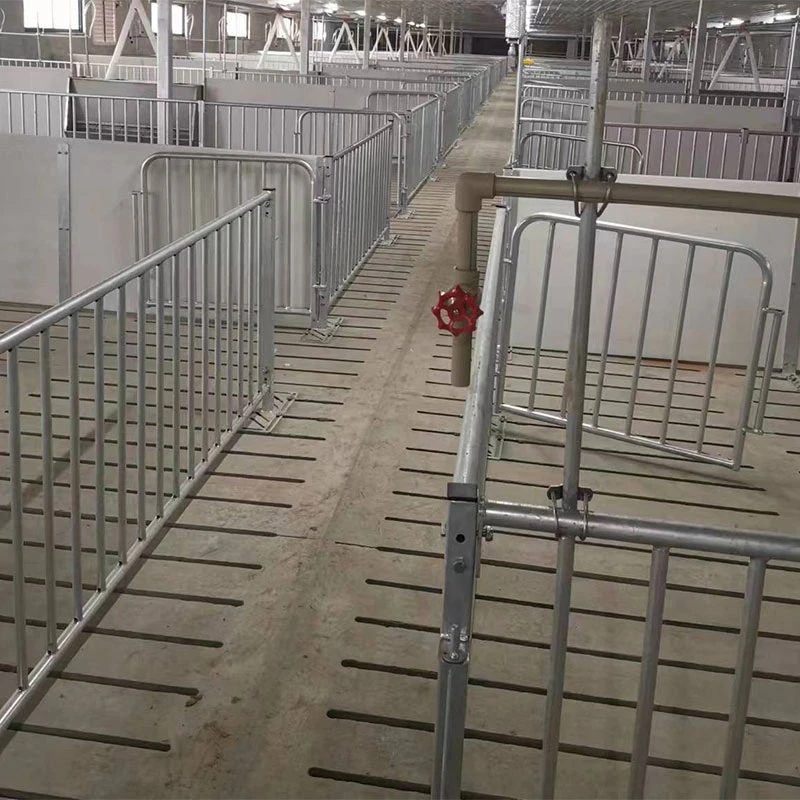
Simply put, gestation crates are narrow enclosures where pregnant sows are housed during most of their pregnancy, limiting movement to reduce aggressive behavior and injury. Farrowing crates, meanwhile, are for the birthing phase, designed to protect piglets from being crushed while allowing sows to nurse.
These crates connect deeply with modern food production imperatives—providing controlled environments that improve survival rates and farm efficiency, which is vital as global demand pushes producers to raise more pigs using fewer resources.
Core Components and Key Factors of Crate Design
Durability and Material Choices
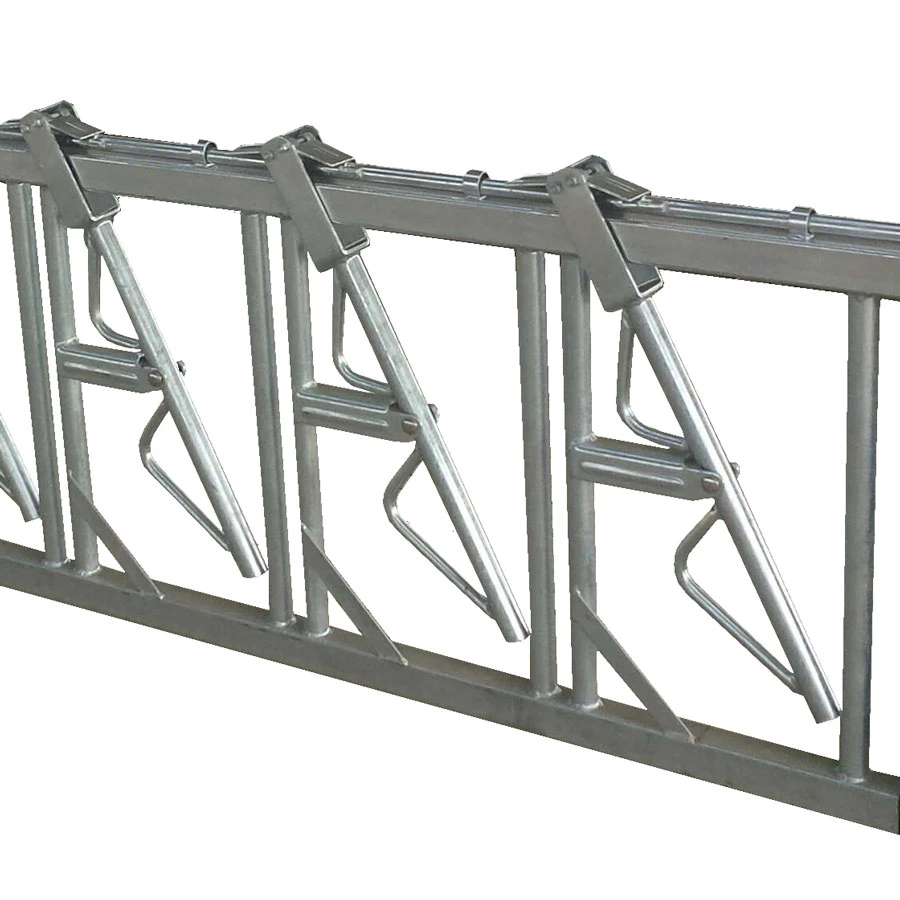
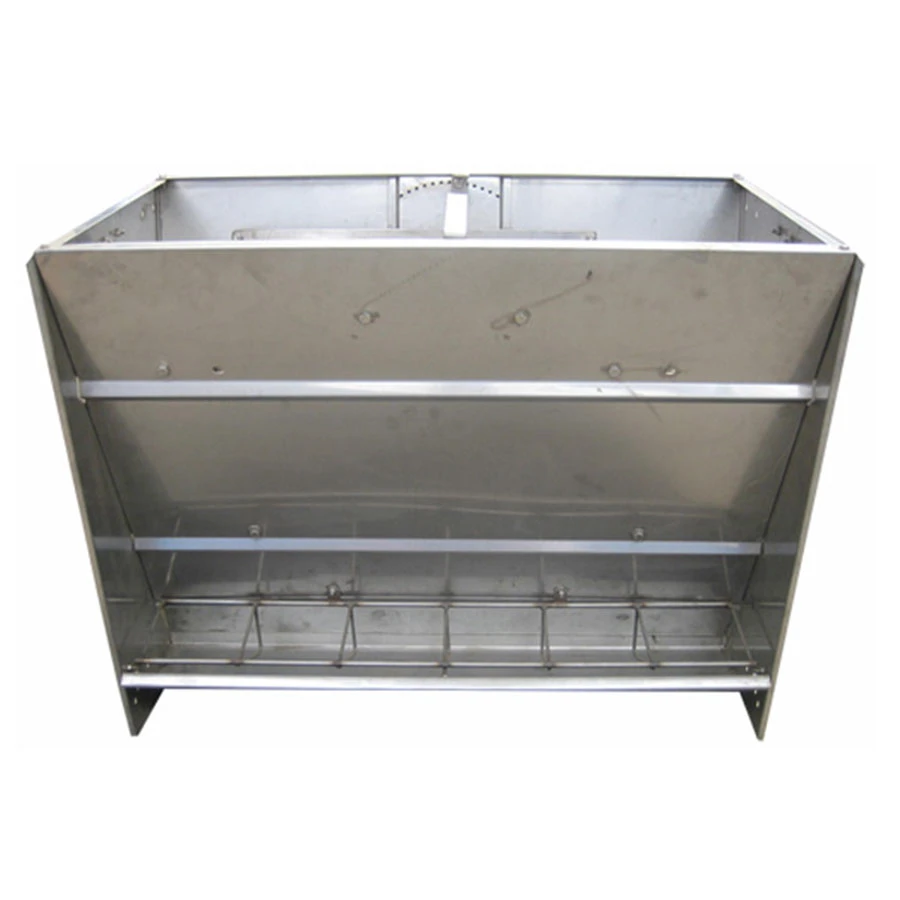
Since crates face heavy daily use and exposure to moisture, they’re usually made from galvanized steel, stainless steel, or treated plastics. Durability isn’t just about lasting years; it’s about safety—sharp edges or rust can injure sensitive animals and stress staff.
Space and Comfort Considerations
Modern designs aim to optimize space with adjustable widths and lengths, responding to different sow sizes. Research suggests improving comfort can reduce stress and improve reproductive performance, though it’s a balancing act with farm footprint and costs.
Hygiene and Cleaning Efficiency
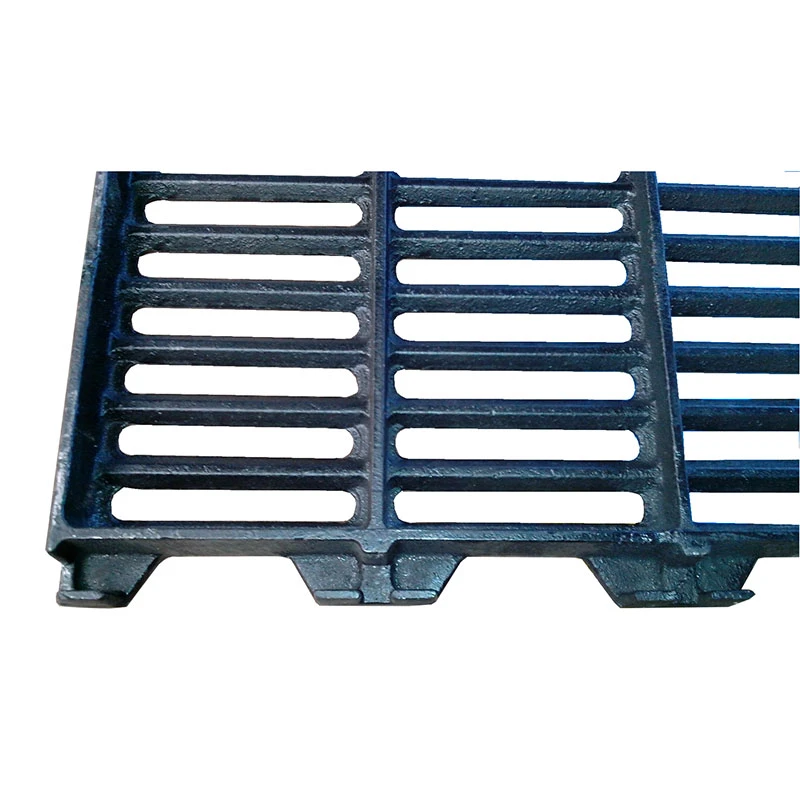
Easy-to-clean surfaces and slatted floors help control disease and make daily maintenance easier. This practical aspect often gets overlooked but accounts for big differences in herd health and operation scales.
Safety Features for Sow and Piglets
Farrowing crates often include barriers or rails to prevent crushing piglets. Yet, designs continue evolving to promote more natural sow movements without compromising piglet safety—an ongoing industry focus.
Mini takeaway:
Designing gestation and farrowing crates involves juggling durability, animal comfort, hygiene, and safety—all essential to modern pig farming success.
Global Use Cases: How These Crates Fit into Real-World Farming
In Europe and North America, strict welfare regulations have pushed producers to adopt enriched or larger crate systems. Japan and South Korea use them extensively to meet high-quality standards and maintain biosecurity. Meanwhile, in Brazil and China—two pork powerhouses—cost-efficient, scalable crate designs are critical for mass production.
Interestingly, smallholder farms in developing countries often adapt simpler, less confined structures due to resource constraints, highlighting how crate design impacts—and is shaped by—local needs.
Real-life example:
A large Danish farm recently upgraded to movable farrowing crates, improving piglet survival rates by 15%, while reducing cleaning times by nearly 30%. These data points underscore the direct business value.
Advantages and Long-Term Value of Proper Crate Systems
- Cost Efficiency: Reduced piglet mortality means an immediate ROI, despite initial investment.
- Sustainability: By improving feed conversion and herd health, crates help lower the carbon footprint per kilogram of pork produced.
- Worker Safety and Welfare: Well-designed crates reduce injury risks to handlers and facilitate easier strain management.
- Animal Welfare: Though controversial, optimized crate designs can support better sow comfort and piglet care than traditional pens.
In real terms, many farmers find themselves balancing empathy for animals with the pragmatic demands of global livestock production.
Product Specification Table: Typical Gestation and Farrowing Crate Features
| Feature | Typical Value or Description |
|---|---|
| Material | Galvanized steel frame with coated mesh or plastic slats |
| Length | 1800–2200 mm (adjustable in some models) |
| Width (Gestation) | 600 mm typical, some designs up to 700 mm |
| Width (Farrowing) | 800–900 mm with piglet protection rails |
| Weight Capacity | Fits sows up to 300 kg comfortably |
| Floor Type | Slatted plastic or steel for drainage |
Vendor Comparison: Leading Gestation and Farrowing Crate Systems
| Vendor | Design Highlights | Price Range | Warranties & Service |
|---|---|---|---|
| AgriCrate Solutions | Adjustable width, corrosion-resistant coating | $220–$280 per unit | 3 years warranty, 24/7 support |
| SwinePro Equipments | Eco-friendly plastics, ergonomic design | $250–$320 per unit | 5 years warranty, onsite consultation |
| BioFarm Structures | Modular system, easy to expand | $200–$270 per unit | 2 years warranty, remote setup guidance |
Looking Ahead: Future Trends and Innovations
The industry isn’t standing still. There’s growing interest in automated systems integrating sensors to monitor sow health and environmental conditions — turning crates from passive structures into smart enclosures. Innovations in sustainable materials, like recycled composites, also promise to lower environmental impact. And policy shifts in welfare legislation across Europe and parts of North America are pushing manufacturers to rethink restrictive layouts, favoring enriched crates that allow more mobility.
Facing Challenges: Insights and Solutions
Confinement criticism is genuine; long-term restriction can cause stress or muscle issues in sows, leading some farmers to seek alternative housing. However, there’s no one-size-fits-all fix. Experts recommend phased approaches: using crates during critical gestation phases paired with group housing later. Advances in design enable faster cleaning and better ventilation, easing the traditional pain points.
It’s a landscape of trade-offs, innovation, and conversation—making the technology feel a bit like a work in progress, but a vital one.
FAQ: Common Questions About Gestation and Farrowing Crates
- Are gestation crates legal everywhere?
- Not exactly. Many European countries have banned or restricted gestation crates, favoring group housing. In the US and Asia, use varies by state and farming scale. It's best to check local regulations.
- How do farrowing crates reduce piglet mortality?
- By limiting sow movement and adding piglet protection rails, these crates reduce the risk of piglets being accidentally crushed after birth, especially in critical first days.
- Can these crates be customized for different farms?
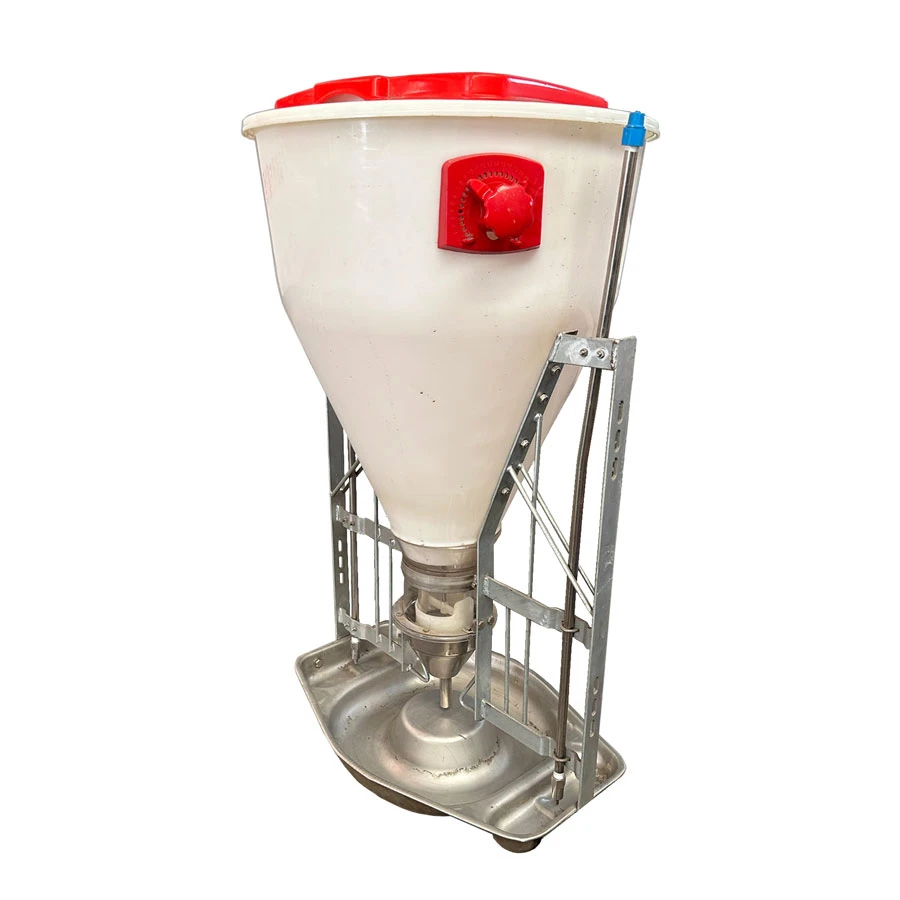
- Yes, most vendors offer adjustable dimensions, different materials, and optional accessories like heating pads or feeding systems, ensuring they fit specific farm needs.
- What is the typical lifespan of a gestation crate?
- With proper maintenance and quality materials, crates can last 5–10 years or even longer, though exposure to moisture and chemicals requires regular inspections.
- How do these crates impact sow welfare?
- While crates limit sow movement, modern designs and management practices aim to minimize stress and allow natural behaviors during key periods. It's an evolving field balancing welfare and productivity.
Conclusion: Why Gestation and Farrowing Crates Remain Essential
Gestation and farrowing crates are more than metal frameworks—they’re part of a complex, global solution balancing animal welfare, food production, and ethical farming. They contribute tangibly to survival rates, sustainable practices, and worker safety, even as innovation continues to push their designs toward better comfort and smarter management.
If you're in the livestock business or simply curious about modern agriculture, visit our website for detailed product info and thoughtful insights on the future of pig husbandry.
References & Further Reading
Post time: Dec . 02, 2025