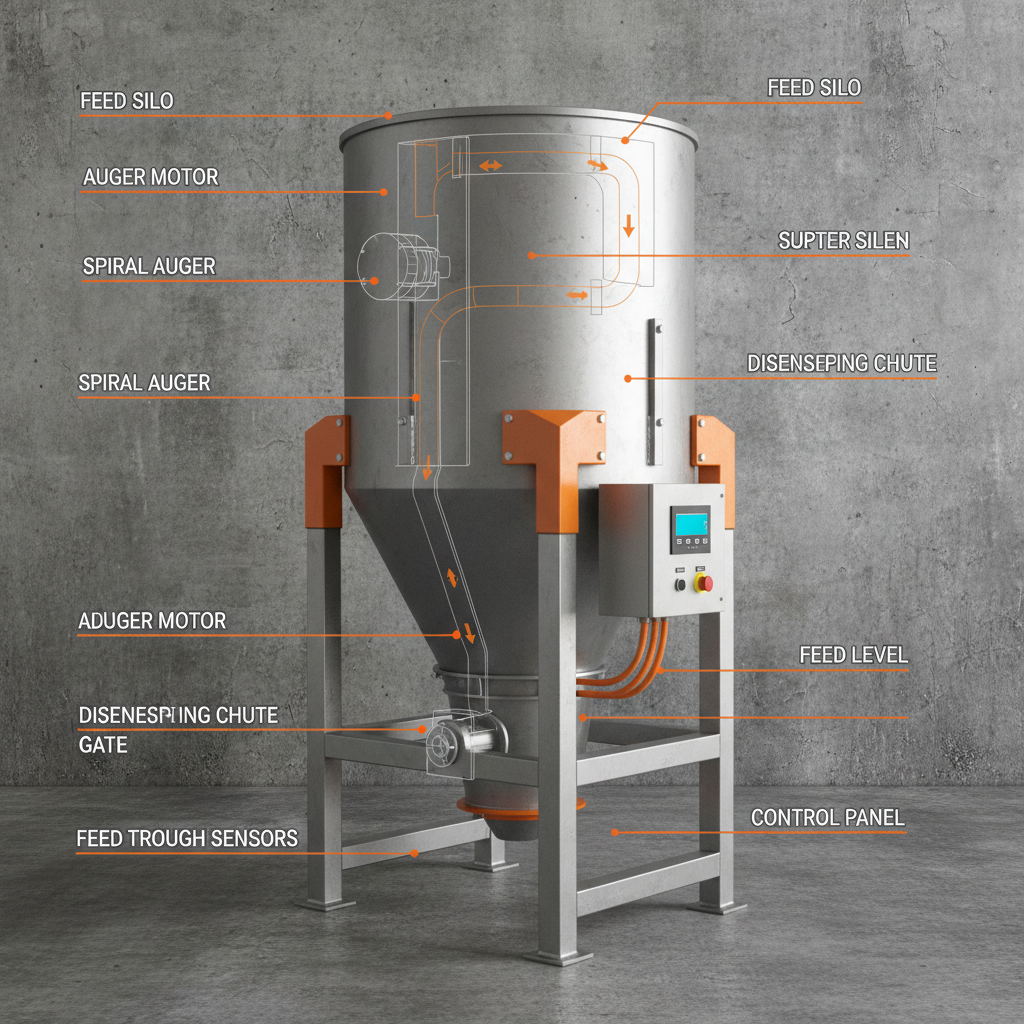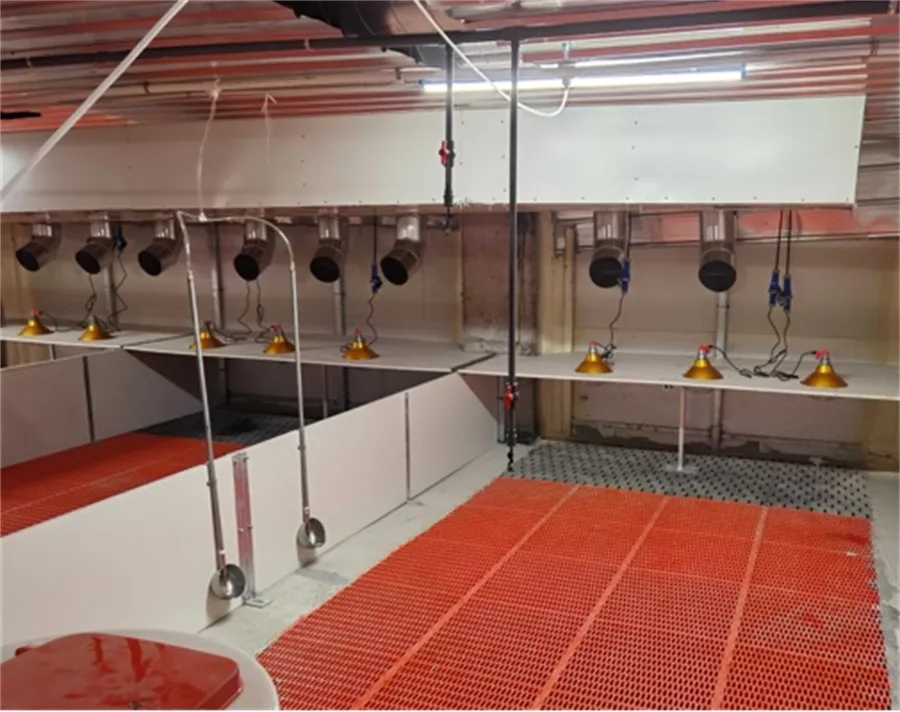
Understanding the Importance of a Trough for Cattle in Modern Agriculture
Ever paused to think about the humble trough for cattle? It may seem like a simple piece of equipment — and it is — but its role in global agriculture is surprisingly crucial. At its core, a trough for cattle offers a reliable way to deliver water or feed, but it’s far more than just a container. In reality, a well-designed trough touches on animal welfare, farm efficiency, environmental sustainability, and even food security worldwide.
Why does this matter globally? Well, the UN’s Food and Agriculture Organization estimates that nearly 70% of agricultural land supports livestock, making cattle an essential source of milk, meat, and leather. Ensuring cattle get clean water and nutritious feed efficiently is key not only for animal health but also for farmers' economic success and ultimately, the global food supply chain. Understanding troughs means understanding part of that big puzzle.
Mini takeaway: A trough for cattle is not just a farm staple; it's a linchpin for better livestock management worldwide.
The Global Context: Tackling Challenges in Livestock Feeding
Across the world, cattle farming spans from small farms in India and Africa to massive ranches in the US and Brazil. The global cattle population hovers around 1.4 billion—and that’s a lot of mouths to feed and water. According to the World Bank, livestock farming employs over 1.3 billion people worldwide, emphasizing just how critical efficient feeding methods are.
But here’s the rub: delivering feed and water consistently and hygienically is challenging, especially in developing regions and harsh climate zones. Poorly designed troughs can lead to contamination, feed waste, and even animal injuries. This challenge impacts not only the health of herds but also farmers’ livelihoods and food price stability. “Trough for cattle” solutions, therefore, are evolving to address these very practical hardships.
Mini takeaway: Modern trough solutions are vital for overcoming regional challenges—from drought-prone areas to large-scale industrial operations.
What Exactly Is a Trough for Cattle?
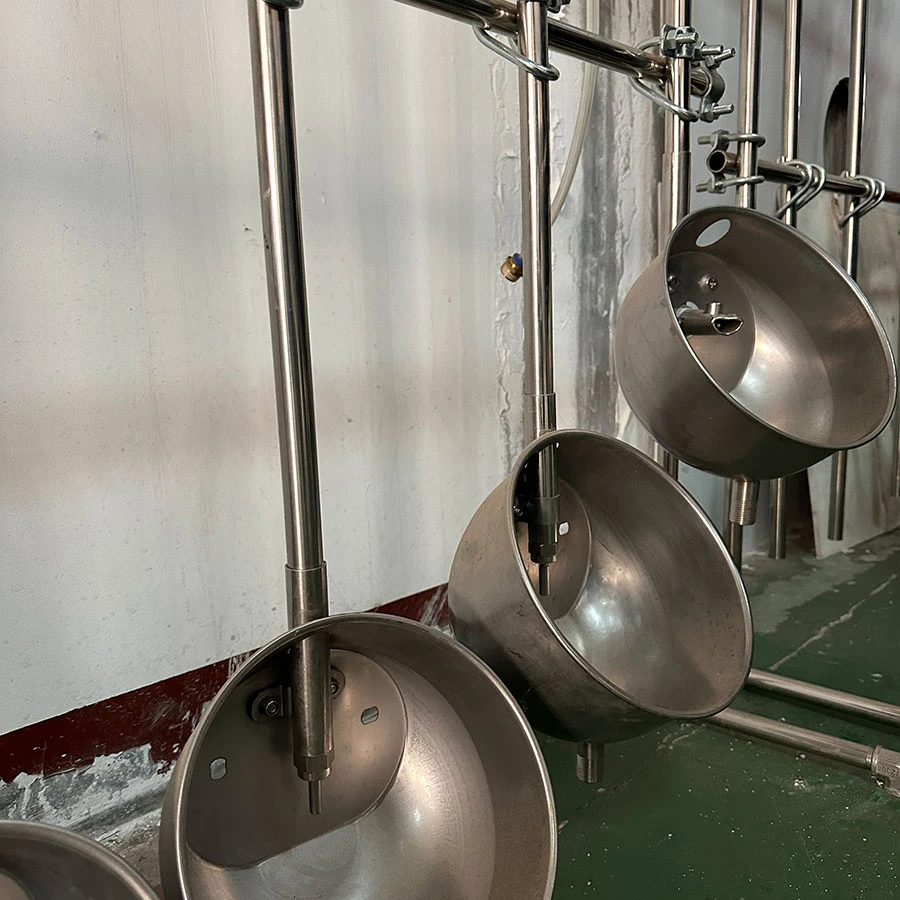
Simply put, a trough for cattle is a receptacle or container used to hold water or feed so that cattle can easily access it. Think of it as a communal dining spot for a herd. Beyond the basic purpose, though, troughs are designed to optimize feeding efficiency, reduce waste, and improve cleanliness.
In the context of modern agriculture and humanitarian aid, troughs also symbolize scalable livestock support systems—whether on a remote ranch or in post-disaster relief camps where water and feed access can be life or death. The right trough = better water hygiene, less resource waste, and healthier animals.
Mini takeaway: While the concept is straightforward, the design and implementation of cattle troughs have meaningful industrial and humanitarian implications.
Core Components of a Quality Trough for Cattle
1. Durability
Cattle habitats are tough environments—sun, rain, mud, and hefty, curious animals. Durability means using rust-resistant metals, heavy-duty plastics, or concrete that stand up to the test. Many engineers swear by galvanized steel for a perfect balance of strength and longevity.
2. Hygiene & Safety
Good troughs minimize contamination risks. Features like smooth, rounded edges prevent injuries. Materials that resist algae growth or that can be easily cleaned help avoid waterborne diseases.
3. Capacity & Scalability
Capacity matches herd size. Too small, and cattle fight or waste feed; too large, and resources idle. Some modular options let farmers “scale up” as their herds grow, which frankly feels a bit like the "Lego" of cattle powering.
4. Cost Efficiency
It’s not just about upfront price but also maintenance and replacement costs. Affordable, easy-to-repair designs win over fancy but fragile models, especially for smallholder farmers.
5. Environmental Adaptability
Some troughs are designed for extreme climates—insulated in freezing regions or shaded and ventilated in tropical zones. Sustainability features like solar-powered water pumps or recycled materials are newer but promising.
Mini takeaway: Durability, hygiene, scalability, affordability, and adaptability shape the best cattle troughs—each fulfilling a practical need on the farm or range.
How Troughs for Cattle Are Used Around the World
Applications vary widely. In industrial beef production in the US, massive steel troughs with automated refill systems keep thousands hydrated. In remote parts of Mongolia, nomadic herders rely on portable plastic troughs hauled by trucks to spot-graze herds.
- Post-Disaster Relief: NGOs use quick-deploy plastic or metal troughs to support herds displaced by drought or floods.
- Small-Scale Farms: Local designs often feature concrete or simple wooden troughs to balance longevity with cost.
- Green Ranching: Progressive farms experiment with solar-powered watering troughs linked to IoT sensors that track water levels and cattle health remotely.
These diverse uses show how flexible trough technology can be — and how meeting local challenges head-on is the secret to success.
Mini takeaway: Whether in mega-ranches or disaster zones, troughs are key infrastructure that make cattle farming viable and sustainable.
Advantages & Long-Term Value of Modern Troughs for Cattle
On the surface, a trough manages feed and water. But dig deeper, and you uncover benefits like:
- Cost savings: Reducing feed spillage and water evaporation lowers operating costs.
- Sustainability: Efficient troughs cut waste, pollution, and resource depletion.
- Animal welfare: Proper feeding reduces stress, disease risk, and improves growth rates.
- Trust & Reliability: Farmers can rely on long-lasting solutions that don’t break mid-season.
In the end, better troughs contribute to safer, more dignified farming—feeding not just cattle but communities.
Product Specification Table: Typical Trough Models
| Model | Material | Capacity (Liters) | Weight (kg) | Price Range ($) | Key Feature |
|---|---|---|---|---|---|
| SteelMax 500 | Galvanized Steel | 500 | 45 | 800 - 950 | Rust-resistant, heavy-duty |
| AquaLite 300 | Reinforced Plastic | 300 | 15 | 350 - 420 | UV-resistant, lightweight |
| ConcreteStrong 700 | Pre-cast Concrete | 700 | 250 | 600 - 700 | Permanent, vandal-proof |
Vendor Comparison: What to Expect Worldwide
| Vendor | Region | Product Range | Customization | Delivery Time | Price Level |
|---|---|---|---|---|---|
| FarmSupplies Co. | North America | Medium-Large steel, plastic | Yes, for bulk orders | 2-3 weeks | Mid-High |
| AgriTrough Asia | Asia | Plastic, lightweight models | Limited customization | 1-2 weeks | Low-Mid |
| EcoTroughs Ltd. | Europe | Eco-friendly, solar powered | Yes, bespoke design | 3-4 weeks | High |
Looking Ahead: Trends and Innovations in Cattle Troughs
The future of troughs for cattle feels kind of exciting if you think about it. Smart troughs equipped with sensors to monitor water levels, temperature, and even cattle health are beginning to hit the market. Imagine a trough for cattle that can notify farmers via smartphone if water runs low or algae starts to build up.
Materials are evolving too. Biodegradable composite troughs and recycled plastics address environmental impacts. Solar-powered automatic refill systems reduce labor and water waste in remote areas. Honestly, the planned integration with IoT is transforming what was once “just a trough” into a piece of precision livestock farming.
Mini takeaway: Combining digital tech and eco-conscious materials, future cattle troughs promise efficiency and sustainability.
Problems You Might Face—and How to Fix Them
Not everything is rosy. Common issues include:
- Water contamination: Dirty or stagnant water can spread disease.
- Physical wear and tear: Animals are rough, and troughs degrade.
- Feed waste: Poor design leads to costly losses.
Experts recommend:
- Regular cleaning schedules and water filtration systems to keep contamination in check.
- Choosing materials suited to your environment and investing in repairs early before damage worsens.
- Using adjustable feed rails and overflow guards to reduce spillage.
Sometimes, simple solutions like elevated troughs or shading structures can vastly improve utility and lifespan.
Frequently Asked Questions About Troughs for Cattle
- What material is best for long-lasting cattle troughs?
- Galvanized steel is often the go-to for durability and corrosion resistance, especially in outdoor settings. However, reinforced plastics excel in UV resistance and are lighter to move — making them suitable for certain farming systems. The choice depends on climate, herd size, and budget.
- How do I prevent water contamination in my cattle trough?
- Regular cleaning and water replacement are essential. Additionally, using trough covers, installing water filters, and ensuring good drainage around the trough reduce algae and bacteria buildup. Positioning the trough away from mud and direct sunlight also helps.
- Are automatic refill troughs worth the extra investment?
- For large herds or remote farms, yes. Automatic refill systems reduce labor, maintain constant water supply, and minimize wastage. They also integrate well with modern herd management technologies, making them a good long-term investment.
- Can troughs be customized for different cattle breeds or sizes?
- Absolutely. Many manufacturers offer adjustable rail heights and varying depths to accommodate different breeds, from smaller dairy cows to larger beef cattle. Customization ensures animal comfort and reduces injuries.
Conclusion: The Last Word on Troughs for Cattle
So, a trough for cattle might seem modest, but its impact stretches far and wide. From improving animal health and farm efficiency to promoting sustainability and supporting livelihoods across continents, the right trough really does matter. As technology and materials evolve, so too do the opportunities for better feeding solutions that respect both cattle and caretakers.
If you’re exploring ways to enhance your cattle feeding operations, understanding trough options is a smart first step. For more detailed info, personalized advice, or product selections tailored to your needs, visit us anytime at cxlivestock.com. Because at the end of the day, even the smallest changes in infrastructure can lead to big gains in agriculture.
References:
Post time: Dec . 02, 2025