What Is a Cattle Hurdle—and Why Should You Care?
If you’ve ever been near farms, livestock operations, or even a rural auction yard, chances are you’ve seen a cattle hurdle without giving it much thought. These seemingly simple fences or gates are, in fact, critical components for managing livestock safely and efficiently. Globally, the demand for effective cattle handling solutions continues to grow alongside the rise in cattle farming — a sector that according to the Food and Agriculture Organization (FAO), supports over a billion people worldwide.
Understanding what cattle hurdles are, plus how their design, material, and purpose intersect with agriculture, humanitarian aid, and transport systems, can unlock better practices globally. From ensuring animal welfare to improving farm worker safety, these structures matter beyond the farm gate.
Setting the Stage: Why Cattle Hurdles Matter Globally
Globally, cattle farming is huge business. According to the World Bank’s agriculture overview, livestock products now make up about 40% of global agricultural output value. And with population growth pushing demand for protein higher, efficient cattle handling is no luxury—it’s an operational necessity.
But here’s the challenge many face: how to move and handle cattle quickly, without stress or injury to animals and workers, particularly where resources or infrastructure are limited? For example, in sub-Saharan Africa—a region heavily reliant on livestock—the lack of robust cattle handling equipment can stunt productivity and strain rural economies.
That’s where the humble cattle hurdle comes in. It’s a core tool used in farms, fairs, auctions, and sometimes even humanitarian relief efforts where livestock forms a livelihood foundation. They enable easier movement, safe restraint, and help prevent chaotic incidents that could cost money, time, and wellbeing.
Defining the Cattle Hurdle
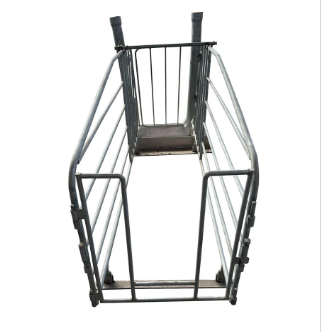
Simply put, a cattle hurdle is a portable or fixed fence panel designed to safely contain, guide, or divide groups of cattle during handling processes. While "hurdle" often conjures up images of obstacles in sports, in agriculture it’s more about controlled passage.
These panels are modular by design—built to be arranged quickly into pens, pathways, or loading chutes. Think of them as heavy-duty building blocks for temporary livestock enclosures. Depending on design, cattle hurdles can be free-standing metal frames, wooden fences, or even high-tech composites. Their versatility means they can adjust to many handling needs, from sorting animals to shipping them.
What Makes a Good Cattle Hurdle? Key Factors to Consider
Durability and Strength
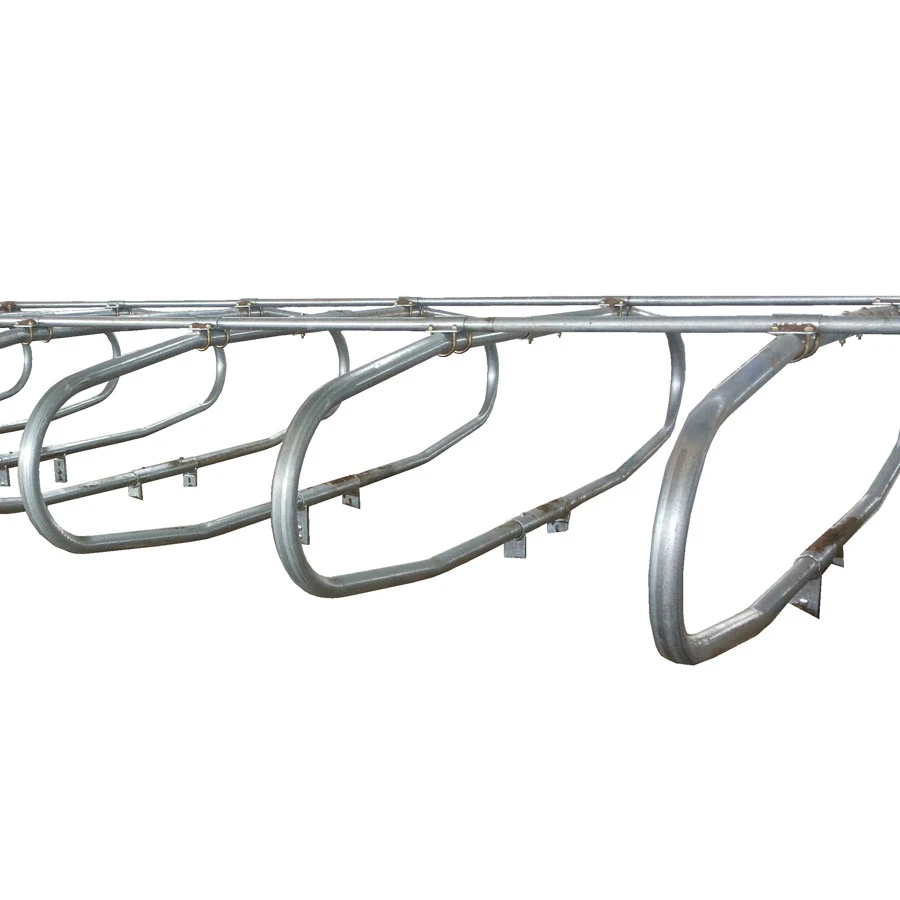
Cattle aren’t exactly subtle when stressed or curious—they push, lean, and sometimes try to escape. So, hurdles must withstand impact without bending or breaking. Most modern hurdles use galvanized steel pipes for rust resistance and long life. Some premium models add reinforced joints or thickened panels for added toughness.
Portability and Scalability
One reason hurdles are so popular is their modularity. Farmers can quickly reconfigure or expand setups to suit herd size or task changes. Lightweight hinges and stackable designs make transport and storage easier. Oddly enough, the best hurdles strike a balance: sturdy enough to hold big bulls, but light enough to move without heavy machinery.
Cost Efficiency
Budget-conscious operations want quality without sky-high prices. Steel hurdles come in a range of costs, often related to gauge, finish, and added features like anti-slip feet or easy-connect latches. The sweet spot is reliable performance at a price that fits an average farm’s reality.
Animal Welfare & Safety
The design should minimize injury risk—no sharp edges, or gaps that could trap legs or heads. Smooth finishes and consistent bar spacing help reduce bruising. Workers appreciate hurdles that maintain control without causing animal distress, promoting a calmer environment overall.
Ease of Use and Maintenance
Practicality counts for a lot. Hurdles that lock easily, fold conveniently, and require minimal upkeep score extra points. Galvanized or powder-coated finishes prevent rust and extend lifespan even with daily exposure.
| Feature | Typical Spec | Benefit |
|---|---|---|
| Material | Galvanized Steel, 38mm diameter pipe | Durable, corrosion-resistant |
| Dimensions | 2.4m length x 1.2m height | Easy to handle, effective containment |
| Weight | ~15kg per panel | Portable, manageable by two people |
| Finish | Hot-dip galvanizing | Long-term rust protection |
| Locking Mechanism | Spring-loaded latches | Fast assembly and secure connections |
Real-World Use Cases: From Remote Farms to Disaster Zones
Cattle hurdles aren’t just for everyday farming. In remote regions like parts of Australia and Kenya, they’re indispensable in managing vast, rugged cattle stations. When herders need to sort large herds or prep animals for transport hundreds of miles away, strong and light hurdles make the process safer and faster.
Interestingly, some NGOs working in disaster-prone zones employ cattle hurdles to create temporary livestock pens in refugee camps—helping families protect their valuable animals amidst displacement. The United Nations Development Programme (UNDP) mentions livestock asset protection as a critical step for economic recovery in such cases.
Also, commercial livestock fairs and auction houses in Europe and North America rely heavily on flexible hurdle systems to create pens shaping human and animal flow — minimizing injury risk on both sides.
Vendor Comparison: Finding the Right Cattle Hurdle Supplier
| Supplier | Material Quality | Price Range (USD) | Customization | Shipping Regions |
|---|---|---|---|---|
| FarmPro Equipment | Premium galvanized steel | $75 - $120 per panel | Yes, custom sizes/colors | North America, EU |
| Rugged Hurdle Co. | Standard steel, powder-coated | $50 - $90 per panel | Limited custom options | Global |
| CattlePro Solutions | Reinforced tubular steel | $100 - $150 per panel | Fully customizable | Most continents |
Advantages & Long-Term Value: Why Invest in Quality Cattle Hurdles?
One big benefit is obvious: safety. When cattle are easier to control, you avoid injuries not only to animals but to handlers too. This translates into fewer vet bills, fewer lost workdays, and less stress for workers. Then there’s durability, which means your initial investment pays off over years without costly replacements.
Beyond economics, many farmers describe the peace of mind they get from having reliable equipment that treats animals gently but firmly—important for both ethical and productivity reasons. Plus, good cattle hurdles often come with warranties or after-sales support, which reflects vendor confidence.
Looking Ahead: Trends & Innovations in Cattle Hurdle Design
My favorite part of talking cattle hurdles? Seeing how innovations continue to creep in, quietly but powerfully. For instance, some companies experiment with composite materials that combine lightness with toughness—think carbon fiber pipes instead of steel. These drastically reduce weight but keep strength.
Another trend is integrating IoT sensors into handling systems, allowing farmers to monitor movement patterns or gate positions remotely, reducing animal stress and improving workflow. Sustainability also drives new finishes — eco-friendly coatings that reduce chemical runoff.
I wouldn’t be surprised if, soon, we start seeing automated locking mechanisms or foldable door designs controlled with smartphone apps. The future may feel a little sci-fi, but the basics—durability, safety, and ease—remain at the core.
Challenges & How To Overcome Them
Of course, not everything is perfect. A common gripe is weight—some hurdles still require multiple people or equipment to move, which can slow setups. Also, cheaper panels sometimes sacrifice longevity, leading to safety risks.
Expert advice often points to investing upfront in corrosion-resistant finishes and modular designs that maximize usability. Also, training handlers on proper setup cuts down accidents. Some farms even hybridize permanent and portable systems to balance cost and flexibility.
FAQ: Frequently Asked Questions About Cattle Hurdles
- Q: How do cattle hurdles improve animal welfare?
A: By providing secure, stress-reducing environments during handling, hurdles reduce bruising and injury. Proper spacing and smooth finishes prevent limb entrapment and help cattle feel less anxious. - Q: Can cattle hurdles be used in extreme weather?
A: Yes, especially galvanized steel hurdles. They resist rust and corrosion caused by rain or humidity. Some designs incorporate wind braces for stability during storms. - Q: How quickly can I set up a cattle hurdle pen?
A: With two people, a modular system can be assembled in under 30 minutes. Features like spring-loaded latches simplify connections. - Q: Are there eco-friendly cattle hurdle options?
A: Emerging models use recycled steel and low-impact coatings. Some manufacturers also offer trade-in programs for recycling old panels. - Q: Where can I buy reliable cattle hurdles?
A: Several global suppliers exist (see vendor comparison above). Choose based on material quality, shipping options, and customization needs.
Wrapping Up: Your Next Step with Cattle Hurdles
So, cattle hurdles are more than just fences. They’re foundational to safer, smarter livestock handling worldwide—from family farms in Iowa to disaster relief camps in East Africa. Getting the right set for your needs can mean better animal health, fewer injuries, and greater operational efficiency.
Curious to explore top-tier options? Visit our website cattle hurdle for a range of products tailored to modern farming’s evolving challenges. Because sometimes, the difference between a good day and a bad day on the farm is just the right hurdle.
Post time: Dec . 01, 2025