The Quiet Backbone of Livestock Management: Understanding Cattle Dividers
Whether you’re new to livestock farming or managing sprawling ranches, cattle dividers might not always get the spotlight they deserve. Yet, these seemingly modest tools play a pivotal role in animal welfare, farm efficiency, and even global food security. As the world's population grows and demand for beef and dairy escalates, understanding how cattle dividers integrate into modern operations is more important than ever.
Why Should We Care About Cattle Dividers Globally?
It might surprise some, but livestock production contributes to nearly 40% of global agricultural GDP, according to the Food and Agriculture Organization (FAO). Much of that productivity hinges on effective herd management. Correctly designed cattle dividers reduce injuries, reduce stress, and streamline routine processes like vaccination and feeding. Think of them as quiet little heroes protecting livestock health worldwide—from huge industrial farms in the US to pastoral settings in sub-Saharan Africa.
What Exactly Are Cattle Dividers?
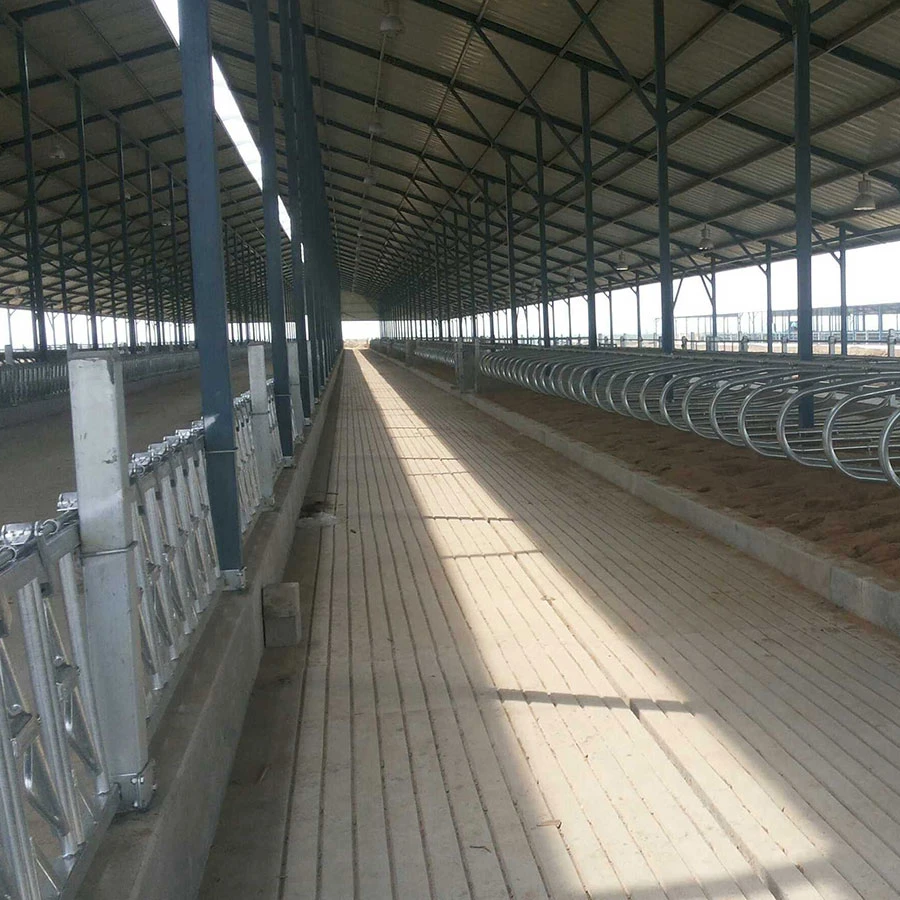
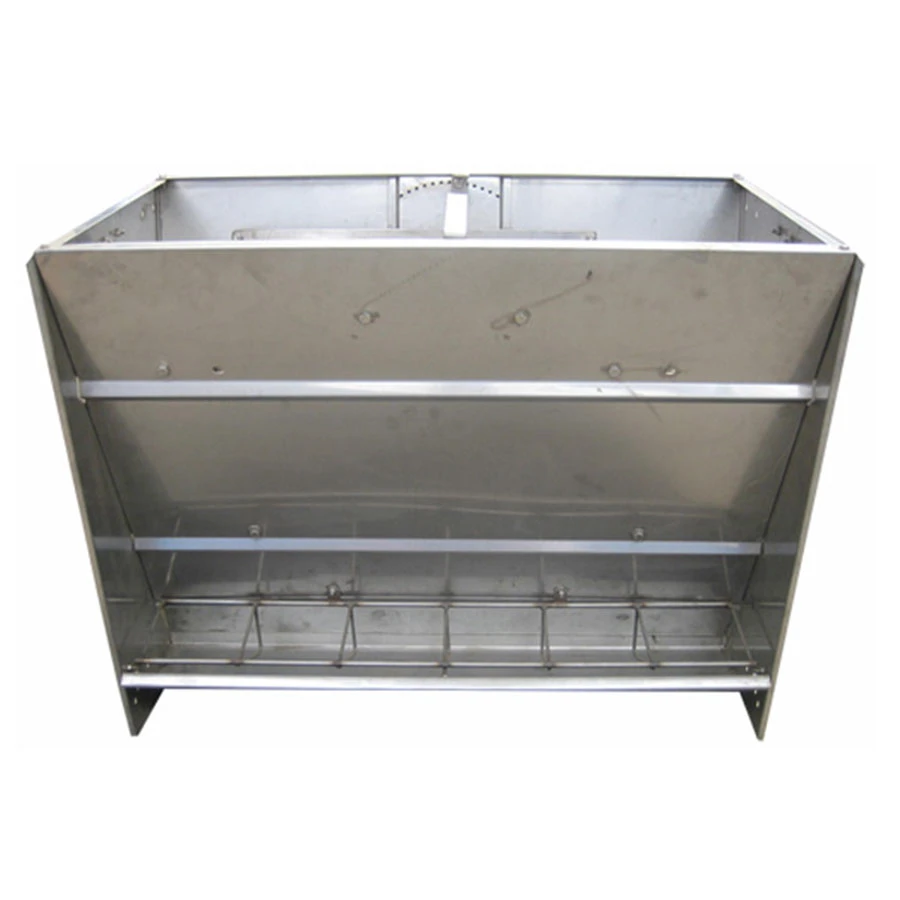
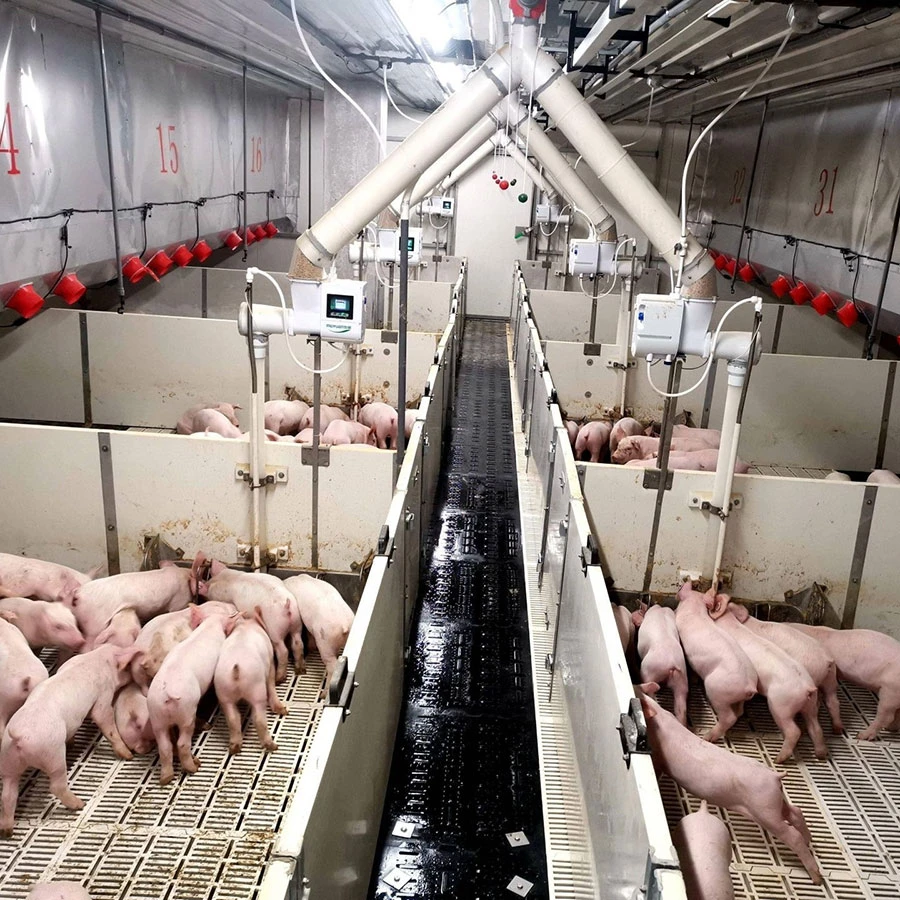
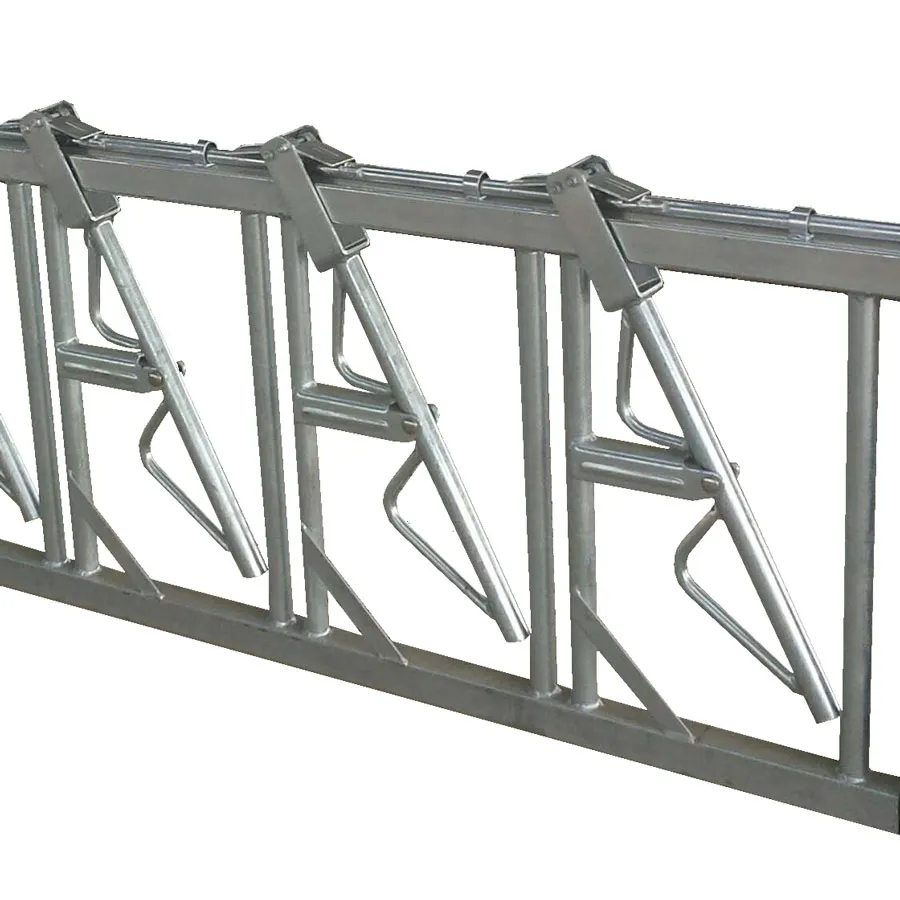
Simply put, cattle dividers are physical barriers or partitions used within livestock facilities to separate or group cattle. They can range from sturdy steel panels in feedlots to portable fencing in grazing pastures. Their primary purpose is to manage movement, control behavior, and ensure animals don’t harm each other or handlers, especially during critical activities like sorting or medical checks.
On a larger scale, the design and deployment of cattle dividers touch on not just farm productivity but also on animal welfare, echoing international standards like the ISO 34700 guidelines on animal handling.
Key Factors That Make Cattle Dividers Effective
1. Durability
Cattle aren't exactly dainty creatures, and they test any divider’s strength. The best dividers are often made of galvanized steel, resistant to corrosion and heavy impact. Because farms vary from humid tropical climates to cold northern pastures, durability against weather extremes is non-negotiable.
2. Mobility and Scalability
Depending on the operation scale, dividers need to be portable or fixed. Smaller farms often appreciate lightweight modular panels that can be repositioned quickly. Larger operations benefit from scalable systems that adapt to growing herd sizes without breaking the bank.
3. Cost Efficiency
Like most farm equipment, upfront cost balanced against lifespan matters. Efficient cattle dividers reduce labor costs by making handling safer and quicker — a win for both budget and safety.
4. Animal Welfare and Safety
Separating cattle calmly minimizes fighting and injury. Smart designs incorporate rounded edges, solid panels to stop visual contact when needed, and strategic gaps for ventilation without causing discomfort.
5. Ease of Installation and Maintenance
Time is money, and farmers need dividers that go up fast and hold up with minimal upkeep. Hinges, bolts, and fastening systems that resist rust and loosening under stress are highly valued.
Real-World Applications: Where Cattle Dividers Make a Difference
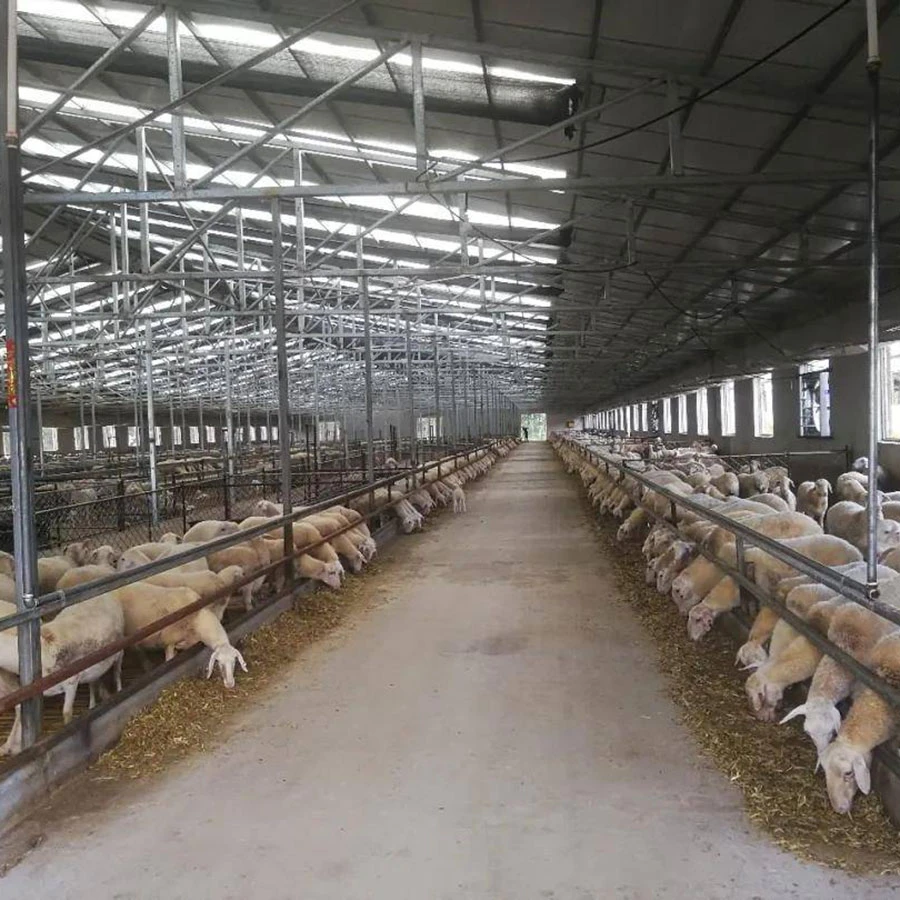
In traditional ranching communities across Australia and Brazil, cattle dividers support rotational grazing practices, protecting pastures and improving animal health. Meanwhile, large feedlots in the United States leverage high-strength dividers to streamline sorting during vaccinations or transport.
Emergency relief agencies also rely on portable cattle dividers in post-disaster scenarios to secure livestock quickly and safely, preserving the livelihoods of vulnerable farmers. As climate change prompts more frequent floods and droughts, this versatility becomes increasingly vital.
In industrial zones with limited space, compact divider systems help maintain high-density operations without compromising welfare standards. This balance between production and care is a growing global focus.
Advantages and Long-Term Value of Cattle Dividers
- Cost Savings: Reduced animal injury rates save veterinary bills and losses.
- Enhanced Safety: Protects both cattle and handlers during stressful tasks.
- Sustainability: Enables better pasture management and reduces overgrazing.
- Operational Efficiency: Faster processing means more time for other farm duties.
- Dignity and Welfare: Aligns with humane treatment that increasingly influences consumer markets.
Cattle Divider Specifications at a Glance
| Feature | Typical Value | Notes |
|---|---|---|
| Material | Galvanized steel or powder-coated aluminum | Chose for corrosion resistance and strength |
| Height | 1.2 to 1.5 meters | Sufficient to prevent jumping or climbing |
| Weight per Panel | 25-40 kg | Varies with size and material |
| Portability | Modular, stackable panels | Allows easy repositioning by one or two people |
| Fastening System | Bolt and hinge assemblies, quick-lock pins | Durable under outdoor conditions for years |
How Do Cattle Divider Vendors Compare?
| Vendor | Material Options | Customization | Price Range | Ideal Use |
|---|---|---|---|---|
| AgriSteel Ltd. | Galvanized steel | Panels, gates, custom sizes | $$$ | Large commercial operations |
| RanchPro Systems | Aluminum & steel hybrids | Modular, lightweight options | $$ | Mid-sized farms, mobile setups |
| FarmSafe Equip. | Powder-coated steel | Standard panels only | $ | Smallholders |
Looking Ahead: Trends and Innovations in Cattle Dividers
New materials like recycled composites and bio-based polymers promise lighter yet stronger dividers that reduce environmental impact. Digital transformation also creeps in—think integrated sensors that detect cattle movement or stress, enhancing farm management insights. In some avant-garde farms, automation introduces gates that open automatically, adjusting group sizes dynamically.
Common Challenges and Expert Tips
Despite all the benefits, some challenges remain. For instance, cheap dividers often fail early, causing costly interruptions. Also, extreme weather or rough terrain can damage installations. Experts recommend investing in quality materials upfront and planning layouts with animal behavior in mind—yes, cows do have preferences! Testing panels on-site before full installation can save headaches.
FAQ About Cattle Dividers
- How do I choose the right cattle divider for my farm size?
- Start by evaluating herd numbers and handling needs. Portable modular panels work best for smaller or changing layouts. Larger farms benefit from permanent steel installations designed for heavy use and high durability.
- Can cattle dividers improve animal welfare?
- Absolutely. Well-designed dividers reduce fighting by limiting overcrowding and stress, which improves overall herd health and productivity.
- Are portable cattle dividers easy to install?
- Most modular systems require minimal tools and manpower, often just a couple of people can reposition panels in under an hour.
- What maintenance do cattle dividers need?
- Regular inspection of fastenings, cleaning to prevent buildup of dirt or manure, and occasional repainting to protect finishes helps extend lifespan significantly.
- Where can I buy reliable cattle dividers?
- You can explore well-reviewed vendors and compare options on platforms like cxlivestock.com, which offers tailored solutions for different farm needs.
Final Thoughts
It’s easy to overlook the humble cattle divider, but its role in shaping humane, efficient, and modern livestock farming is undeniable. Whether it’s improving safety, simplifying work, or aligning with global welfare standards, investing in quality dividers is a smart move for any farm. For anyone looking to explore practical and dependable solutions, I’d recommend checking out offerings at cxlivestock.com. The future of farming might just hinge on getting these basic building blocks right.
References
Post time: Nov . 27, 2025