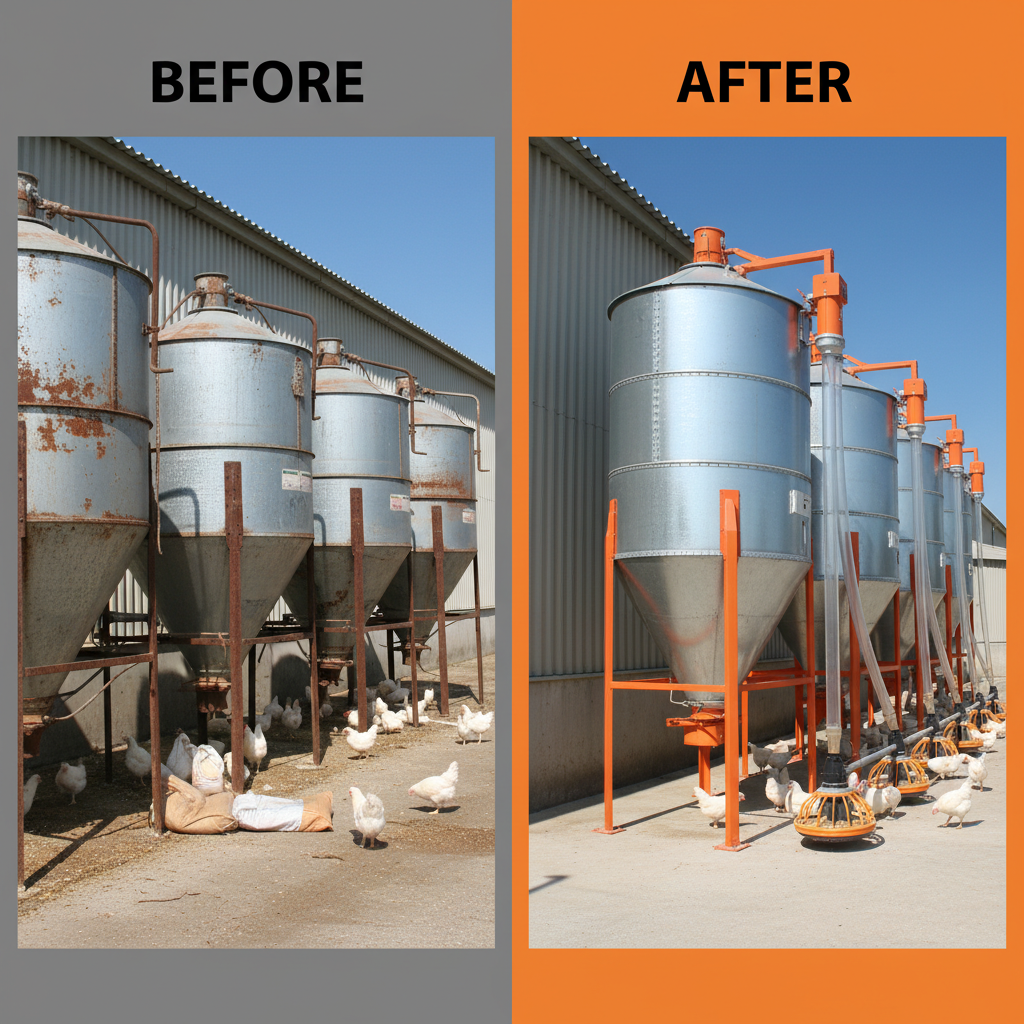
Understanding the Animal Feed Silo: A Global Perspective
At first glance, the humble animal feed silo might seem like just a big storage container. However, its role in global agriculture and livestock management is far more significant, impacting food security, economic stability, and even humanitarian efforts worldwide. As populations rise and the demand for animal protein soars, efficient storage and management of animal feed become paramount. This is where animal feed silos step in, offering solutions that boost productivity and reduce waste, ultimately supporting millions of farmers and businesses internationally.
Introduction: Why the Animal Feed Silo Matters Globally
Globally, livestock production accounts for nearly 40% of the total global agricultural output according to the Food and Agriculture Organization (FAO). With increasing consumption of meat, dairy, and other animal products, proper feed storage is crucial to ensure constant supply. However, challenges such as climate change, inconsistent supply chains, and storage inefficiencies threaten this balance.
The animal feed silo addresses these challenges head-on by improving storage capacity, protecting feed quality, and enabling farmers to better manage their feed resources. This isn't just about convenience — it's about safeguarding livelihoods and promoting sustainable agriculture worldwide.
Defining the Animal Feed Silo
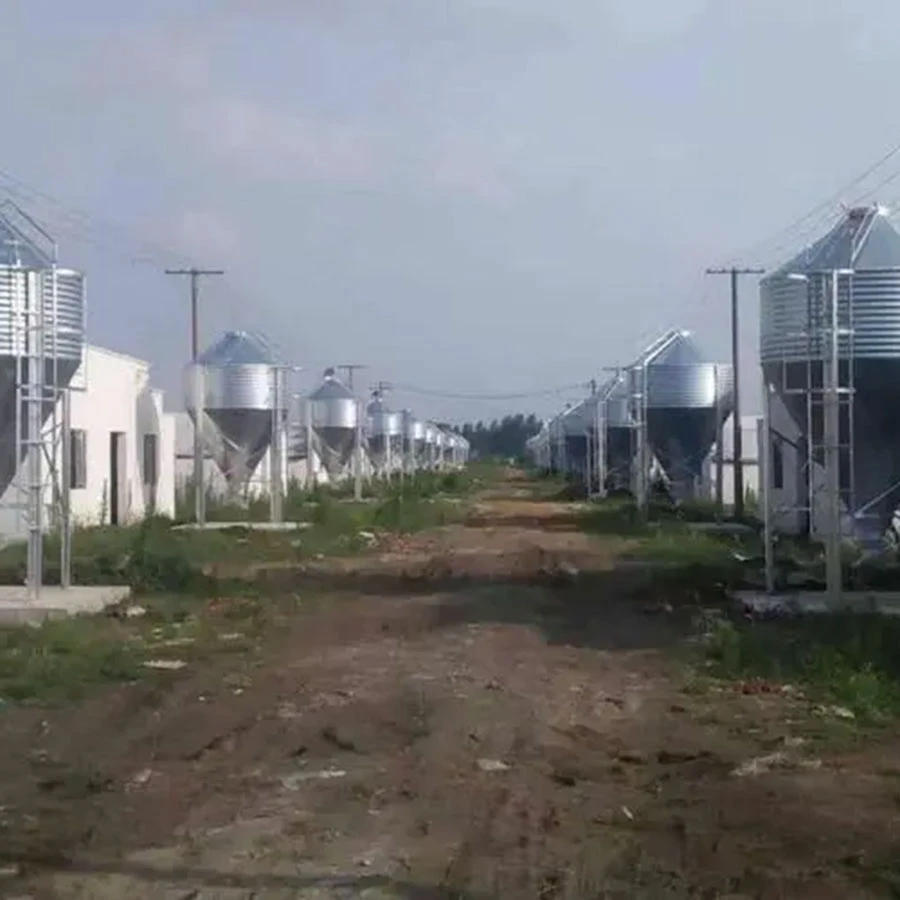
Simply put, an animal feed silo is a specialized storage unit designed to hold large volumes of feed ingredients such as grains, pellets, or mixed feed. Unlike generic silos, these are built to optimize feed quality by preventing contamination, moisture ingress, and spoilage.
In modern industrial farming or humanitarian aid settings, these silos are indispensable. They ensure consistent feed availability, streamline logistics, and help maintain nutritional value—essential factors whether you're running a commercial livestock operation or supporting displaced communities reliant on livestock nutrition.
Core Components & Factors of Animal Feed Silos
1. Durability
Animal feed silos must withstand harsh environmental conditions—think relentless sun, rain, or freezing temperatures—without degrading. Typically made from galvanized steel or reinforced concrete, these structures are built to last, sometimes over decades.
2. Capacity & Scalability
Whether a small family-owned farm or a sprawling industrial setup, feed requirements vary drastically. Silos come in various sizes, from a few tons to thousands. Scalability allows operations to expand feeds storage without major infrastructure overhauls.
3. Moisture Control
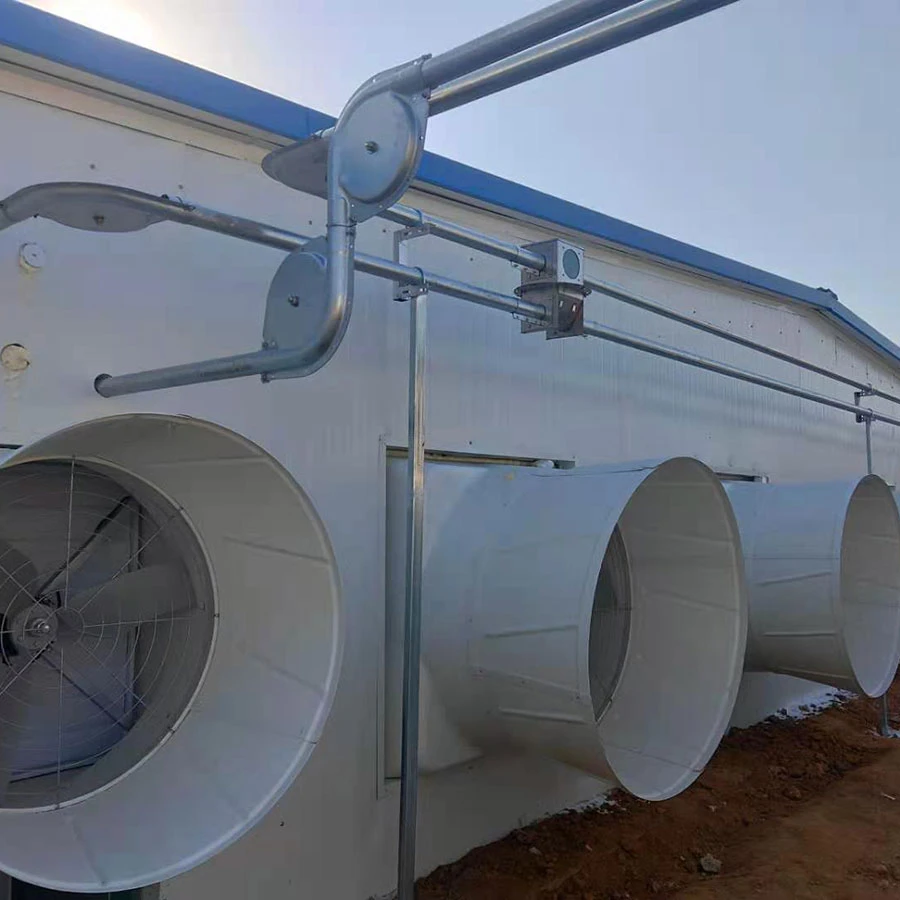
Moisture is the enemy of stored feed, promoting mold and toxins. Many silos integrate ventilation, sealing technology, or desiccants to keep feed dry and safe.
4. Cost Efficiency
Upfront investment is just part of the picture. Maintenance costs, feeding automation compatibility, and energy use affect the total cost of ownership, which savvy operators weigh carefully.
5. Automation Compatibility
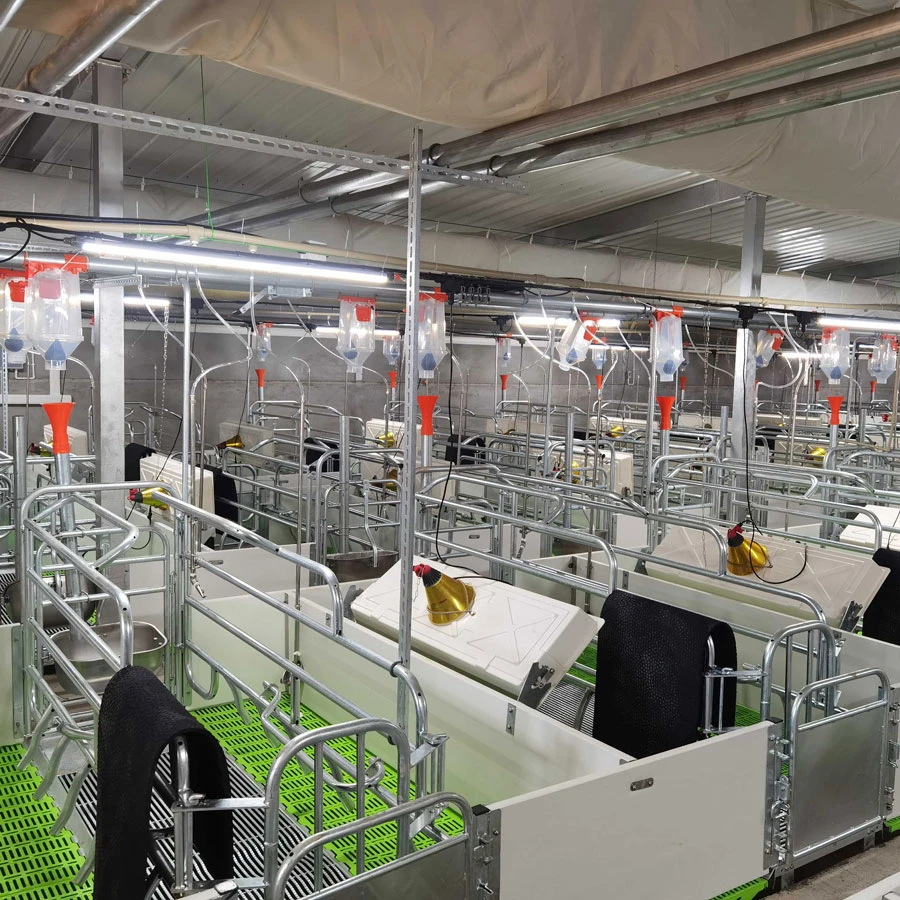
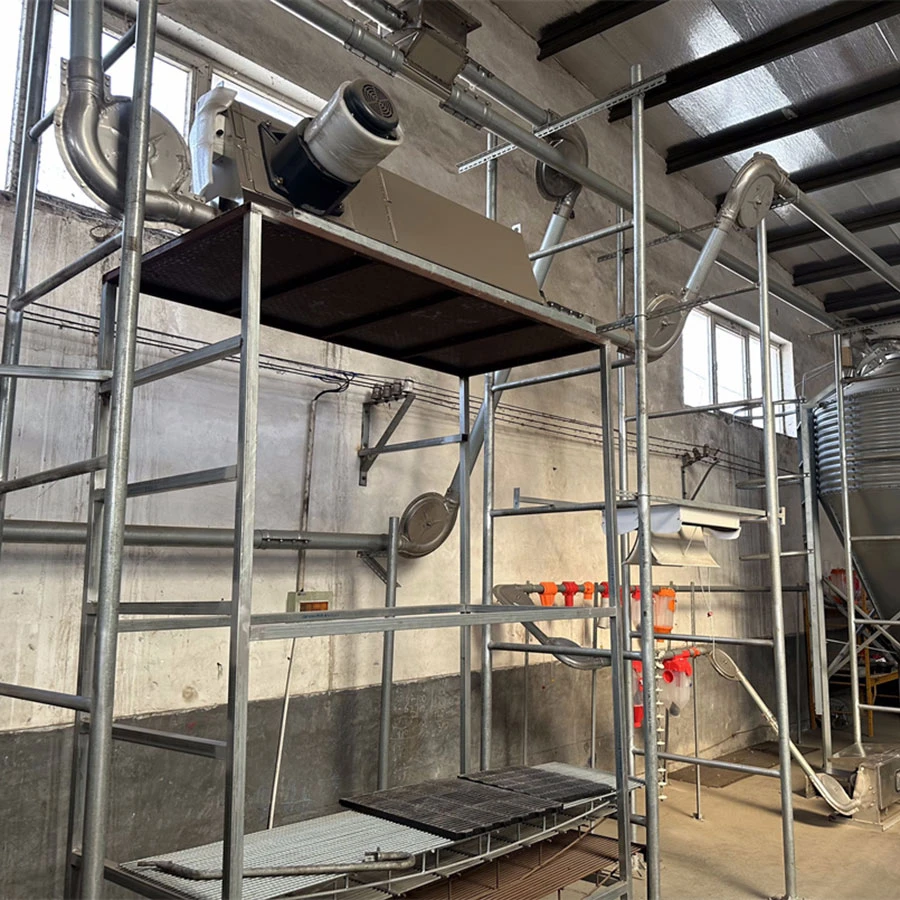
Modern silos increasingly support automated filling and feeding systems, allowing precise feed delivery schedules. This reduces labor and waste, adding operational efficiency.
6. Environmental Impact
Eco-friendly design elements, such as using recyclable materials or solar-powered ventilation, reflect a growing trend toward sustainable farming.
Mini takeaway: Investing in animal feed silos means balancing durability, scalability, and sustainability, all tuned to the farm’s specific needs.
Real-World Applications of Animal Feed Silos
The usage of animal feed silos spans continents:
- Africa: In regions like East Africa, silos aid smallholder farmers to store feed during seasonal harvests, smoothing out availability gaps.
- Europe: Industrial farms rely on high-capacity silos integrated with automated systems to supply poultry and dairy units efficiently.
- South America: Export-oriented livestock operations use feed silos to maintain feed quality despite long supply chains.
- Humanitarian contexts: International NGOs deploy portable feed silos in refugee camps to support livestock, which is crucial for food security and income.
Oddly enough, in remote industrial areas like northern Canada, silos are lifesavers for year-round animal feeding under extreme weather conditions.
Product Specification Table: Typical Animal Feed Silo Features
| Feature | Specification | Benefit |
|---|---|---|
| Material | Galvanized Steel or Concrete | High durability and corrosion resistance |
| Capacity | 5 to 50+ tons | Adaptable to farm size and feed volume |
| Moisture Control | Sealed doors and ventilation systems | Prevents spoilage and toxin growth |
| Automation | Compatible with feeding conveyors or augers | Streamlines feeding process, saves labor |
| Sustainability | Options for solar-powered vents | Reduces carbon footprint |
Advantages and Long-Term Value of Animal Feed Silos
There are tangible benefits beyond just storage. Economically, silos reduce feed spoilage by up to 20%, substantially cutting costs. Socially, they enable farmers to maintain steady feed supplies, which supports animal health and productivity—crucial for income and community welfare.
Safety-wise, better storage lowers the risk of contamination, protecting both animal and human health. Plus, using a well-maintained silo reflects an investment in innovation and trustworthiness, which often attracts business partners and investors.
Vendor Comparison: Leading Animal Feed Silo Manufacturers
| Vendor | Material | Max Capacity | Automation | Price Range (USD) |
|---|---|---|---|---|
| AgroSilos Inc. | Galvanized Steel | 50 tons | Yes, full integration | 20,000 - 50,000 |
| FeedGuard Solutions | Reinforced Concrete | 40 tons | Limited | 15,000 - 40,000 |
| EcoFeed Tech | Steel + Solar Vents | 30 tons | Partial automation | 18,000 - 45,000 |
Future Trends & Innovations in Animal Feed Silos
The future of animal feed silo tech is quite exciting. Green energy integration—like solar-powered ventilation systems—is becoming the norm, cutting operational costs and emissions. Smart sensors are increasingly monitoring moisture, temperature, and feed levels in real time, helping prevent spoilage before it happens.
Automation is moving beyond feeding schedules, incorporating AI-based predictive analytics for feed demand. Materials research aims to develop lighter, stronger composites that resist corrosion without heavy maintenance.
Challenges & Practical Solutions
No system is perfect, and animal feed silos face their share of issues:
- High upfront costs: Many smaller farms find investments daunting. Leasing or cooperative ownership models are emerging as practical solutions.
- Maintenance demands: Wear and tear require regular check-ups, sometimes overlooked due to labor constraints. Training and automated monitoring can address this.
- Adaptation to climate: Extreme weather can challenge design limits. Modular, portable silos are gaining ground in such regions.
FAQ: Common Questions About Animal Feed Silos
Q1: How long can animal feed safely be stored in a silo?A: Typically, feed stored in a well-maintained, moisture-controlled silo can last 6 to 12 months without significant quality loss. The exact duration depends on feed type and silo design.
Q2: Are animal feed silos suitable for small farms?
A: Absolutely. Silos come in various sizes and some manufacturers offer modular designs perfect for small-scale operations, enhancing feed management with minimal space requirements.
Q3: What maintenance is required for a feed silo?
A: Basic upkeep includes regular inspections for moisture ingress, cleaning feed residues, checking seals and ventilation, and addressing any structural damage promptly.
Q4: Can animal feed silos be integrated with automated feeding systems?
A: Yes, many modern silos are designed to connect seamlessly with conveyor belts, augers, or computer-controlled feeders to improve feeding accuracy and reduce labor.
Q5: How do I choose the right silo for my needs?
A: Assess your feed volume, environmental conditions, automation requirements, and budget. Consulting with suppliers and understanding your operation’s future growth also helps.
Conclusion: Investing in the Right Animal Feed Silo
In real terms, the right animal feed silo does more than store feed — it supports reliable livestock nutrition, reduces waste, and ultimately drives better farm profitability and sustainability. Given the global challenges in food security and climate uncertainty, embracing efficient feed storage solutions is no longer optional but essential.
If you are looking to enhance your livestock operation or humanitarian feed programs, consider exploring the latest in animal feed silo technology. Visit our website to learn more about available models and find the perfect fit for your needs: animal feed silo.
Mini takeaway: Prioritizing animal feed silo investment means safeguarding the future of animal agriculture, one perfectly stored batch at a time.
References:
1. Food and Agriculture Organization (FAO)
2. Wikipedia: Silo (granary)
3. ISO Standards for Agricultural Storage
Post time: Dec . 03, 2025