What Are Headlocks for Sale and Why Do They Matter?
At first glance, the phrase headlocks for sale might sound like wrestling gear or fighting moves—but in the agricultural and livestock world, it signifies a very different and important piece of equipment. Simply put, headlocks are sturdy feeding and restraining fixtures installed in animal pens, mainly used in dairy and beef operations. These devices allow farmers and ranchers to safely secure animals by their heads for feeding, veterinary checks, or handling. Headlocks for sale provide a practical solution globally for improving animal welfare, operational efficiency, and safety in livestock management.
Why does this matter beyond the farm? Consider that the Food and Agriculture Organization of the United Nations estimates there are over 1.4 billion cattle worldwide. Efficient and humane livestock handling directly impacts food security, animal health, and farmworker safety. So understanding what headlocks offer is crucial for anyone involved in modern husbandry or agricultural development.
The Global Stage: Why Headlocks for Sale Are a Growing Necessity
Livestock agriculture isn't just local—it’s a huge part of economies in North America, South America, Europe, Asia, and increasingly Africa. According to the World Bank, livestock contributes up to 40% of the global agricultural economy. Handling cattle safely without harming the animals or risking worker injury has been a persistent problem, especially as farms scale up or try to meet stricter animal welfare standards.
In many regions, traditional handling methods are labor-intensive, slow, and stressful—for both animals and farm staff. This is where buying reliable headlocks for sale becomes indispensable. They can change the whole game by facilitating smooth cattle flow and precise handling. ISO standards related to animal welfare equipment further highlight the global push towards safer, more standardized handling gear.
What Exactly Are Headlocks?
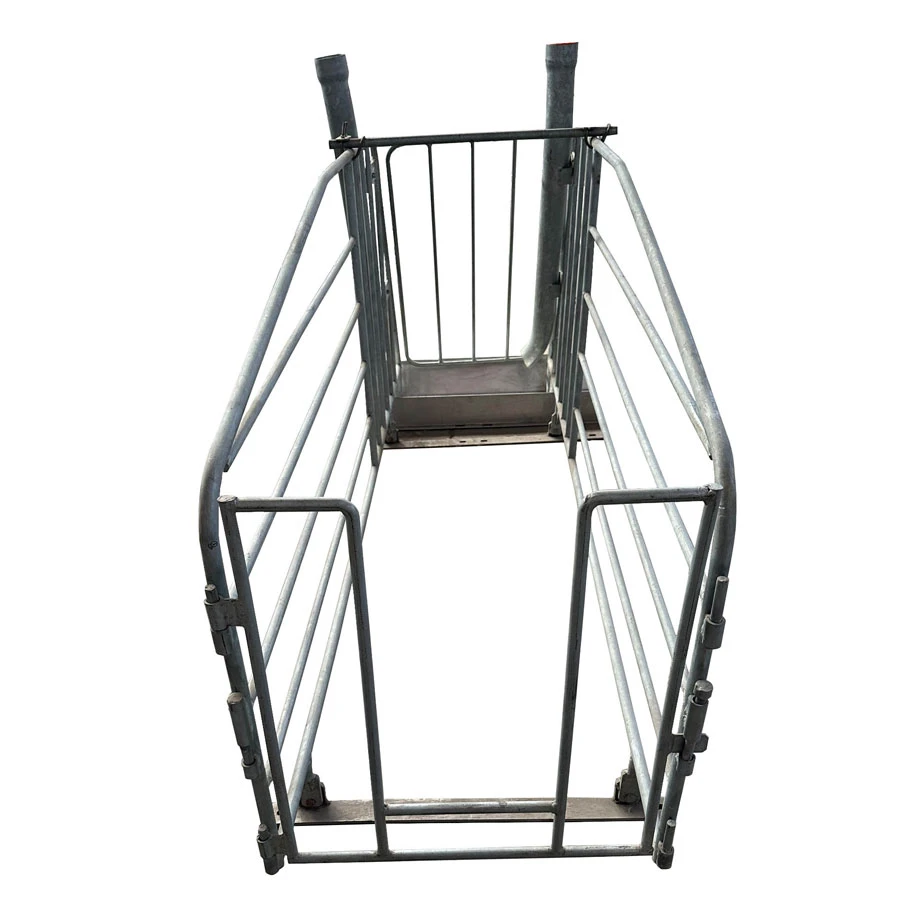
In its simplest terms, a headlock is a metal frame with locking mechanisms designed to safely hold cattle heads in place. When an animal approaches the feeding rack or a handling station, these locks gently “clamp” around the neck, preventing escape but without harm or discomfort. This design allows handlers to perform medical care, routine feeding, or examination without chasing or stressing animals.
These devices are connected closely to modern methods of husbandry—which emphasize animal welfare and operational efficiency—and are common in dairy barns, feedlots, and some finishing operations worldwide.
Core Components of Reliable Headlocks
1. Durability & Material Quality
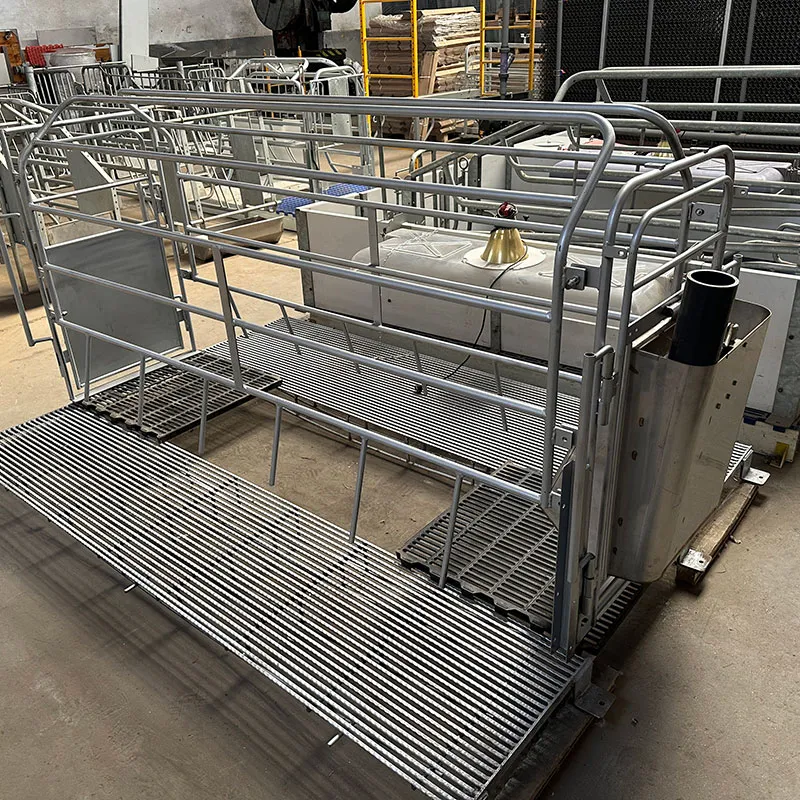
Most headlocks are made from galvanized steel or stainless steel to resist rust and withstand harsh weather and high animal pressure. The quality truly matters—horseplay (or cowplay!) with cheap gear could be a huge safety risk.
2. Easy Operation & Safety Features
Headlocks must allow quick locking and unlocking, usually with a single hand. Safety locks prevent accidental releases, a must-have for handler peace of mind.
3. Scalability & Compatibility
Farms vary in number of animals and pen designs. Good headlock systems come modular or customizable, fitting both small dairies and large-scale feedlots alike.
4. Cost Efficiency
Investment in quality headlocks pays off through durability, reduced animal injury, and smoother workflows.
Real-World Applications of Headlocks Across the Globe
These devices show up throughout the agricultural spectrum—from the sprawling plains of Nebraska, to the dairy farms of New Zealand, to developing countries adopting modern livestock practices.
- In post-disaster relief: Temporary shelters with headlocks help keep rescued cattle calm during transport and treatment.
- In remote industrial zones: Automated headlock systems integrated with RFID allow precise feeding and health monitoring without constant human supervision.
- In educational farms: Headlocks support training programs on humane cattle handling techniques.
Such versatility across contexts shows the universal value of these deceptively simple devices.
Specification Table: Typical Headlock Features
| Feature | Specification | Benefit |
|---|---|---|
| Material | Galvanized steel / Stainless steel | Corrosion resistant & durable |
| Locking mechanism | Spring-loaded manual lever | Quick operation & secure hold |
| Size variants | Small, medium, large (based on cattle size) | Fits all breeds and ages |
| Installation type | Fixed mount or portable modules | Flexibility for different farm setups |
| Warranty | 2-5 years | Long-term reliability assurance |
Vendor Comparison: Popular Headlock Suppliers
| Supplier | Material Quality | Price Range (USD) | Customization | Lead Time |
|---|---|---|---|---|
| CX Livestock Equipment | High-grade galvanized steel | $150-$350 per unit | Full custom sizes/options | 2-3 weeks |
| FarmTech Solutions | Standard galvanized steel | $100-$280 per unit | Limited customization | 3-4 weeks |
| AgriPlus Equipment | Stainless steel options | $180-$400 per unit | Customizable headlock widths | 4-6 weeks |
Benefits and Long-Term Value of Investing in Quality Headlocks
From cost savings via reduced animal injury to easier veterinary care, quality headlocks bring multiple benefits. They help maintain animal dignity by lowering stress during handling—a point that many livestock workers resonate with deeply. Over time, reliable equipment reduces downtime and replacement costs.
Emotionally, they build trust between handler, animal, and technology, aiding smoother operations and better animal welfare compliance. Logical reasons like profitability and sustainability are equally compelling.
What Does the Future Hold for Headlocks?
Innovations like integrating IoT sensors to track individual animals during locking or development of lighter, eco-friendly alloys could transform these devices. Digital transformation in agriculture brings new possibilities where headlocks might become smart access points that sync with herd management software.
Sustainability and automation trends suggest we’ll see equipment designed not only for strength but also minimizing environmental footprint and maximizing user ergonomics.
Addressing Current Challenges
Sometimes, headlocks can be clunky or hard to operate if poorly designed. Also, one size rarely fits all, and retrofit installations on older barns can be tricky. Expert advice recommends working with vendors that offer custom solutions and trial installations to avoid costly mistakes.
Training for handlers remains crucial—technology alone can’t replace good animal handling skills.
Frequently Asked Questions About Headlocks for Sale
- Q1: What factors should I consider when buying headlocks?
- A: Consider durability, size compatibility with your animals, ease of operation, safety features, and customization options. Reliable customer support and warranties also add value.
- Q2: Can headlocks be installed on existing pens?
- A: Yes, many systems are designed for retrofit, but measurements and pen structure matter. Consulting with the supplier ensures proper fit and efficient installation.
- Q3: Are headlocks stressful for animals?
- A: When designed and used correctly, headlocks minimize stress by making handling quick, safe, and gentle. Proper training for operators amplifies these benefits.
- Q4: How can one verify quality before purchase?
- A: Inspect material certifications, warranty details, and ask for references or case studies. Visiting farms using the equipment or requesting samples can also help.
- Q5: Where can I find trusted headlocks for sale?
- A: Suppliers like CX Livestock Equipment offer quality products with customizable options and worldwide shipping.
Final Thoughts and Next Steps
Headlocks may sound niche, but in real terms, they’re central to safe, effective livestock management across the globe. They combine practicality, compassion, and quality engineering—something anyone serious about animal husbandry can appreciate. If you're looking to improve your operations, consider sourcing headlocks for sale that meet your scale and safety expectations. The right choice pays dividends in animal welfare, worker safety, and long-term operational resilience.
Check current product offerings, specifications, and reach out to trusted vendors soon. From small family dairies to industrial feedlots, better handling starts with better equipment.
References:
1. Food and Agriculture Organization of the United Nations (FAO). Livestock global statistics.
2. World Bank. Agriculture and Livestock.
3. ISO Standards related to animal welfare equipment, ISO Animal Welfare Equipment.
Post time: Nov . 28, 2025