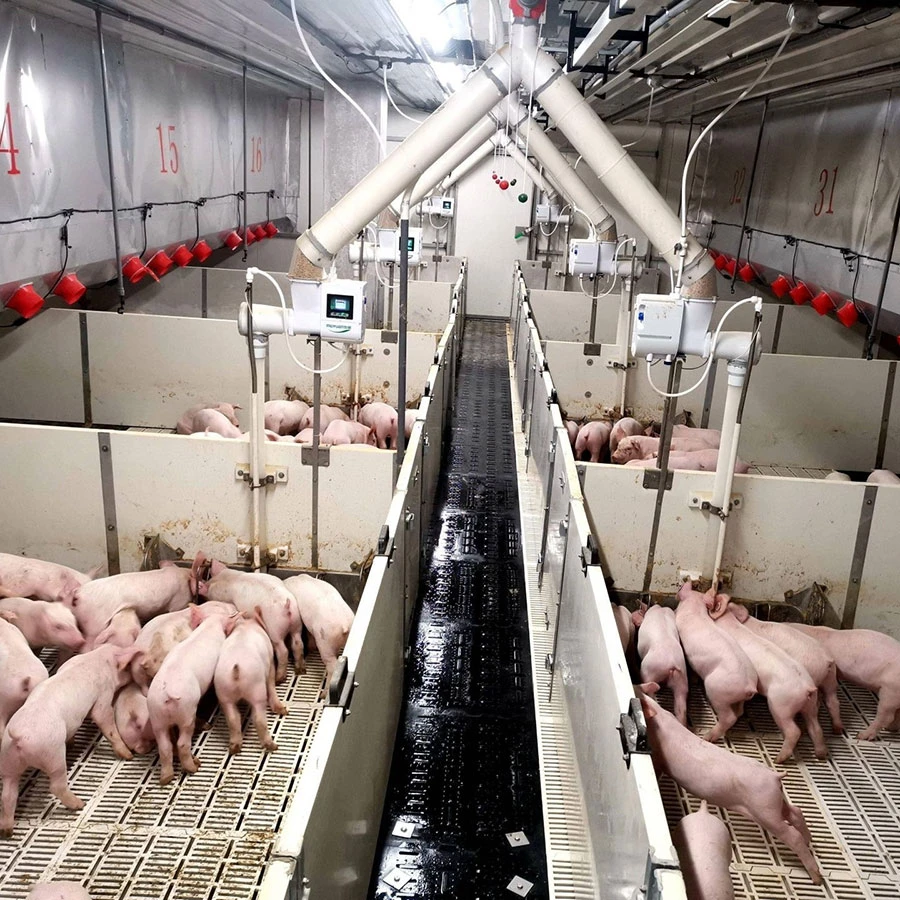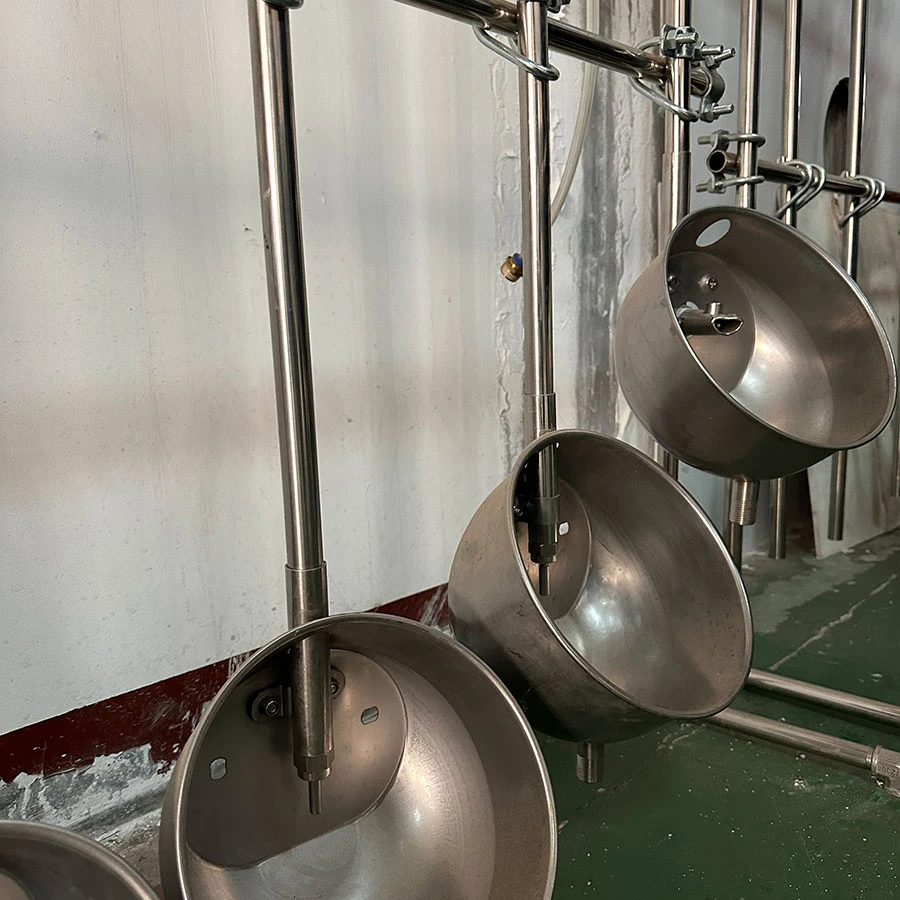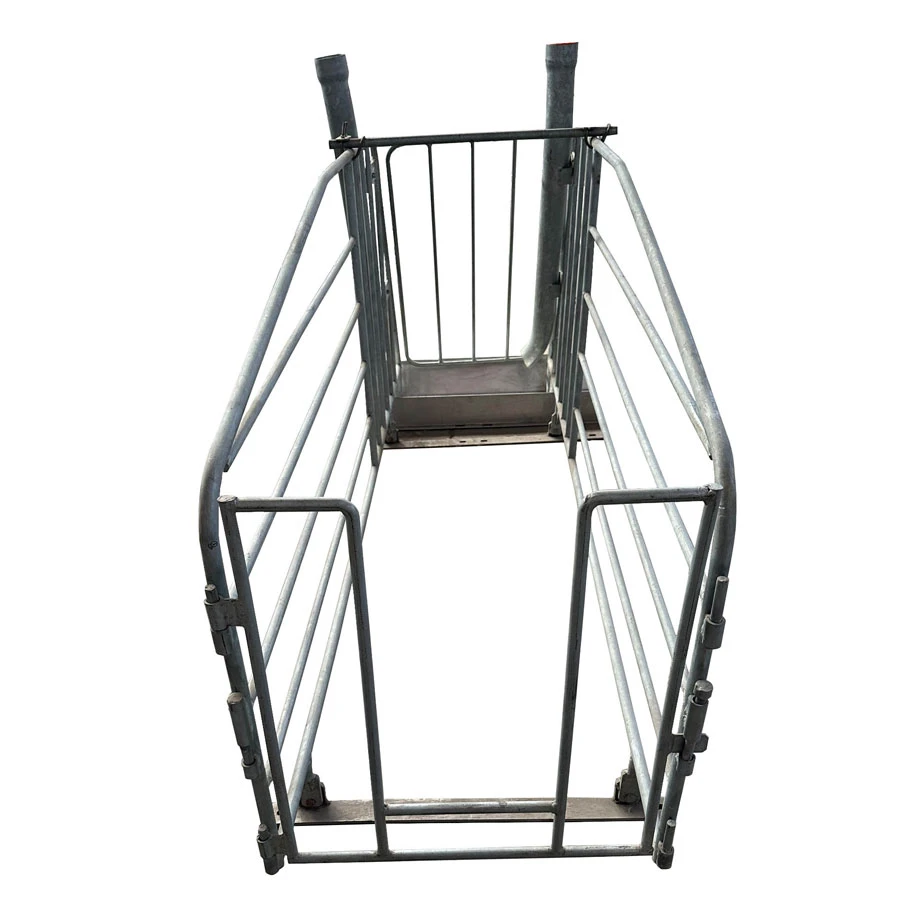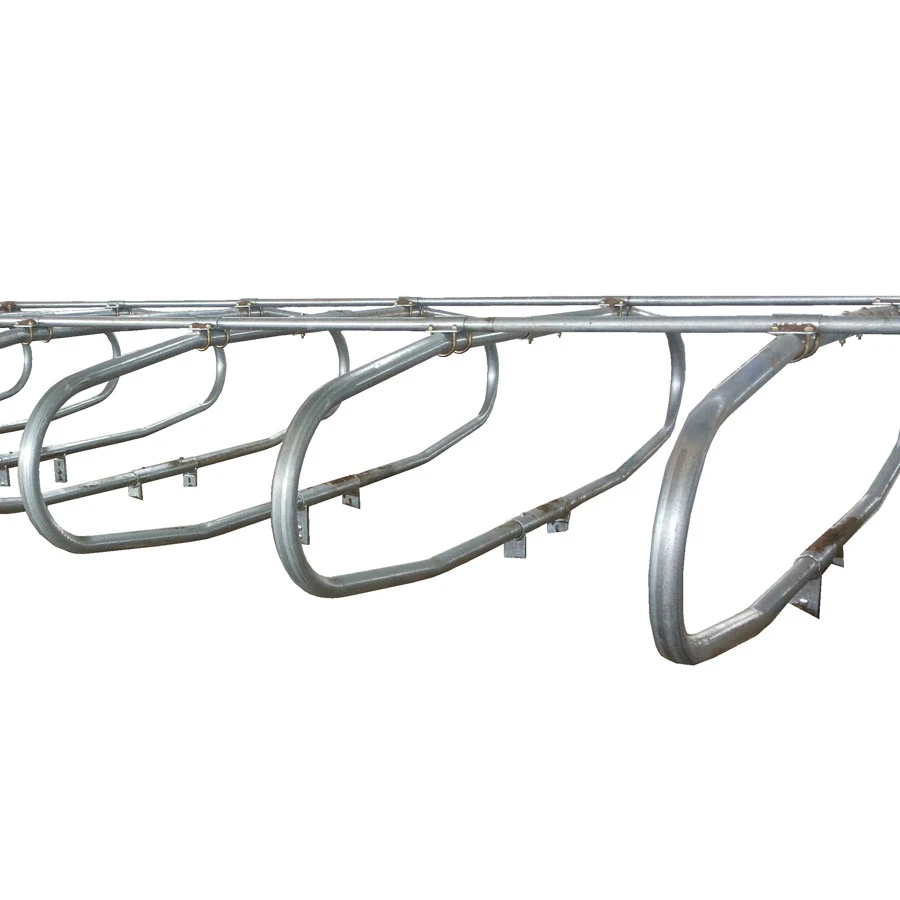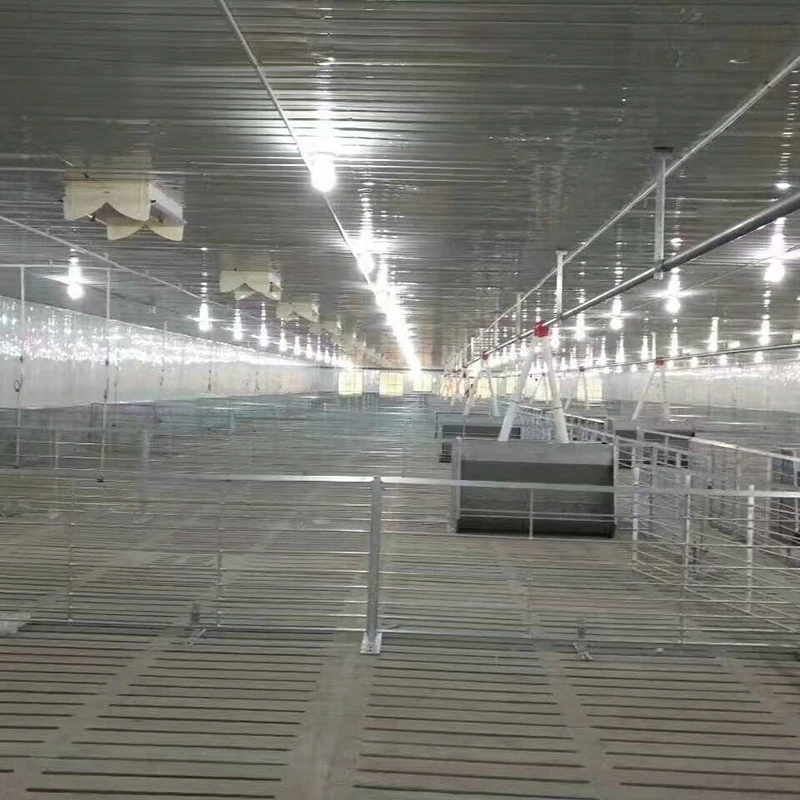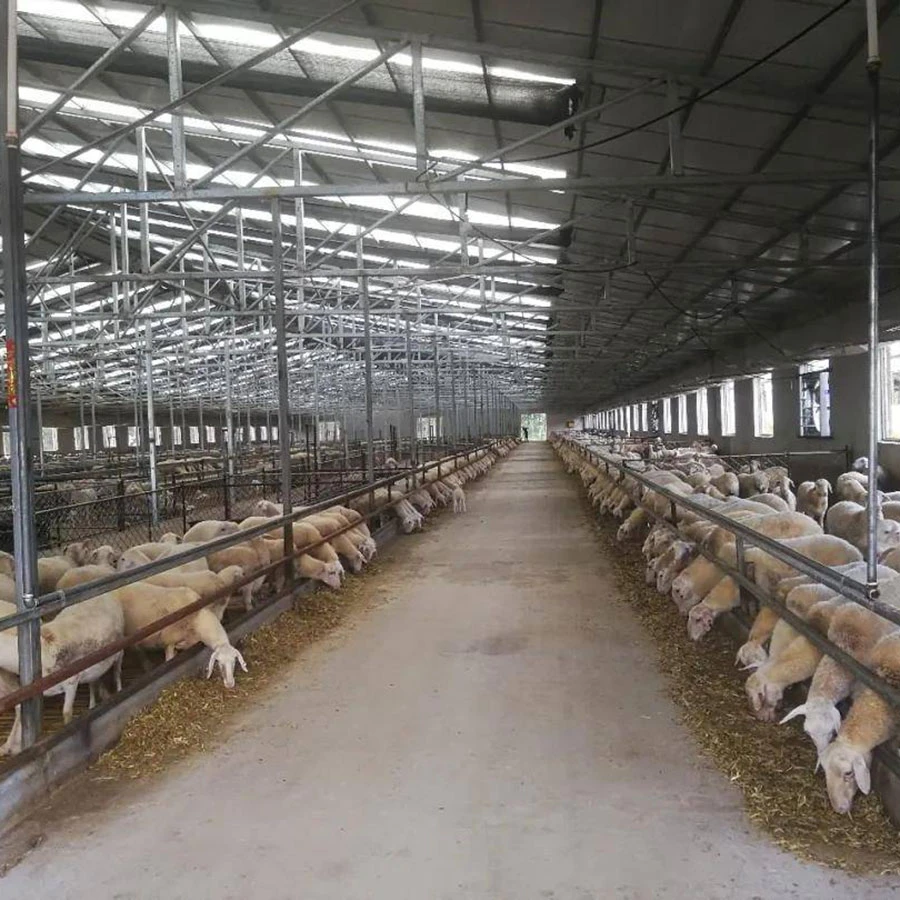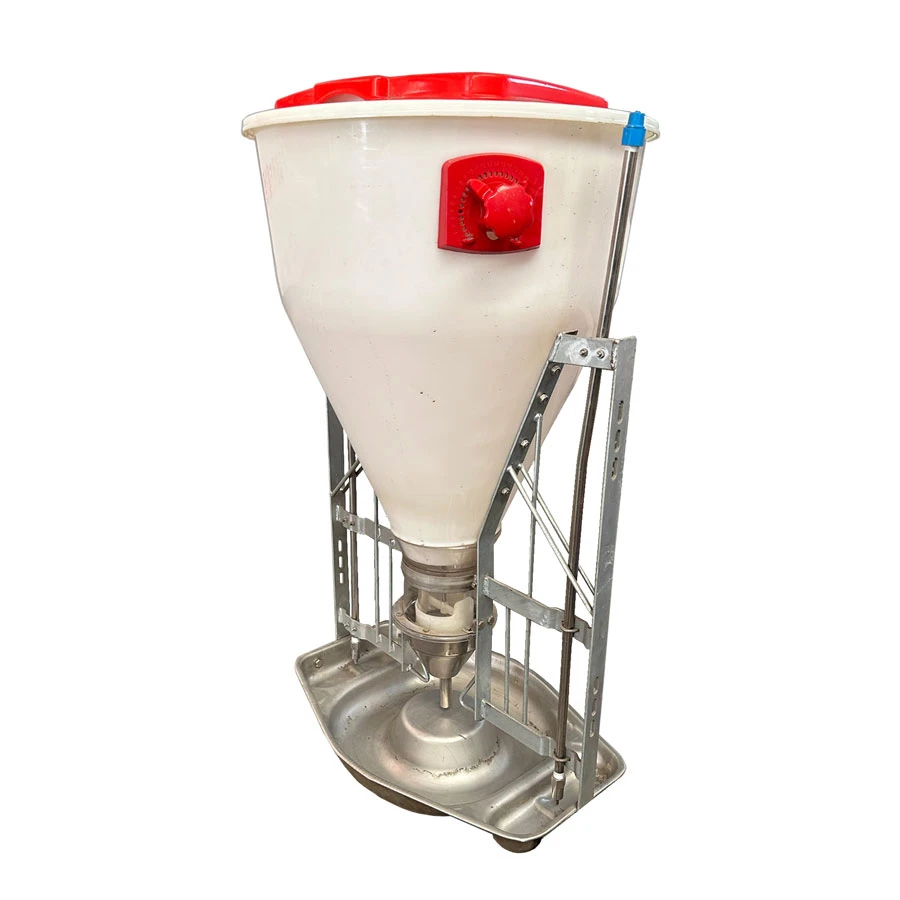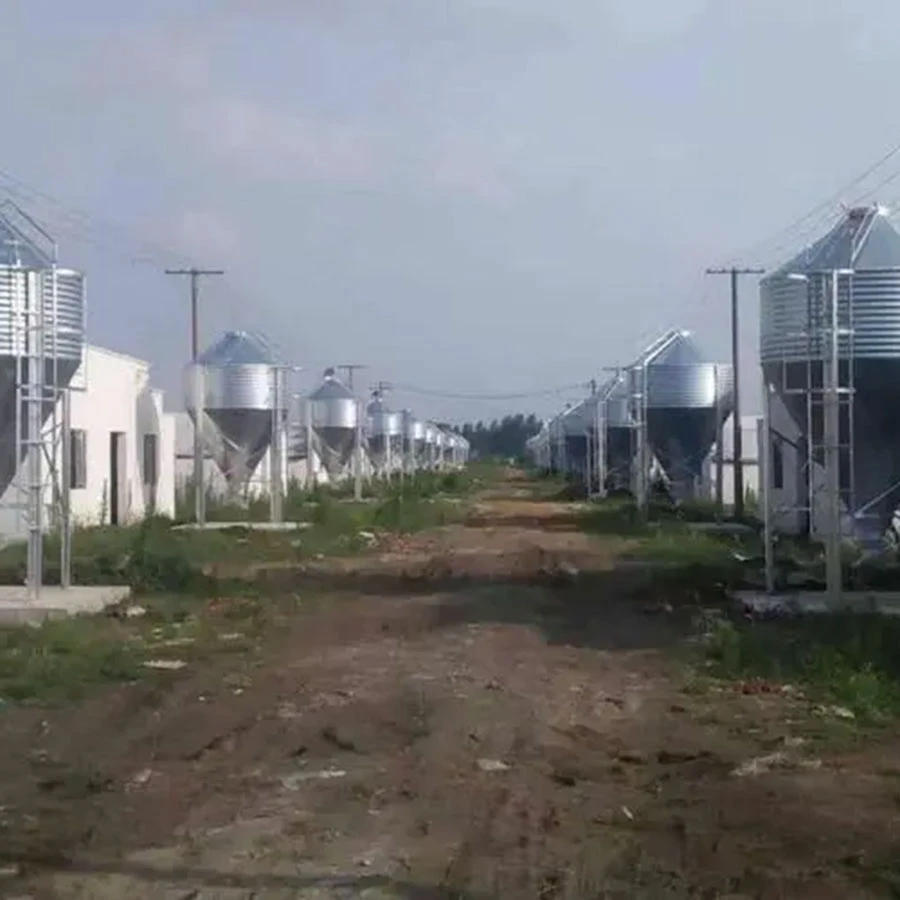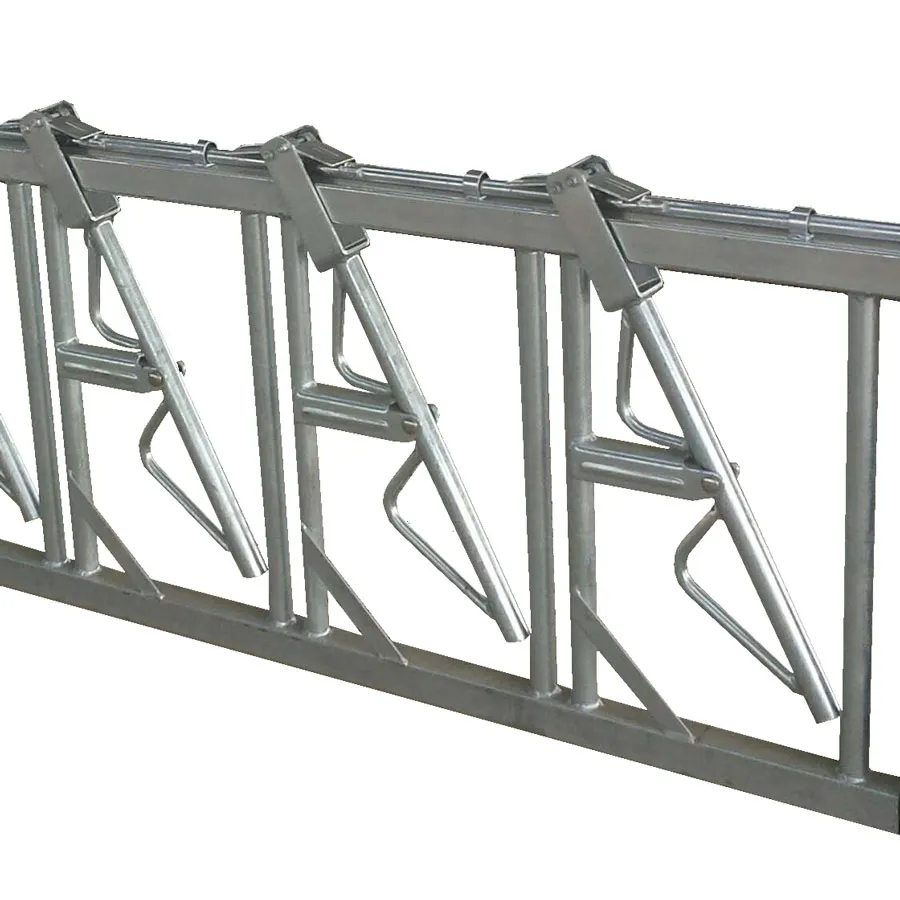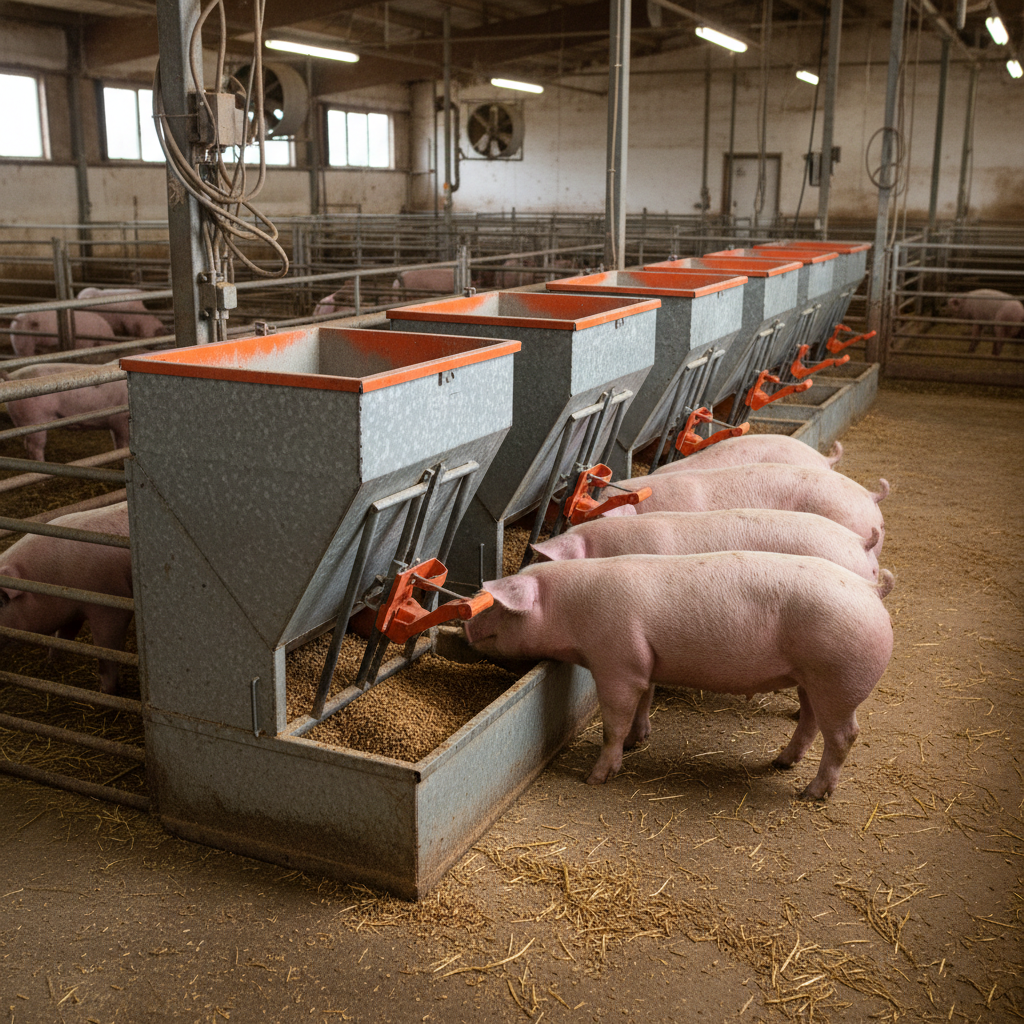
I’ve walked more barns than I can count, and the one pattern that keeps showing up is this: the smartest money today goes into a tight loop of feed delivery and air management. That’s why when people ask me about an automatic animal feeding system, I immediately talk about ventilation, too. Without clean, consistent airflow, the best feeders just can’t hit their numbers. To be honest, many customers say the same after a single winter season.
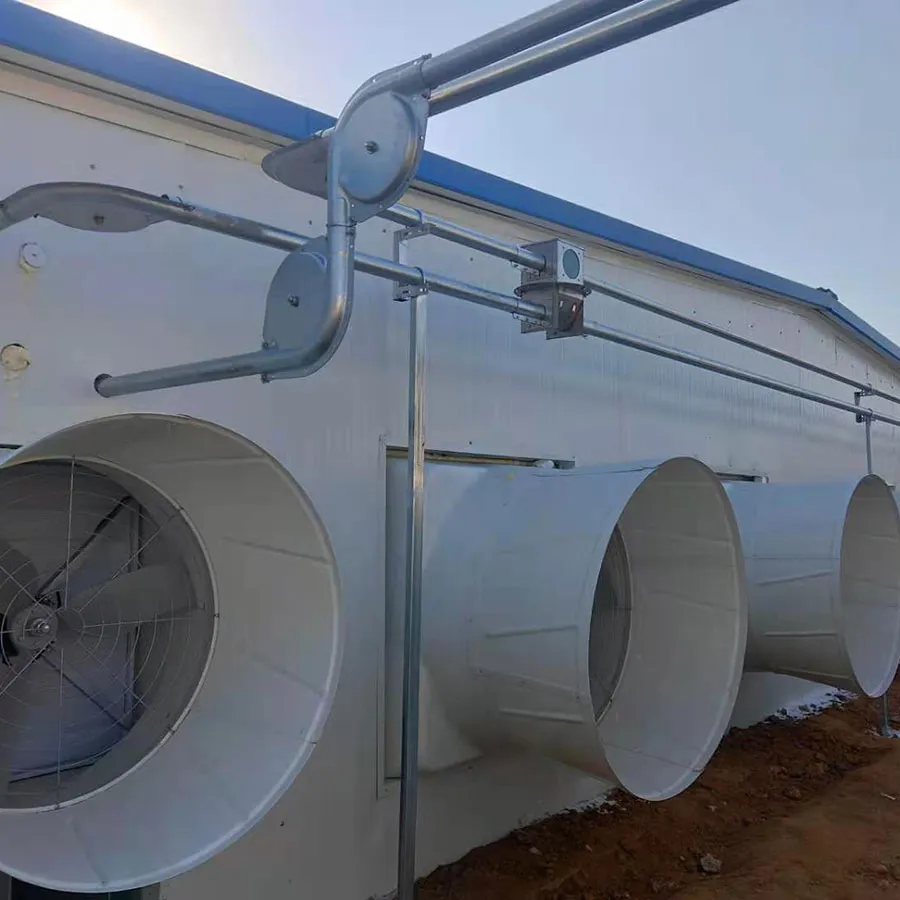
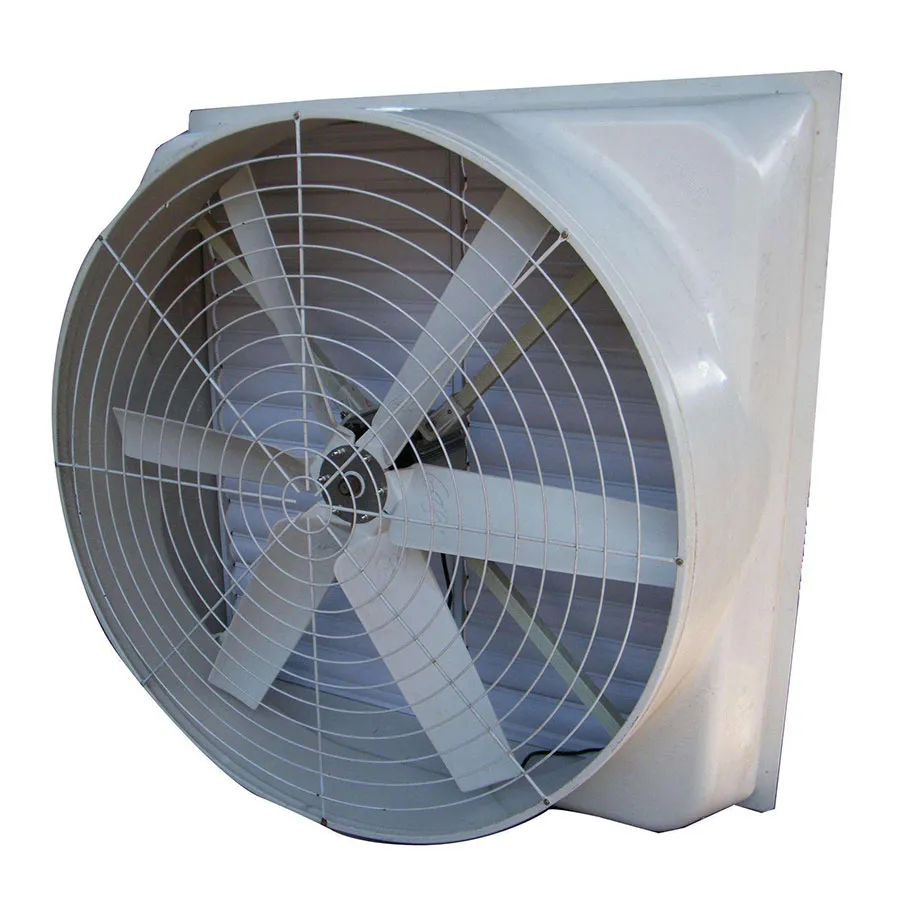
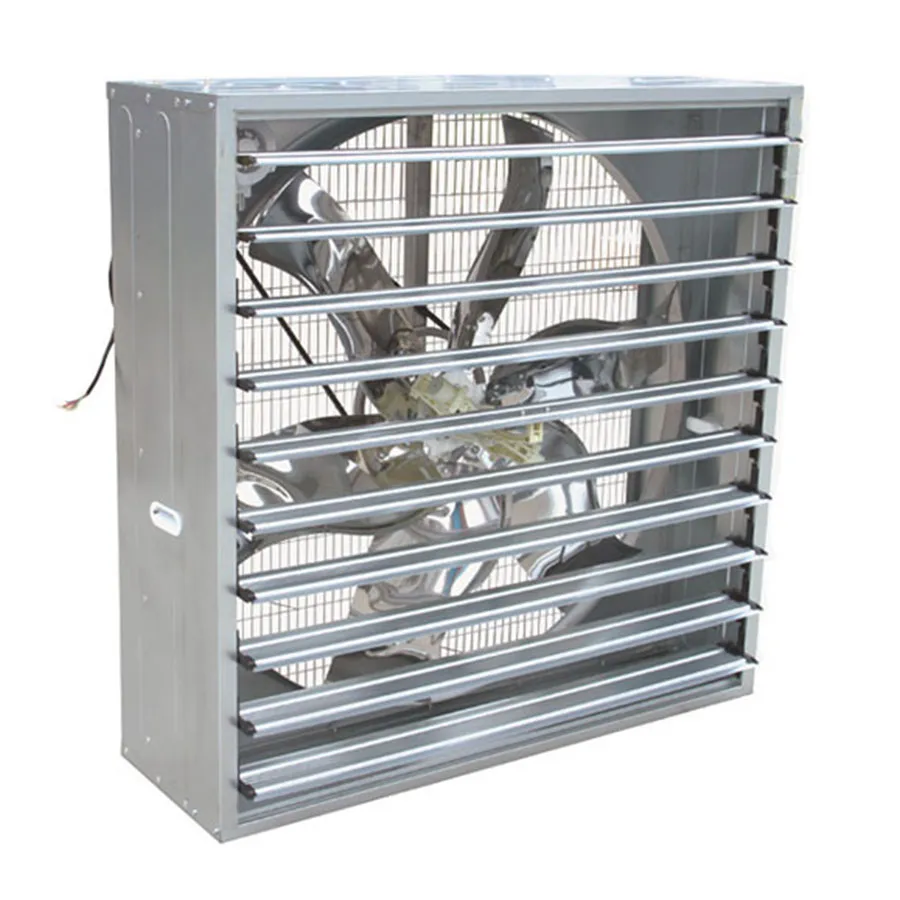
Here’s a concrete example: CX Livestock’s Ventilation And Fan In Pig Farming Equipment (origin: Dongtai Road, Economic and Technological Development Zone, Huanghua City, Hebei Province, China) pairs neatly with a automatic animal feeding system via smart controllers. It keeps barns clear of ammonia and damp, which—surprisingly—protects both appetite and lungs. In fact, maintaining a stable climate can lift daily gain and help prevent respiratory illness. Obvious? Maybe. Achieved consistently? Not always.
Quick product snapshot (ventilation that feeds your feeding KPIs)
| Product | Ventilation And Fan In Pig Farming Equipment |
| Airflow (Ø1.3–1.4 m fan) | ≈ 28,000–36,000 m³/h (real-world use may vary; ISO 5801/AMCA 210) |
| Blade / Housing | FRP or galvanized steel blades; corrosion-protected housing |
| Motor | IE2/IE3 efficiency, IP55, IEC 60034-1 compliant |
| Noise | ≈ 65–75 dB(A) at 1 m (ISO 3744) |
| Controls | 0–10V / PWM integration with automatic animal feeding system and sensors (NH₃, RH, temp) |
| Service life | 8–12 years with routine maintenance |
| Certs | CE, ISO 9001; RoHS-compliant components where applicable |
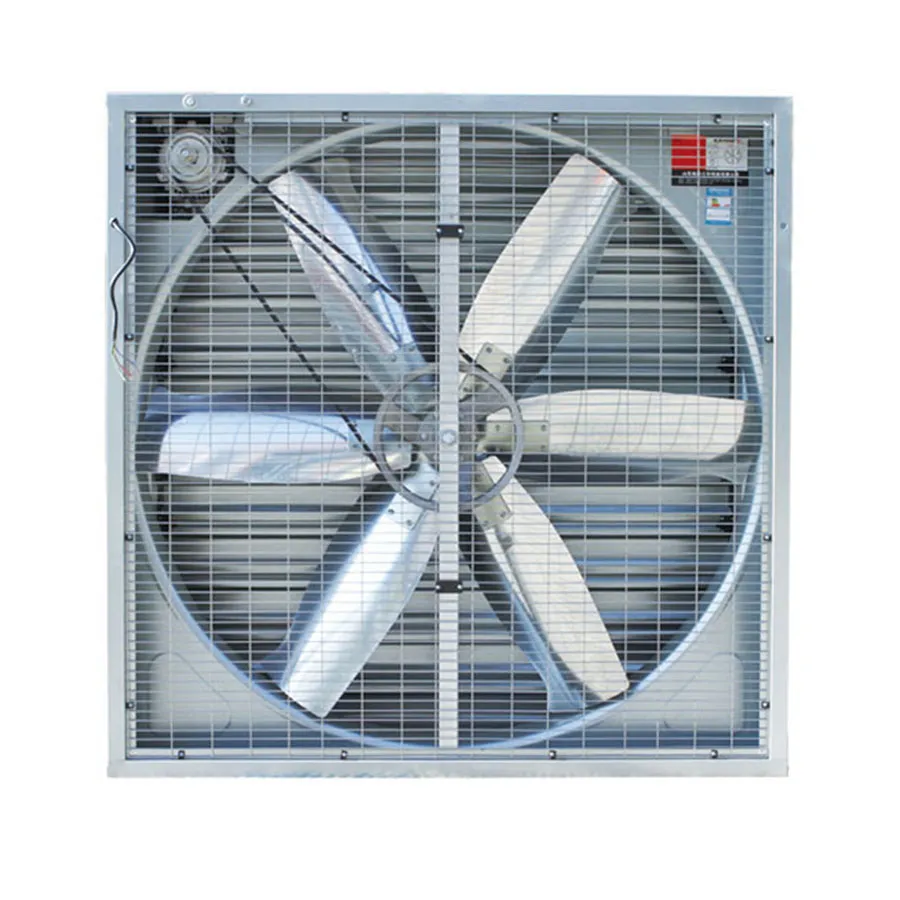
How it ties into feeding automation
- Materials: 304 stainless for feed-contact parts; HDPE auger tubes; FRP/galvanized fan blades; sealed bearings.
- Methods: laser-cut frames, MIG/TIG welding, dynamic impeller balancing, conformal-coated PCBs.
- Process flow: design → prototyping → ISO 5801 fan test → controller I/O verification → burn-in at 45–50°C → field trial.
- Testing standards: AMCA 210/ISO 5801 airflow; ISO 3744 acoustics; IEC 60529 IP rating; 2006/42/EC machinery safety for feeders.
- Service life: fans 8–12 yrs; augers 6–10 yrs; controllers 5–7 yrs (conditions matter).
- Industries: pig (farrowing to finisher), poultry, small ruminants, and even aquaculture sheds.
Vendor snapshot (what buyers usually compare)
| Vendor | Core Range | Control Ecosystem | Certifications | Lead Time |
|---|---|---|---|---|
| CX Livestock | Fans + feeding integration | 0–10V/PWM, Modbus (select models) | CE, ISO 9001 | ≈ 2–5 weeks |
| Vendor M | Feeders first, basic fans | Proprietary app | CE | ≈ 4–8 weeks |
| Vendor P | High-CFM fans, 3rd-party feeders | Open I/O, limited cloud | CE, AMCA (select) | ≈ 3–6 weeks |
Field notes and feedback
Shandong grow-finish site (3 barns, 5,400 head) integrated fans with a automatic animal feeding system. After tuning:
- NH₃ dropped from 18–22 ppm to 8–12 ppm.
- FCR improved by ≈ 2.4% (seasonal average).
- Cough index reportedly down 30% in the first quarter.
It seems that the “silent” win was consistent intakes during heat waves. Actually, the farmers told me they slept better, which isn’t in any spec sheet but counts for a lot.
Customization tips
- Size fans by worst-month heat load, not average. Don’t undershoot.
- Choose 304/316 where feed dust + humidity is persistent.
- Add NH₃ and RH sensors to let ventilation “follow” the herd’s needs.
- Set maintenance: belt tension every 3 months; bearing lube per OEM; filter screens monthly.
Bottom line: pair robust ventilation with your automatic animal feeding system, and you protect appetite, lungs, and margins in one move.
Authoritative citations
- ISO 5801 / AMCA 210 – Laboratory methods of testing fans for aerodynamic performance.
- ISO 3744 – Determination of sound power levels of noise sources (engineering method).
- IEC 60034-1 – Rotating electrical machines, ratings and performance.
- EU Machinery Directive 2006/42/EC – Safety requirements for machinery (feeders).
- WHO/FAO guidelines on ammonia exposure in livestock housing; typical best-practice thresholds 10–20 ppm.
Post time: Oct . 10, 2025