What Is Aluminum Floor Grating and Why Should You Care?
Aluminum floor grating is more than just a type of flooring or industrial accessory — it plays a surprisingly important role in global infrastructure, safety, and sustainability. If you’ve ever been in a factory, a shipping yard, or even some architectural buildings, chances are you’ve stepped on or looked at aluminum grating. Understanding what it is, why it’s chosen over alternatives, and how it's evolving helps industries worldwide improve efficiency, reduce costs, and meet environmental goals.
In a nutshell: aluminum floor grating combines lightweight engineering with exceptional durability and corrosion resistance, making it a material that fits modern safety standards and long-term operational needs. Whether you’re a facility manager, engineer, or just a curious reader, knowing what makes aluminum floor grating tick helps appreciate how it quietly solves real-world problems that affect billions.
The Big Picture: Why Aluminum Floor Grating Matters Globally
Globally, industrial safety and infrastructure standards are tightening — and materials like aluminum floor grating answer a growing demand for reliable, sustainable solutions. According to the International Organization for Standardization (ISO), industries worldwide set strict guidelines requiring safer, lighter, and longer-lasting platforms and walkways.
Moreover, amid rising urbanization and aging infrastructure, the need for materials that resist corrosion, reduce weight to ease structural support, and sustain heavy usage is growing. The United Nations reports that construction and industrial sectors contribute significantly to global carbon emissions (around 38% of energy-related CO2), so choosing materials that enhance sustainability without sacrificing performance has never been more critical.
Aluminum floor grating often addresses key challenges like:
- Weight reduction to improve structural efficiency
- Corrosion resistance to boost lifespan in harsh environments
- Safety with slip-resistant surfaces, vital for factory and marine settings
It’s more than an afterthought. It’s a practical answer to concrete problems the world faces today.
Mini takeaway:
Thinking of aluminum floor grating as just "flooring" undersells it. It’s a multifaceted industrial necessity tied deeply to global sustainability and safety trends.
What Exactly Is Aluminum Floor Grating?
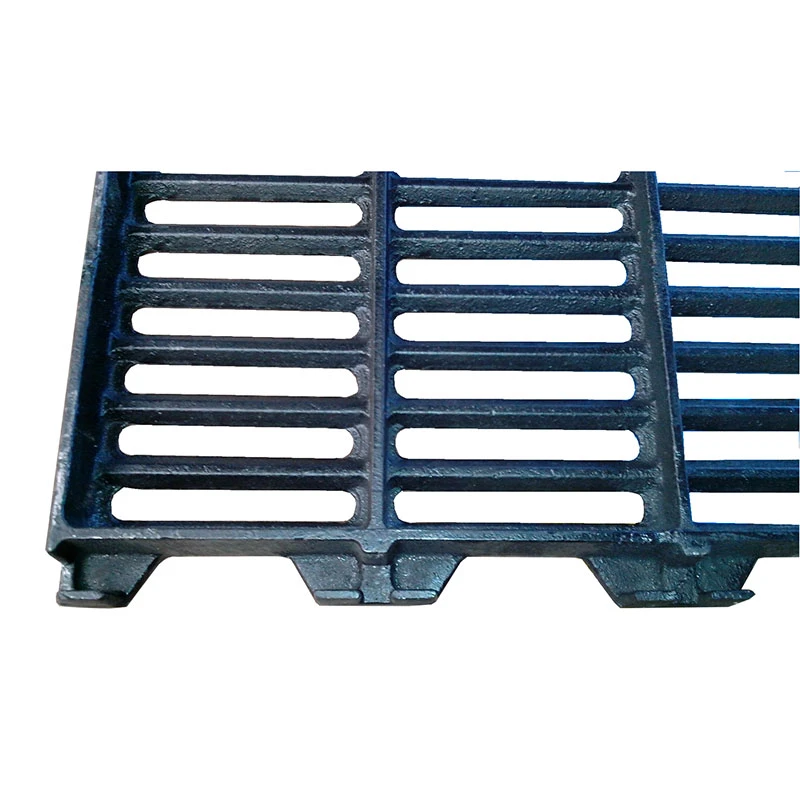
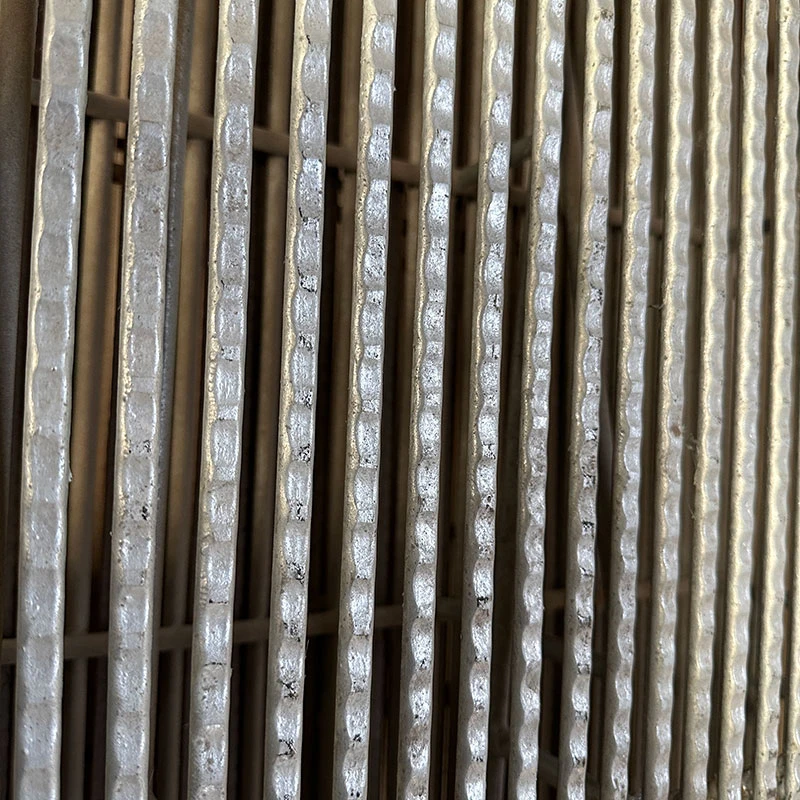
At its core, aluminum floor grating is a panel or mesh made primarily from aluminum alloy. These panels feature a pattern of open spaces — typically bars or meshes — designed to support walking or equipment loads while allowing drainage, ventilation, and light passage.
Its lightweight and corrosion-resistant nature distinguishes it from steel or fiberglass grating commonly used in industrial and commercial settings. Aluminum’s unique properties make floor grating easier to install, maintain, and tailor to varying conditions.
In practical terms, you’ll find aluminum floor grating on platforms, catwalks, stairs, mezzanine floors, and even critical infrastructure projects designed for disaster relief or remote industrial zones — because it balances strength, safety, and longevity so well.
Mini takeaway:
Aluminum floor grating = durable, lightweight, open-patterned panels made of aluminum alloy, used where safety, airflow, and corrosion resistance count.
Key Features Shaping Aluminum Floor Grating’s Success
Durability and Corrosion Resistance
Aluminum naturally forms a protective oxide layer, preventing rust unlike steel. For environments exposed to moisture, chemicals, or saltwater — think marine docks or food processing plants — this is a game-changer. The longevity reduces downtime, maintenance costs, and safety risks.
Lightweight Yet Strong
Aluminum has about one-third the weight of steel but maintains significant load-bearing capacities. That means less structural support needed, easier installation, and often lower transportation costs. For big projects, this quickly translates into tangible savings and operational efficiencies.
Versatility & Customization
Manufacturers can mold aluminum floor grating into many designs — from serrated, smooth, to perforated surfaces — adapting for slip resistance, drainage, or aesthetic demands. This versatility makes it attractive across industries.
Cost Efficiency Over Time
While initially more expensive than some materials, aluminum’s reduced maintenance and replacement frequency deliver a better return on investment. Factoring in less worker downtime for repairs adds to this picture.
Safety Considerations
Many aluminum grating designs integrate anti-slip surfaces and meet strict OSHA standards, crucial for worker safety in industrial areas prone to spills or wet conditions. That’s not just legal compliance, but a moral imperative that pays off in fewer accidents.
Mini takeaway:
Durability, lightweight, versatility, cost-efficiency, and safety are the pillars behind aluminum floor grating’s widespread use — a perfect fit for tough industrial realities.
Where Is Aluminum Floor Grating Used Around the World?
Its adoption spans many sectors and geographies:
- Industrial Manufacturing: Factories in Germany, Japan, and the U.S. rely on aluminum floor grating for walkways and platforms that withstand heat and corrosive chemicals.
- Marine and Offshore Facilities: Saltwater resistance makes it critical on oil rigs off the Gulf Coast and in Scandinavian shipyards.
- Disaster Relief and Humanitarian Projects: In remote locations like Southeast Asia or sub-Saharan Africa, modular setups using lightweight aluminum grating expedite safe shelter construction after floods or earthquakes.
- Transportation Hubs: Airports and rail terminals worldwide use aluminum gratings for safe pedestrian access and ventilation benefits.
For example, after the 2015 Nepal earthquake, NGOs utilized aluminum grating in temporary walkways to ensure safe access in unstable terrain — proving its value beyond factories and ports.
Mini takeaway:
The global reliance on aluminum floor grating spans industries and urgent humanitarian contexts alike — making it a quietly vital enabler of safety and infrastructure.
Table: Typical Specifications for Aluminum Floor Grating Panels
| Specification | Typical Value | Notes |
|---|---|---|
| Material Grade | 6061-T6 Aluminum Alloy | Commonly used for strength & corrosion resistance |
| Panel Size | 24" x 48" (custom sizes available) | Standard modular size |
| Load Capacity | 400–1000 lbs/ft² | Depends on design and alloy thickness |
| Surface Type | Serrated or Smooth | Serrated for anti-slip |
| Weight | ~2.5 lbs/ft² | Significantly lighter than steel |
| Finish Options | Mill, Anodized, Powder Coated | For aesthetics and extra corrosion protection |
Advantages and Long-Term Value of Aluminum Floor Grating
At first glance, aluminum grating might just look like a simple platform. But invest a little time, and you’ll see why many engineers favor it:
- Cost savings: Lower lifecycle expenses due to minimal maintenance and fewer replacements.
- Environmental benefits: Aluminum is 100% recyclable without quality loss. Using it supports circular economy principles aligned with ISO standards.
- Safety and trust: Workers feel more secure walking on stable, slip-resistant surfaces — reducing accidents and insurance claims.
- Innovation: Smooth integration with digital design tools enables precise customization, saving time on-site.
There’s also a less tangible but no less important factor: clients often mention peace of mind knowing their facility uses quality materials that “actually last.” It’s a subtle confidence, a professional satisfaction you can’t just buy off-the-shelf.
Future Trends Shaping This Industry
Aluminum floor grating isn’t standing still. The future looks bright with:
- Advanced alloys that improve strength-to-weight ratios even further.
- Smart coatings that can self-heal minor corrosion or dirt buildup.
- Integration with IoT sensors to monitor stress, temperature, or wear in real-time.
- More sustainable manufacturing processes powered by renewable energy.
I noticed more companies investing in 3D scanning and digital twins — helping designers optimize grating layouts for maximum safety and minimum waste before a single panel is cut.
Common Challenges and How Professionals Tackle Them
Of course, no solution is perfect. Some issues include:
- Initial cost can be higher than steel or fiberglass alternatives, making budgeting tricky.
- Susceptibility to dents or deformation under heavy impact (though alloys and thickness help mitigate this).
- Installation complexity if custom shapes or cuts are required on-site.
Experts suggest careful upfront planning, choosing the right grade and pattern for application, and working with vendors offering customization and quick delivery — this often makes the difference between a project that drags on and one that flows smoothly.
Vendor Comparison: Key Aluminum Floor Grating Providers
| Vendor | Product Range | Customization | Lead Time | Sustainability Credentials |
|---|---|---|---|---|
| AluGrate Inc. | Standard & custom serrated grating | High – CNC cutting & shaping | 2–3 weeks | ISO 14001 certified manufacturing |
| MetalFloats | Marine grade aluminum grating | Medium – limited designs | 1–2 weeks | Uses 80% recycled aluminum |
| EcoGrate Solutions | Wide selection including anodized finishes | High – design consultations offered | 3–4 weeks | 100% renewable manufacturing |
FAQ: Real Questions About Aluminum Floor Grating
1. How does aluminum floor grating compare to steel in terms of maintenance?
Aluminum floor grating requires significantly less maintenance than steel, primarily because it doesn’t rust. This means fewer replacements and less downtime for painting or repairs. However, aluminum can dent more easily than steel, so applications should consider load and impact type.
2. Can aluminum floor grating be used outdoors in harsh environments?
Absolutely. Aluminum’s natural corrosion resistance makes it ideal for outdoor use, especially in marine or chemical-exposed environments. Many products also come with anodized or powder-coated finishes for enhanced protection.
3. Is aluminum floor grating recyclable and environmentally friendly?
Yes, aluminum is fully recyclable without quality loss, which reduces environmental impact. Manufacturers selling aluminum grating often incorporate recycled aluminum, helping close the production loop and meet sustainability certifications.
4. How do I determine the right size and type of aluminum floor grating for my project?
Consult with manufacturers or industry experts who can assess the load requirements, environmental conditions, and safety regulations relevant to your application. Custom sizing and serrated surfaces can be tailored accordingly.
5. Will aluminum floor grating comply with OSHA safety standards?
Many aluminum grating products are designed to meet or exceed OSHA slip resistance and load requirements. Always check product certifications to ensure compliance with your specific jurisdiction.
Wrapping Up: Why Aluminum Floor Grating Is a Smart Investment
Aluminum floor grating quietly excels where many other materials falter. Its blend of strength, corrosion resistance, lightweight design, and versatility make it indispensable across global industries and critical humanitarian projects. Beyond rational benefits, it delivers a kind of steady confidence for workers and managers alike — a reassurance that’s priceless.
If you want to explore the best options for your industrial or commercial needs, I highly recommend visiting our supplier’s website to learn more about customizable aluminum floor grating solutions.
References
Post time: Dec . 02, 2025