Understanding the Role of Aluminum Cattle Water Troughs in Modern Livestock Care
If you’ve spent anytime working with livestock or even just admiring sustainable farming solutions, you might have come across the term aluminum cattle water trough. But what exactly makes these seemingly simple containers so crucial on a global scale — and why are they increasingly favored in both industrial and humanitarian contexts? Let’s unpack this.
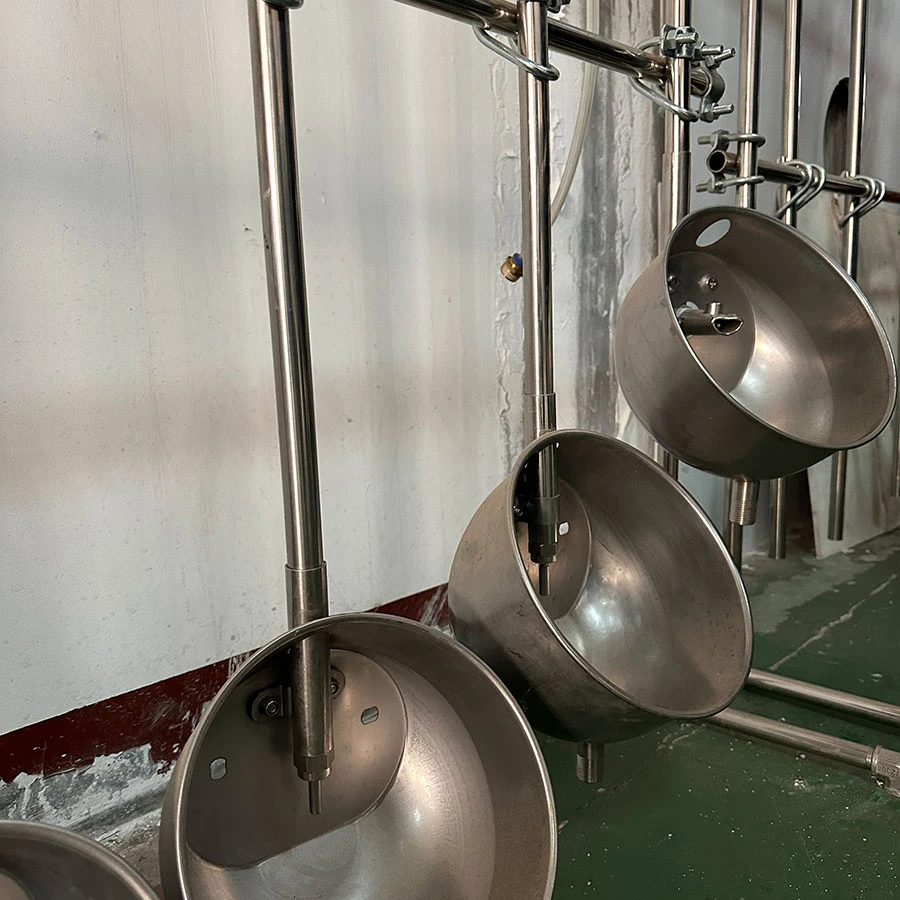
Simply put, an aluminum cattle water trough is a durable, corrosion-resistant basin designed for providing drinking water to livestock, primarily cattle. While its purpose appears straightforward, the materials and design innovations behind it address a surprisingly broad set of challenges faced by farmers, relief organizations, and livestock managers worldwide.
Mini takeaway: Aluminum cattle water troughs aren’t just "metal bowls" for animals; they represent smart, sustainable livestock hydration solutions used globally to improve animal welfare and operational efficiency.
Why Aluminum Water Troughs Matter Globally
Livestock water management is a global issue, impacting food security, rural livelihoods, and even climate resilience. According to the World Bank, rural communities depend heavily on livestock for income, nutrition, and cultural heritage — but water scarcity and infrastructure challenges still plague many regions.
Here’s where aluminum cattle water troughs come in. Unlike plastic or concrete alternatives more commonly used, aluminum offers a lightweight yet tough material that resists corrosion in harsh outdoor environments — whether in African savannahs, South American ranches, or remote Asian highlands. This means a longer lifespan and less replacement hassle, valuable wherever maintenance resources are stretched thin.
Plus, in disaster-relief zones or rapidly developing agricultural setups, quick deployment and portability are essential. Aluminum troughs, being lighter and modular, make this easier compared to bulkier steel or concrete ones.
Mini takeaway: The global livestock sector benefits from aluminum water troughs by bridging resource gaps and enabling reliable, scalable animal care even under difficult conditions.
What Exactly Is an Aluminum Cattle Water Trough?
At its core, it’s a water container fabricated mainly from aluminum alloys, designed for livestock hydration. Modern versions often integrate UV-resistant coatings and reinforced joints to handle both thermal expansion and rough handling by cattle.
From an industry standpoint, these troughs tie into modern livestock management systems, which emphasize animal wellbeing, hygiene, and resource efficiency. Non-porous aluminum prevents algae and bacteria buildup better than porous materials, and its recyclability aligns with sustainability principles in agriculture.
Key Components That Make Aluminum Troughs Stand Out
Durability and Corrosion Resistance
One of aluminum’s primary draws is its natural oxide layer, which protects against rust and oxidation — critical if your water source is salty or the trough is exposed to harsh weather. This results in a product that often outlasts galvanized steel or plastic alternatives by many years.
Lightweight and Portability
Oddly enough, farmers report that maneuvering aluminum troughs is much easier — a boon when relocating cattle or setting up temporary watering sites. They tend to weigh roughly half as much as steel troughs of the same size.
Ease of Cleaning and Maintenance
Thanks to smooth surfaces and minimal seams, it’s easier to clean these troughs and reduce bacterial contamination. Keeping water sanitary for cattle affects their health directly, impacting meat and milk production.
Thermal Conductivity
Aluminum conducts heat quite well, meaning water cools rapidly on cold days but may also warm quickly in hot climates. Designers account for this by including shading options or insulation layers to maintain fresher water for longer.
Cost Efficiency Over Time
While initial purchase price may be a bit higher than plastic tubs, aluminum's durability reduces replacement and repair frequency — a silent saver in the long run.
Mini takeaway: The blend of tough, lightweight, and hygienic design elements explains why aluminum water troughs continue to carve out a unique niche in livestock care products.
Aluminum Cattle Water Troughs in Action: Real-World Applications
Let’s imagine a drought-affected region in East Africa, where water sources are limited and infrastructure investments slow. Non-corroding, portable aluminum water troughs deployed by NGOs allow herders to distribute water efficiently across scattered grazing areas, improving cattle survival rates.
Or consider a vast ranch in Australia, where the aluminum troughs’ longevity means fewer replacements during harsh sun and aggressive cattle handling, saving operational headache and downtime.
Aluminum cattle water trough products are also vital in colder climates, where their resistance to cracking under freeze-thaw cycles trumps cheaper plastic alternatives.
| Specification | Details |
|---|---|
| Material | Aluminum 6061 Alloy with UV protective coating |
| Dimensions | 150 cm L × 60 cm W × 50 cm H |
| Capacity | Approximately 450 liters |
| Weight | Around 18 kg (empty) |
| Maintenance | Simple wipe-down cleaning, corrosion-resistant, recommended annual inspection for joints |
Comparing Vendors: Choosing the Right Aluminum Cattle Water Trough
| Feature | Vendor A | Vendor B | Vendor C |
|---|---|---|---|
| Aluminum Grade | 6061-T6 | 5052-H32 | 3003-H14 |
| Warranty | 5 years | 3 years | 2 years |
| Custom Sizes Available | Yes | No | Yes |
| UV Protection Coating | Included | Optional | Not Available |
| Average Lead Time | 2 weeks | 4 weeks | 3 weeks |
The Long-Term Advantages of Aluminum Water Troughs
If I’m honest, what really tips the scales in favor of aluminum cattle water troughs is their mix of reliability and sustainability. Over time, they cut down on replacement costs, reduce water contamination risks, and help farmers maintain healthier herds.
From an emotional viewpoint, there’s a peace of mind that comes with knowing your cattle are drinking safely from a clean, durable source — and that your investment lasts through seasons and tough handling. Even for relief agencies, aluminum troughs symbolize an innovation that balances dignity with practicality for vulnerable agricultural communities.
Looking Ahead: Innovations and Sustainability in Water Trough Design
Interestingly, the future for these troughs looks bright — and green. Some new designs incorporate solar-powered water level sensors and automated cleaning systems, reducing labor while ensuring cattle never run dry. Aluminum’s recyclability fits neatly within circular economy goals promoted by organizations like the ISO (International Organization for Standardization).
We’re also seeing research into nano-coatings that repel biofilm formation, key in wetter climates, plus modifications that retain cooler water for longer in extreme heat.
Common Challenges and How the Industry Addresses Them
That said, aluminum isn’t a magic bullet. Thermal conductivity can sometimes cause water to become too warm, especially without proper shade. Plus, harsh impacts from larger livestock can cause dents (though rarely leaks). Manufacturers solve these with reinforced designs and accessory shading.
Maintenance requires periodic inspection, but in remote regions, even minor upkeep can be tough—pushing some toward self-cleaning innovations.
FAQ: Your Questions About Aluminum Cattle Water Troughs Answered
- Q: How long does an aluminum cattle water trough usually last on average?
- A: Under typical outdoor conditions and regular maintenance, aluminum troughs can last 10-20 years, which greatly surpasses plastic or concrete models that tend to degrade or crack sooner.
- Q: Are aluminum water troughs suitable for very cold climates?
- A: Yes — aluminum’s durability and resistance to freeze-thaw damage make it excellent for cold zones. However, it’s wise to use insulation or covers to maintain water temperature and prevent freezing.
- Q: Can these troughs be customized in size or shape?
- A: Absolutely. Many manufacturers offer custom troughs tailored to specific ranch sizes or herd needs, which allows farms to optimize watering efficiency.
- Q: What maintenance do aluminum cattle troughs require?
- A: Simple cleaning to prevent algae and sediment buildup, checking for dents or leaks, and ensuring no sharp edges develop from wear—most users do this annually.
- Q: Is it possible to install automated water level sensors on these troughs?
- A: Yes, the lightweight metal offers easy mounting points for sensors that alert farmers when water levels drop, improving herd hydration monitoring.
Final Thoughts: Why Choose Aluminum for Your Cattle Water Needs?
In real terms, aluminum cattle water troughs blend smart engineering with frontline practicality. Offering longevity, hygiene, and flexibility, they support livestock sustainability across diverse environments. For farmers, relief workers, and industry suppliers alike, investing in quality aluminum troughs isn't just good practice — it’s a forward-looking choice.
If you want to dive deeper or browse quality aluminum water troughs, visit our website and see how the best in class can work for your cattle care needs.
Mini takeaway: Durable, adaptable, and backed by innovation, aluminum cattle water troughs are quietly revolutionizing livestock hydration worldwide.
References & Further Reading
Post time: Dec . 02, 2025