Understanding Aluminium Mesh Flooring: Why It Matters Today
Aluminium mesh flooring might sound niche, technical, or even a little obscure, but it’s quietly shaping industries worldwide — from livestock management to industrial construction. At its core, this product offers a blend of lightness, durability, and breathability that fewer materials can match. Across the globe, where lightweight but sturdy flooring surfaces are crucial, aluminium mesh floors reduce hazards, improve hygiene, and boost efficiency.
Why should you care? Well, with the UN predicting urban and industrial areas will grow exponentially over the next few decades, materials that perform under pressure — literally — are vital. Aluminium mesh floors meet this need with sustainability in mind, making them a smart investment for a future-conscious industry.
Mini takeaway: Aluminium mesh flooring’s rise is no accident; its versatile benefits across industries have made it indispensable in modern applications.
The Global Landscape for Aluminium Mesh Flooring
Let’s face it — infrastructure around the world is aging, and industries are demanding more efficient, adaptable materials. According to ISO’s recent industrial material reports, aluminium alloys are among the fastest-growing flooring materials globally, largely thanks to their corrosion resistance and recyclability.
In sectors ranging from agricultural facilities—particularly poultry and livestock—to warehouses and even offshore platforms, aluminium mesh flooring handles wear, moisture, and temperature swings better than alternatives like steel grating or traditional wood. But what problem does it really solve?
Many industrial and humanitarian projects face the challenge of durable, hygienic flooring that’s light enough to transport and install quickly in uneven or remote conditions. Aluminium mesh flooring answers that by combining strength and airflow, which helps reduce illnesses in livestock and workers alike.
Mini takeaway: Aluminium mesh flooring is filling an important gap in infrastructure challenges worldwide, emphasized by global sustainability standards.
So, What Exactly Is Aluminium Mesh Flooring?
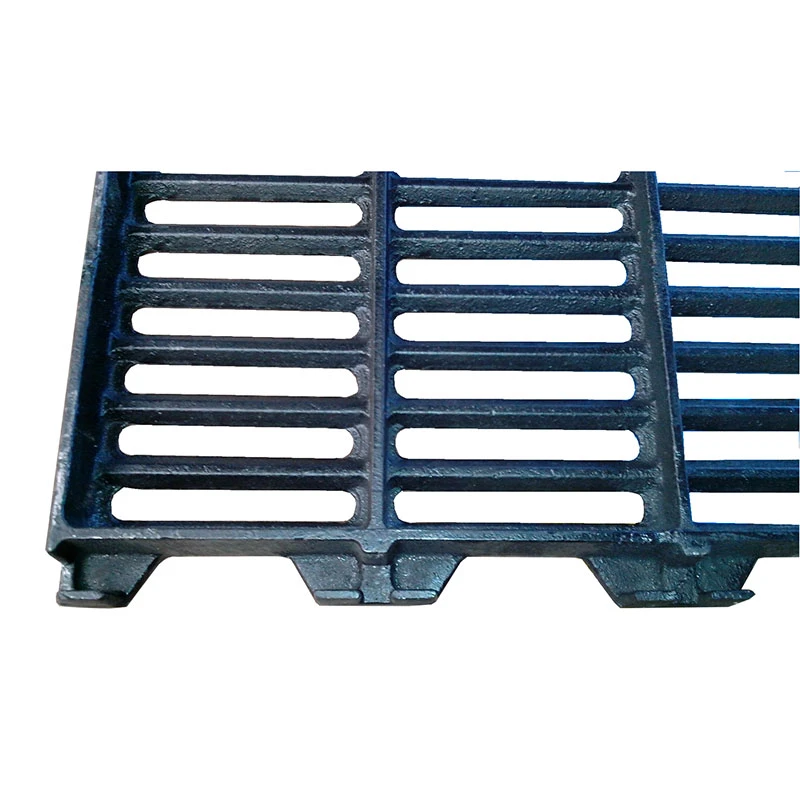
Put simply, it’s a grid-like flooring panel made primarily from aluminium, featuring a series of perforations or mesh patterns. This design ensures robust load-bearing capacity while allowing fluids and air to pass through, which is essential in many hygienic or safety-sensitive environments.
It's not some shiny decoration. More like a workhorse designed to balance lightness and strength. Its aluminium base makes it naturally corrosion-resistant and easy to clean, which is essential for modern industries that prioritize hygiene, like livestock farming or food processing plants.
Connection to Larger Needs
This product’s unique features align with broader humanitarian and industrial needs — such as those covered in sustainable development goals set by the UN — because it supports sustainability, animal welfare, and improved working conditions in challenging environments.
Key Features Making Aluminium Mesh Flooring a Standout
1. Durability and Corrosion Resistance
Aluminium alloys resist rust and degradation, even when exposed to moisture or chemicals. This is huge for practices like aluminium mesh flooring in livestock buildings where urine and humidity are constant stressors.
2. Lightweight Advantage
Compared to steel, aluminium’s lower weight simplifies transport, installation, and maintenance — crucial for modular or temporary structures.
3. Enhanced Hygiene through Perforations
The mesh design lets liquids and debris fall through rather than pool, cutting down on harmful bacteria buildup and improving overall sanitation.
4. Load-Bearing Strength
Despite its lightness, quality aluminium mesh flooring sustains significant weights — important for heavy machinery or large animals.
5. Versatility and Customization
Available in various mesh sizes, thicknesses, and finishes, it adapts to diverse industrial demands, from chemical plants to poultry houses.
Mini takeaway: Aluminium mesh flooring isn’t a one-trick pony. Its multifaceted attributes deliver practical solutions exactly where industries need them most.
Global Applications: From Farms to Factories
Aluminium mesh flooring is not bound by borders or sectors. It’s widely used in Europe for sustainable poultry flooring systems, favored in Australia’s dairy industry to limit infections, and integral to Scandinavian offshore oil rig platforms needing lightweight corrosion resistance.
- Post-Disaster Relief: Quick-to-install aluminium mesh floors create sanitary shelters and animal pens shortly after natural calamities.
- Remote Industrial Zones: In mining camps or desert installations, their ease of handling lowers setup times significantly.
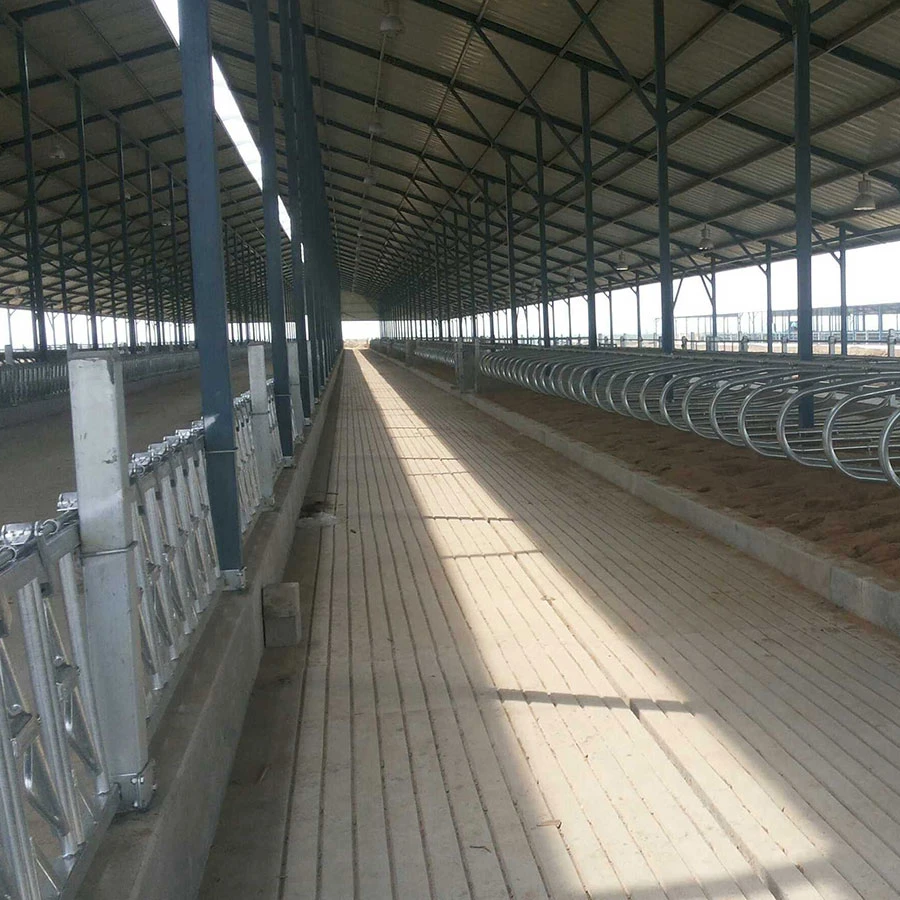
- Agricultural Operations: Farmers benefit from improved animal health due to better drainage and ventilation.
One notable example is a German agricultural cooperative that reported a 20% reduction in respiratory diseases among livestock after switching to aluminium mesh flooring. That’s no small improvement when you consider animal welfare and productivity.
Advantages: Looking Beyond the Surface
Costs initially might seem higher versus simple wood or concrete slabs, but the longevity and reduced maintenance translate into overall savings. Plus, aluminium mesh flooring’s recyclability adds a sustainability bonus — a win in today’s eco-conscious market.
The emotional side? Safety and dignity. Workers and animals benefit from less slip-related risks and healthier air quality, building trust and motivation in daily routines. Innovation here isn’t just a gadget — it’s a genuine improvement in life quality.
Product Specification Table: Typical Aluminium Mesh Flooring Panel
| Specification | Typical Value | Notes |
|---|---|---|
| Material | Aluminium Alloy 6061-T6 | Common for high strength & corrosion resistance |
| Panel Dimensions | 1200 mm x 600 mm | Standard sizing for modular fit |
| Mesh Opening | 10 mm x 10 mm | Balances drainage and structural integrity |
| Thickness | 3 mm | Ensures load capacity while minimizing weight |
| Weight | ~2.5 kg per panel | Light enough for easy handling |
| Load Capacity | Up to 1,000 kg/m² | Strong enough for heavy industrial use |
Comparing Vendors: What Sets Them Apart?
| Vendor | Customization | Delivery Time | Sustainability Focus | Technical Support |
|---|---|---|---|---|
| AluMesh Solutions | High – custom mesh patterns & alloys | 2-3 weeks | ISO 14001 Certified | 24/7 technical helpline |
| Global Floor Tech | Medium – fixed mesh sizes with minor tweaks | 1 week | Recycles 85% aluminium scrap | Email support in business hours |
| EcoPanels Ltd. | Low – standard panels only | 3-4 weeks | Focus on 100% recycled aluminium | Quarterly onsite visits |
Looking Ahead: Innovations and the Future of Aluminium Mesh
The future? It’s electric and green. Several companies are experimenting with smart floor panels embedded with sensors for temperature, moisture, or structural fatigue monitoring. Integrating solar-reflective coatings or using ultra-high-strength alloys reduces energy waste during manufacturing and transportation.
Plus, digital fabrication techniques such as 3D printing and robotic assembly are already speeding up production, making custom orders both faster and more affordable.
Given global pushes for carbon neutrality, aluminium mesh flooring will likely remain a favored choice due to aluminium’s high recyclability — over 75% of all aluminium ever produced is still in use today (source).
Challenges and How Industry Leaders Are Tackling Them
No product is perfect. Aluminium mesh flooring’s biggest hurdles include initial cost and vulnerability to surface scratches or dents under excessive impact. However, modern anodizing and powder-coating processes vastly improve resistance and lifespan.
Transporting large panels to highly remote areas can be logistically complex, but modular packaging and foldable designs offer new pathways to ease delivery.
FAQ: Quick Answers About Aluminium Mesh Flooring
- Q: How does aluminium mesh flooring improve livestock health?
- A: By allowing waste and liquids to drain, the mesh design reduces dampness and bacteria, lowering disease risk. It improves airflow, which boosts comfort and hygiene.
- Q: Can aluminium mesh flooring support heavy industrial equipment?
- A: Yes, depending on thickness and alloy used, it can support loads upwards of 1,000 kg/m², making it suitable for many heavy-duty applications.
- Q: Is aluminium mesh flooring environmentally friendly?
- A: Absolutely. Aluminium is highly recyclable and corrosion resistant, reducing the need for replacement and limiting material waste.
- Q: Can I customize the mesh size and panel dimensions?
- Many suppliers offer customization options to fit specific operational needs, from finer meshes for smaller debris to larger openings for improved drainage.
Wrapping Up: The Long-Term Value of Aluminium Mesh Flooring
In real terms, aluminium mesh flooring proves itself time and again as an investment for smarter, safer, and more sustainable operations — whether in agriculture, industry, or relief zones. Its balance of durability, hygiene, and adaptability meets practical demands and future challenges alike.
If you’re curious about how aluminium mesh flooring can fit your project’s unique needs, visit our website for detailed product info and expert advice.
References:
1. Aluminium Recycling - Wikipedia
2. Sustainable Development Goals - UN
3. ISO 9001 & 14001 Industrial Standards, 2023 Report
Post time: Dec . 02, 2025