Aluminium Floor Grating: What It Is and Why It Matters Worldwide
If you’ve ever walked across a sturdy metal walkway or inspected a ship’s deck, chances are you’ve encountered aluminium floor grating. It may sound like a niche industrial product, but its presence quietly supports countless industries globally — from manufacturing floors to offshore platforms and even humanitarian aid sites. Why all the fuss about grating made from aluminium? Because it delivers a compelling mix of lightness, durability, and corrosion resistance, which translates into safety and efficiency for infrastructure that’s weathering harsh conditions.
Understanding aluminium floor grating is more than just knowing what it looks like. It’s about appreciating how a seemingly simple product plays a pivotal role in global supply chains, disaster relief, and industrial safety. With growing infrastructure needs worldwide — and strong calls for sustainable, long-lasting materials — get ready to see why aluminium floor grating is becoming more than just a background player in construction and engineering projects.
---
Global Footprint and Challenges That Aluminium Floor Grating Addresses
Industries worldwide are expanding and evolving rapidly. According to the United Nations’ World Urbanization Prospects (2018), more than 68% of the global population is expected to live in urban areas by 2050, pushing the demand for modern infrastructure. Whether it’s transport hubs, factories, or energy platforms, the need for reliable flooring solutions that withstand heavy wear, resist corrosion, and offer safety is massive.
And yet, many regions, especially coastal zones or heavy industrial areas, face harsh environments where steel — historically the go-to grating material — corrodes quickly and adds unwanted weight. Enter aluminium floor grating, a lightweight, corrosion-resistant alternative that cuts downtime and maintenance costs. The challenge? Balancing cost efficiency with longevity and safety — which aluminium does cleverly.
To put it simply: aluminium flooring grates help solve problems around durability in wet or corrosive environments, enhance worker safety with anti-slip surfaces, and make installations easier thanks to their light weight. Pretty neat, right?
---
What Is Aluminium Floor Grating, Anyway?
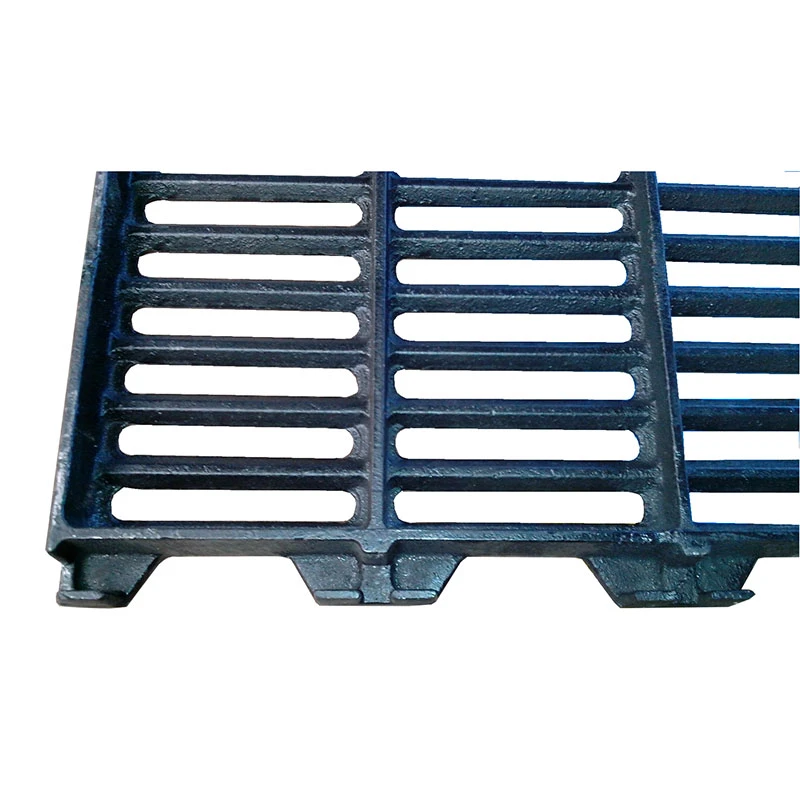
In basic terms, aluminium floor grating is a grid-like metal panel made from aluminum alloys designed to be both strong and lightweight. It’s crafted by pressing or welding together strips of aluminium to create an open lattice that supports weight without blocking airflow or allowing liquids to pool — perfect for industrial and commercial floors.
You’ll find it in places demanding easy maintenance, robust load support, and excellent slip resistance. Modern designs often take cues from engineering standards like ISO 14122-2, which covers safety in industrial walkways. More than that, its roles extend to humanitarian contexts: providing safe, durable walkways or platforms in disaster zones where traditional materials just don’t cut it.
---
Core Features that Set Aluminium Floor Grating Apart
Durability and Corrosion Resistance
Aluminium naturally forms a protective oxide layer, making it highly resistant to rust and corrosion—ideal for marine or chemical environments. Steel grating might corrode in less than a year in coastal areas, whereas aluminium can last multiple years with minimal maintenance.
Lightweight for Easier Handling
Weight matters in installation and structural support. Aluminium weighs roughly one-third as much as steel, which means easier transport and installation — a feature especially beneficial in remote or off-shore locations.
Cost Efficiency Over Time
While aluminium gratings may have a higher upfront cost, the lower maintenance and extended lifespan often lower total ownership costs. Plus, they improve operational safety, thereby reducing potential downtime and accidents.
Safety and Slip Resistance
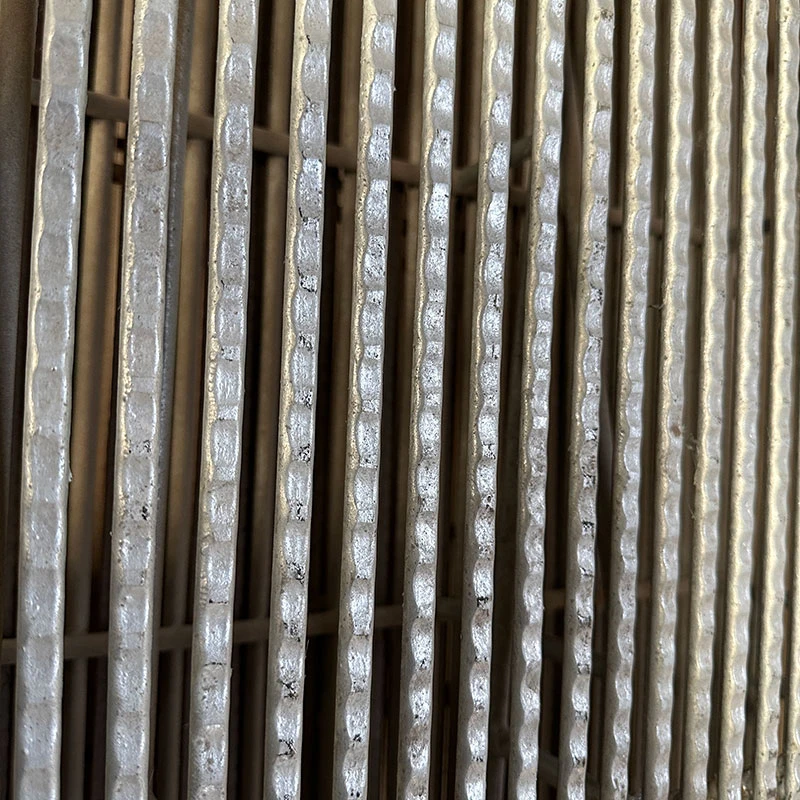
Modern aluminium floor gratings incorporate serrated or raised surface patterns for enhanced slip resistance, critical in environments with water, oil, or high foot traffic.
Customization and Scalability
Because it’s lightweight and versatile, aluminium grating can be fabricated quickly into various panel sizes or shapes, facilitating rapid deployment or retrofitting.
Mini takeaway: Aluminium floor gratings blend strength and ease, making them go-to solutions for many engineering and safety challenges.
---
Where Is Aluminium Floor Grating Making a Real Impact?
The applications are pretty broad, ranging from heavy industry to relief efforts:
- Industrial zones: Factories and power plants use these gratings for walkways, platforms, and stair treads because they resist chemical exposure and heavy loads.
- Offshore and marine sectors: Deployment on oil rigs and ship decks benefits from aluminium’s corrosion resistance and low weight.
- Public infrastructure: Urban transit, pedestrian bridges, and airports choose aluminium grates for longevity and ease of maintenance.
- Emergency and humanitarian use: NGOs use
aluminium floor grating components in rapid shelter setups and temporary infrastructure for disaster zones—especially where speed and durability are critical.
- Renewable energy installations: Solar farms and wind turbine platforms capitalize on aluminium’s ability to withstand the outdoors with minimal upkeep.
For example, after the 2015 earthquake in Nepal, modular disaster shelters with aluminium flooring were rapidly shipped and assembled, proving both resilience and speed of deployment.
---
Product Specification Table
| Feature |
Detail |
| Material |
Aluminium Alloy 6061-T6 |
| Load Capacity |
Up to 5000 kg/m² |
| Panel Size |
Standard 1000 x 2000 mm (custom sizes available) |
| Surface Finish |
Serrated anti-slip texture |
| Corrosion Resistance |
Excellent in marine and chemical atmospheres |
| Typical Lifespan |
15+ years (varies with environment) |
---
Looking Ahead: Trends and Innovations in Aluminium Floor Grating
Looking forward, the industry is humming with new ideas:
- Smart sensing surfaces that detect wear or contamination are in early stages, giving facility managers data to improve safety.
- Green manufacturing techniques focus on reducing the carbon footprint of aluminium production, aligned with ISO 14001 standards.
- Recycled aluminium use is climbing, which maintains strength but slashes environmental impact.
- Hybrid systems combining aluminium with composite materials aim to boost structural strength while reducing weight even further.
- Modular, quick-install designs that ease transport to remote or disaster-prone sites, incorporating standard fittings for faster build times.
It’s a fascinating mix of tradition and cutting edge.
---
Challenges—and Clever Ways to Overcome Them
No product is perfect. Aluminium floor grating has some headwinds:
- Upfront cost: Initial investment is higher than steel, pushing some budgets to balk.
- Thermal expansion: Aluminium expands more with temperature changes, requiring thoughtful design integration.
- Damage risk: Though tough, aluminium can dent or bend from very heavy impacts.
- Customization limits: Some complex shapes remain cost-prohibitive compared to steel fabrication.
To tackle these, engineers:
- Use hybrid supports or reinforced frames.
- Incorporate flexible joints to manage expansion.
- Apply targeted coatings to further boost wear resistance.
The industry shares knowledge freely—because honestly, everyone wins when safety and durability improve.
---
FAQ: Your Practical Questions About Aluminium Floor Grating
- Q: How does aluminium floor grating compare to steel in corrosive environments?
A: Aluminium naturally forms a protective oxidized layer, so it resists rust much better in wet or salty conditions — ideal for marine or chemical plants. Steel tends to corrode faster, increasing maintenance and replacement costs.
- Q: Can aluminium floor grating handle heavy industrial loads?
A: Yes, especially when properly engineered with premium alloys and support structures, aluminium gratings support heavy machinery and pedestrian traffic while being lighter than steel equivalents.
- Q: Is aluminium floor grating recyclable?
A: Absolutely. Aluminium is one of the most recycled metals worldwide, and recycled aluminium retains its strength and durability, making it an eco-friendly choice.
- Q: How easy is it to install aluminium floor grating?
A: Very! Its light weight and modular panel sizes mean quicker, safer installations with less heavy equipment compared to steel grids.
- Q: Where can I find customised aluminium grating solutions?
A: Many manufacturers and vendors, including specialists like CXLivestock, offer custom cutting, finishes, and panel sizes tailored to your project specifics.
---
A Brief Comparison Across Leading Suppliers
| Vendor |
Material Grades |
Customization Levels |
Typical Lead Time |
Warranty |
| CXLivestock |
6061-T6, 6063-T5 |
Full custom cutting & finishes |
2–3 weeks |
10 years |
| AluGrate Inc. |
6061-T6 |
Standard sizes |
3–4 weeks |
7 years |
| MetalMesh Co. |
6063-T5 |
Limited custom options |
1–2 weeks |
5 years |
---
Wrapping Up: Why Aluminium Floor Grating Is Worth Your Attention
When you consider the balance of durability, safety, and sustainability, aluminium floor grating emerges as a smart choice for many industries and scenarios. It eases the challenge of building long-lasting infrastructure where conditions are tough—be it offshore rigs or disaster relief shelters. Plus, the ongoing innovations and growing eco-focus mean choosing aluminium today isn’t just practical, but future-ready.
If you’re involved in construction, infrastructure design, or disaster mitigation, it’s worth exploring how
aluminium floor grating could elevate your projects. From lighter panels to corrosion resistance, the benefits speak on their own.
---
References & Further Reading
- UN World Urbanization Prospects, 2018
- Wikipedia: Aluminium Grating
- ISO 14122-2: Safety of machinery — Permanent means of access to machinery — Part 2
---