Understanding Aluminium Cattle Hurdles: A Cornerstone for Modern Farming
In many parts of the world, managing livestock requires resilient, practical solutions that stand the test of time. Aluminium cattle hurdles have increasingly become a staple in modern farming and animal husbandry due to their lightweight strength and durability. Not only do they improve animal handling efficiency, but they also address broader challenges in global agriculture—such as reducing stress on animals and optimizing farm labor.
Why does this matter globally? Well, with the United Nations noting that livestock contributes to the livelihoods of 1.3 billion people worldwide, streamlining cattle management is both an economic and social priority. Aluminium hurdles are part of that solution — offering long-term benefits to farmers and the animals alike.
Global Context: Why Aluminium Cattle Hurdles Are Gaining Worldwide Importance
Livestock farming is a pillar of food security across continents, especially in developing regions. According to Food and Agriculture Organization (FAO) reports, roughly 60% of agricultural GDP in some low-income countries comes from livestock. Yet, farmers often struggle with cumbersome, rust-prone fencing and handling systems that impair efficiency and animal welfare.
Here’s the catch: traditional steel or wooden hurdles can weigh tonnes, corrode, or degrade under harsh weather—especially in humid or tropical zones. Aluminium cattle hurdles address these challenges by being lightweight and corrosion-resistant, which makes them particularly useful across variable climates from sub-Saharan Africa to Australia.
Moreover, as modern farming scales up and mechanizes, having reliable, maintenance-light barriers is critical. It’s not just a convenience; it’s a productivity game changer.
What Exactly Are Aluminium Cattle Hurdles?
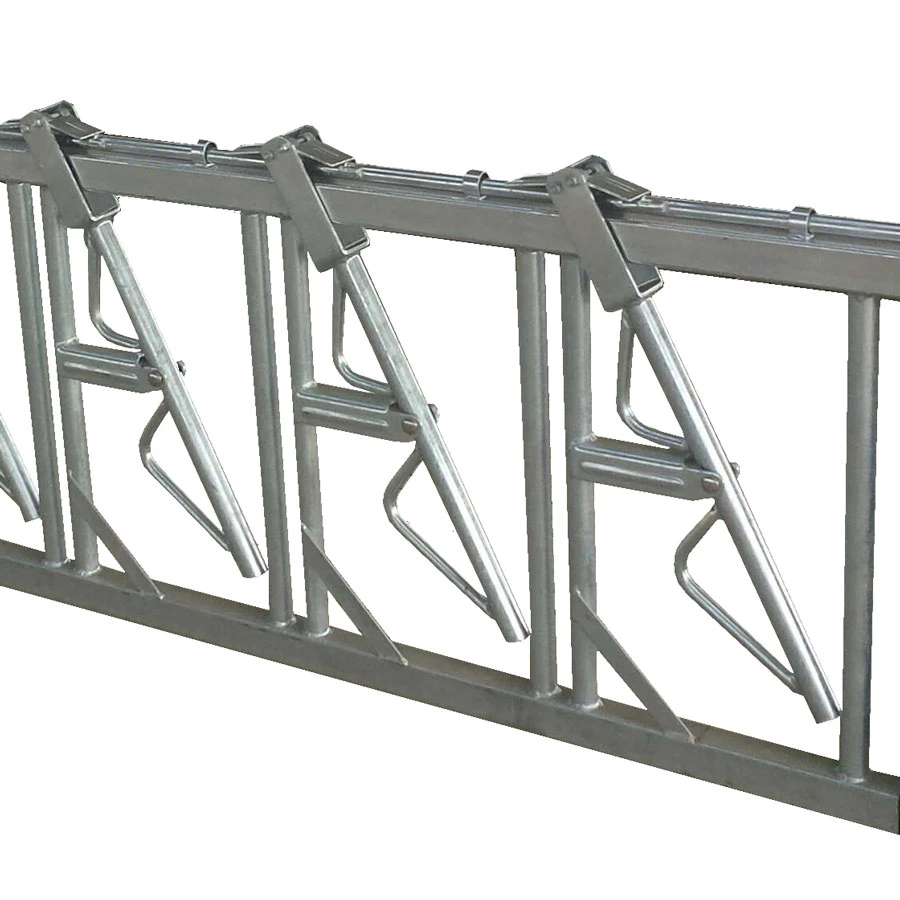
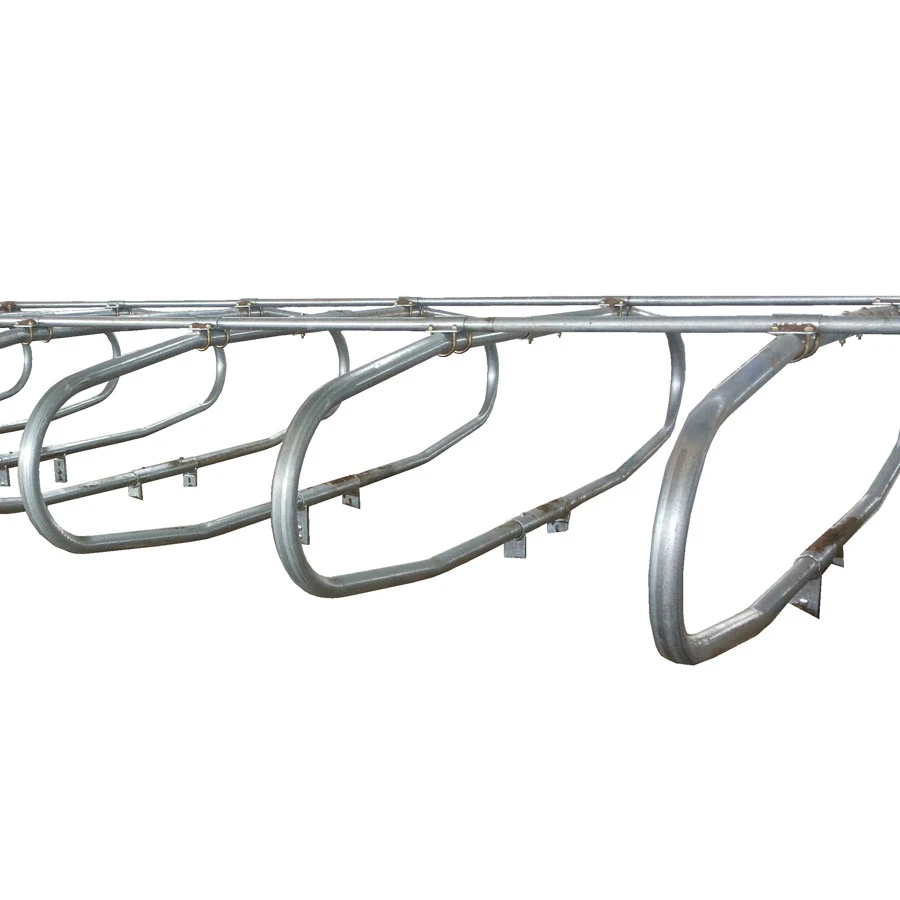
Simply put, aluminium cattle hurdles are portable panels or gates crafted from aluminium, designed to safely contain and direct cattle or livestock. They’re typically modular — so farmers can assemble them into temporary fences, loading ramps, or holding pens. The material’s natural resistance to rust and relative lightness allows quick deployment even without heavy machinery.
In humanitarian contexts, such as post-disaster zones where livestock management remains key for rebuilding livelihoods, these hurdles help NGOs set up rapid animal containment systems. They’re not just practical farming tools; they fill a crucial space in sustainable development and food security frameworks.
Core Features of Aluminium Cattle Hurdles
Durability
Made from high-grade aluminium alloys, these hurdles resist corrosion even in harsh rain, salty sea air, or muddy fields. Unlike untreated steel, you rarely see the flaky rust or structural weakening after just a season.
Lightweight and Portability
Aluminium’s strength-to-weight ratio means farmers can carry or reposition hurdles without forklifts or cranes. This saves time and labor, especially important in remote or rugged terrain.
Safety and Animal Welfare
Smooth, rounded edges and flexible modular designs reduce injury risk for both cattle and handlers. Animals don’t get stuck on rough metal or splinters, which means less stress and better compliance.
Cost Efficiency Over Time
Though initially pricier than wood or low-grade steel, aluminium hurdles often pay for themselves in reduced maintenance, longer lifespan, and increased farm productivity. Many farmers find this tradeoff worth it after 3–5 years.
Modularity and Scalability
These panels can be linked together into larger pens or broken apart for mobile operations. This is perfect for farms expanding in size or those who attend livestock fairs, auctions, or rotating grazing systems.
Real-World Applications of Aluminium Cattle Hurdles
The versatility of aluminium cattle hurdles shines across regions:
- Australia and New Zealand: Large-scale sheep and cattle stations rely on lightweight hurdles for speed and ease in handling thousands of animals.
- Sub-Saharan Africa: NGOs distributing livestock aid use aluminium hurdles for quick pen erecting during drought relief or displacement efforts.
- North America: Dairy farms and rodeo events employ custom-sized aluminium panels for efficient livestock movement and safety.
One case from Kenya’s Rift Valley deals with fast deployment of holding pens following a flood season — aluminium hurdles were the go-to solution to help farmers quickly isolate healthy stock from vulnerable animals.
Advantages and Long-Term Value of Aluminium Cattle Hurdles
It’s not just about the here and now. Aluminium cattle hurdles offer:
- Sustainability: Aluminium is recyclable and significantly extends equipment lifecycle.
- Trust and Safety: Low-risk to animals means fewer veterinary bills and increased output.
- Economic Benefits: Less downtime maintaining fences translates to more time for farming innovation.
- Dignity for Farmers: Reducing manual strain and dangerous lifts preserves health and morale on small farms.
Oddly enough, investing up front in better hurdles can increase farm sustainability — both ecological and economic — in surprising ways. It feels like a small detail, but these details matter.
Innovations & Future Trends in Aluminium Cattle Hurdle Design
New tech in materials science is pushing aluminium alloys toward even lighter, stronger products. Additionally, integrating GPS trackers, sensors for animal monitoring, or solar-powered lighting on hurdle gates is becoming a thing in some progressive farms.
Automation and robotics might soon extend into livestock handling, with aluminium’s compatibility for custom machine attachments making it a logical choice. Plus, the sustainability push means more recycled aluminium and circular economy practices will shape future designs.
Common Challenges and How to Solve Them
No product is perfect, and aluminium cattle hurdles have their quirks:
- Initial Cost: Higher upfront expenses can deter small-scale farmers. Solution? Financing plans or NGO subsidies often help.
- Heat Conductivity: Aluminium can get hot under direct sun, which may cause discomfort to animals. Using shaded pens or protective coatings helps.
- Potential for Damage: Though tough, aluminium panels can dent if hit by heavy machinery, so care and training are advised.
Product Specification Table
| Specification | Typical Value | Comments |
|---|---|---|
| Material | 6061-T6 Aluminium Alloy | High strength & corrosion-resistant |
| Panel Size | 2 m (width) x 1.2 m (height) | Standard modular dimension |
| Weight per Panel | ~15 kg | Easy to handle manually |
| Finish | Anodized or powder-coated | Improves longevity & UV resistance |
| Joining Method | Pin & Lock System | Quick assembly and disassembly |
| Load Capacity | Up to 500 kg lateral pressure | Withstands animal impact |
Vendor Comparison: Aluminium Cattle Hurdles
| Feature | CX Livestock | AgriPanel Co. | FarmGuard Inc. |
|---|---|---|---|
| Material Quality | Premium 6061-T6 Alloy | Standard Aluminium | High-grade but heavier alloy |
| Weight per Panel | ~15 kg | ~18 kg | ~20 kg |
| Assembly Time | Under 2 minutes/panel | 3-5 minutes/panel | 4 minutes/panel |
| Finish Options | Anodized & powder-coated | Basic powder coat | Anodized only |
| Price Range (per panel) | $$$ | $$ | $$$ |
| Warranty | 5 years | 3 years | 4 years |
Frequently Asked Questions About Aluminium Cattle Hurdles
What makes aluminium cattle hurdles better than traditional steel or wooden fences?
Aluminium hurdles combine strength with lightness and corrosion resistance, making them easier to transport, assemble, and maintain. Steel fences often rust and require repainting, while wood can rot or splinter, posing risks to animals and handlers.
How long can aluminium cattle hurdles typically last on a farm?
With proper care, aluminium cattle hurdles can last 10 to 15 years or more. Their resistance to rust and weathering dramatically extends their lifespan compared to iron or wooden counterparts.
Are aluminium cattle hurdles suitable for all climates?
Generally yes, thanks to aluminium’s corrosion resistance. However, in extreme heat, panels might become hot to the touch. Using shade or applying protective coatings helps mitigate this.
Can aluminium cattle hurdles be customized for different animal sizes?
Absolutely. Manufacturers often offer panels in various heights and widths. Modular designs also allow custom pen configurations tailored to specific livestock species or farm layouts.
How can a farmer order aluminium cattle hurdles internationally?
Many companies, including CX Livestock, provide international shipping and support import documentation. It’s best to contact the vendor directly to understand customs processes and shipping fees.
Wrapping Up: The Smart Investment in Aluminium Cattle Hurdles
To sum it all up, aluminium cattle hurdles represent a clever blend of engineering, practicality, and sustainability. For farmers investing in equipment that eases livestock management, improves animal welfare, and endures the elements, these hurdles often come out on top. The combination of lower long-term costs, safety improvements, and global applicability makes them a compelling choice.
Looking for reliable aluminium cattle hurdles? Visit our website: https://www.cxlivestock.com to explore our range and find the perfect fit for your farm’s needs.
Mini Takeaways
- Aluminium hurdles offer unbeatable durability and portability compared to traditional fencing.
- They enhance animal safety and farmer efficiency, reducing labor and injury risk.
- Global farming and relief operations heavily rely on this solution for rapid deployment and longevity.
- Emerging technologies may soon integrate electronic monitoring and automation with hurdle systems.
References and Further Reading
Post time: Dec . 01, 2025