Maximize Livestock Efficiency with an Animate Feed Bin
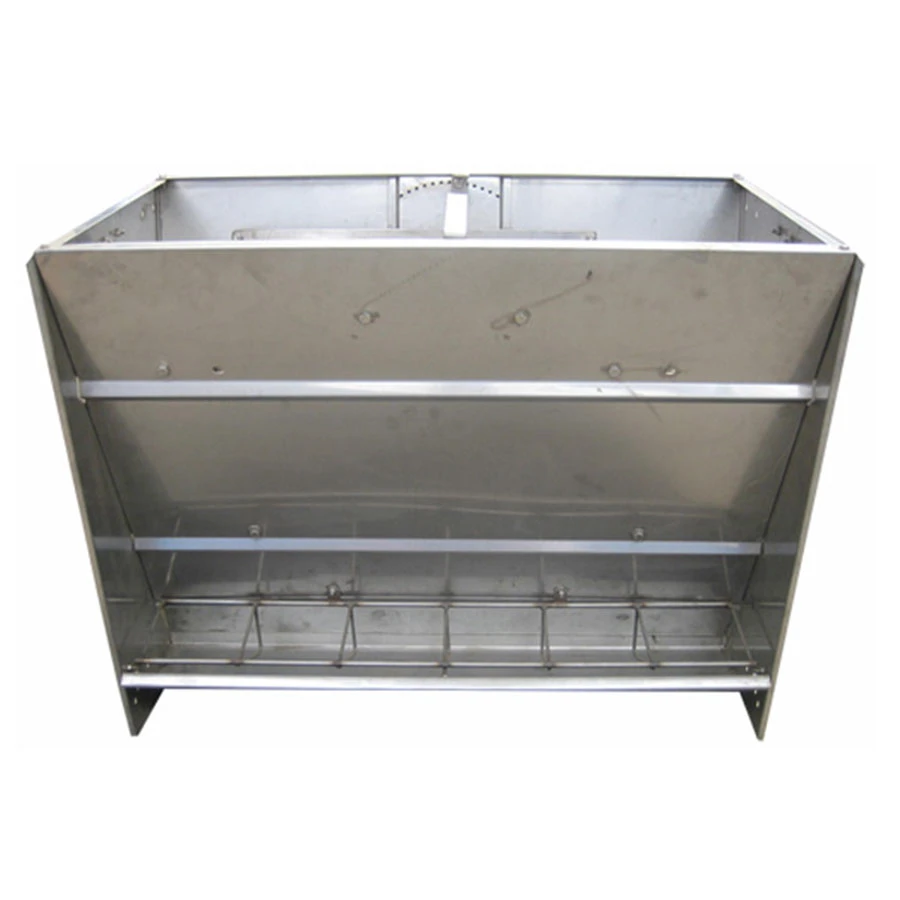
Efficient feed management is the cornerstone of any successful livestock operation. Integrating a high-quality animate feed bin into your facility ensures that nutrition is delivered consistently while minimizing waste and labor costs. Whether you are managing a small family farm or a large-scale commercial enterprise, the right storage solution prevents spoilage and protects feed from pests. In this comprehensive guide, we will explore how the right bin design can transform your feeding workflow, improve animal health, and increase your overall return on investment.
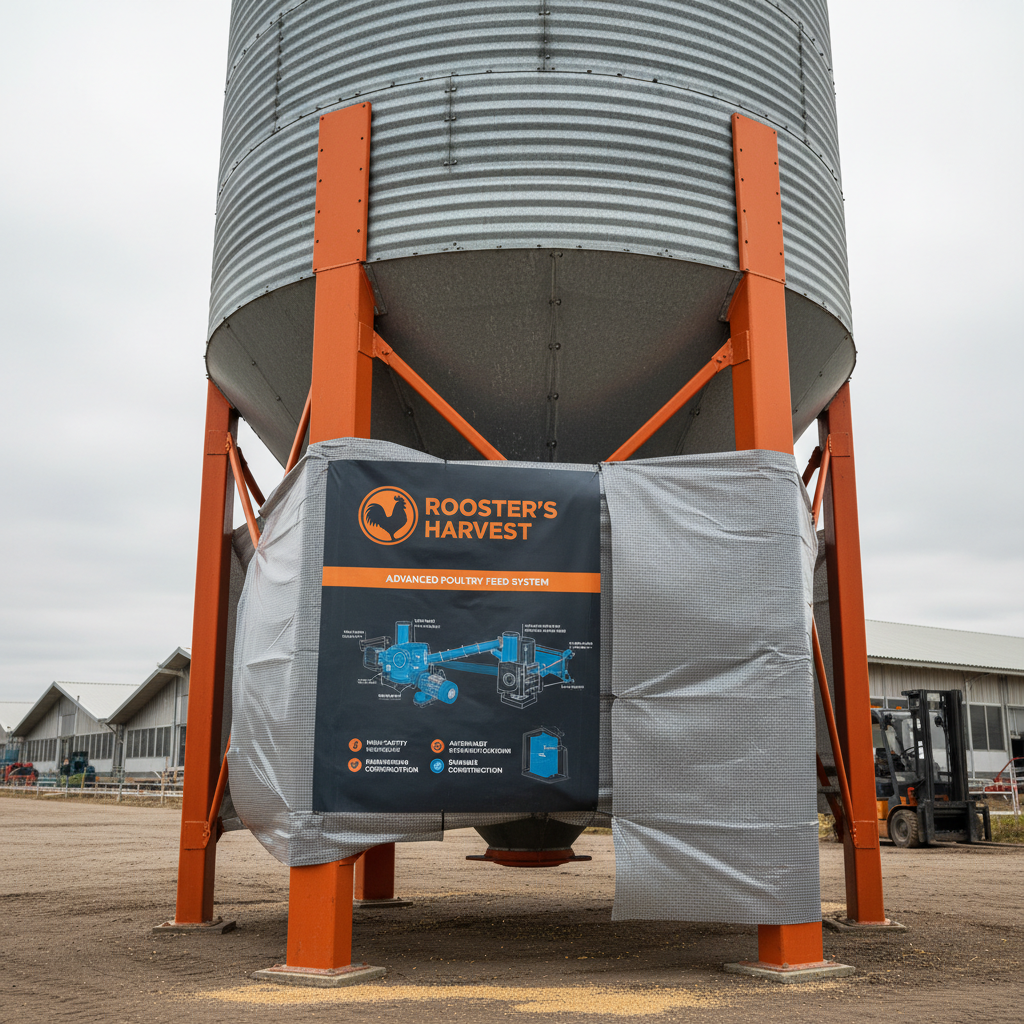
The Core Benefits of an Animate Feed Bin System
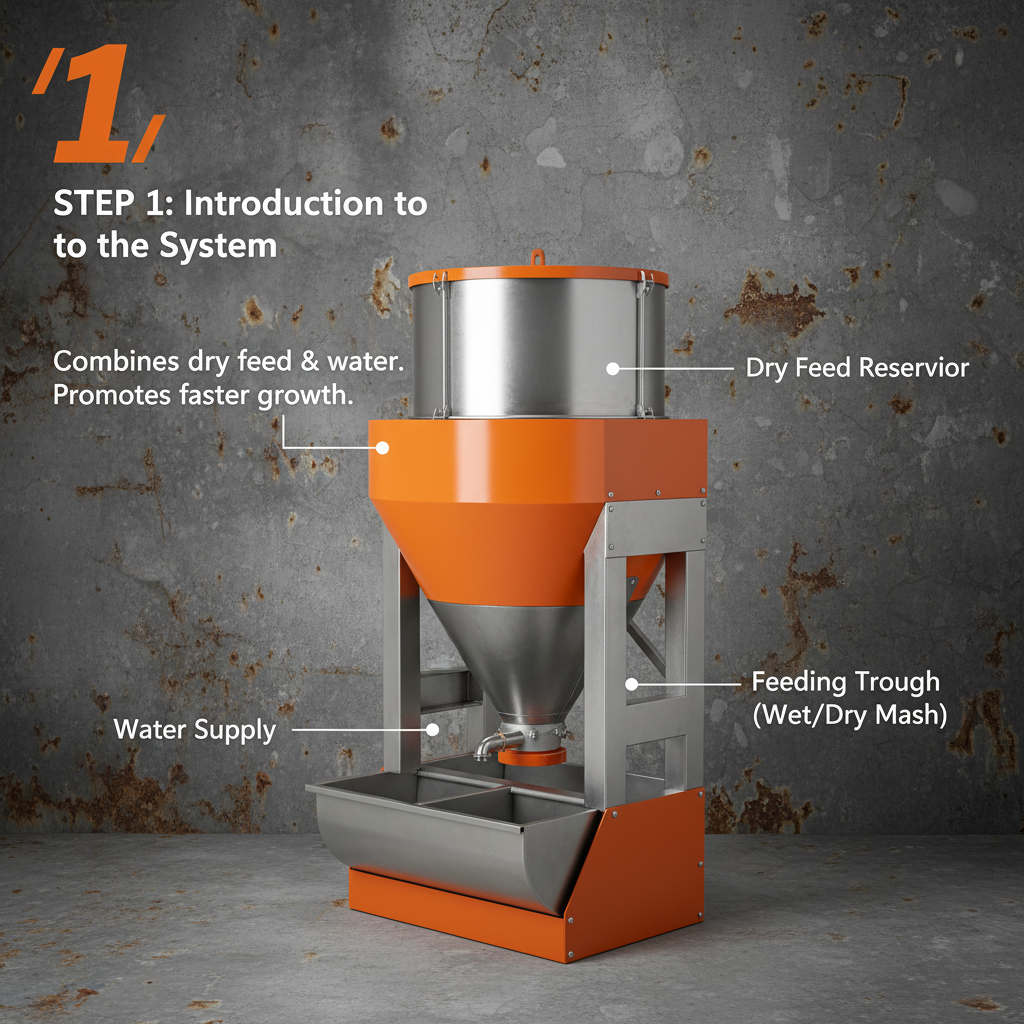
The primary advantage of utilizing an animate feed bin is the drastic reduction in manual handling. By automating the flow of feed from storage to the trough, farmers can eliminate the daily grind of hauling heavy bags. Moreover, these bins are engineered to maintain the nutritional integrity of the feed by shielding it from moisture, oxygen, and temperature fluctuations. This ensures that your livestock receives the exact caloric and vitamin intake required for optimal growth, reducing the risk of malnutrition or feed-related illnesses.
Key Highlights: Reduced labor costs through automation, enhanced feed preservation, and a significant decrease in feed wastage caused by spilling or pest infestation.
Choosing the Right Animate Feed Bin for Your Scale
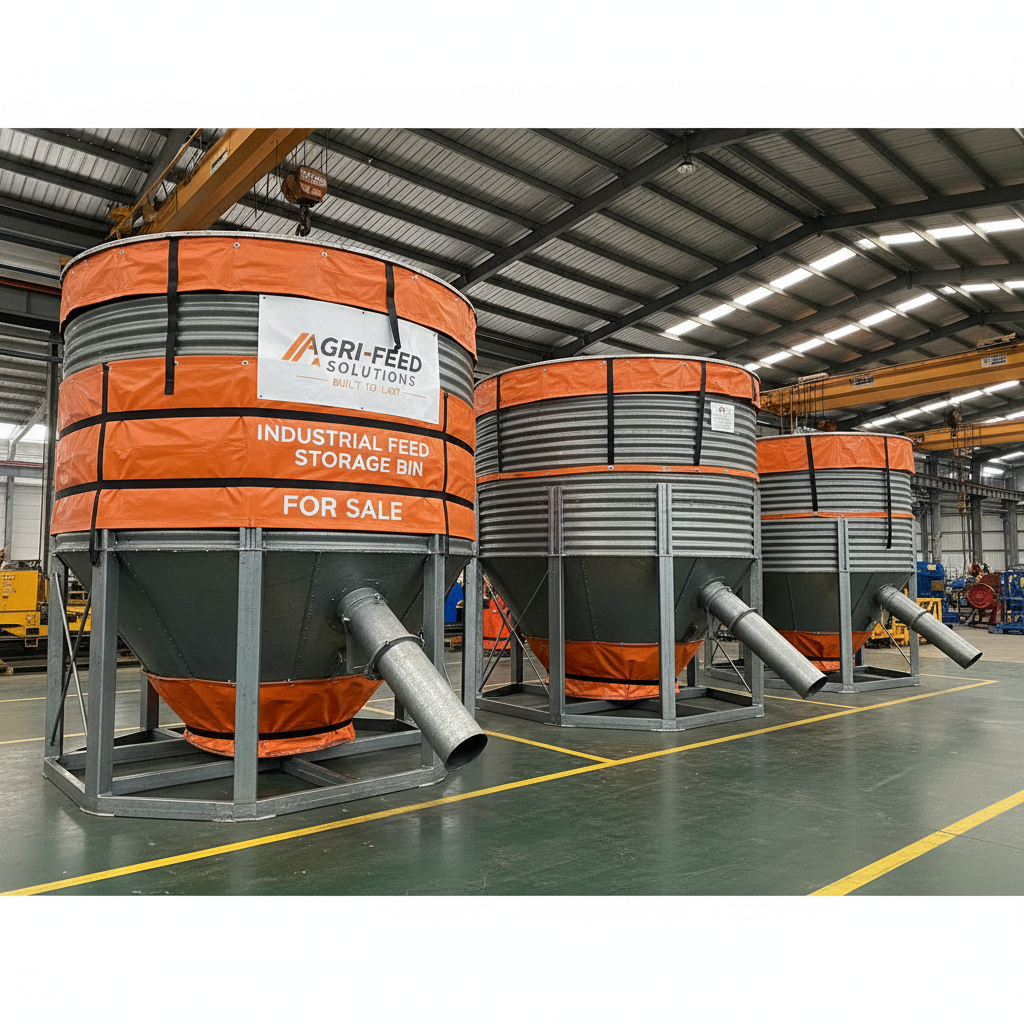
Not all livestock operations have the same requirements. Choosing the right animate feed bin depends on the type of livestock, the volume of feed consumed daily, and the available space in your barn. For instance, poultry operations require different flow dynamics than cattle or swine. It is essential to consider the material durability—galvanized steel is often preferred for its rust resistance in humid environments. By matching the bin capacity to your procurement cycle, you can optimize your supply chain and avoid frequent, costly deliveries.
Selection Criteria:
• Volume: Match capacity to your monthly feed purchase.
• Material: Choose UV-stabilized plastics or galvanized steel.
• Dispensing: Decide between gravity-fed or motorized systems.
• Footprint: Ensure the bin fits within your existing layout.
Animate Feed Bin vs. Traditional Storage: A Comparison
When comparing a modern animate feed bin to traditional bag or open-pile storage, the differences in efficiency are stark. Traditional methods often lead to "bridging" (where feed clumps and stops flowing) and are highly susceptible to rodent infestation. In contrast, automated bins utilize conical bottoms to ensure a first-in, first-out (FIFO) flow, ensuring that the oldest feed is consumed first. This prevents the buildup of mold and ensures a fresher diet for the animals.
Installation and Maintenance of Your Feed System
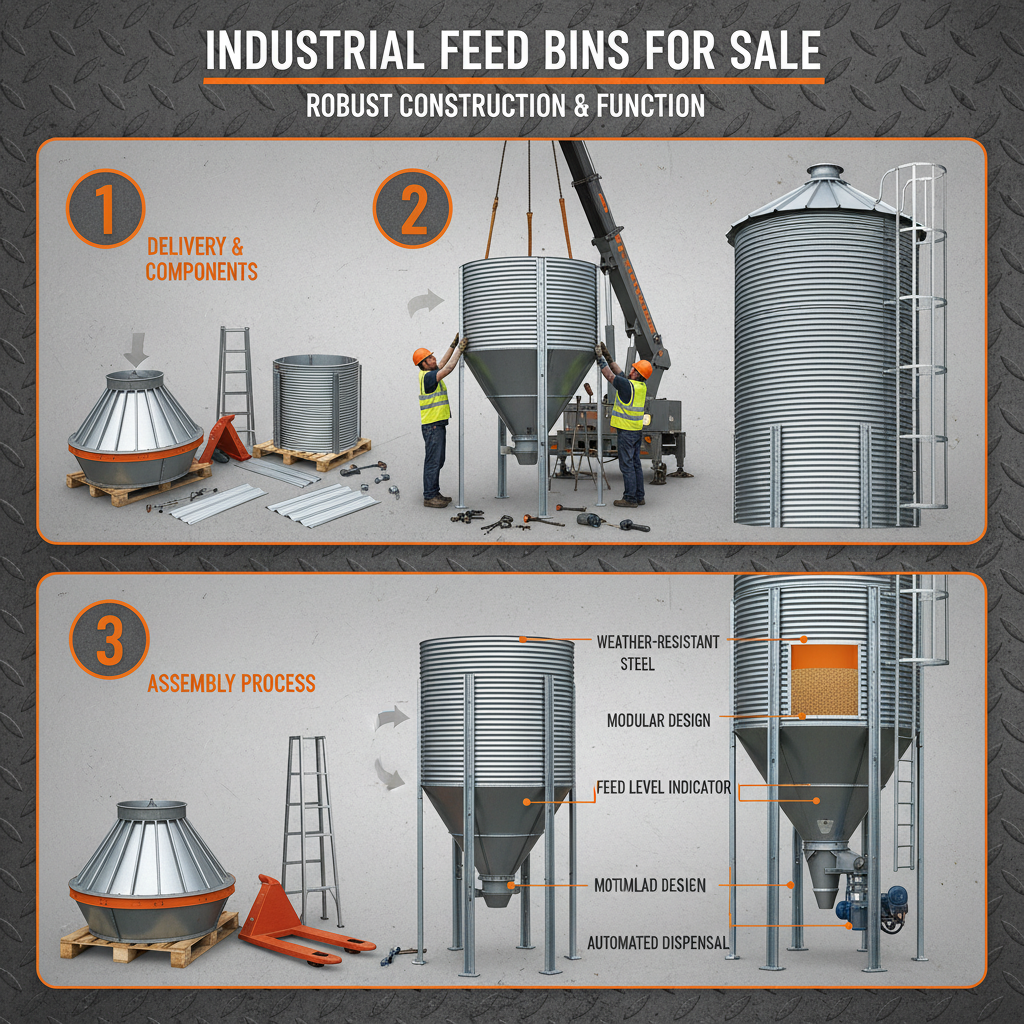
Installing an animate feed bin requires careful planning of the site. The foundation must be level and reinforced to support the immense weight of the feed when the bin is at full capacity. Once installed, maintenance is relatively straightforward but crucial. Regularly checking the seals for leaks and ensuring the discharge valve is clear of debris will prevent downtime. Periodic lubrication of any moving parts in the automation system will extend the equipment's life and ensure a smooth flow of nutrition to your animals.
Technical Specifications for Modern Feed Bins
When browsing for the ideal animate feed bin, you will encounter various technical specifications. The wall thickness is a critical metric, as it determines the bin's resistance to denting and environmental wear. Additionally, the slope angle of the hopper is engineered to prevent feed from sticking to the sides. Below is a standard specification table for a mid-sized industrial feed bin designed for versatility.
Conclusion: Future-Proofing Your Farm with Advanced Feed Storage
Investing in an animate feed bin is more than just a purchase; it is a strategic upgrade to your agricultural infrastructure. By reducing labor, eliminating waste, and protecting the quality of your animal nutrition, you create a more sustainable and profitable farming operation. In an industry where margins are tight and animal health is paramount, the efficiency provided by automated feed systems is an indispensable asset. Upgrade your storage today to ensure a healthier tomorrow for your livestock.
Frequently Asked Questions (FAQs)
How do I prevent feed from bridging in my animate feed bin?
Feed bridging occurs when the material forms an arch over the discharge opening, stopping the flow. This is often caused by high moisture content or poor feed granulation. To prevent this, ensure your animate feed bin is installed in a dry environment and consider adding a mechanical agitator or a vibration system to the hopper. Additionally, maintaining a consistent feed quality and avoiding overfilling the bin during periods of extreme humidity can significantly reduce the occurrence of bridging.
Is galvanized steel better than plastic for feed bins?
The choice depends on your specific environment. Galvanized steel is exceptionally durable, offering superior protection against physical damage and providing a long lifespan in heavy industrial settings. It is generally the preferred choice for very large capacities. On the other hand, high-density plastics are lightweight, completely rust-proof, and often more cost-effective for smaller operations or environments with extremely corrosive air (such as near coastal areas). Both materials, when used in a professional animate feed bin, provide excellent protection if maintained correctly.
How often should I clean my automated feed storage system?
It is recommended to perform a deep clean of your feed bin every time it is completely emptied, or at least twice a year. Residual feed can accumulate in the corners of the hopper, where it can attract pests or develop mold, potentially contaminating new shipments of feed. Using a vacuum or compressed air to remove dust and old particles ensures that your livestock receives the cleanest nutrition possible. Regularly inspecting the seals and the discharge valve during these cleaning cycles is also a great way to catch minor maintenance issues before they become costly failures.
Post time: Apr . 09, 2026