Understanding gestation free pork: What it means for the industry
Having spent a decent chunk of my career walking through barns and listening to seasoned farmers, the term gestation free pork always piqued my curiosity. It's one of those buzzwords industry insiders toss around, but getting down to what it really means—not just from a scientific standpoint but as a practical reality—is where things get interesting.
In real terms, gestation free pork refers to pork produced from sows that are not confined in traditional gestation crates. These crates used to be an industry norm—kind of grim, honestly—limiting a sow’s movement during pregnancy. Over recent years, there’s been a strong shift towards more humane, welfare-oriented practices, partly driven by consumer demand and partly by evolving regulations. And oddly enough, this shift isn’t just about ethics; many growers have found these systems can be more productive and sustainable long-term.
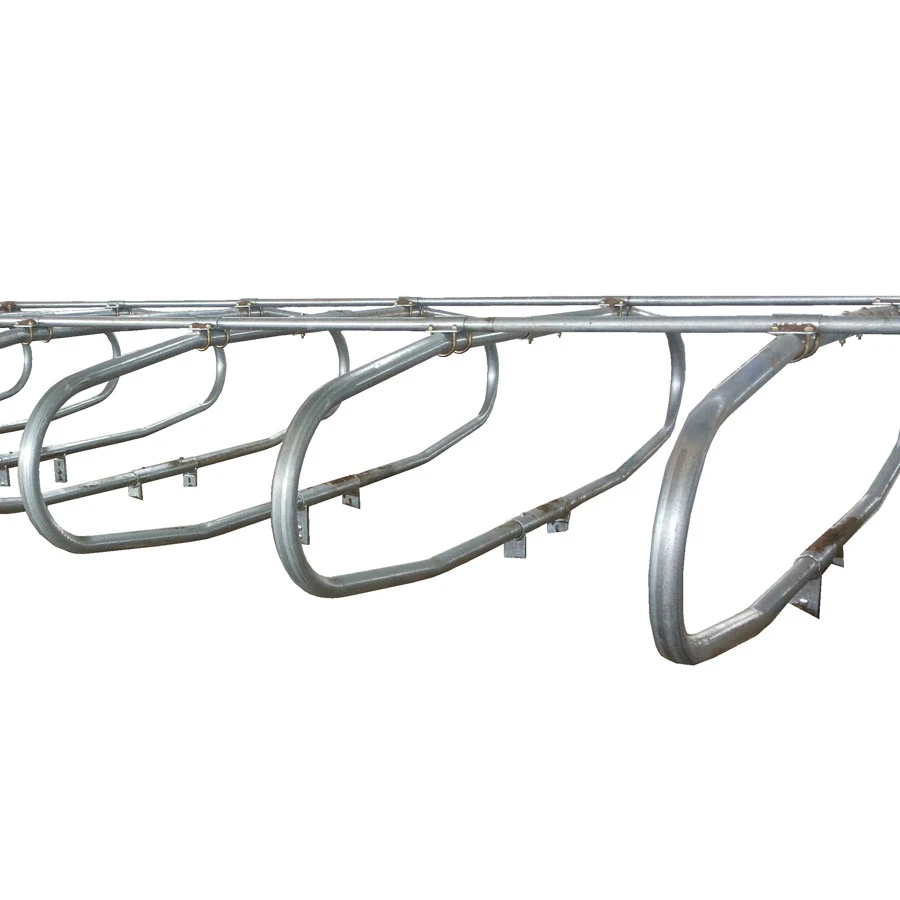
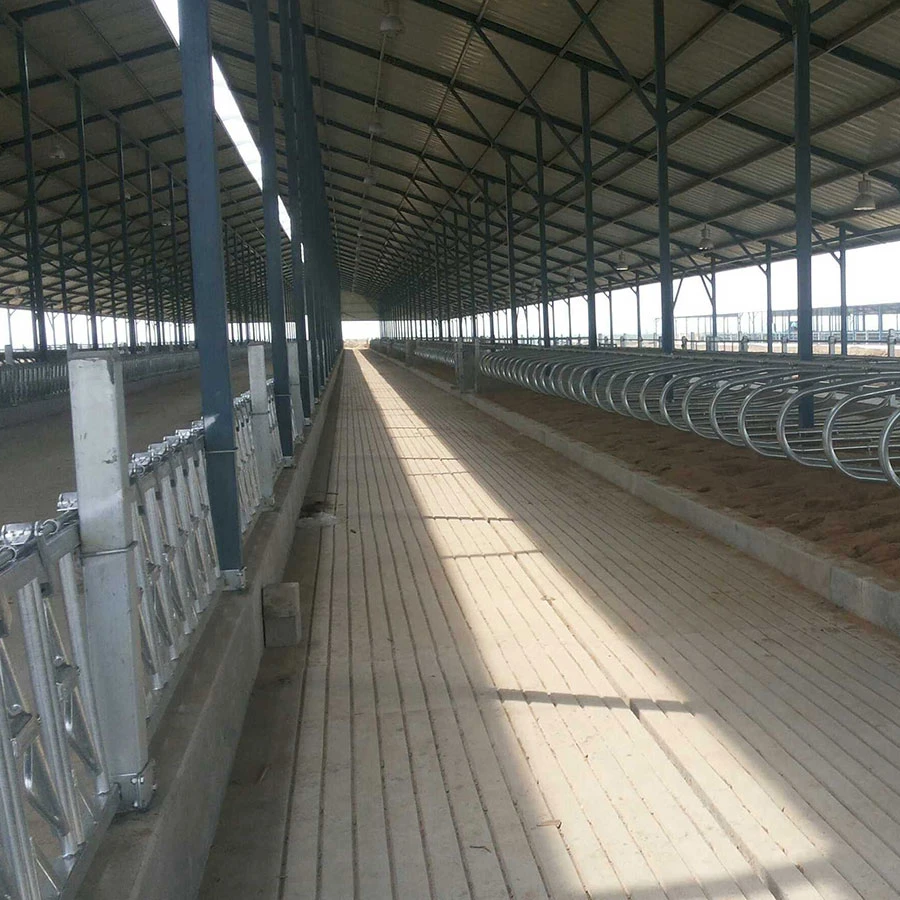
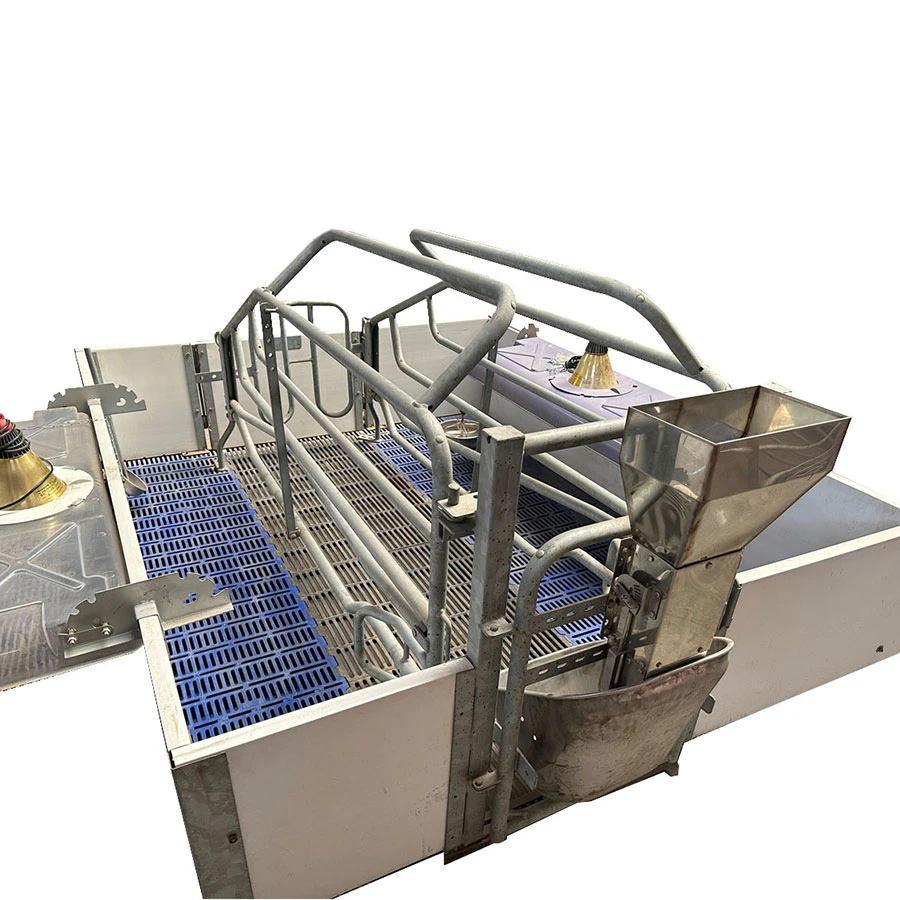
The facility upgrades for gestation free housing can vary from simple group pens to sophisticated individual stalls that give more freedom of movement. It’s not a “one size fits all”, which is why choosing the right equipment really matters. Helping farms stay compliant while maintaining productivity is where companies like Cx Livestock come in, offering tailored solutions that blend welfare with efficiency.
Why does design matter in gestation free systems?
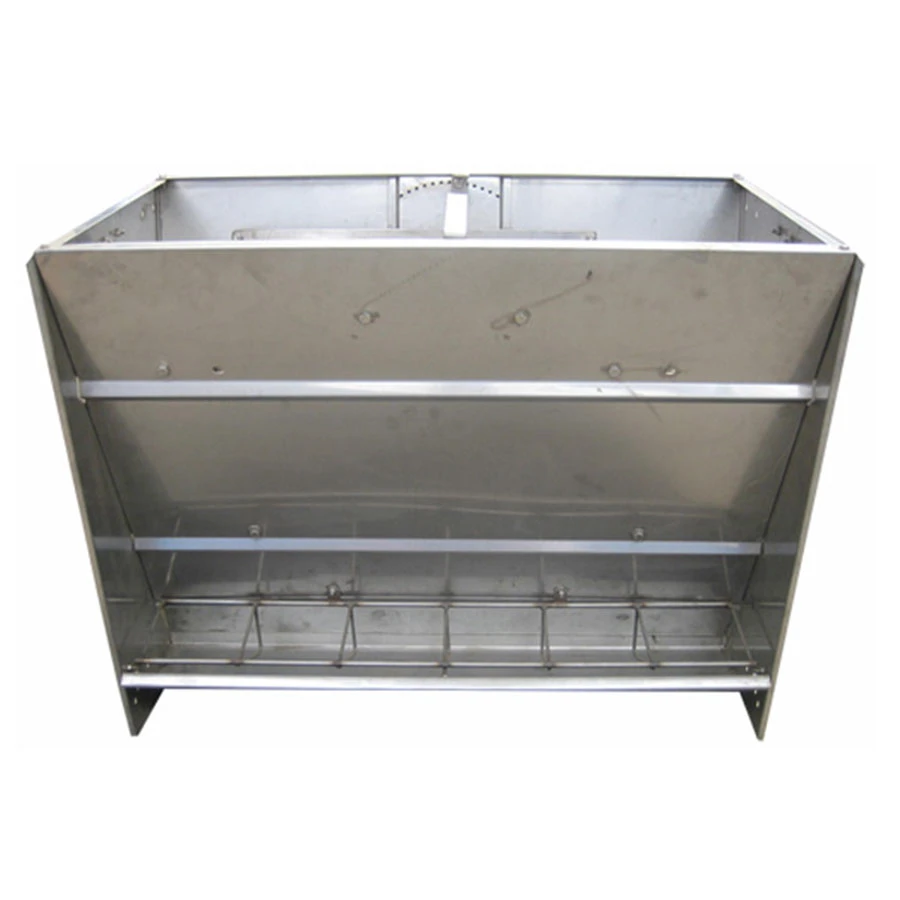
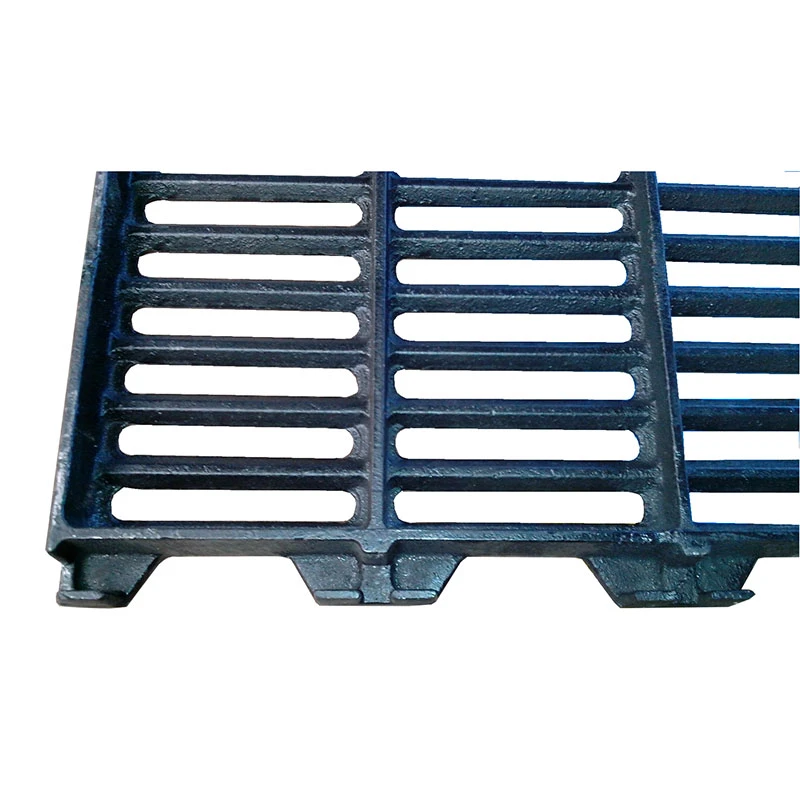
One thing I noticed early on is that well-designed pens not only make sows happier but also reduce injury rates—a big win all around. Materials used have to withstand the rigors of farm life yet stay comfortable and safe. Most setups feature smooth, rounded edges on barriers, durable non-slip flooring, and easily accessible feeders and waterers.
And I suppose it’s worth mentioning: the testing process for these products often involves thorough simulations under stress conditions. This ensures the sows can freely express natural behaviors without risk, which frankly, is a growing priority for vets and welfare inspectors alike.
| Feature | Specification |
|---|---|
| Pen Type | Group pens or enriched stalls |
| Flooring | Non-slip, slatted or solid with bedding |
| Materials | Galvanized steel, coated metals, reinforced plastics |
| Feeding system | Automated or manual feeders with individual access |
| Space per sow | Minimum 24 sq.ft. recommended |
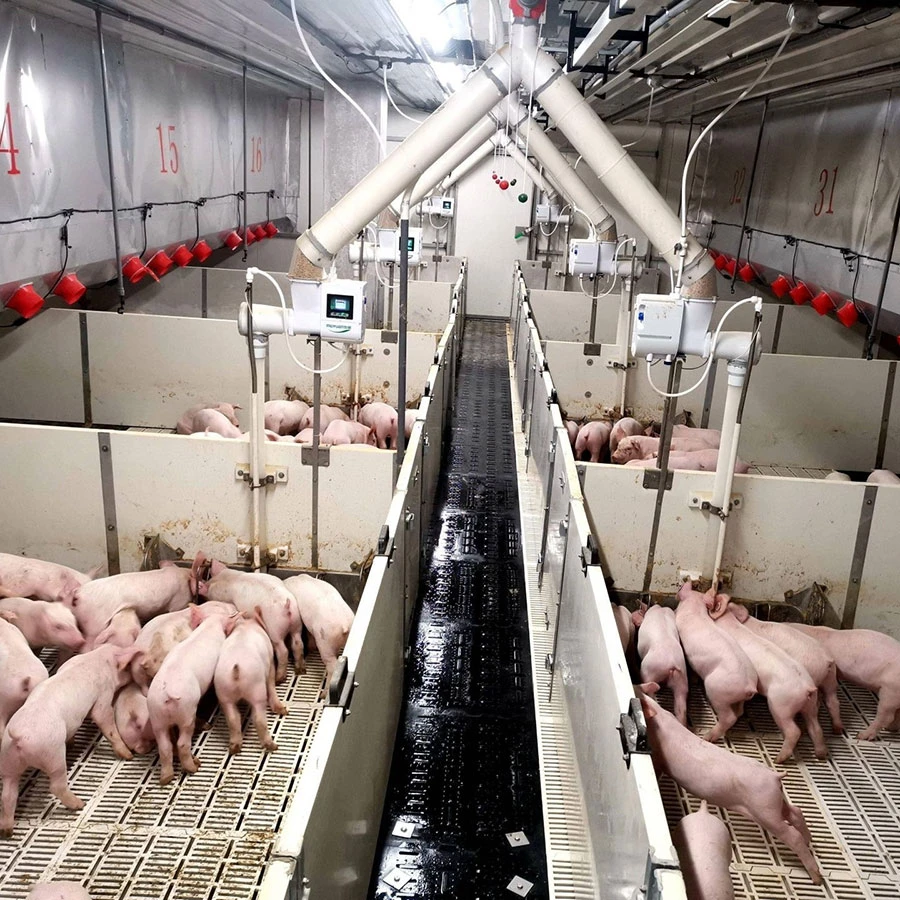
I remember visiting a farm in the Midwest that switched completely to gestation free pens a few years ago. They told me the sows were, in their words, “calmer and seemed healthier.” The piglets, too, benefited because stressed sows can sometimes affect litter outcomes. There’s something to be said for letting animals have a bit more dignity in how they’re housed.
How do vendors stack up for gestation free pork solutions?
Choosing the right vendor can be a bit of a maze, especially because not every company offers the same customization or after-sales support. Let me share a quick comparison based on my observations working alongside farmers and suppliers.
| Vendor | Customization | Durability | Support | Price Range |
|---|---|---|---|---|
| Cx Livestock | High – custom layouts & finishes | Excellent – farm-grade materials | Comprehensive on-site consultation | Mid to Premium |
| AgriPens Co. | Moderate – standard pen models | Good – galvanized steel | Remote tech support only | Budget-Friendly |
| SwineSafe Solutions | High – ergonomic designs | Very Good – reinforced plastics | On-demand training services | Premium |
I find that many engineers and nutritionists in our sector emphasize that welfare improvements like gestation free pens often align with better health metrics and longevity of stock. It’s the kind of win-win scenario that once felt costly but now proves its worth. You know how technology adoption works — slow at first, then suddenly essential.
Wrapping up, if you're in the pork production business and considering switching to gestation free systems—or just curious—it's worth talking directly with vendors who can understand your setup. The market’s shifting, and honestly, staying ahead with humane practices isn’t just about regulation or marketing—it’s about doing right by the animals and your bottom line.
A quick takeaway from years on the floor: gestation free pork isn’t just a label. It’s a practical, evolving standard that merges ethics and efficiency in a way that benefits farmers, animals, and consumers alike.
References:
- “Welfare and productivity in group vs. individual housing of sows,” Journal of Animal Science, 2021.
- Farm visits and interviews, Midwest region, 2018–2023.
- Cx Livestock product documentation and user testimonials, 2024.
Post time: Dec . 31, 2025