Understanding Bulk Feed Silo Systems for Efficient Livestock Management
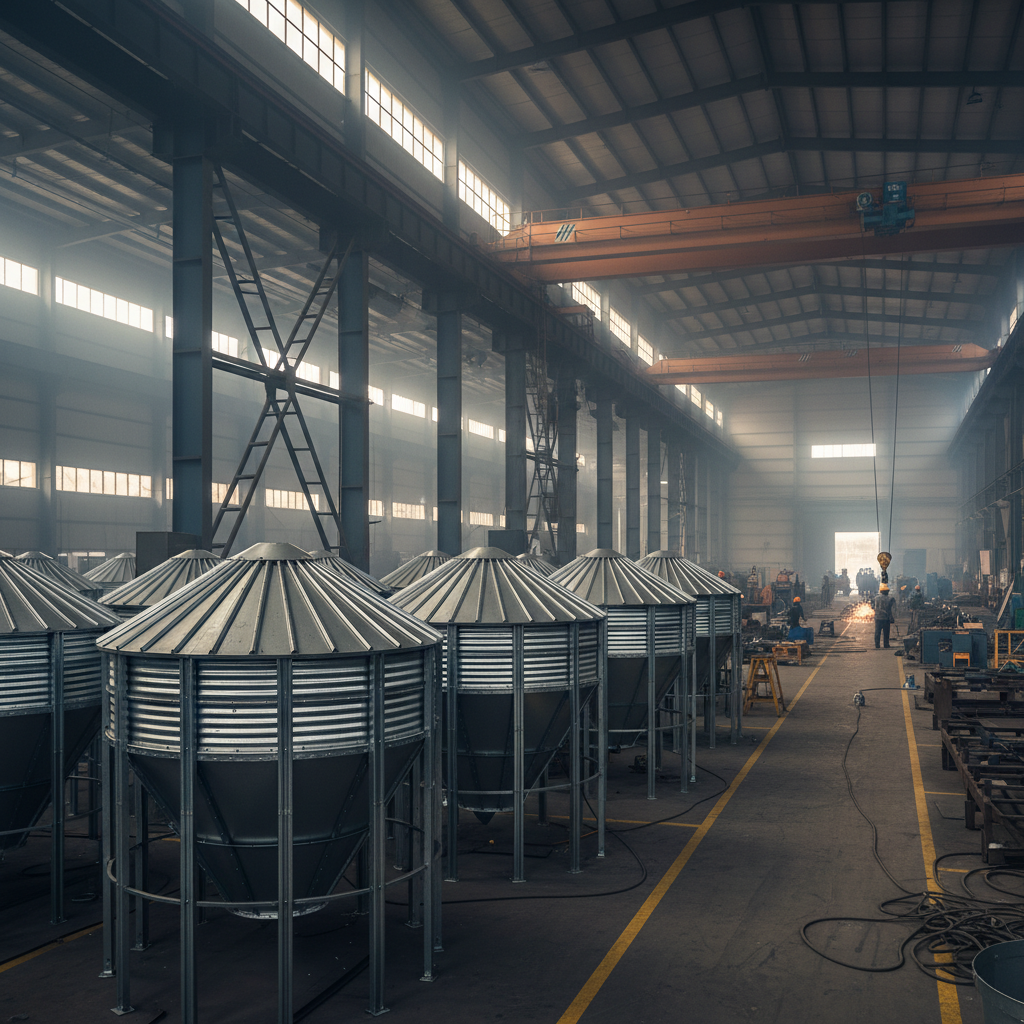
Efficient livestock management relies on a consistent and readily available supply of feed. A bulk feed silo is a crucial component of modern farming operations, offering a practical and cost-effective solution for storing large quantities of feed. This article delves into the benefits, types, installation considerations, and maintenance of bulk feed silo systems, helping you optimize your livestock feeding process. Investing in a quality silo ensures your animals receive the nutrition they need, when they need it, leading to improved health and productivity.
The Advantages of Using a Bulk Feed Silo
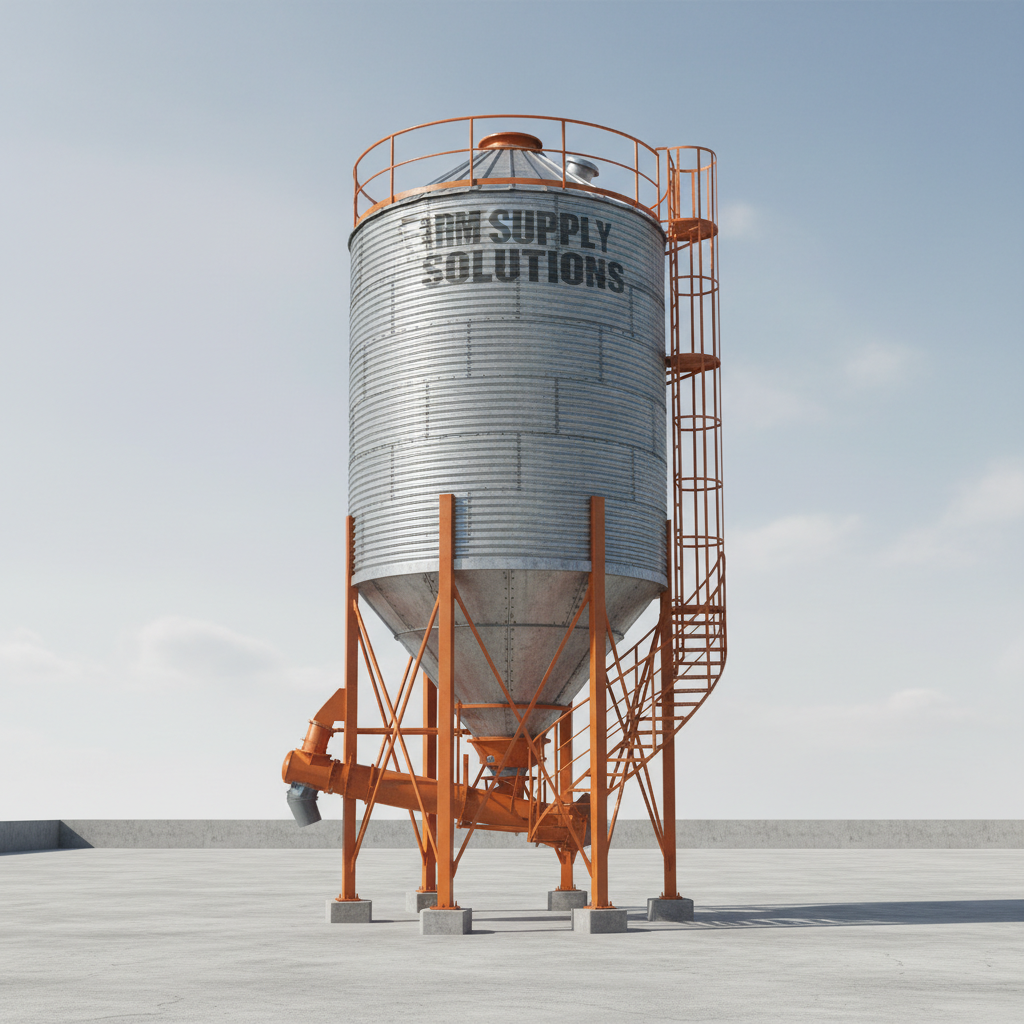
Switching to a bulk feed silo offers numerous advantages over traditional feed storage methods. Firstly, it significantly reduces labor costs associated with manual handling and frequent deliveries. Secondly, it protects feed from the elements – rain, snow, and sunlight – preserving its nutritional value and preventing spoilage. Finally, a well-designed silo system offers accurate inventory control, minimizing waste and ensuring you always have enough feed on hand. This leads to cost savings, improved feed quality, and a more streamlined operation. Utilizing a CX Livestock silo will enhance efficiency and peace of mind.
Key Benefits: Reduced labor costs, protection from the elements, improved feed quality, accurate inventory control, minimized waste.
Types of Bulk Feed Silos
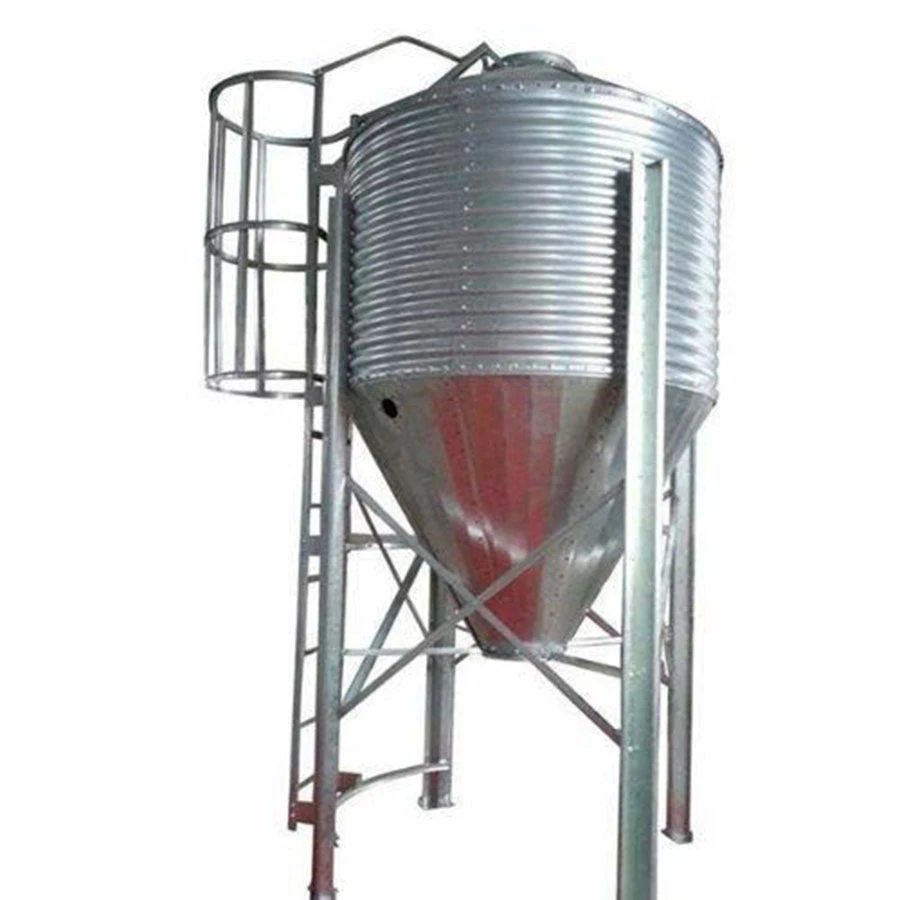
Several types of bulk feed silos are available, each with its own strengths and weaknesses. The most common include welded steel silos, bolted steel silos, and concrete silos. Welded steel silos are known for their durability and airtight construction but can be more expensive. Bolted steel silos offer flexibility in sizing and are easier to assemble and disassemble. Concrete silos are extremely durable but require significant upfront investment and ongoing maintenance. Choosing the right type depends on your specific needs, budget, and site conditions. Consider the type of feed you'll be storing, the volume required, and the long-term maintenance implications.
Silo Type Comparison:
• Welded Steel: Durable, airtight, higher cost.
• Bolted Steel: Flexible sizing, easier assembly, moderate cost.
• Concrete: Extremely durable, high initial cost, requires maintenance.
Key Considerations for Bulk Feed Silo Installation
Proper installation is critical for the longevity and functionality of your bulk feed silo. Site selection should consider accessibility for delivery trucks, proximity to livestock housing, and soil stability. A solid, level foundation is essential to prevent shifting and structural damage. Ensure proper grounding to protect against lightning strikes. Furthermore, consider installing aeration systems to prevent feed from becoming compacted and spoiling. Professional installation is highly recommended to ensure compliance with local building codes and safety regulations. Selecting a reputable supplier like CX Livestock will guarantee expert installation services.
Maintaining Your Bulk Feed Silo for Optimal Performance
Regular maintenance is key to maximizing the lifespan of your bulk feed silo and ensuring the quality of your feed. Inspect the silo regularly for signs of corrosion, damage, or leaks. Clean the silo thoroughly at least once a year to remove old feed residue and prevent the growth of mold and bacteria. Check and maintain aeration systems to ensure proper airflow. Promptly repair any damage to prevent further deterioration. Following a preventative maintenance schedule will save you money in the long run and protect your valuable feed supply.
Conclusion: Investing in a Reliable Bulk Feed Silo System
A bulk feed silo represents a significant investment in your livestock operation. By choosing the right type, ensuring proper installation, and implementing a regular maintenance schedule, you can reap the benefits of reduced costs, improved feed quality, and a more efficient operation. Contact CX Livestock today to discuss your specific needs and find the perfect silo solution for your farm.
Frequently Asked Questions (FAQs)
What size bulk feed silo do I need?
Determining the appropriate silo size depends on several factors, including the number of animals you have, the type of feed you use, and your feeding frequency. Generally, it’s best to calculate your average daily feed consumption and multiply it by the number of days you want to store feed for. Consider potential growth in your herd and future feed needs. CX Livestock offers expert advice and can help you calculate the ideal silo size based on your unique requirements. It’s better to slightly overestimate your needs than to run out of feed during peak demand. A well-planned silo capacity will contribute to consistent animal nutrition and optimal productivity.
How can I prevent feed spoilage in my silo?
Preventing feed spoilage requires a multi-faceted approach. Ensure the silo is airtight to prevent moisture ingress. Install an aeration system to maintain consistent airflow and prevent condensation. Regularly inspect the silo for any signs of leaks or damage. Avoid overfilling the silo, as this can lead to compaction and reduced airflow. Proper cleaning and sanitation are also crucial. Regularly remove any old or spoiled feed to prevent the spread of mold and bacteria. Storing feed at the correct temperature and humidity levels will also help prolong its shelf life.
Are there financing options available for bulk feed silos?
Yes, CX Livestock partners with several financial institutions to offer a range of financing options to make investing in a bulk feed silo more accessible. These options may include loans, leases, and payment plans. Our sales team can discuss your financing needs and help you find the best solution to fit your budget. Investing in a silo can quickly pay for itself through reduced feed waste and labor costs, making it a smart financial decision for your farm. Contact us for personalized financing details.
What safety precautions should I take when working with a bulk feed silo?
Safety is paramount when working with bulk feed silos. Always wear appropriate personal protective equipment (PPE), including a dust mask, gloves, and safety glasses. Never enter a silo that is being filled or emptied. Be aware of the potential for dust explosions and follow proper ventilation procedures. Ensure the silo is properly grounded to prevent static electricity buildup. Follow all manufacturer's instructions and safety guidelines. Regular training for employees on safe silo operation is essential.
Post time: Mar . 21, 2026