Understanding Steel Grid Mesh Flooring: A Deep Dive
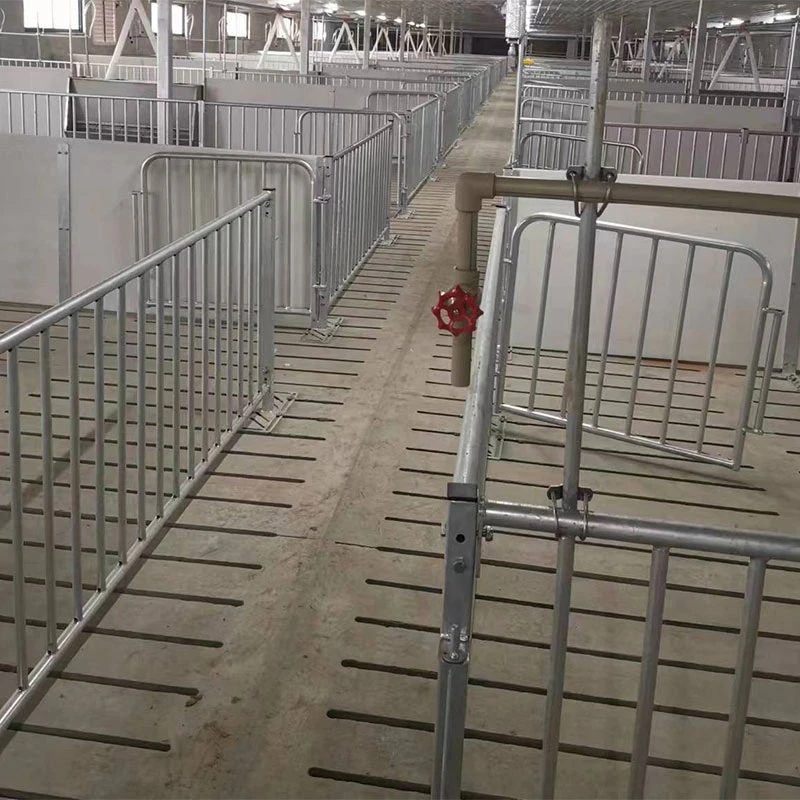
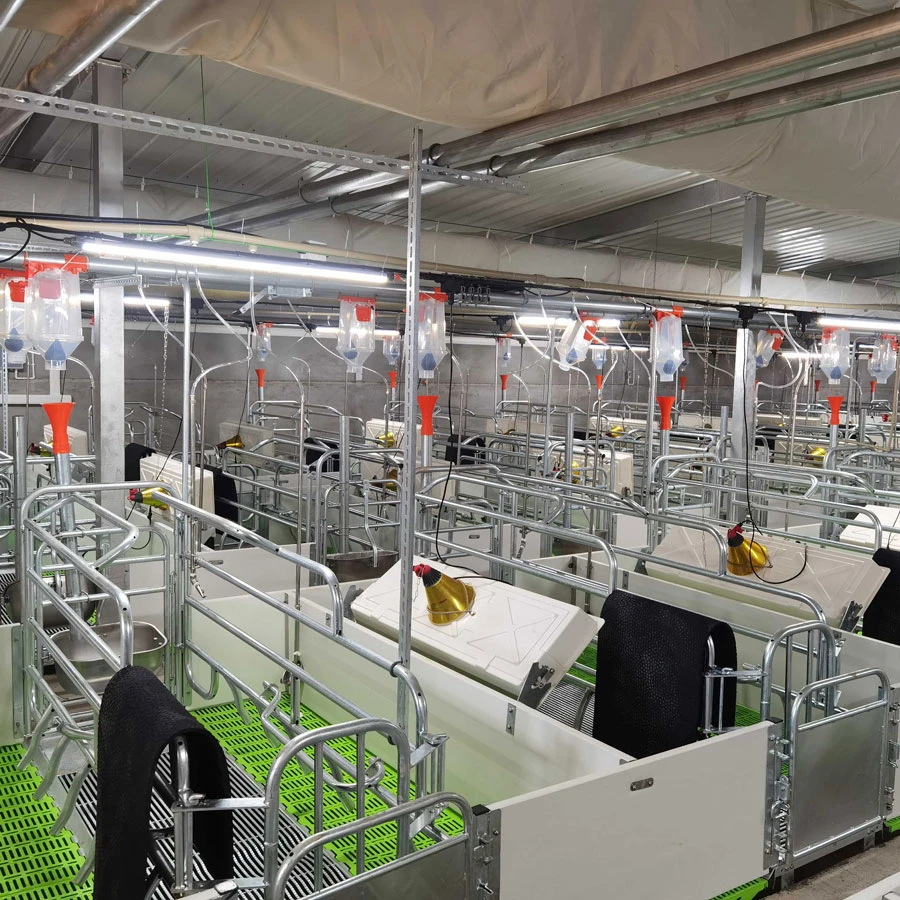
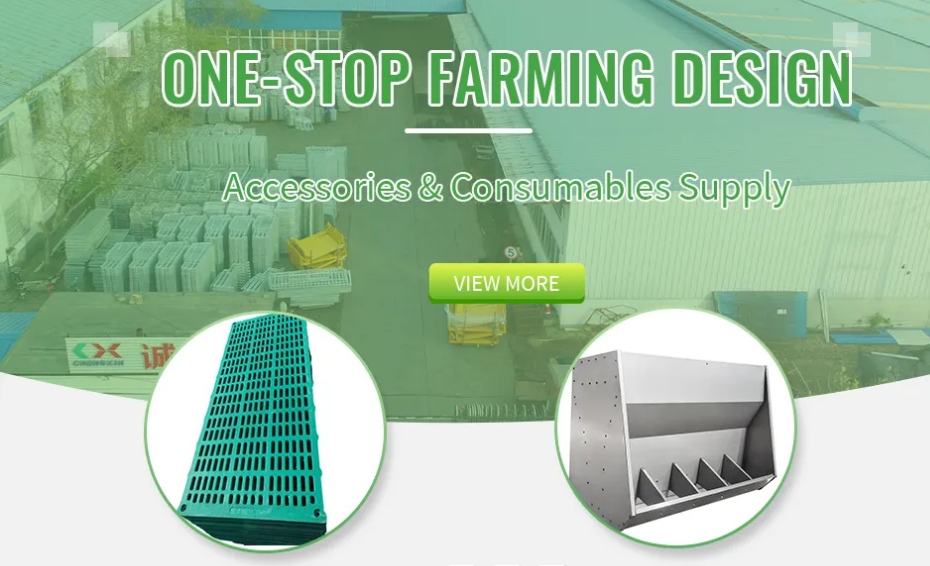
Steel Grid Mesh Flooring… it's become almost ubiquitous in certain industrial sectors, hasn't it? You see it everywhere from livestock facilities – which is, frankly, where I spend a lot of my time – to processing plants and even some modern warehouse designs. It’s more than just a flooring solution; it’s a foundational element in creating efficient, safe, and durable working environments. We’ll explore that, and look at why CXLivestock is a key player in providing high-quality options.
Steel Grid Mesh Flooring: The Basics
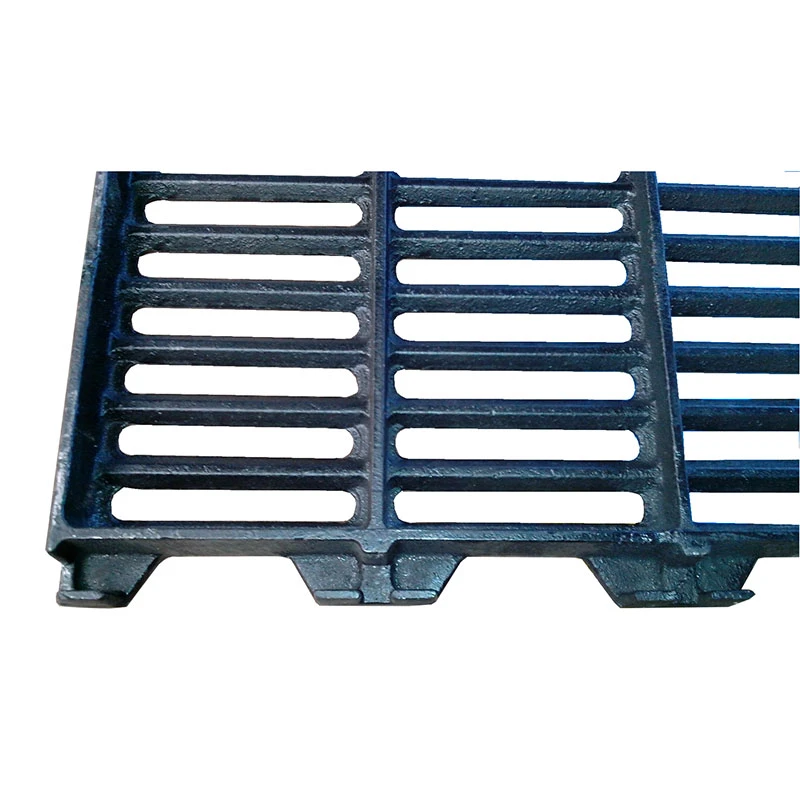
At its core, steel grid mesh flooring is a series of interwoven metal bars, typically welded at the intersections, creating an open grid structure. The materials are usually carbon steel, but you'll often see galvanized steel for corrosion resistance, and stainless steel for particularly harsh environments. I’ve noticed a trend towards higher-grade alloys, especially where sanitation is critical. The open grid design allows for excellent drainage – a huge benefit in livestock settings – and provides visibility, which improves safety. It's all about reducing slip hazards and making cleaning easier. The load-bearing capacity is pretty impressive too; depending on the bar size and spacing, these systems can handle significant weight. Here are some typical specs:
| Parameter | Value | Notes |
|---|---|---|
| Material | Carbon Steel, Galvanized Steel, Stainless Steel | Corrosion Resistance Varies |
| Bar Size | 3/16" - 1" | Determines Load Capacity |
| Spacing | 1" - 4" | Affects Drainage & Stability |
Benefits & Use Cases of Steel Grid Mesh Flooring
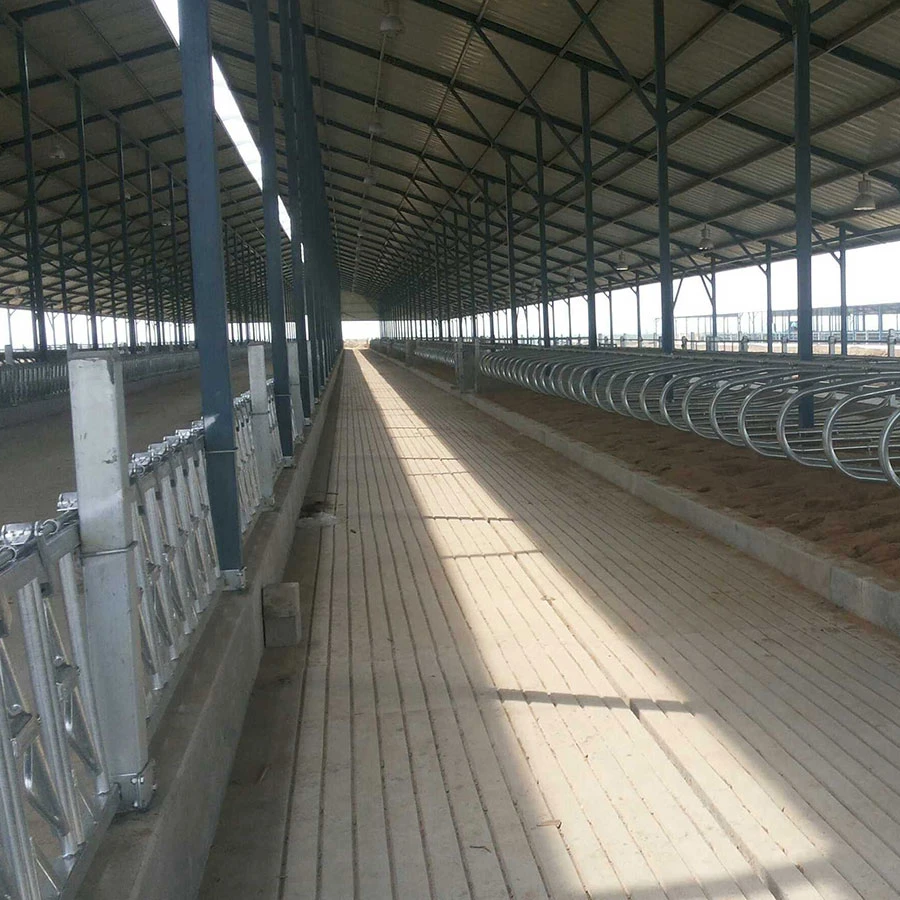
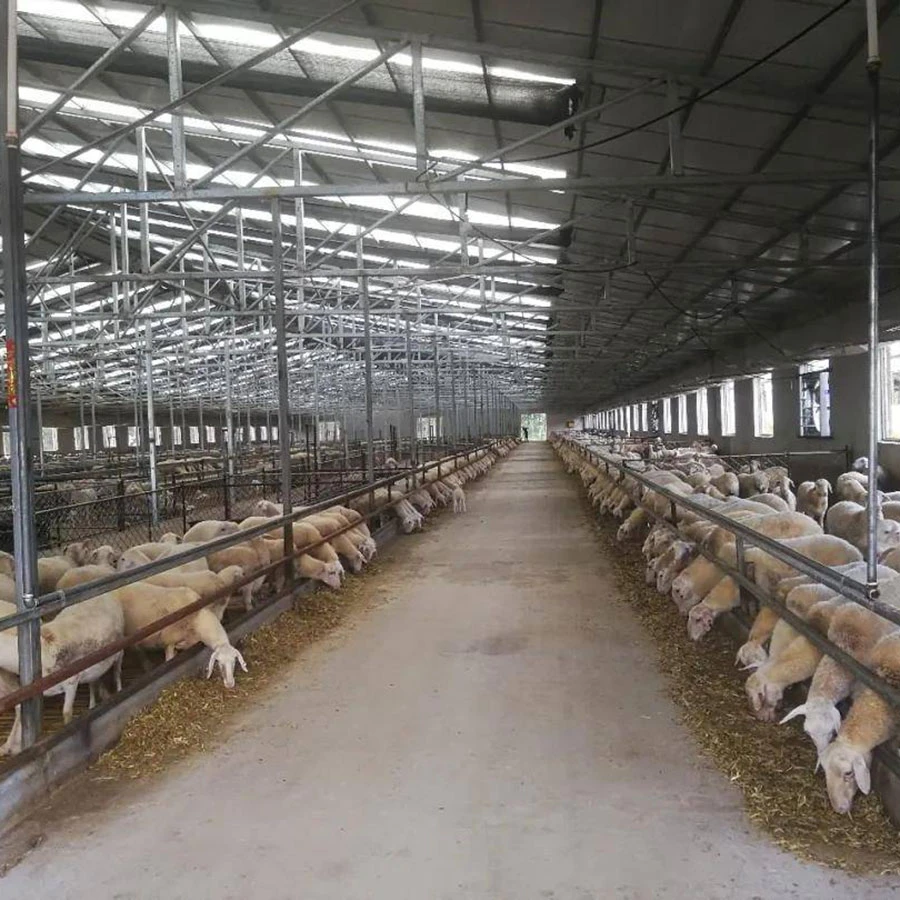
The applications are surprisingly broad. Livestock barns, obviously – pigs, cattle, even poultry benefit from the improved sanitation and reduced manure buildup. Food processing plants rely on it for hygiene and durability. Manufacturing facilities use it for walkways and platforms. And oddly enough, it's becoming more common in wastewater treatment plants. I suppose the corrosion resistance is a big draw there. One of the things I've heard repeatedly from engineers is the ease of installation and modification. It can be cut and welded on-site, making it adaptable to existing structures. Here's how some vendors stack up:
| Vendor | Price (per sq ft) | Lead Time | Customization |
|---|---|---|---|
| CXLivestock | $4 - $8 | 2-3 Weeks | High |
| ABC Flooring | $5 - $9 | 3-4 Weeks | Medium |
| XYZ Metalworks | $6 - $10 | 4-6 Weeks | Low |
Cost, Maintenance & User Experience
The initial cost is, you know, a factor. It's generally more expensive upfront than some concrete or wood alternatives. But, and this is key, the total cost of ownership is often lower due to its durability and minimal maintenance requirements. I visited a hog farm last year that had installed CXLivestock’s flooring five years prior. The owner told me he hadn’t had to do any significant repairs. Just regular cleaning. He also highlighted the reduced veterinary bills thanks to healthier, drier pigs. That’s a pretty compelling ROI, I suppose. Maintenance typically involves pressure washing and occasional re-galvanizing if corrosion is a concern, but that’s far less demanding than replacing damaged wood or concrete.
Sustainability & Market Trends
Sustainability is becoming a huge driver, and steel – especially recycled steel – fares pretty well. Many manufacturers are increasing their use of recycled content, and the longevity of these systems reduces the need for frequent replacements, which minimizes waste. There's also growing interest in antimicrobial coatings to further enhance hygiene. It feels like we’re only going to see more demand for durable, easy-to-clean, and sustainable flooring solutions, especially in industries prioritizing animal welfare and food safety. And increasingly, facilities are looking for modular systems – things that can be easily reconfigured as needs change.
Frequently Asked Questions about Steel Grid Mesh Flooring
- What is Steel Grid Mesh Flooring and how does it work?
- Steel grid mesh flooring consists of interconnected metal bars, providing a strong, open structure that allows for drainage, ventilation, and visibility. The bars are typically welded together to create a stable and durable surface.
- What are the main benefits of using Steel Grid Mesh Flooring in industrial applications?
- Key benefits include durability, corrosion resistance, low maintenance, excellent drainage, improved safety due to reduced slip hazards, and ease of installation and modification.
- How does Steel Grid Mesh Flooring compare to traditional alternatives?
- Compared to concrete or wood, steel grid mesh flooring offers superior durability, better drainage, and reduced maintenance. While the initial cost may be higher, the long-term cost of ownership is often lower due to its longevity and minimal repair needs.
- What industries can benefit most from Steel Grid Mesh Flooring implementation?
- Industries that benefit include livestock farming, food processing, manufacturing, wastewater treatment, and chemical plants – any application requiring a durable, sanitary, and safe flooring solution.
Conclusion on Steel Grid Mesh Flooring
Ultimately, steel grid mesh flooring is a robust and versatile solution that delivers long-term value. It’s not always the cheapest option initially, but the benefits – durability, hygiene, and reduced maintenance – often outweigh the cost. For a wide range of applications, and particularly where those factors are critical, it’s a strong contender. For reliable products and expert advice, visit https://www.cxlivestock.com.
Post time: Jan . 24, 2026