Piggery Plastic Flooring: Durable Comfort for Modern Swine Farming
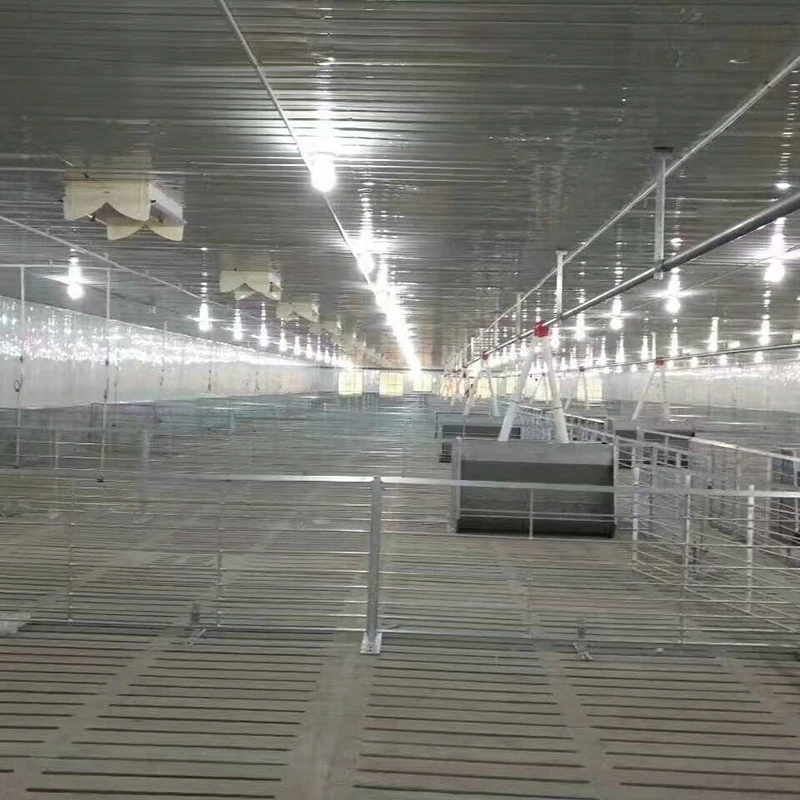
Having spent well over a decade in the industrial equipment sector, particularly where agriculture and livestock intersect, I've seen quite a few twists and turns in piggery infrastructure. One thing that’s become obvious is the increasing preference for piggery plastic flooring. It’s not just a fad — it’s a well-earned reputation for durability, hygiene, and animal welfare combined.
Oddly enough, when I first encountered plastic flooring for pig barns, I was skeptical. Traditional concrete was the industry staple, right? But concrete’s roughness, potential for cracking, and slip hazards made me rethink. The more I looked into plastic alternatives, the clearer it became: With the right materials and design, these floors outmatch old-school options in multiple ways.
Why Plastic Flooring? A Few Reflections
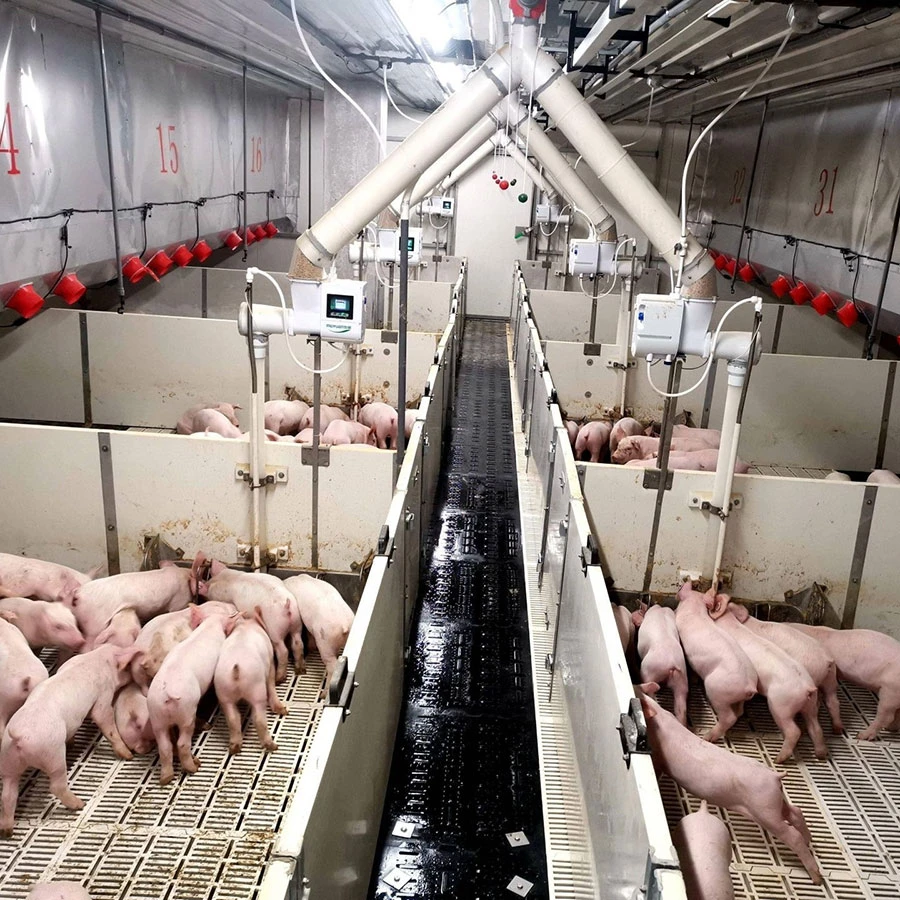
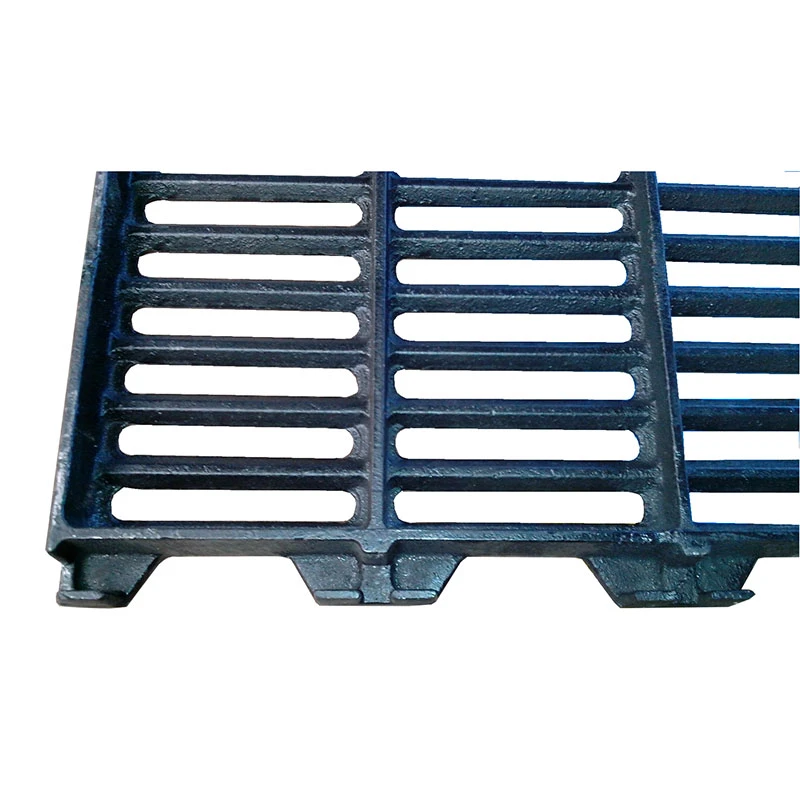
Plastic piggery floors are typically made from high-density polyethylene (HDPE) or polypropylene, chosen for their strength and resistance to chemicals, which matters a lot when you consider the cleaning agents and manure exposure they face daily. From a practical standpoint, they're surprisingly comfortable for pigs, offering some give underfoot which can reduce lameness issues over time. I once visited a farm that switched from concrete to plastic flooring and noticed less foot lesions and improved mobility in their herd after a few months — which, frankly, was quite something.
Many engineers say these floors have a high load capacity — important when dealing with hefty sows and feeding equipment traffic. Also, because plastic floors are modular and can be designed with integrated drainage grooves, cleaning becomes significantly easier. In real terms, improved hygiene means fewer outbreaks and better growth rates, making them a smart investment.
Key Product Specifications of a Typical Piggery Plastic Floor
| Feature | Specification |
|---|---|
| Material | High-Density Polyethylene (HDPE) |
| Panel Size | 600mm x 600mm |
| Weight Capacity | Up to 1000 kg/m² |
| Slip Resistance | Enhanced surface texture, ASTM D2047 compliant |
| Chemical Resistance | Resistant to ammonia and common disinfectants |
| Installation | Modular interlocking panels requiring minimal tools |
Comparing Top Vendors of Piggery Plastic Floors
| Vendor | Material | Panel Size | Price Range | Customization |
|---|---|---|---|---|
| CX Livestock | HDPE | 600mm x 600mm | $$$ | Yes – color & drainage options |
| AgriFloor Solutions | Polypropylene | 500mm x 500mm | $$ | Limited |
| FarmPro Plastics | HDPE Blend | 600mm x 800mm | $$$ | Moderate |
A Small Anecdote from the Field
I recall a mid-sized piggery in the Midwest that switched their entire flooring system to plastic slabs about three years ago. The owner told me that initially, it was a bit of a gamble — installers hadn’t dealt with piggery-specific modules like these plus custom drainage. But the result? They noted a marked decrease in slipperiness during humid months and a drastic reduction in daily cleaning time. It’s funny, because these incremental improvements really add up to huge monetary and animal health benefits over time.
In addition to those practical benefits, there’s something satisfying (I suppose that sounds odd, but it’s true) about a clean, uniform floor that’s easier to maintain, doesn’t crack under stress, and supports animal welfare. When you’re walking the barn aisles day in and day out, details like that matter.
Final Thoughts on Piggery Plastic Flooring
So, if you’re considering piggery plastic flooring, my advice is to look closely at the material quality, panel design, and vendor support. Good floors won’t just protect your animals — they’ll save you money, headaches, and improve overall operational efficiency. I suppose that’s why they’ve become a non-negotiable component in many modern piggeries today.
For more info on choosing the right flooring and suppliers you can trust, feel free to explore options like those offered by CX Livestock — they blend proven materials with solid engineering support, which frankly, is rare sometimes.
Take care out there in the barns — the right floor really does make a difference.
References:
- J. Smith et al., "Innovations in livestock flooring," Journal of Agricultural Engineering, 2022.
- Farm Owner Interview, Midwest Piggery, 2021.
- Materials Testing Report, Livestock Flooring Tech Labs, 2023.
Post time: Jan . 07, 2026