Choosing the Right gestation pens for sows: Insights From the Field
Having spent over a decade working alongside farmers and industrial suppliers in the livestock equipment sector, I can tell you the topic of gestation pens for sows isn’t just about corralling pigs—it’s about animal welfare, productivity, and yes, sometimes the engineer's knack for problem-solving under pressure. Oddly enough, what might seem a “simple” pen design often masks a world of innovation and challenges.
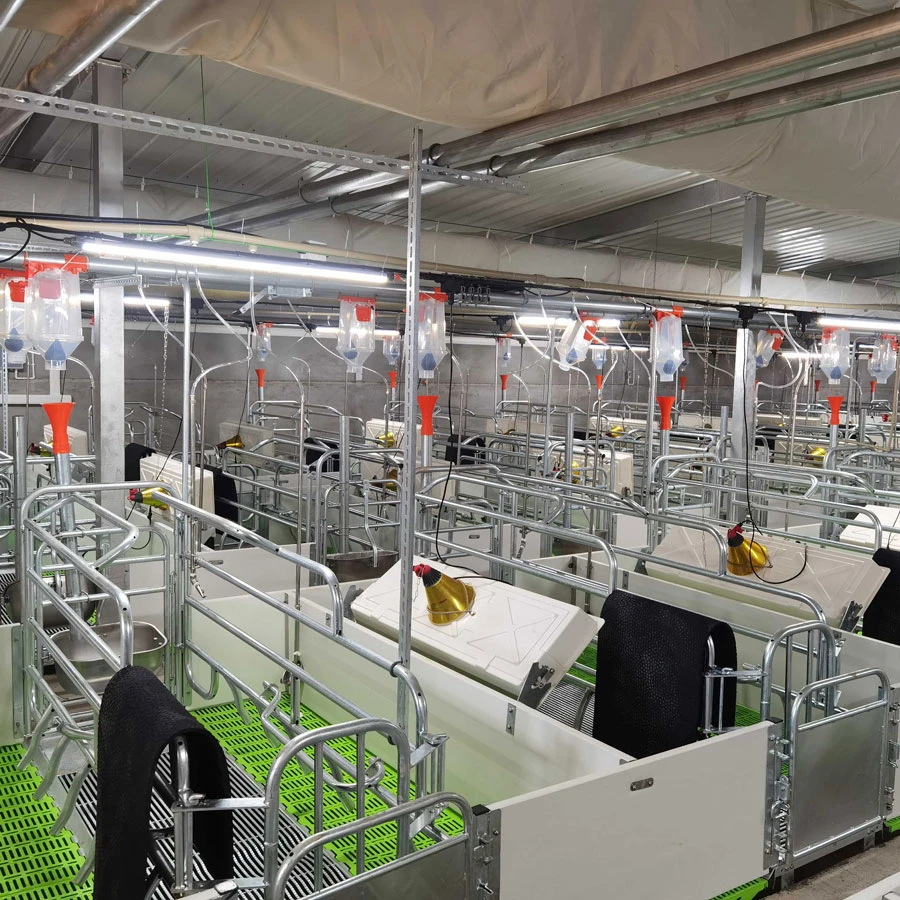
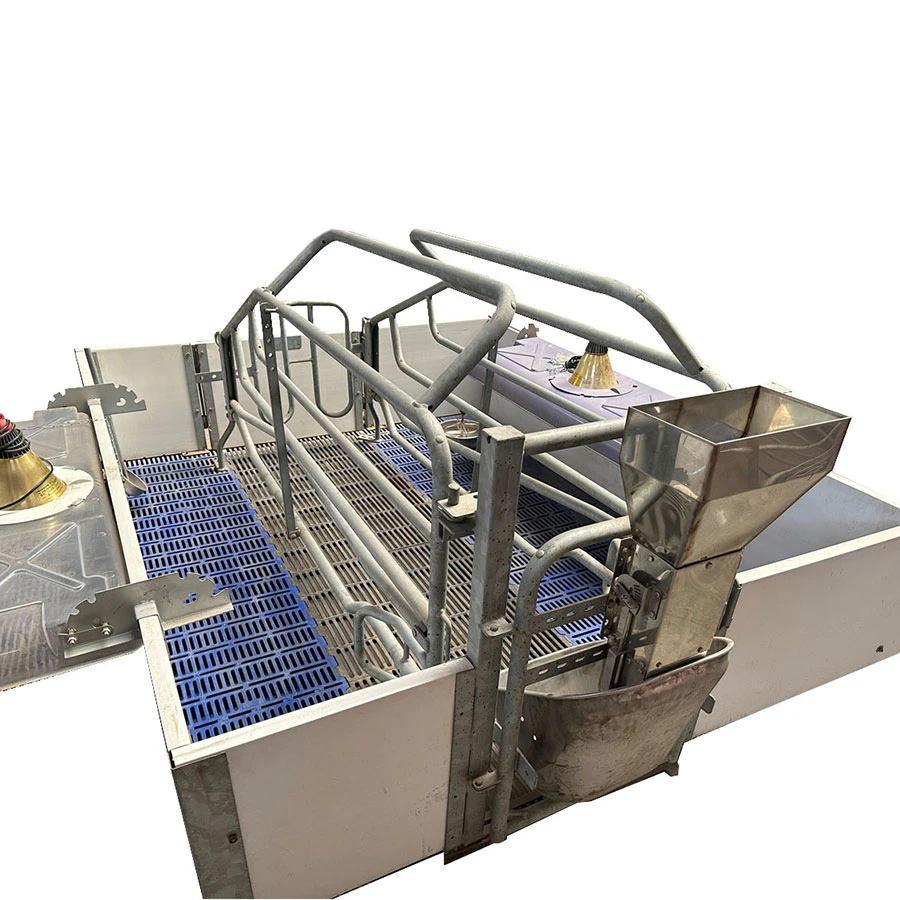
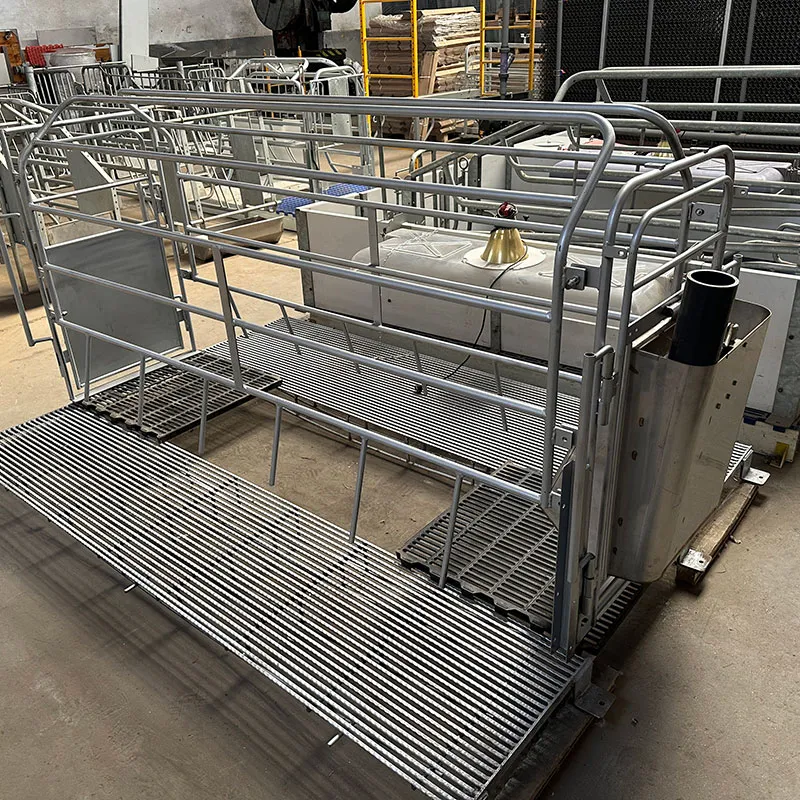
In real terms, a gestation pen is meant to house sows during pregnancy in a way that balances their comfort with efficient farm operations. You’d think that’s straightforward, but factors like material choice, dimensions, and durability shape the entire experience—for both animals and handlers.
Why the Right Design Matters
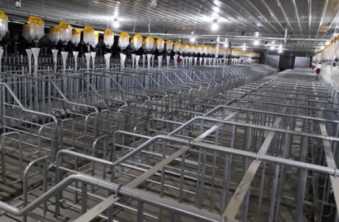
From what I’ve observed, many engineers and farmers stress that the design of these pens directly correlates with sow health and stress levels. Poorly designed pens can lead to higher aggression or injuries, which no one wants. Frankly, the pens have evolved with animal welfare science, gradually shifting from restrictive stalls to more open, group-housing-friendly models, though individual pens still dominate large farms due to management convenience.
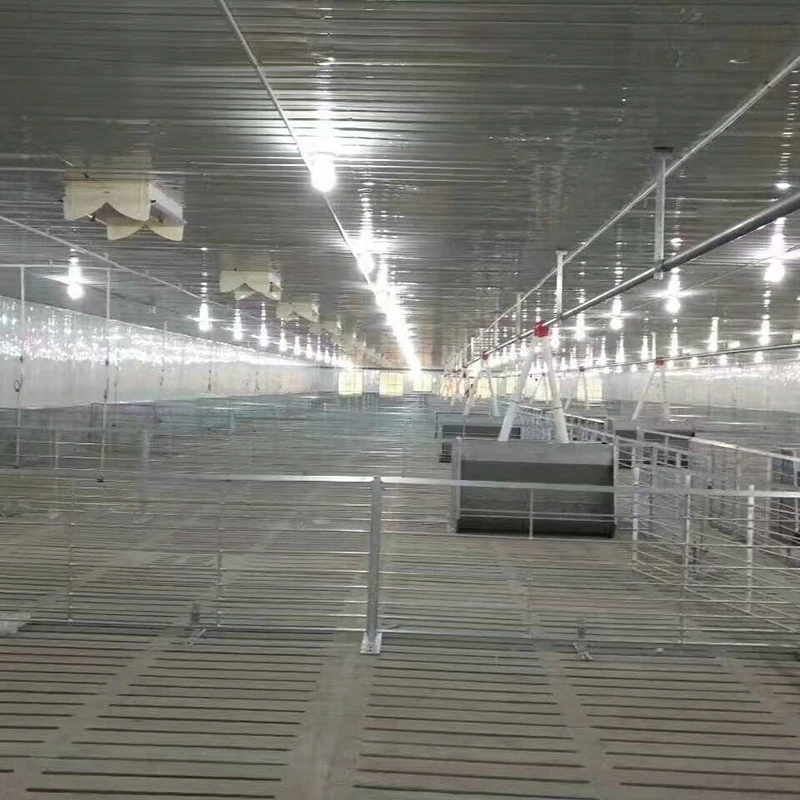
One longtime customer I visited in Iowa mentioned how switching to better-ventilated, slightly wider pens reduced veterinary visits drastically. That told me a lot about how even minor tweaks can change outcomes.
Material and Construction Considerations
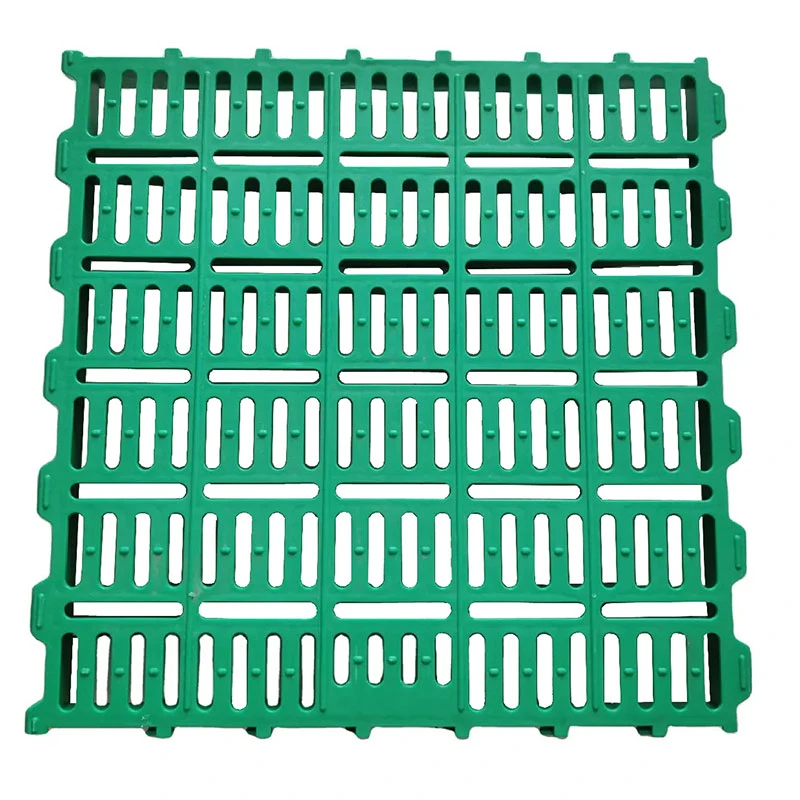
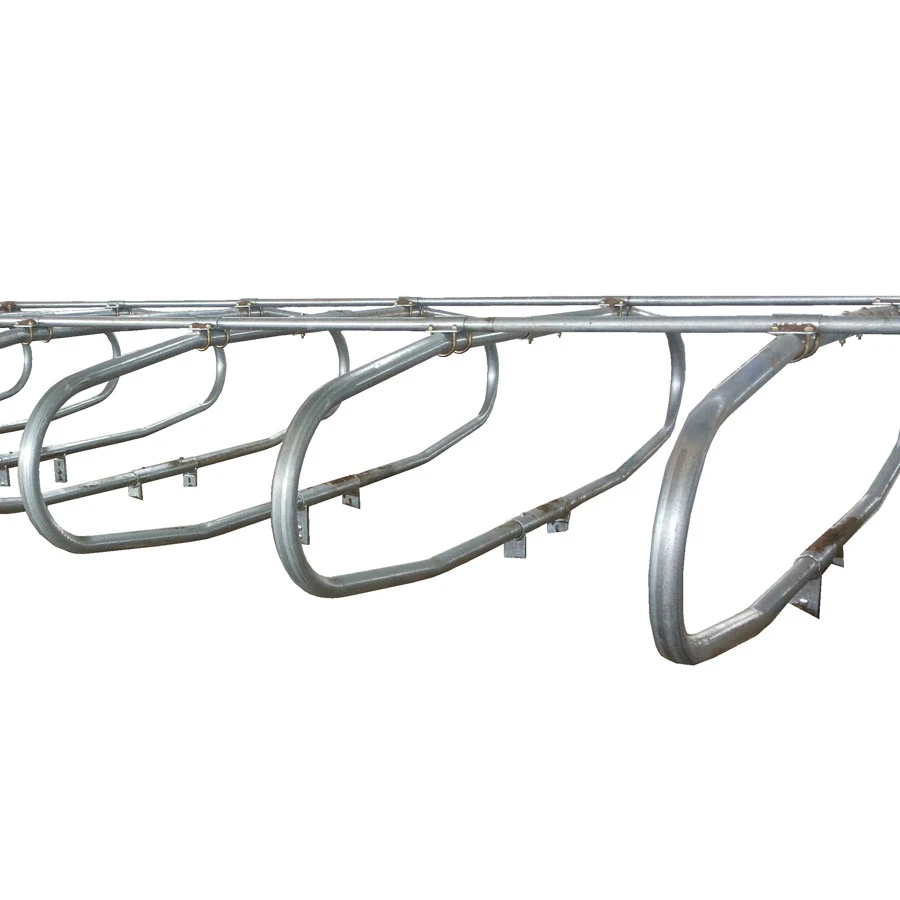
Durability is king here. Most pens are made of galvanized steel or heavy-duty PVC-coated metal to prevent rust and withstand constant wear from active, sometimes stubborn sows. Oddly enough, the floor surfaces matter just as much, often concrete with anti-slip coatings or rubber mats to reduce lameness issues. A well-constructed pen isn’t just sturdy — it’s low maintenance, to spare farmers unnecessary downtime.
Specifications at a Glance
| Specification | Typical Value | Notes |
|---|---|---|
| Pen Dimensions | 6' x 8' (approx.) | Allows sow movement, nesting |
| Material | Galvanized Steel | Corrosion-resistant, durable |
| Flooring | Concrete with Rubber Mat | Comfort & traction for sows |
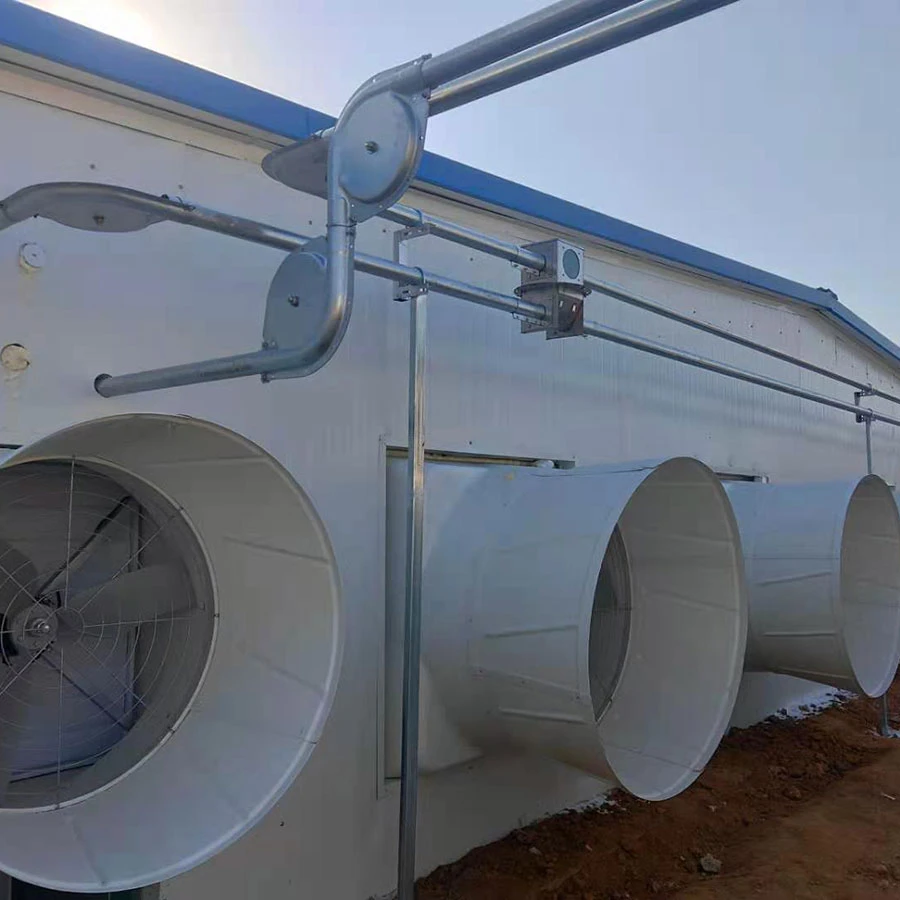
| Ventilation | Open upper bars, air gaps | Improves air flow, reduces heat stress |
| Weight Capacity | Up to 600 lbs | Built for full-grown sows |
Comparing Vendors: What to Look For
| Vendor | Material Quality | Customization Options | Delivery Time | Price Range |
|---|---|---|---|---|
| CX Livestock | High-grade galvanized steel | Size, flooring, layout | 2–3 weeks | $$$ |
| AgriPens Co. | Standard steel, painted | Limited | 4–5 weeks | $$ |
| FarmEquip Solutions | PVC-coated steel | Moderate | 3–4 weeks | $$$ |
A Small Anecdote
I remember visiting a farm in southern Illinois where the owner proudly showed me their new batch of gestation pens sourced from CX Livestock. He noted, “It feels like the sows are less stressed because they move smoother, and the staff spend less time doing repairs.” You can’t quantify that kind of peace of mind easily, but it’s invaluable. Sometimes it’s the subtle efficiency improvements that make all the difference in the daily grind.
To sum it up: when selecting gestation pens, look beyond price tags. Think about material resilience, animal welfare, customization, and supplier reliability. It’s a bit like choosing a good pair of boots for farm work — investing upfront pays dividends over time.
Anyway, if you want a good starting point to explore high-quality pens, I’d recommend checking out this supplier, who have a solid reputation in the industry.
Here’s hoping you find the perfect pen fit for your herd.
References
- USDA Animal Welfare Guidelines, 2021.
- Livestock Equipment Innovations Journal, 2022 Edition.
- Personal communications and site visits, 2015-2023.
Post time: Dec . 31, 2025