Premium Stainless Steel Pig Trough and Feeder China Suppliers and Factory
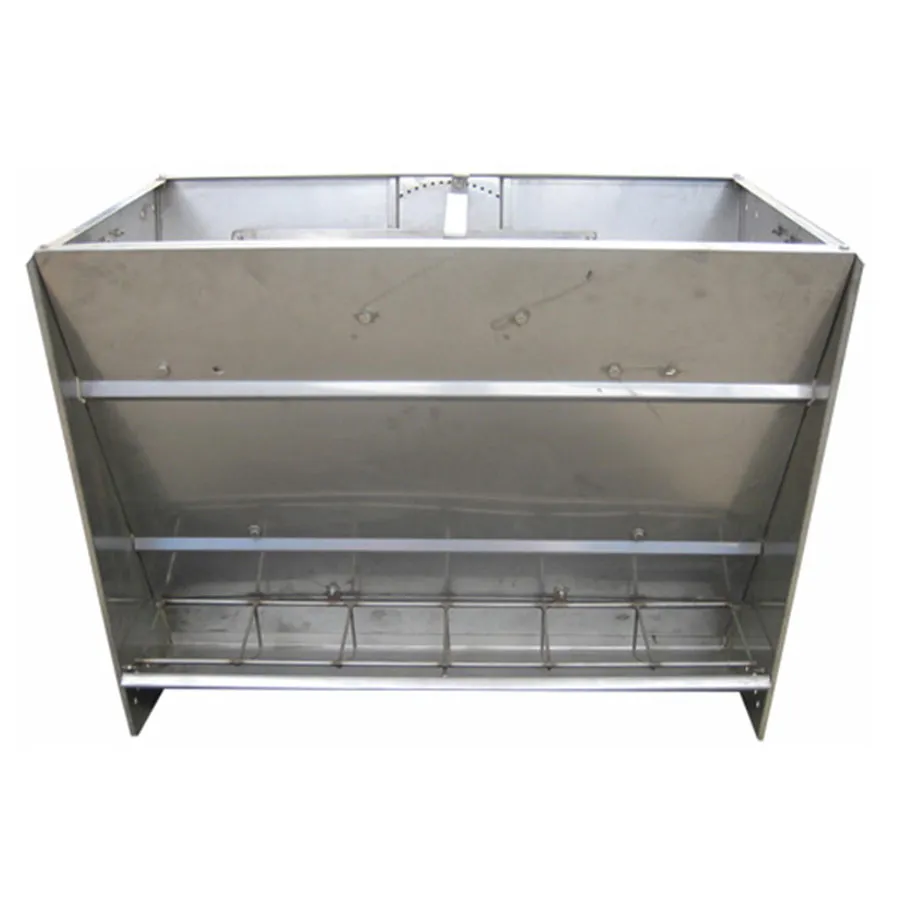
Optimizing pig nutrition begins with a precision-engineered feeding system. Our professional pig troughs and feeders are meticulously designed to cater to the specific physiological needs of swine at every growth stage, from lactation and weaning to fattening and gestation. By combining ergonomic design with industrial-grade materials, we help farm managers reduce feed waste, minimize livestock stress, and prevent the spread of illness across the facility.
Utilizing premium stainless steel construction, our feeding solutions offer unparalleled durability and hygiene. Whether you require individual dosing for sows to ensure precise nutrition or high-capacity double-side feeders for fattening pens, our equipment is engineered to maximize feed conversion ratios (FCR) while maintaining a sterile environment that supports rapid, healthy growth and overall herd productivity.
Detailed Parameters
| Primary Material | High-Grade Stainless Steel | Application Stage | Piglets, Weaners, Fattening, Sows |
|---|---|---|---|
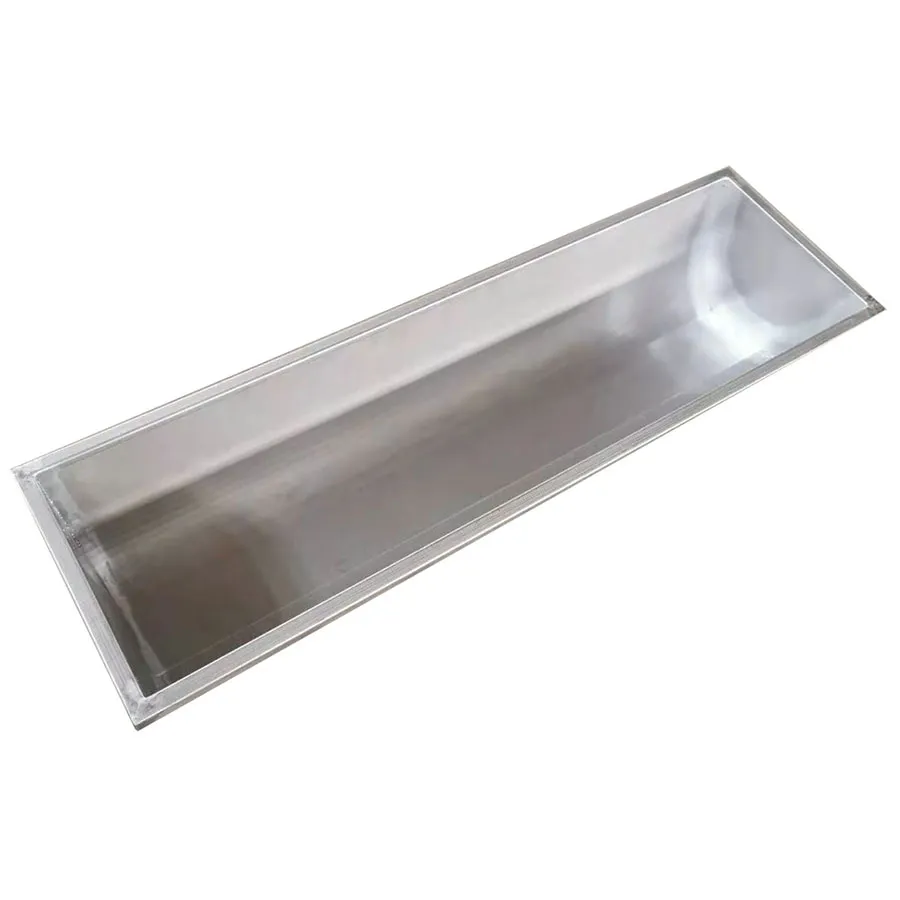
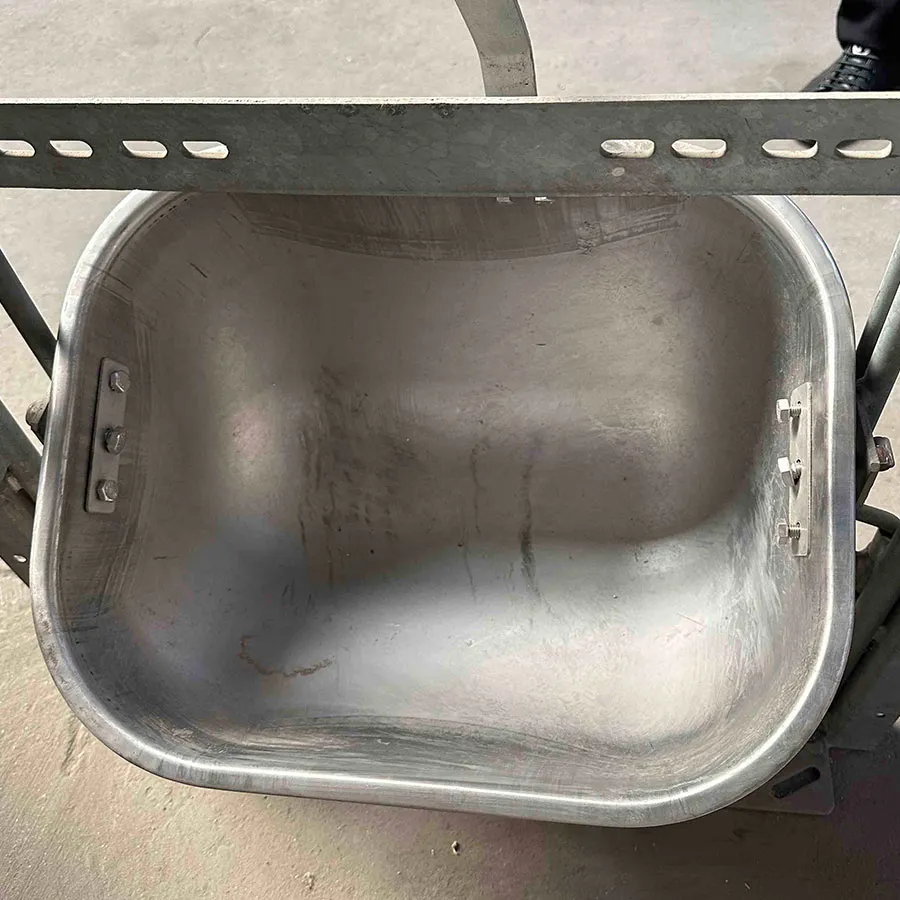
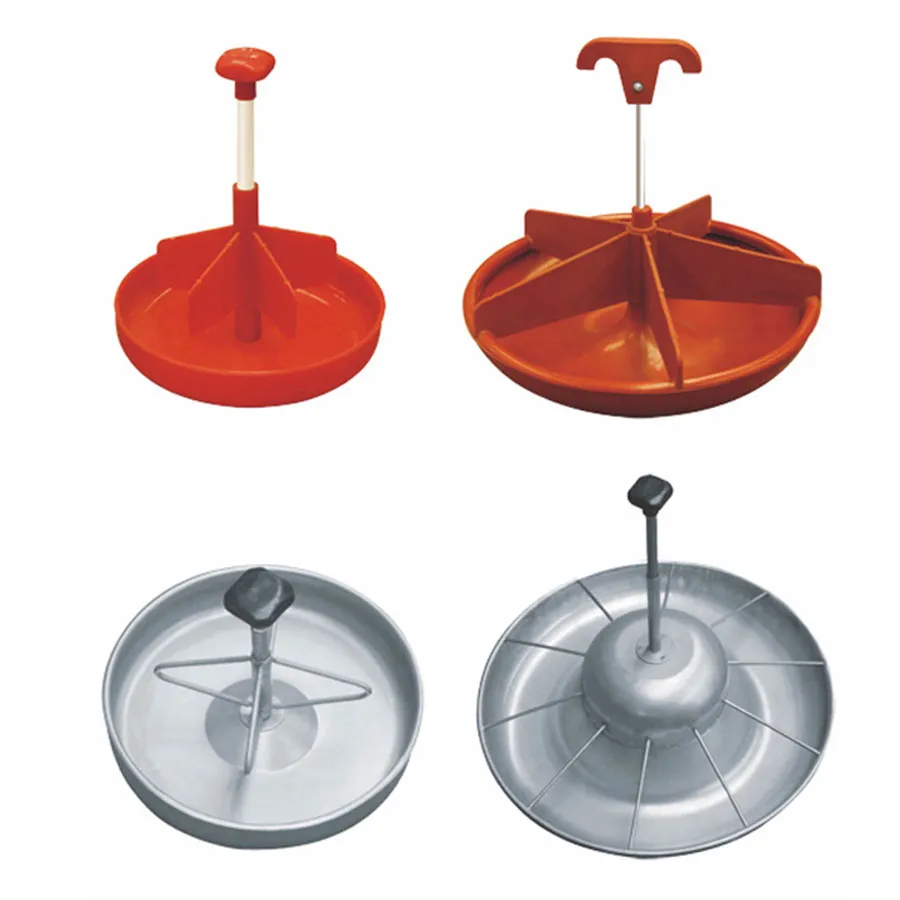
| Feeder Types | Individual, Long Channel, Round, Double-sided | Corrosion Resistance | Excellent (Anti-Oxidation) |
| Design Focus | Waste Reduction & Hygiene | Cleaning Method | Easy-wash / Smooth Surface |
| Compatibility | Gestation Crates & Finishing Pens | Feeding Flow | Continuous & Adjustable |
| Health Benefit | Disease Spread Prevention | Installation | Modular / Fixed Attachment |
Key Advantages
Premium Durability
Stainless steel construction outperforms carbon steel and plastic in corrosion resistance and long-term wear.
Feed Efficiency
Precision design minimizes spillage and waste, significantly lowering operational feed costs.
Biosecurity Focus
Non-porous surfaces are easy to sanitize, effectively preventing the cross-contamination of illnesses.
Ergonomic Spacing
Separated eating positions reduce competition and fighting among pigs, lowering stress levels.
Growth Optimized
Specialized round feeders for piglets support early lactation supplements for faster, healthier growth.
Versatile Integration
Seamlessly integrates with gestation crates and weaner stalls for a complete farming ecosystem.
Product Gallery
Management Platforms
Feed Volume Control
Precise adjustment of feed flow to prevent overfeeding and reduce waste.
Hygiene Monitoring
Smooth stainless steel surfaces allow for rapid inspection and easy cleaning.
Health Surveillance
Easy monitoring of feed intake to detect illness or appetite loss early.
Stress Reduction
Designed spacing ensures every animal has access to feed without conflict.
Modular Scalability
Easily expand feeding lines to accommodate growing herd sizes.
Lifecycle Adaptation
Switch between round, channel, and bowl feeders as pigs mature.
Investment Return Comparison
| Comparison Metric | Standard Plastic/Steel | Our Stainless System |
|---|---|---|
| Service Lifespan | Low (2-3 Years) | High (10+ Years) |
| Feed Wastage Rate | Moderate to High | Ultra-Low (Optimized) |
| Cleaning Time | Time-Consuming | Rapid & Effortless |
| Disease Risk | Higher Porosity | Medical Grade Smoothness |
| ROI Period | Short-term Savings | Long-term Profitability |
Frequently Asked Questions
Stainless steel is far more durable, resists corrosion from feed acidity, and is much easier to disinfect, which is critical for preventing the spread of porcine diseases.
Round feeders allow multiple piglets to access supplementary feed simultaneously, encouraging early transitions to solid feed and promoting stronger growth.
Yes, our individual trough bowls and long channel troughs are specifically designed to be combined and connected with standard gestation crates.
By utilizing separated feeding positions and optimized trough spacing, each pig has its own dedicated area, reducing competition and stress.
Our single and double-side stainless steel feeders are ideal for finishing pens, as they ensure a constant flow of fresh feed and optimize space usage.
They reduce costs by minimizing feed wastage through precision design and lowering veterinary expenses by maintaining a more hygienic environment.
Ready to Upgrade Your Pig Farming Efficiency?
Contact Us


-
Dec . 11, 2025
-

Dec . 12, 2025
-
Dec . 12, 2025
-
Sep . 02, 2025
-
Dec . 13, 2025
-
Dec . 13, 2025
-
Jan . 04, 2026
-
Jan . 27, 2026


